Close
![Popup Image]()
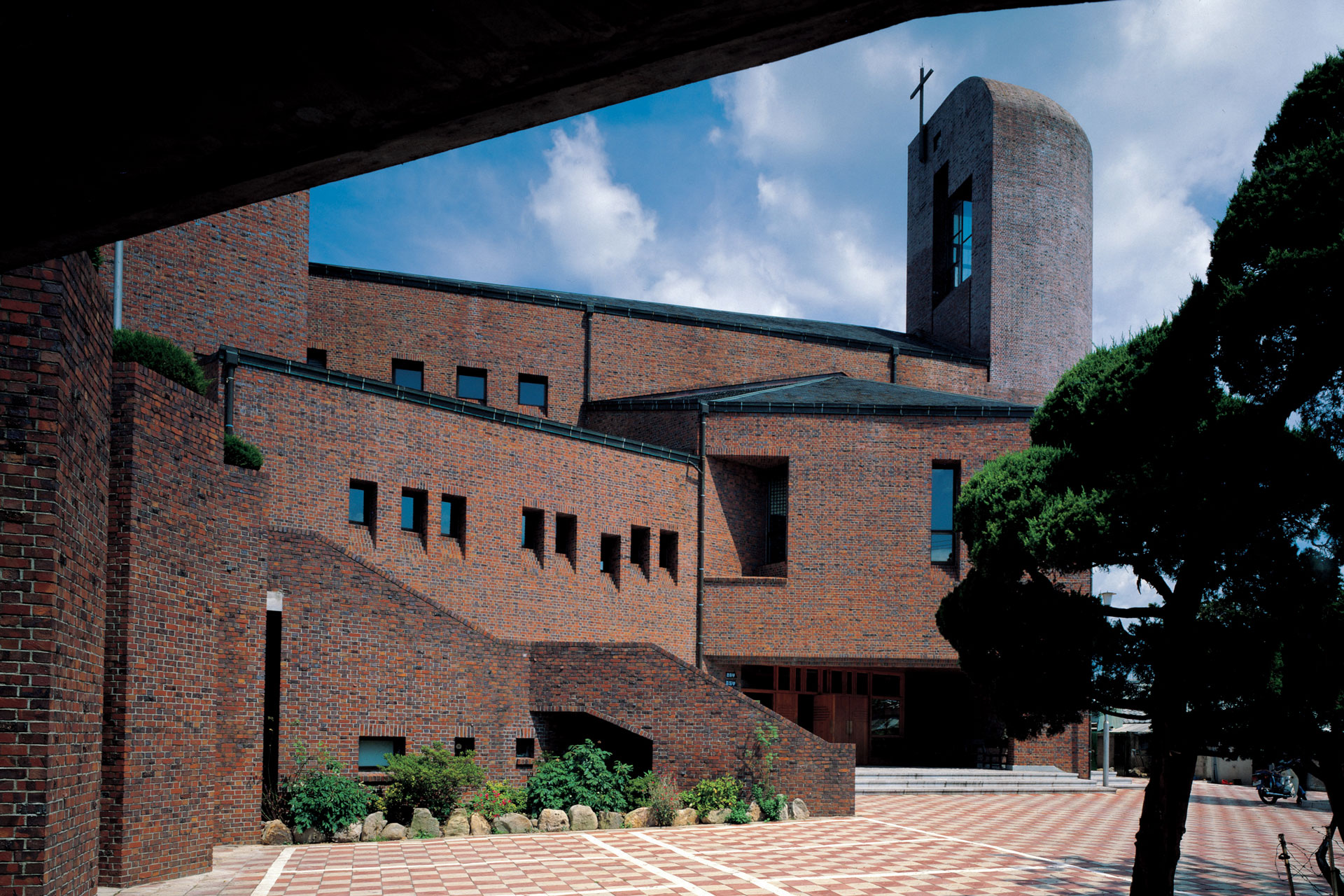
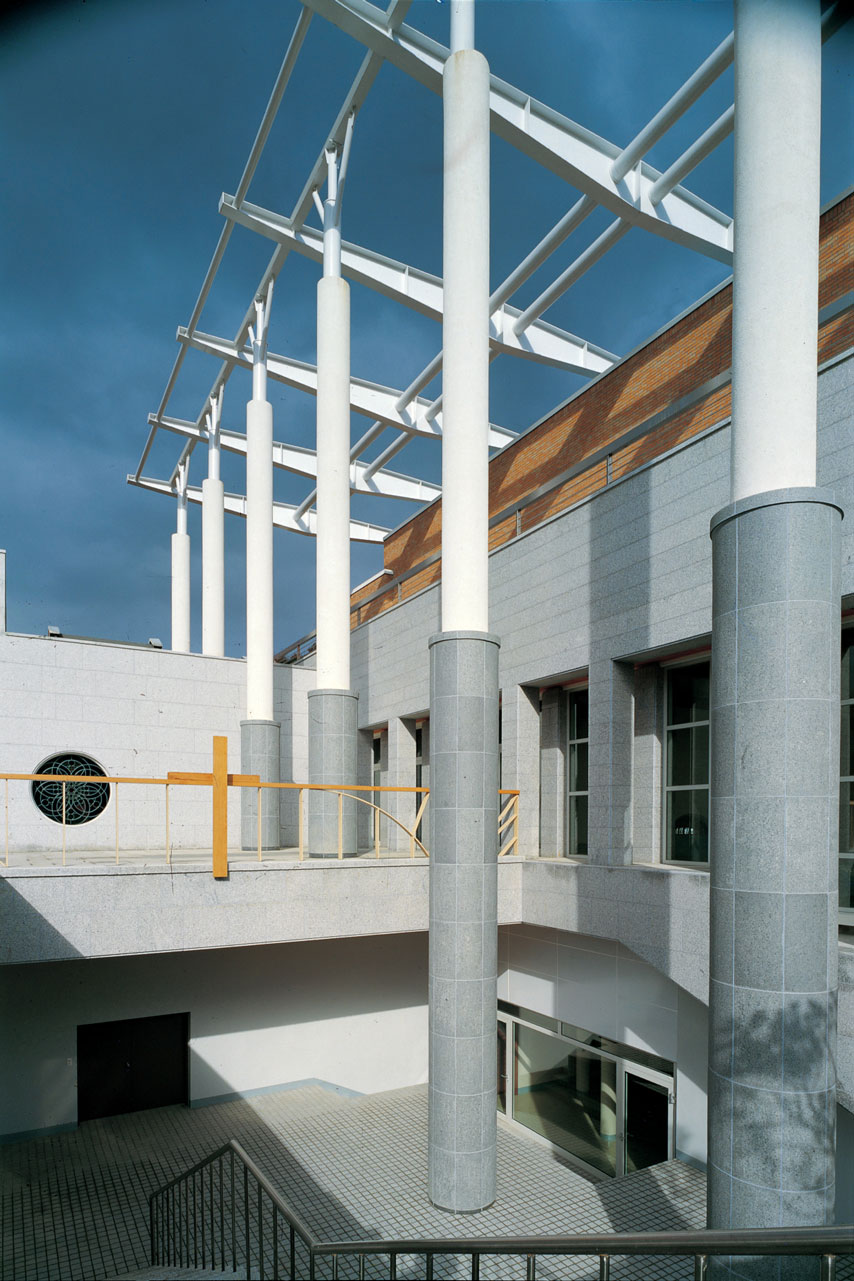
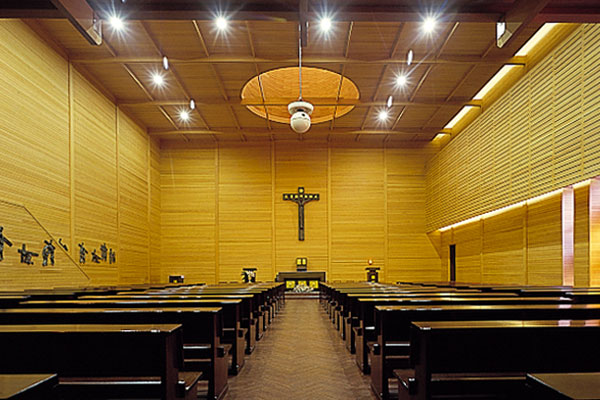
The most decisive element forming the project’s form is the treatment of the passageway space. To facilitate five daily passages from morning Mass to evening Mass, the dormitory and chapel had to be connected by a corridor. This unavoidable Mass schedule created two anticipated issues: connecting the existing dormitory and chapel could compromise the individuality of each space, and the chapel’s front facade might be obscured by a long corridor. The solution lay in the corridor itself. The design was resolved through two approaches: “making the corridor not appear as a corridor” and “dividing the long corridor into shorter segments.” The corridor was bent into an alphabet-Z shape, with the two equal sections composed in different forms, materials, and spaces.
For one passageway near the dormitory, the wall surface was extended upward like a partial partition, creating an effect as if a high-ceilinged space were hidden behind, which mitigated the excessive height difference between the chapel mass and passageway mass. The other passageway featured a unique surface treatment with copper folding on the exterior material, forming continuous openings to enhance openness. The upper area, where a steel railing with wooden handrails was installed, will serve as the most beloved large terrace within the dormitory campus for those exiting from the chapel’s second floor to the outdoor space.
Archive

-
Status
Completed
-
Awards
- 1996 Korean Architecture Award_Finalist
-
Order
Catholic University of Daejeon
-
Purpose
Religious
-
Design Year
1992
-
Completion Year
1996
-
Location
Jeonui-myeon, Sejong-si
-
Site area
79,000m2
-
Gross Floor Area
1,495.95m2
-
Building Area
799.42m2
-
Scale
B1, 2F
The most decisive element forming the project’s form is the treatment of the passageway space. To facilitate five daily passages from morning Mass to evening Mass, the dormitory and chapel had to be connected by a corridor. This unavoidable Mass schedule created two anticipated issues: connecting the existing dormitory and chapel could compromise the individuality of each space, and the chapel’s front facade might be obscured by a long corridor. The solution lay in the corridor itself. The design was resolved through two approaches: “making the corridor not appear as a corridor” and “dividing the long corridor into shorter segments.” The corridor was bent into an alphabet-Z shape, with the two equal sections composed in different forms, materials, and spaces.
For one passageway near the dormitory, the wall surface was extended upward like a partial partition, creating an effect as if a high-ceilinged space were hidden behind, which mitigated the excessive height difference between the chapel mass and passageway mass. The other passageway featured a unique surface treatment with copper folding on the exterior material, forming continuous openings to enhance openness. The upper area, where a steel railing with wooden handrails was installed, will serve as the most beloved large terrace within the dormitory campus for those exiting from the chapel’s second floor to the outdoor space.
Archive