Close
![Popup Image]()

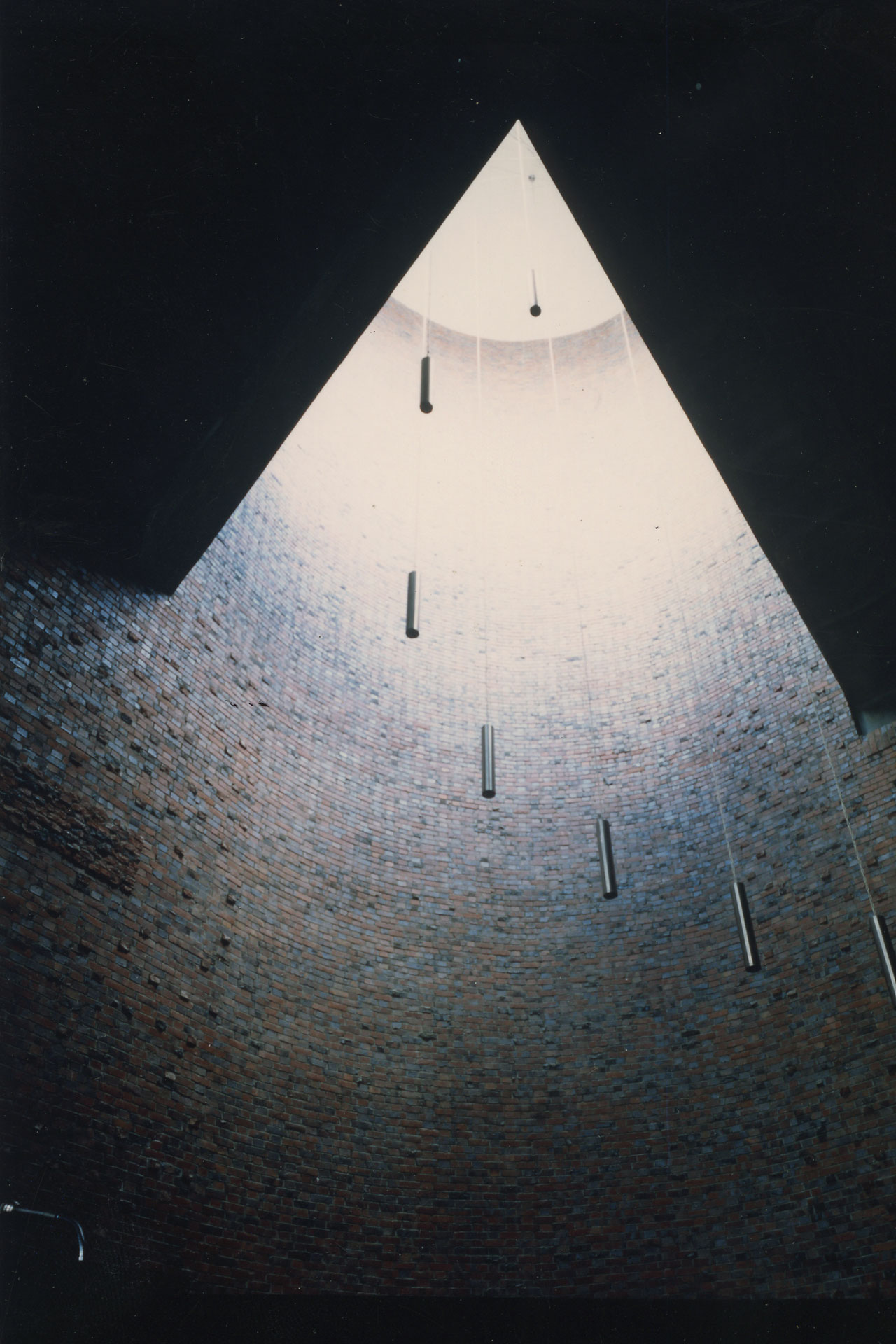
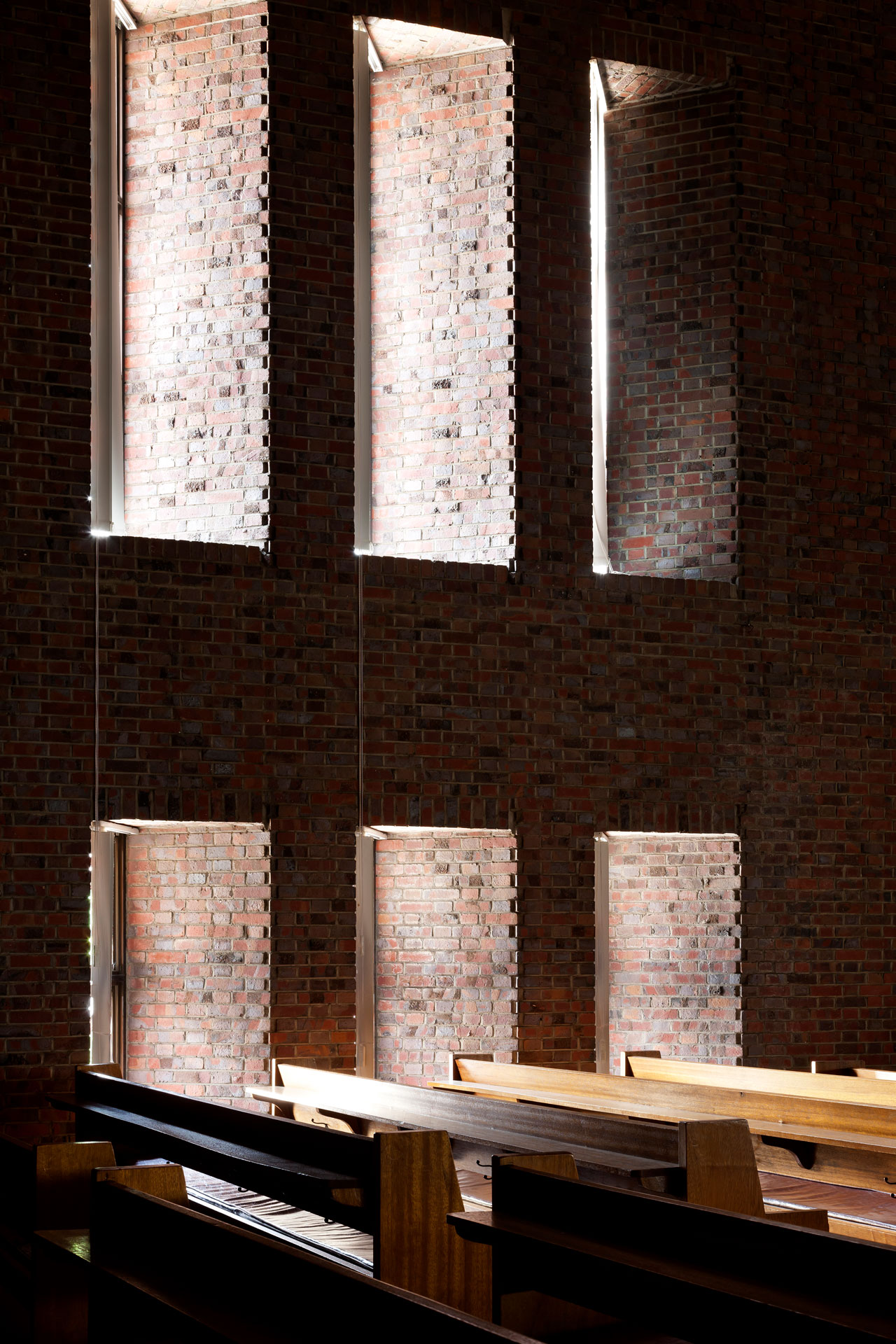
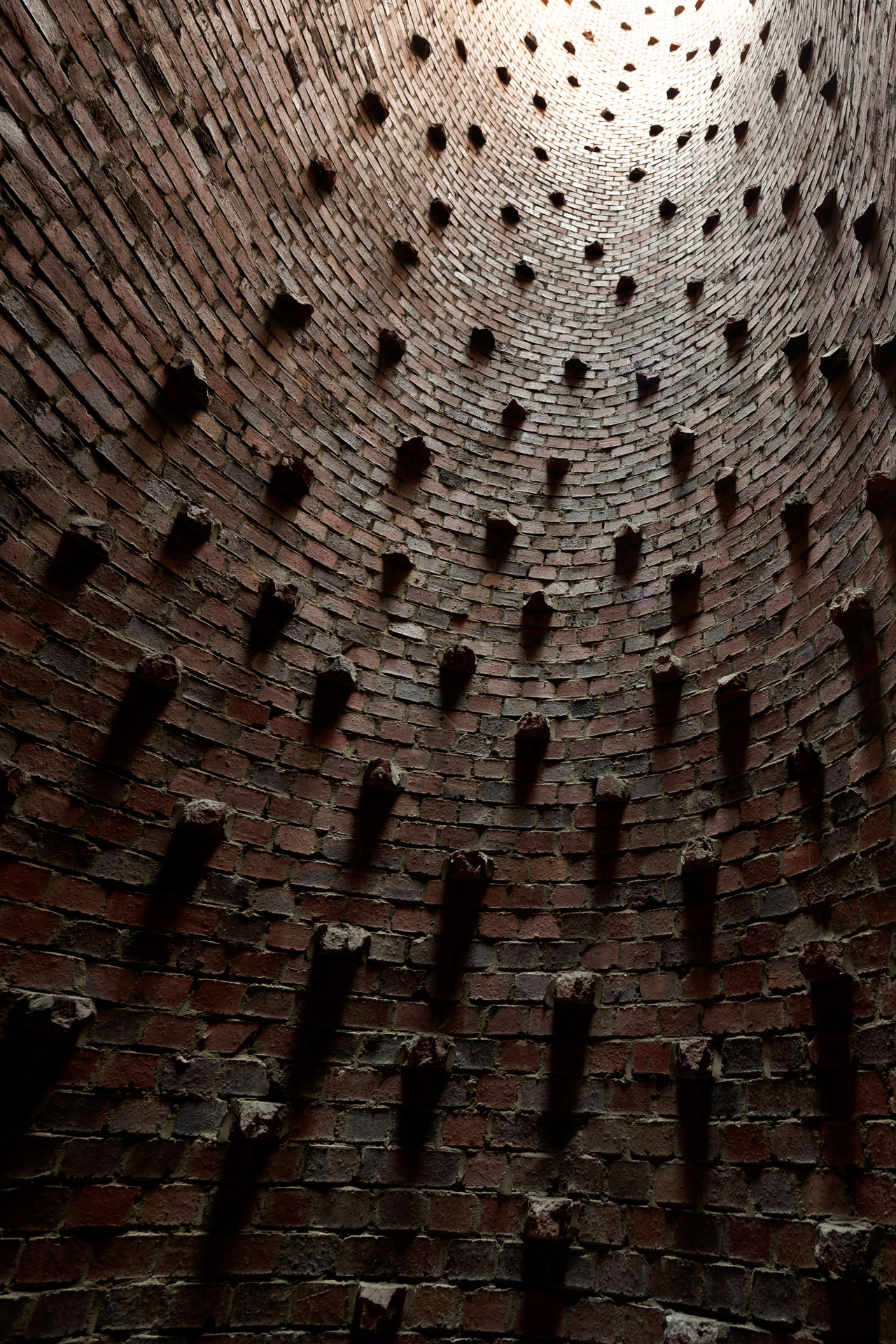
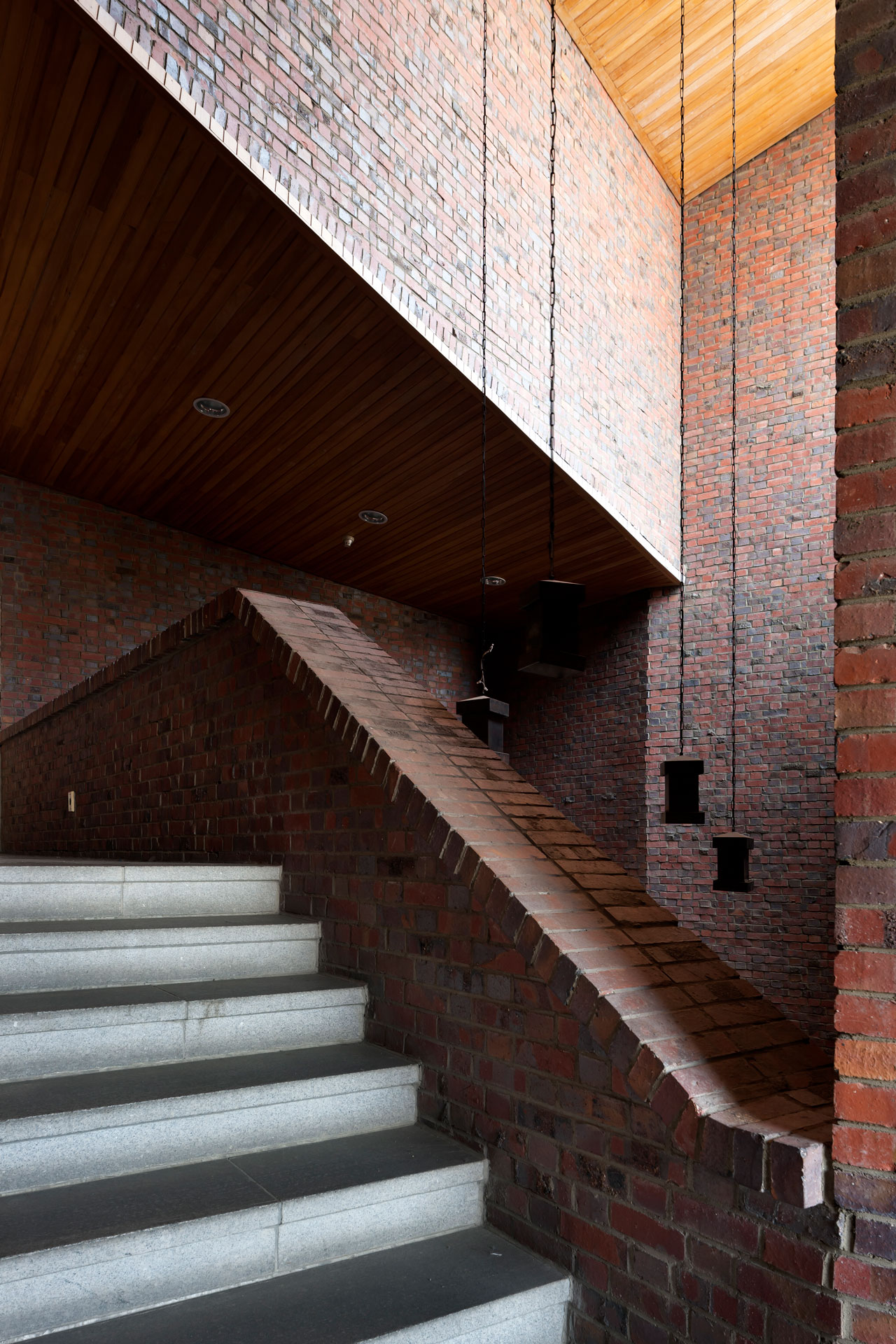
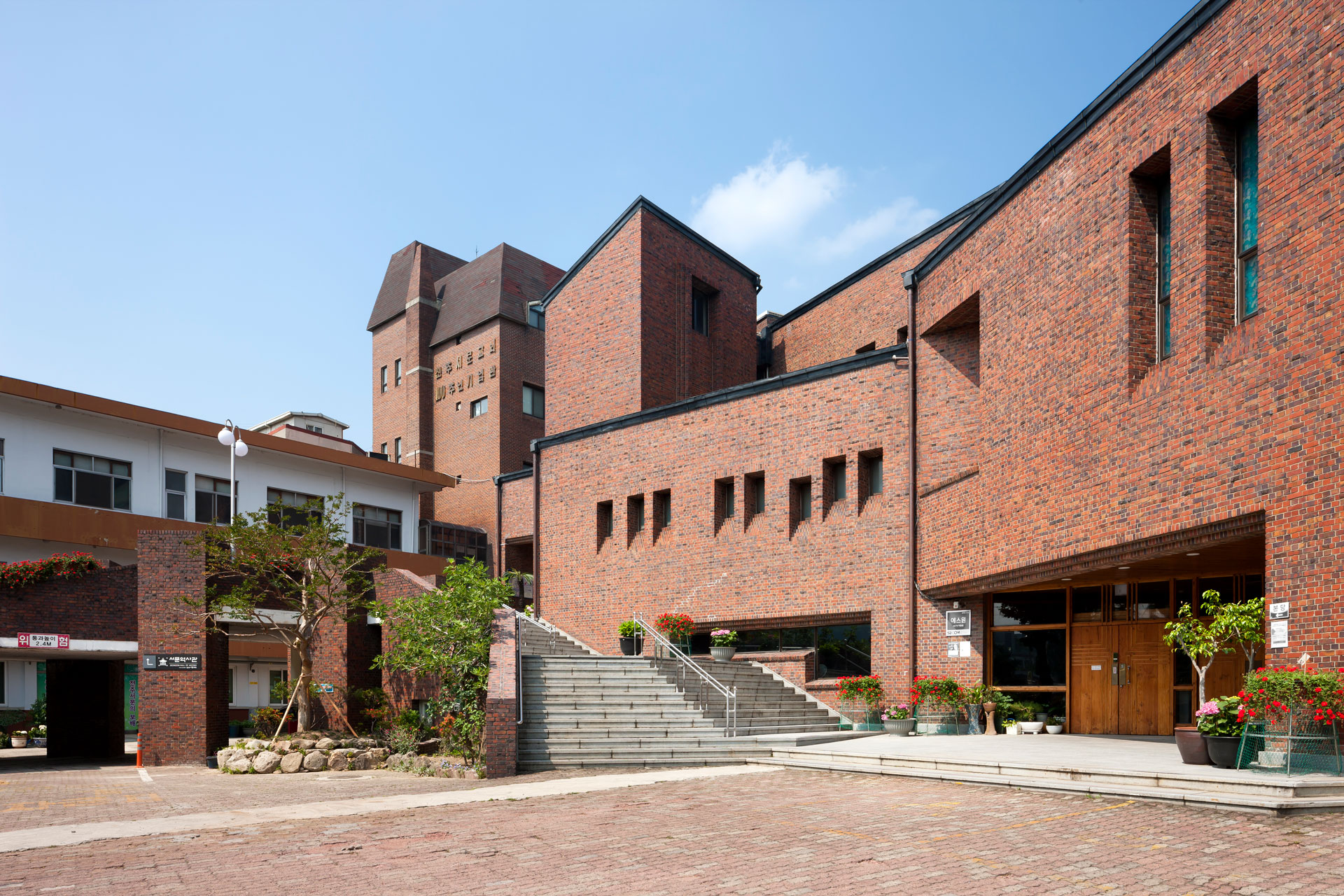
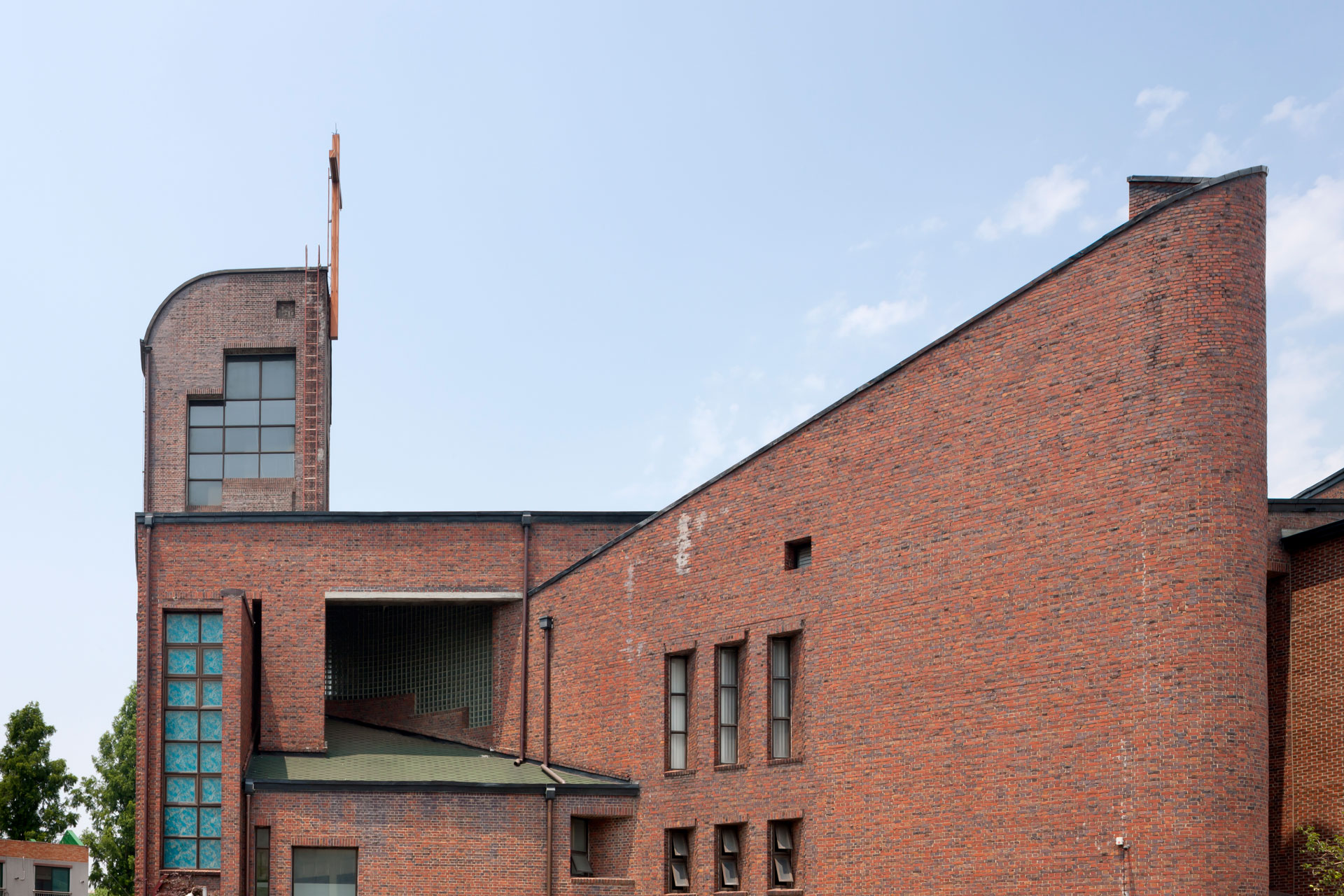
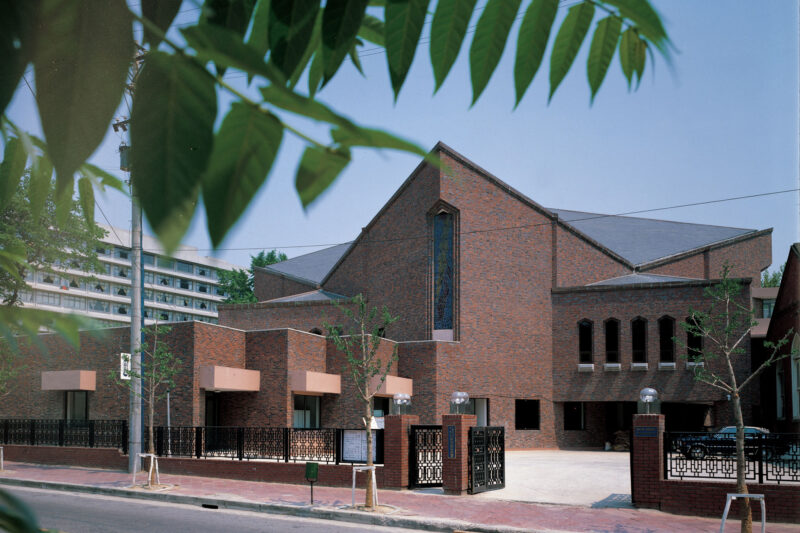
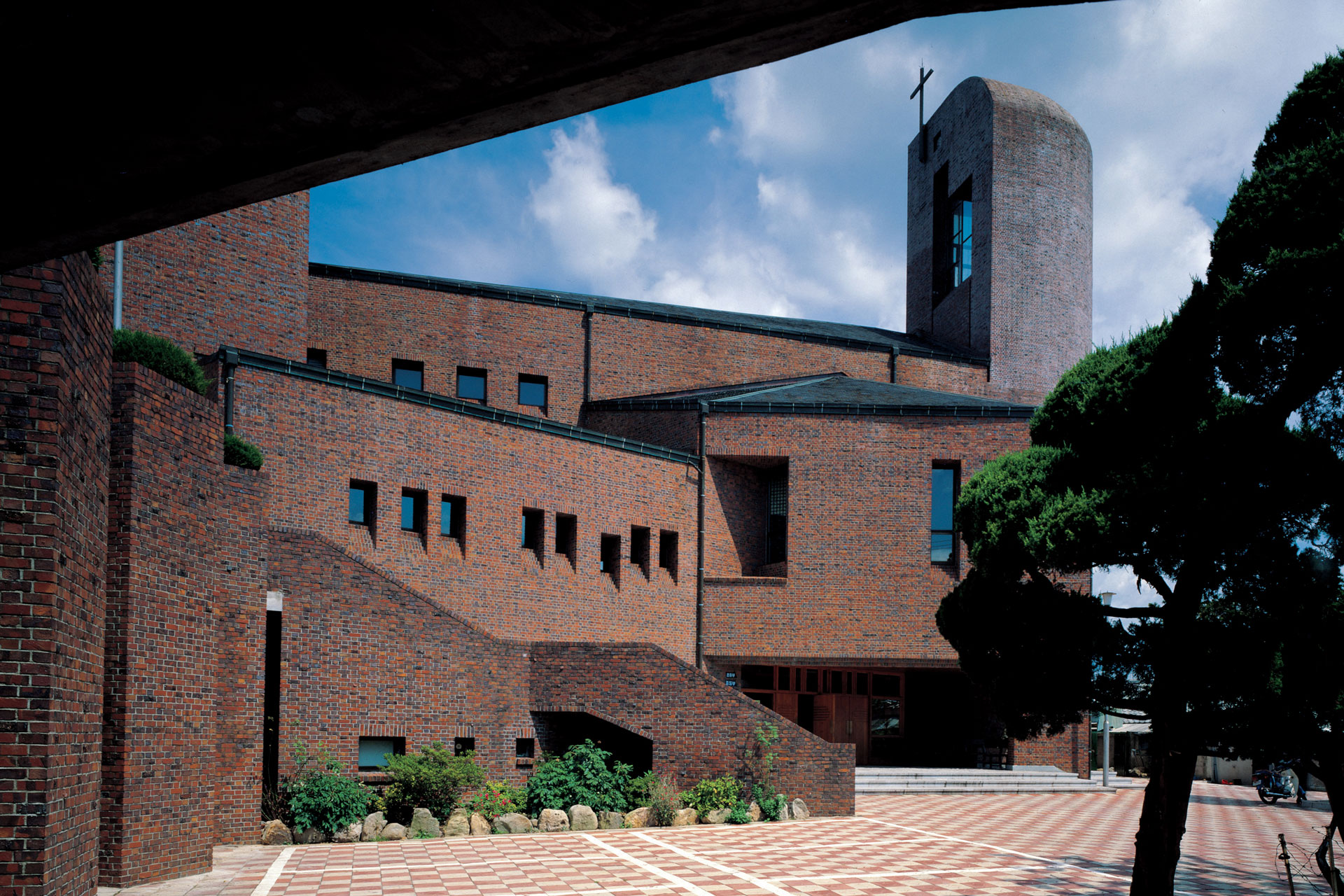
Jeonju Seomoon Methodist Church is a building that stands out for its delicate sculptural sense without emphasizing frontality, contributing to the formation of the traditional and dignified street atmosphere of Jeonju City. The assemblage of small masses, also seen in Chungdong First Methodist Church, is a prominent feature of this building. This architectural aggregation goes beyond form, implying that each brick and mass collectively establishes the church community.
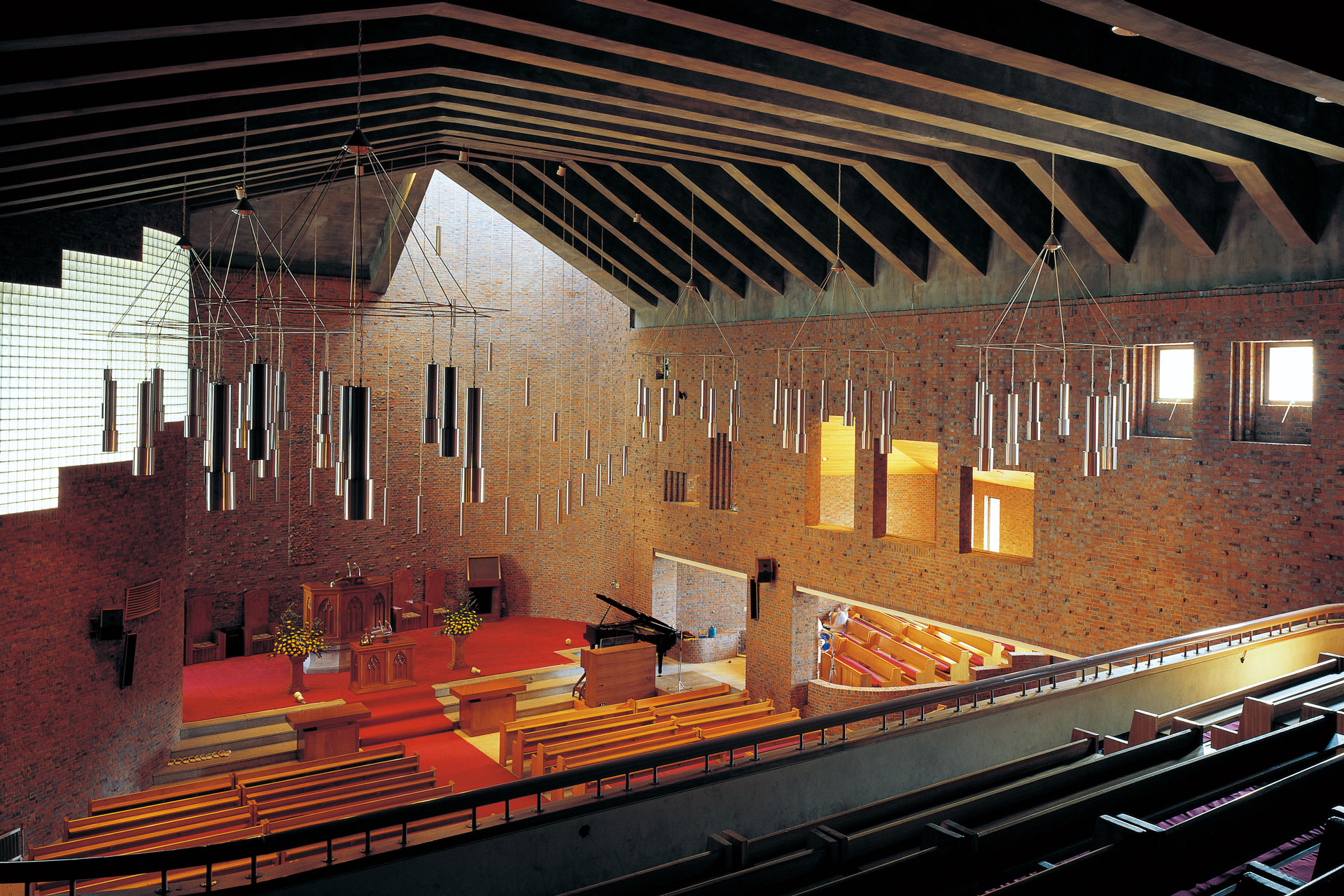
The late architect Kim Jungchul, who designed this building, aimed to express the contemporary value of religion without being stuck in the past, through softly cascading upper light and gentle daylight from the windows, and an exterior space design without clear axial lines rather than emphasizing grandeur from vast spatial experiences. Also, the church plaza was extended to the public road, 6 meters wide, and expanded with an additionally acquired triangular site, creating a gesture that penetrates the private church premises with a public road, naturally inviting everyday encounters with the realm of faith.
In the Press
Archive

-
Status
Completed
-
Awards
- 1984 Korean Architecture Award
-
Order
Jeonju Seomoon Methodist Church
-
Purpose
Religious
-
Design Year
1979
-
Completion Year
1983
-
Location
Jeonju-si, Jeollabuk-do
-
Site area
3,001.70m2
-
Gross Floor Area
2,820.00m2
-
Building Area
1,057.00m2
-
Scale
B1, 3F
Jeonju Seomoon Methodist Church is a building that stands out for its delicate sculptural sense without emphasizing frontality, contributing to the formation of the traditional and dignified street atmosphere of Jeonju City. The assemblage of small masses, also seen in Chungdong First Methodist Church, is a prominent feature of this building. This architectural aggregation goes beyond form, implying that each brick and mass collectively establishes the church community.
The late architect Kim Jungchul, who designed this building, aimed to express the contemporary value of religion without being stuck in the past, through softly cascading upper light and gentle daylight from the windows, and an exterior space design without clear axial lines rather than emphasizing grandeur from vast spatial experiences. Also, the church plaza was extended to the public road, 6 meters wide, and expanded with an additionally acquired triangular site, creating a gesture that penetrates the private church premises with a public road, naturally inviting everyday encounters with the realm of faith.
In the Press
Archive