Close
![Popup Image]()
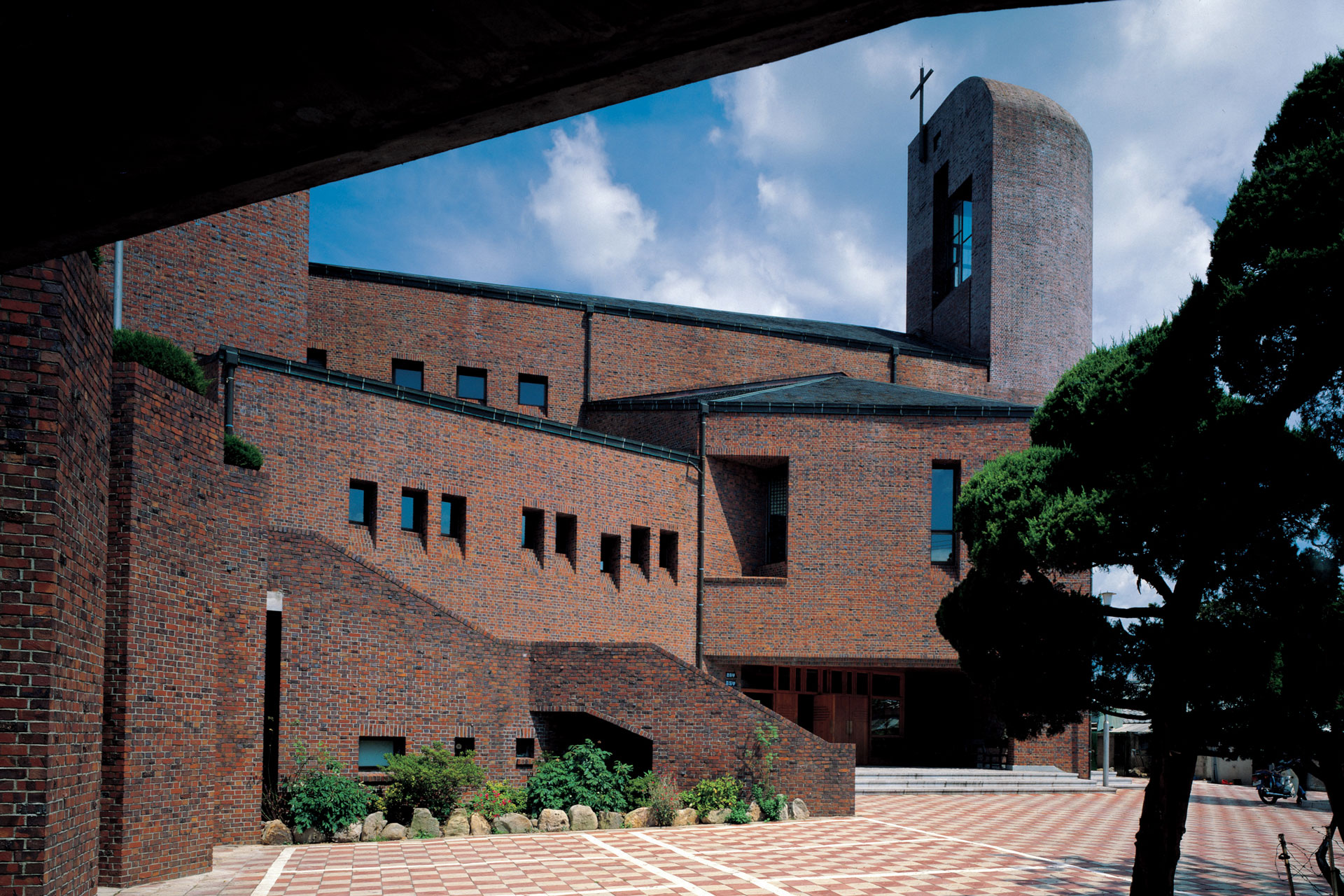
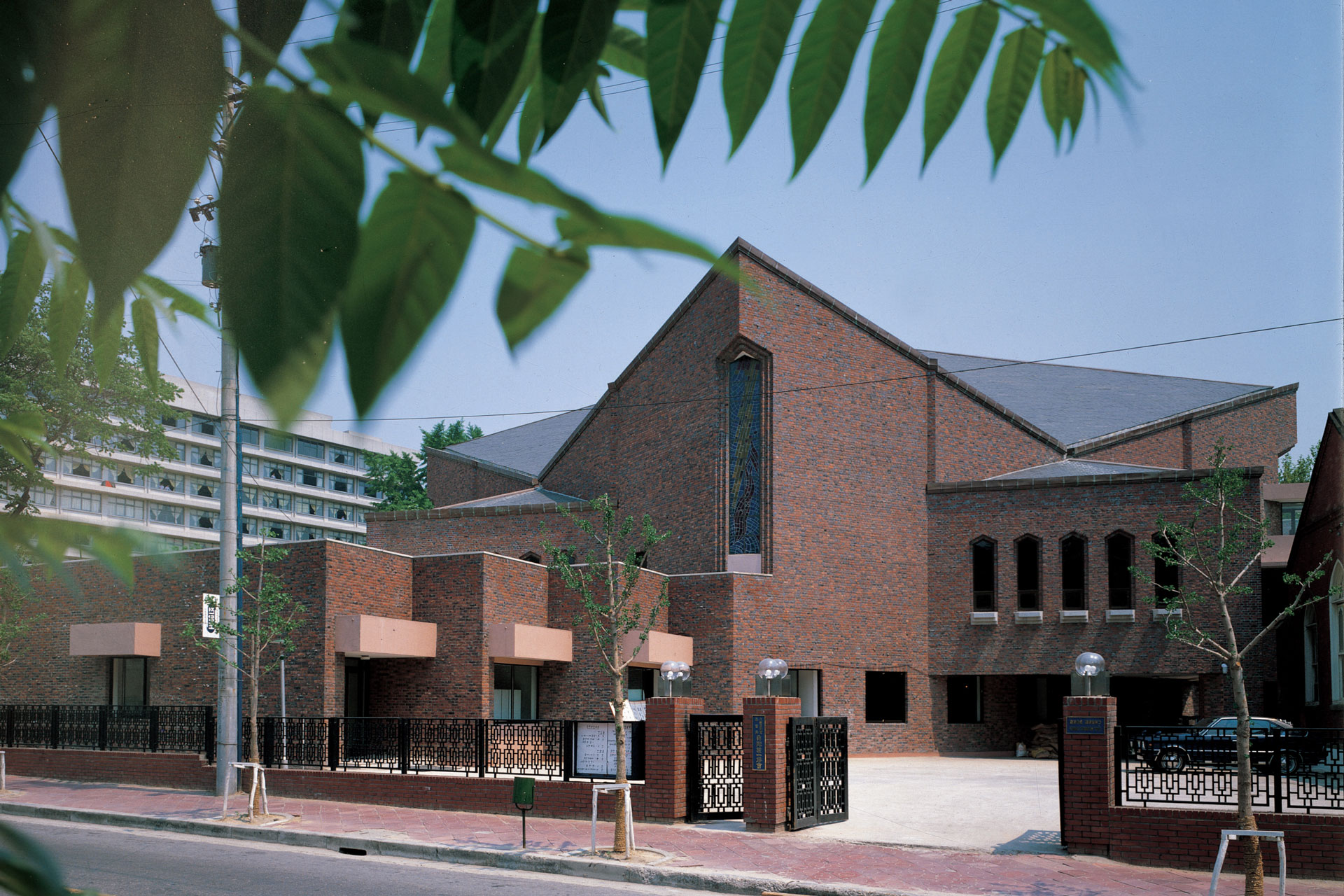
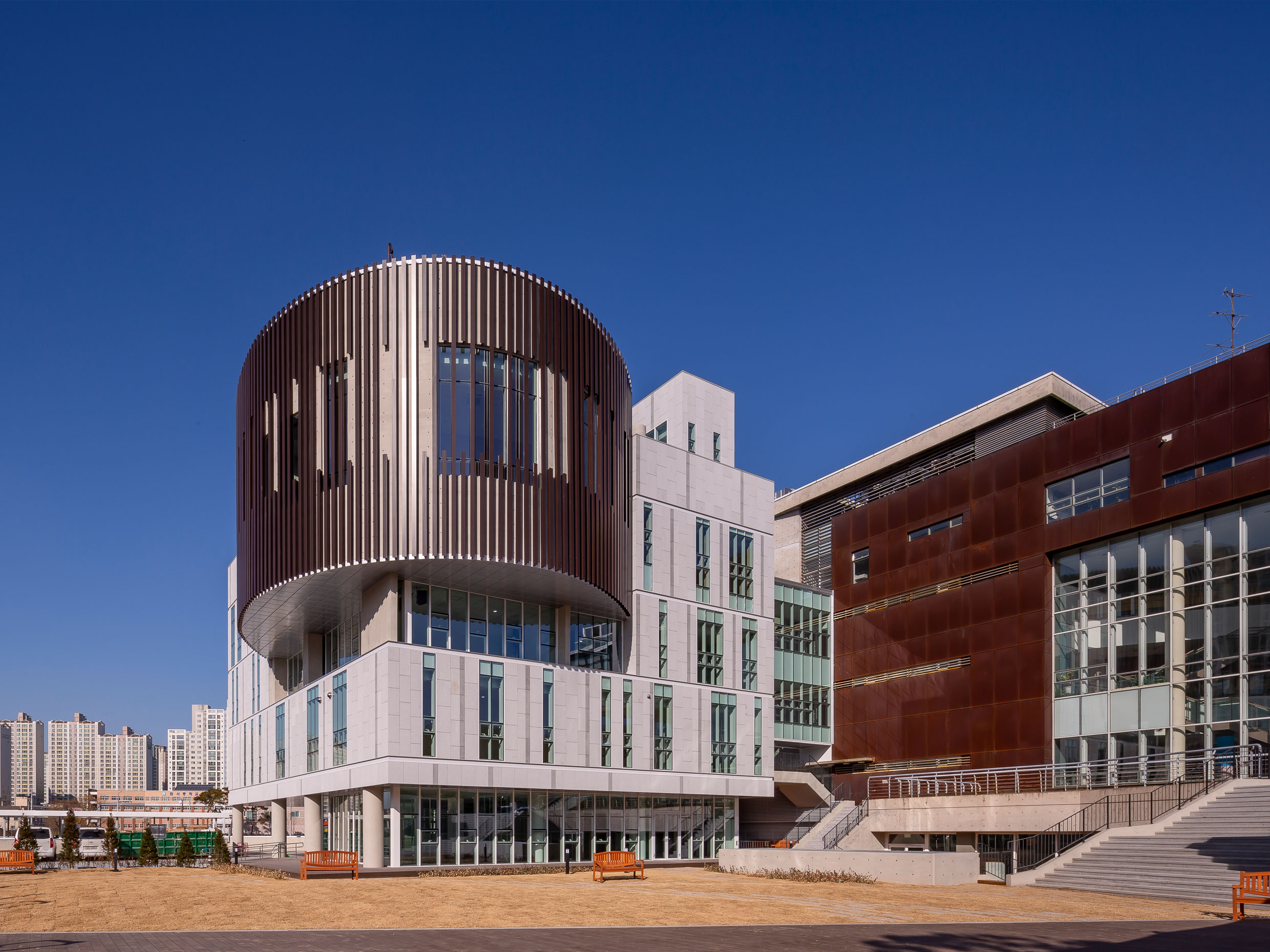
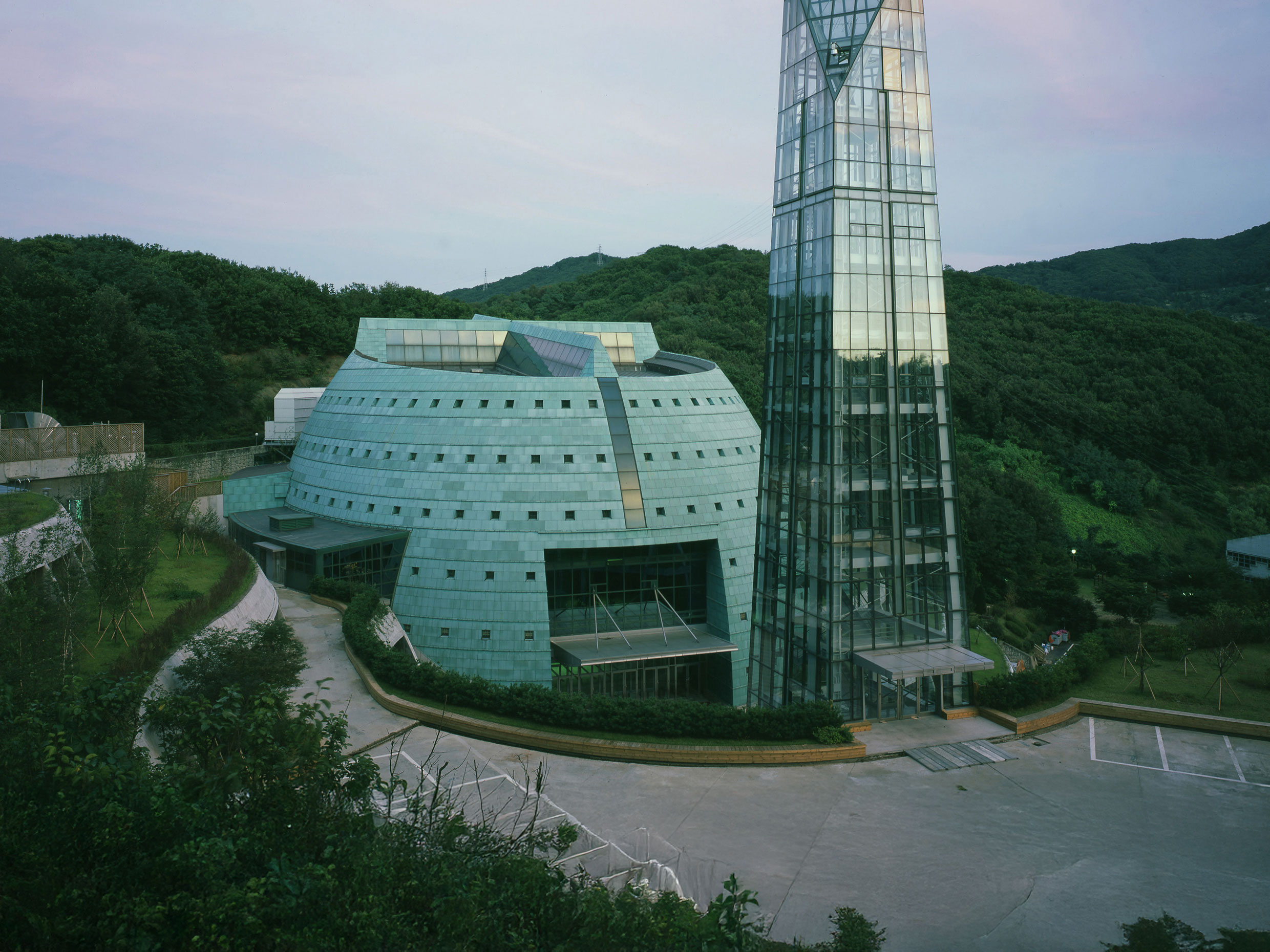
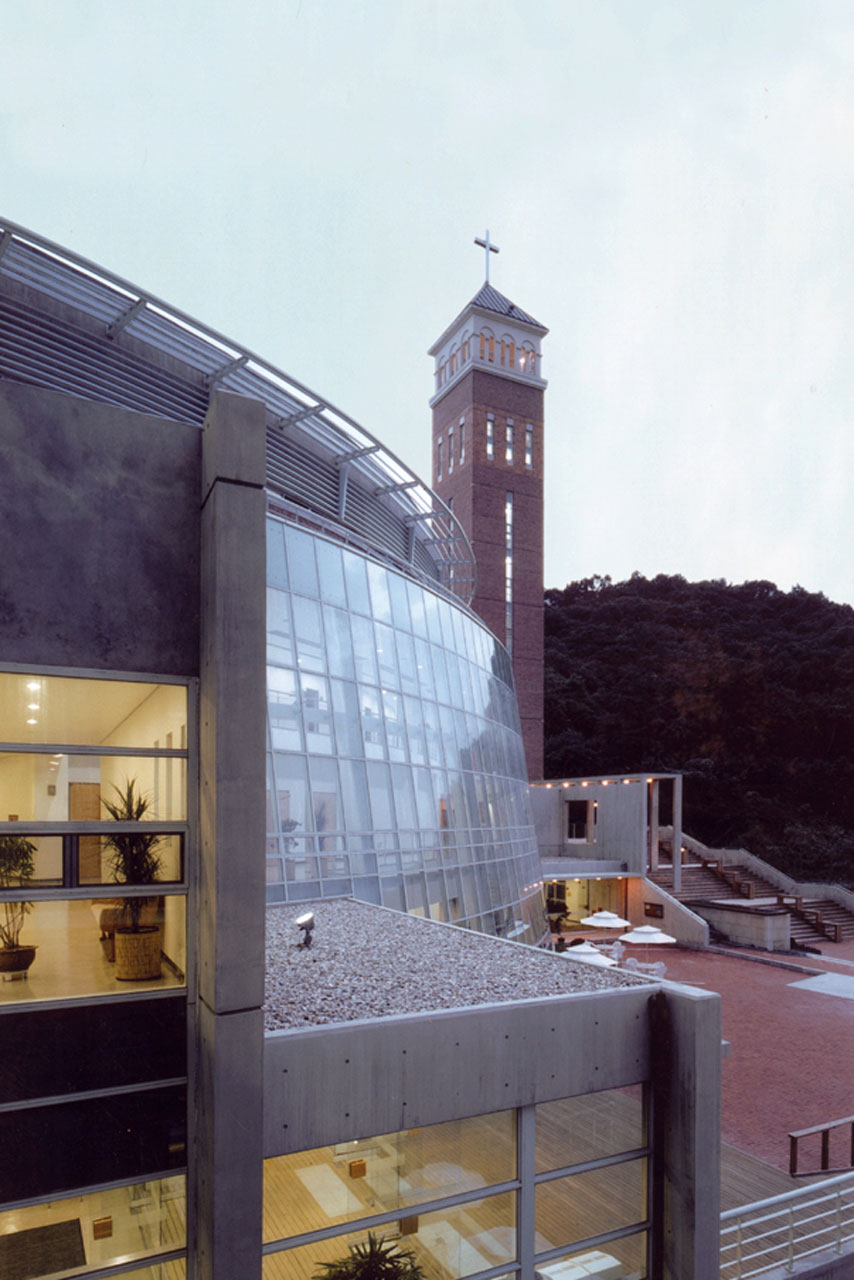
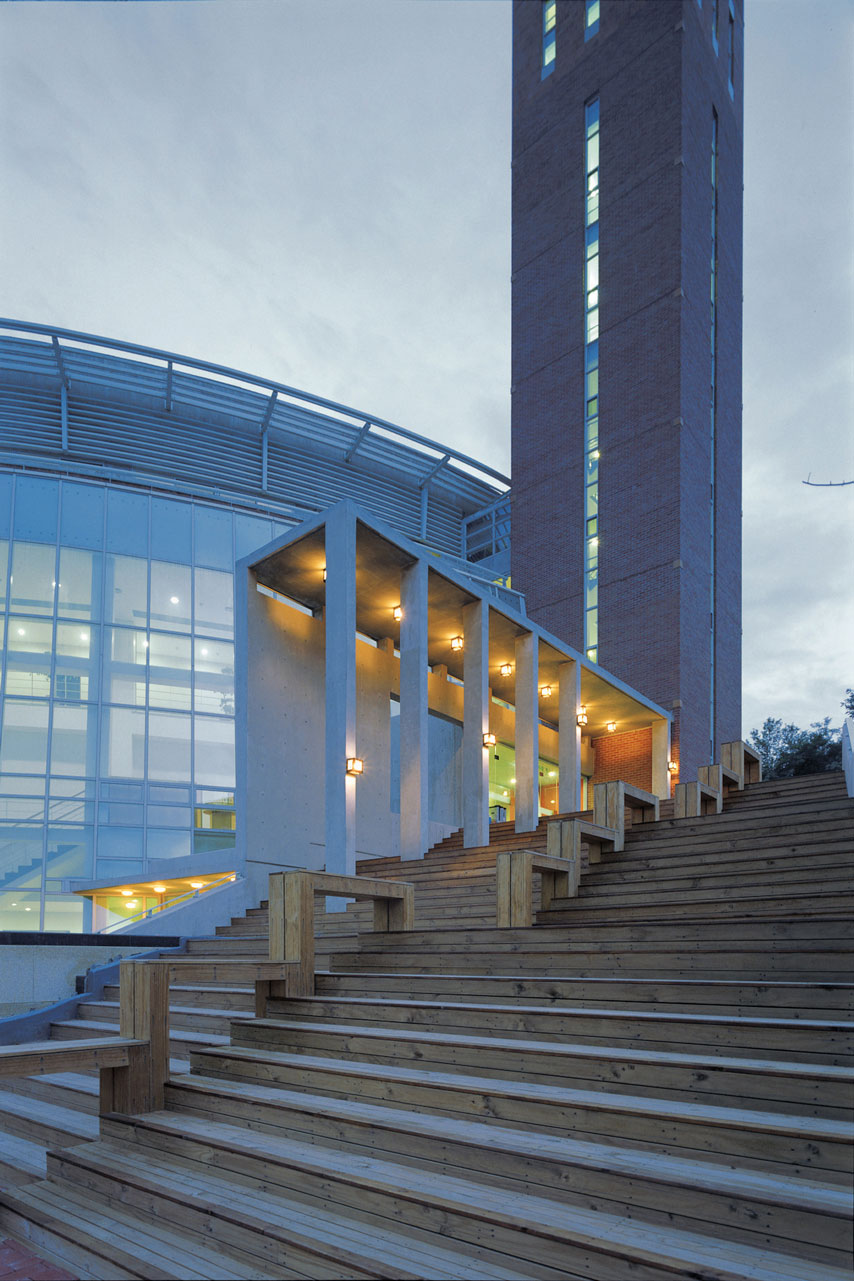
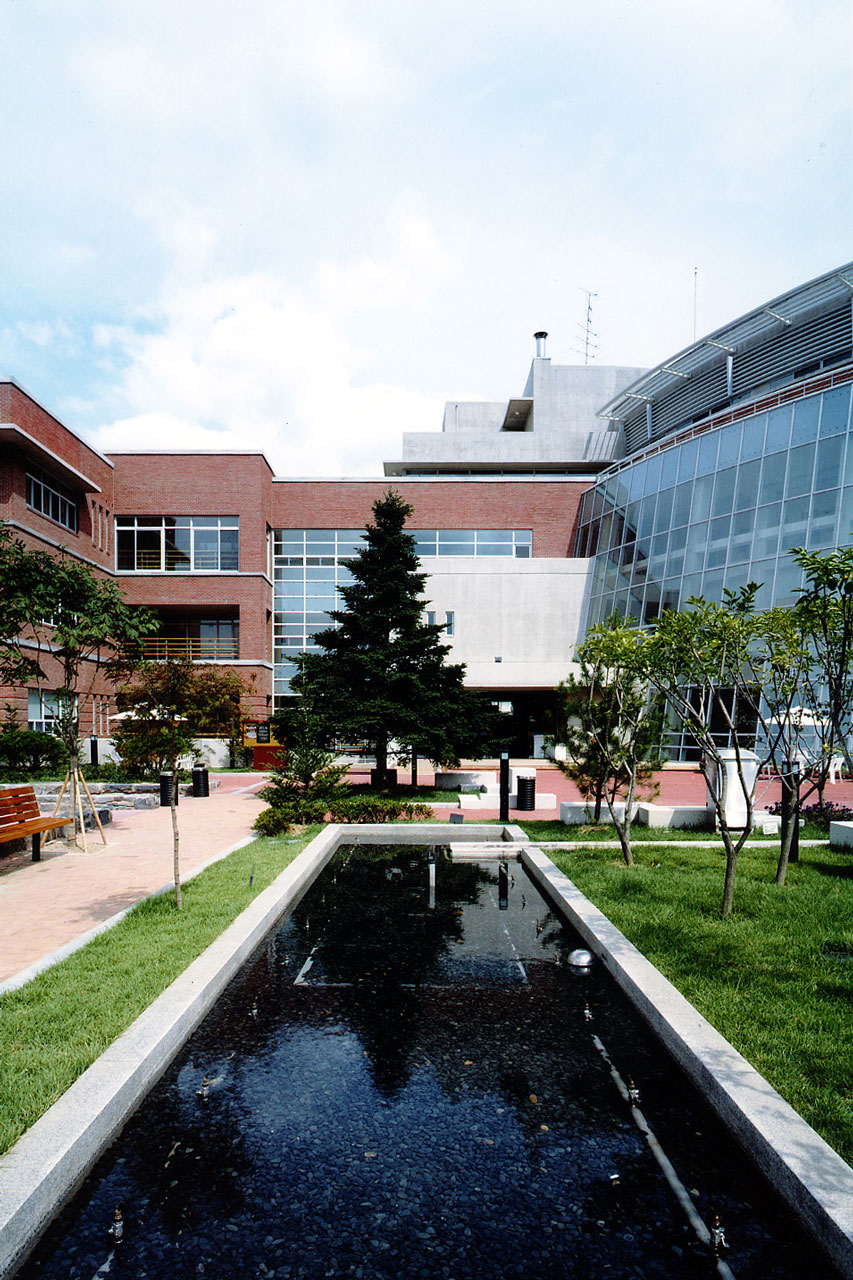
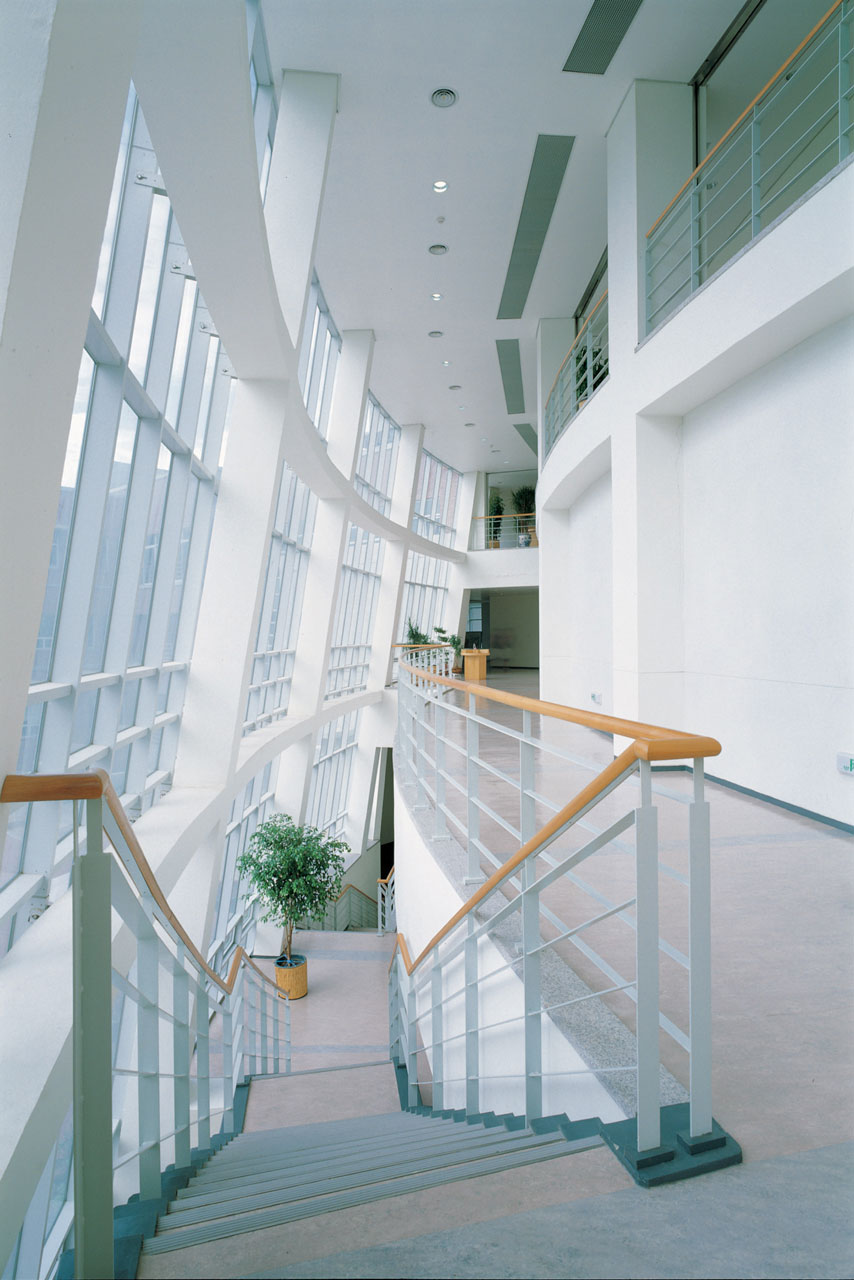
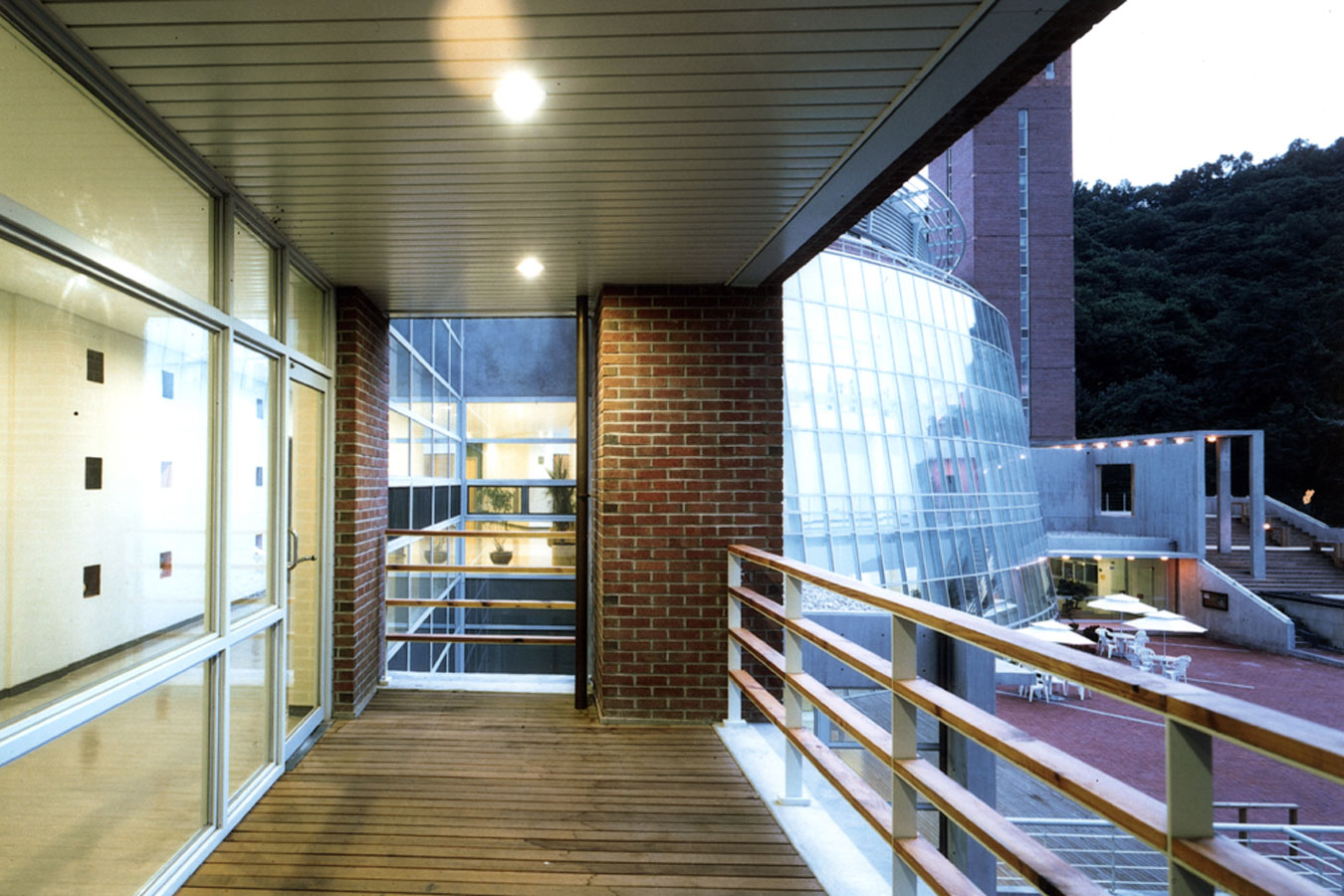
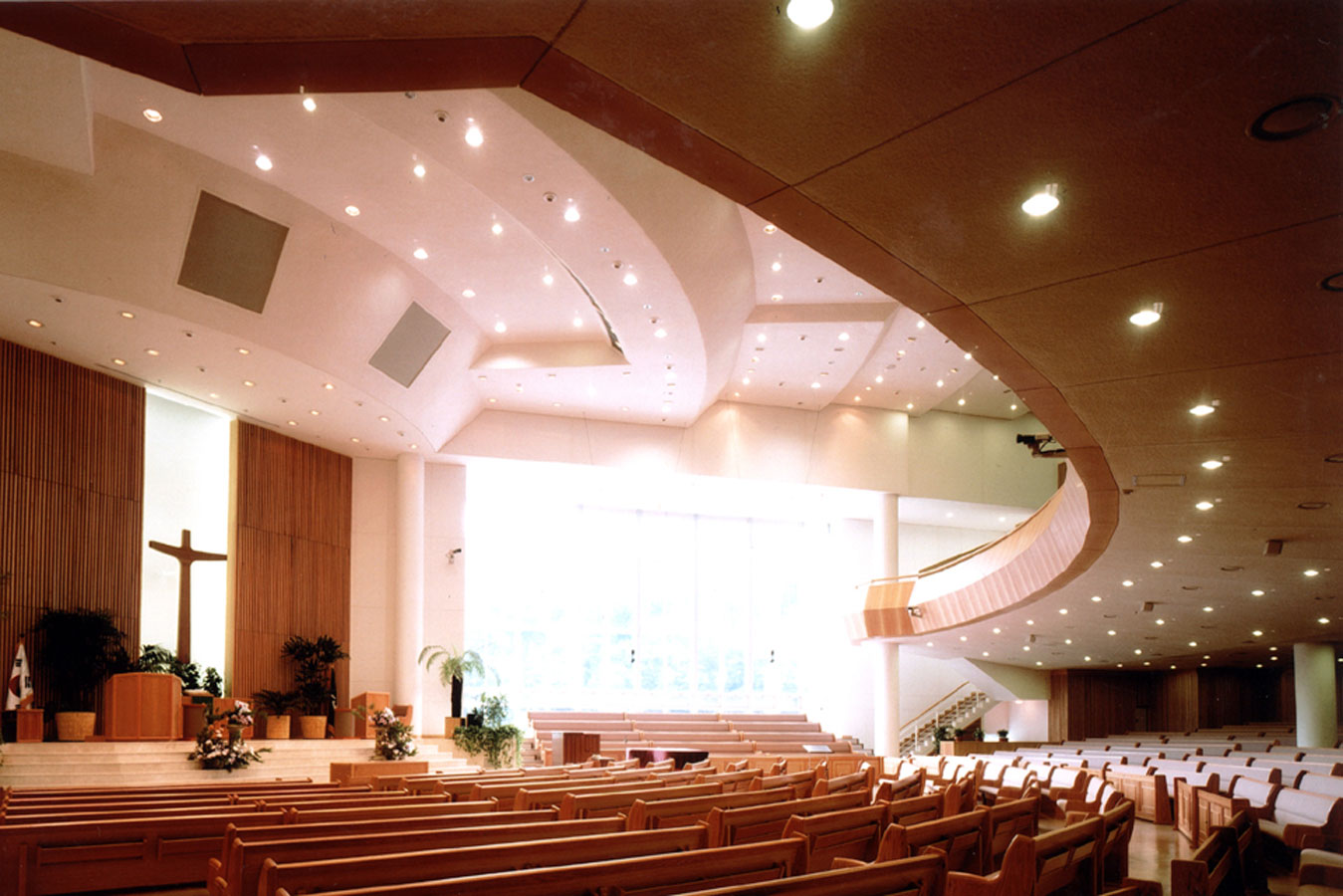
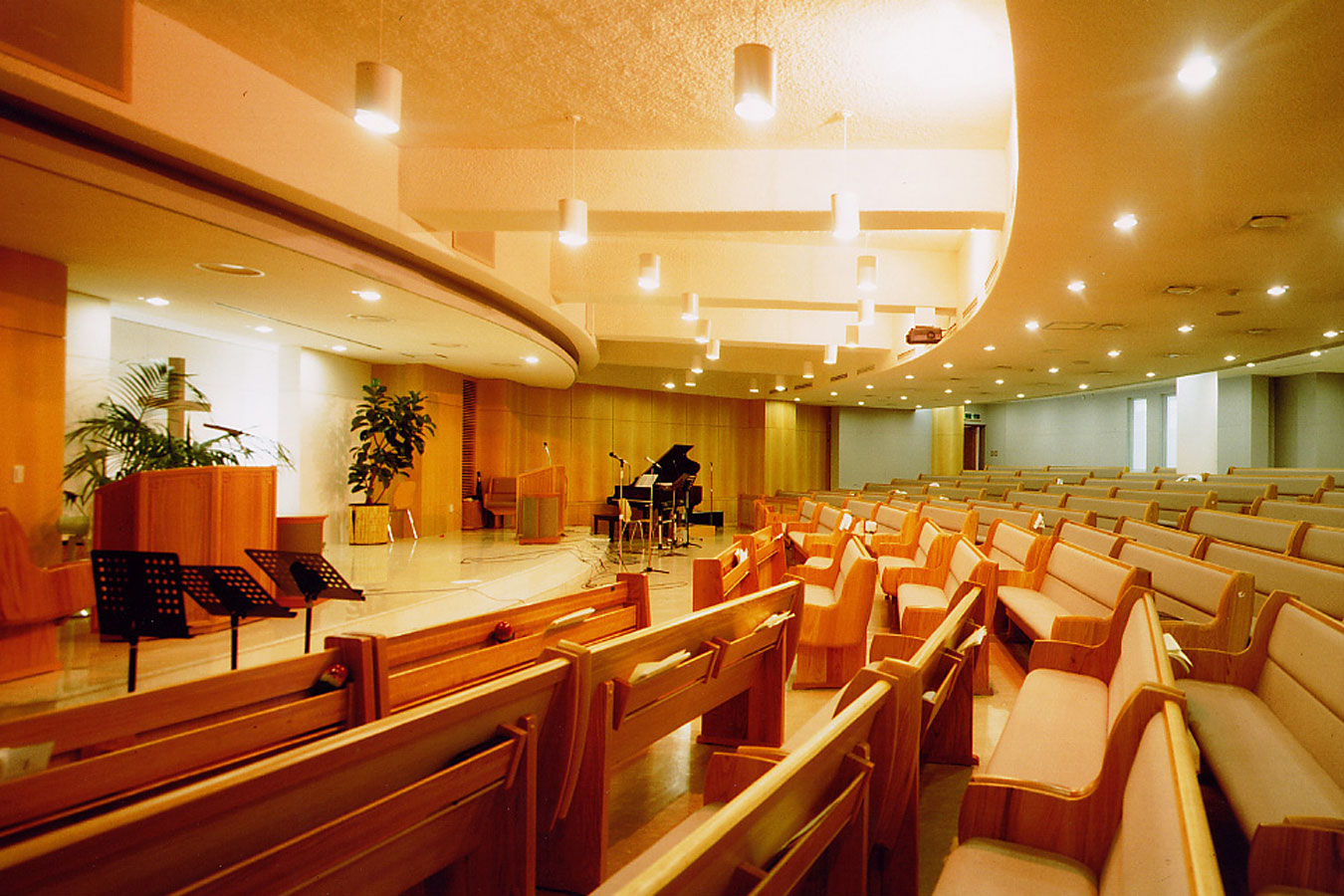
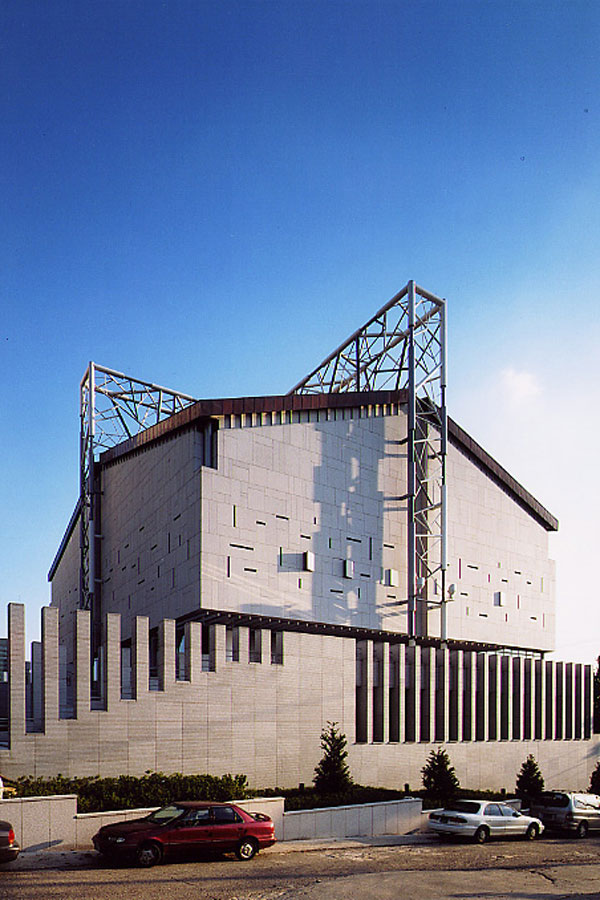
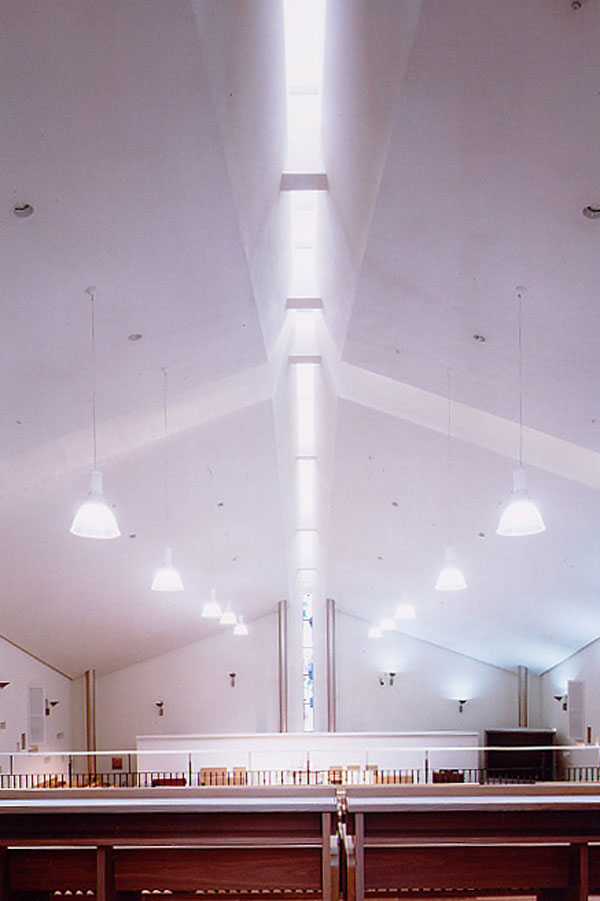
Bundang Calvary Church New Sanctuary introduced the novel concept of a “pastoral church” when relocating from the urban Samsung-dong site to Bundang New Town. As an open church, it aimed to contribute to the local community by providing accessible facilities while offering church members a comfortable space to fully fill their Sundays with worship, service, and fellowship. Throughout the entire process from design to construction, the intent to realize a horizontal, bright, and warm religious imagery consistently served as the core axis of the design. The design work spanned over six years from 1995, involving repeated changes — from floor area ratio restrictions to complete redesign upon relaxation, and additional facility planning — making the completion process particularly notable
For site planning, with the building backed by a mountain ridge extending from the south side of the site and offering city views to the west, the above-ground massing was elongated north-south across an east-west axis. Pedestrian and vehicular main entrances were positioned on the north side of the site to ensure access from Seongnam-daero, the main arterial road, via roads connecting to the neighborhood. Major functions accounting for 75% of the total floor area, including the main sanctuary, were placed underground due to building coverage restrictions, with special consideration given to spatial quality, circulation, daylighting, ventilation, views, and other environmental aspects.



-
Status
Completed
-
Order
Calvary Church
-
Purpose
Religious
-
Design Year
1995
-
Completion Year
2000
-
Location
Seongnam-si, Gyeonggi-do
-
Site area
9,864.00m2
-
Gross Floor Area
8,429.89m2
-
Building Area
2,595.50m2
-
Scale
B1, 4F
Bundang Calvary Church New Sanctuary introduced the novel concept of a “pastoral church” when relocating from the urban Samsung-dong site to Bundang New Town. As an open church, it aimed to contribute to the local community by providing accessible facilities while offering church members a comfortable space to fully fill their Sundays with worship, service, and fellowship. Throughout the entire process from design to construction, the intent to realize a horizontal, bright, and warm religious imagery consistently served as the core axis of the design. The design work spanned over six years from 1995, involving repeated changes — from floor area ratio restrictions to complete redesign upon relaxation, and additional facility planning — making the completion process particularly notable
For site planning, with the building backed by a mountain ridge extending from the south side of the site and offering city views to the west, the above-ground massing was elongated north-south across an east-west axis. Pedestrian and vehicular main entrances were positioned on the north side of the site to ensure access from Seongnam-daero, the main arterial road, via roads connecting to the neighborhood. Major functions accounting for 75% of the total floor area, including the main sanctuary, were placed underground due to building coverage restrictions, with special consideration given to spatial quality, circulation, daylighting, ventilation, views, and other environmental aspects.