Close
![Popup Image]()
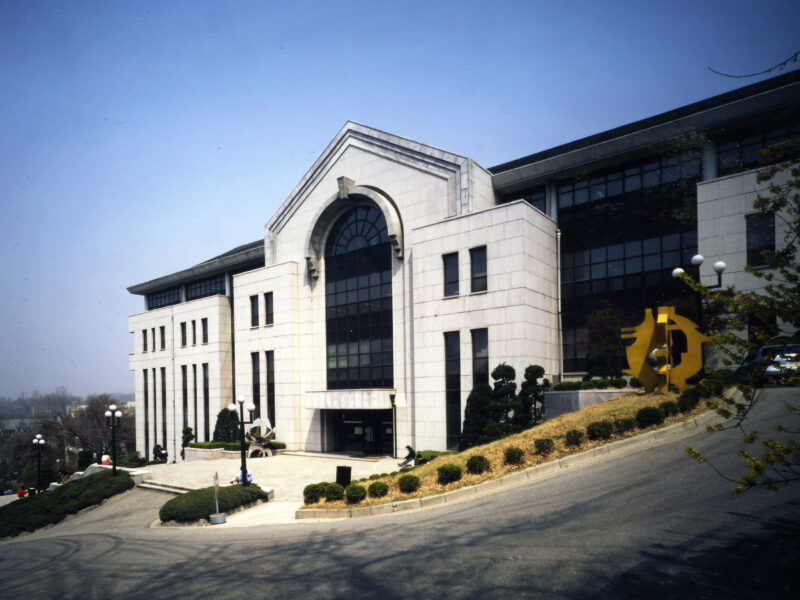
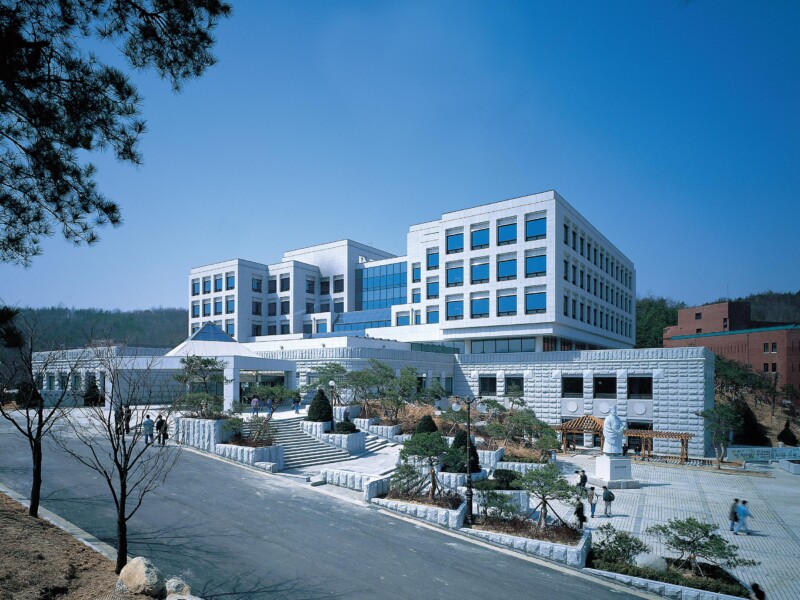
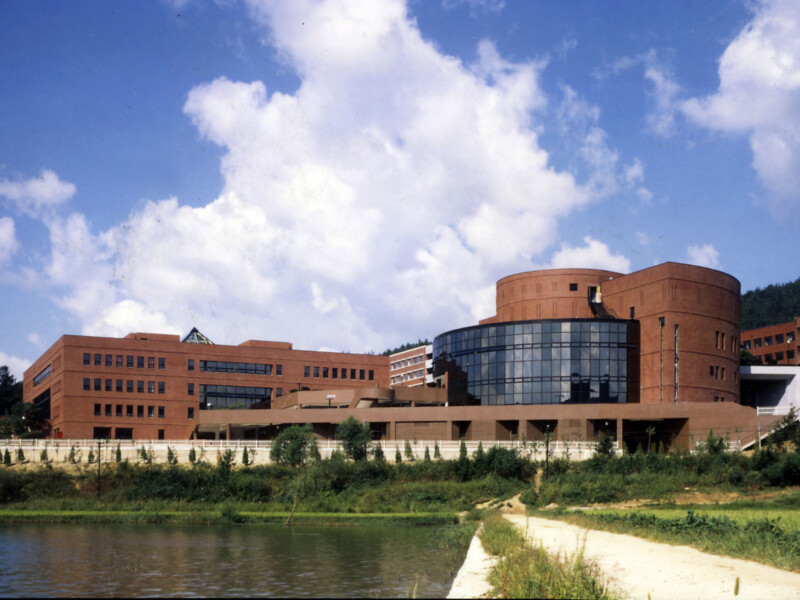
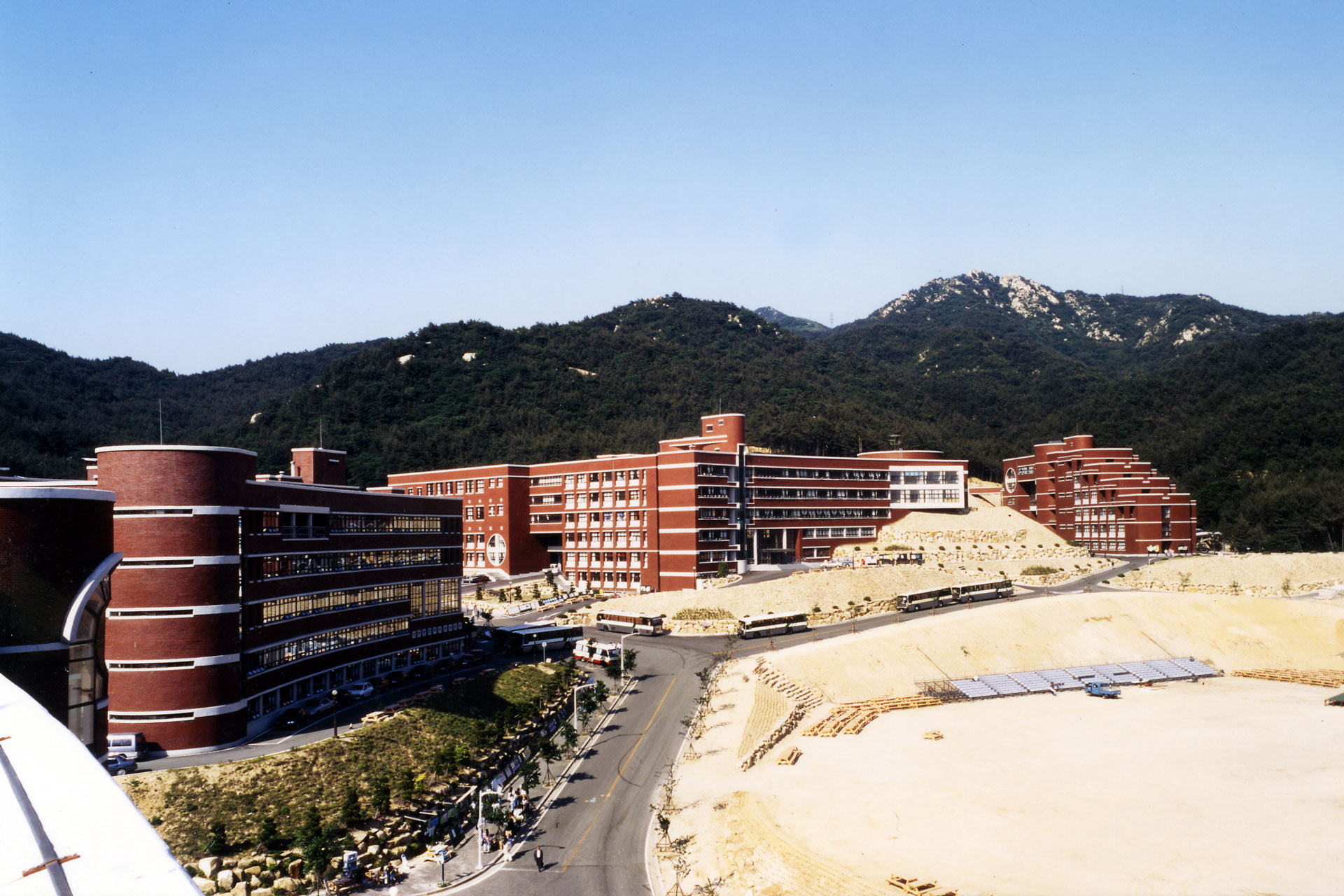
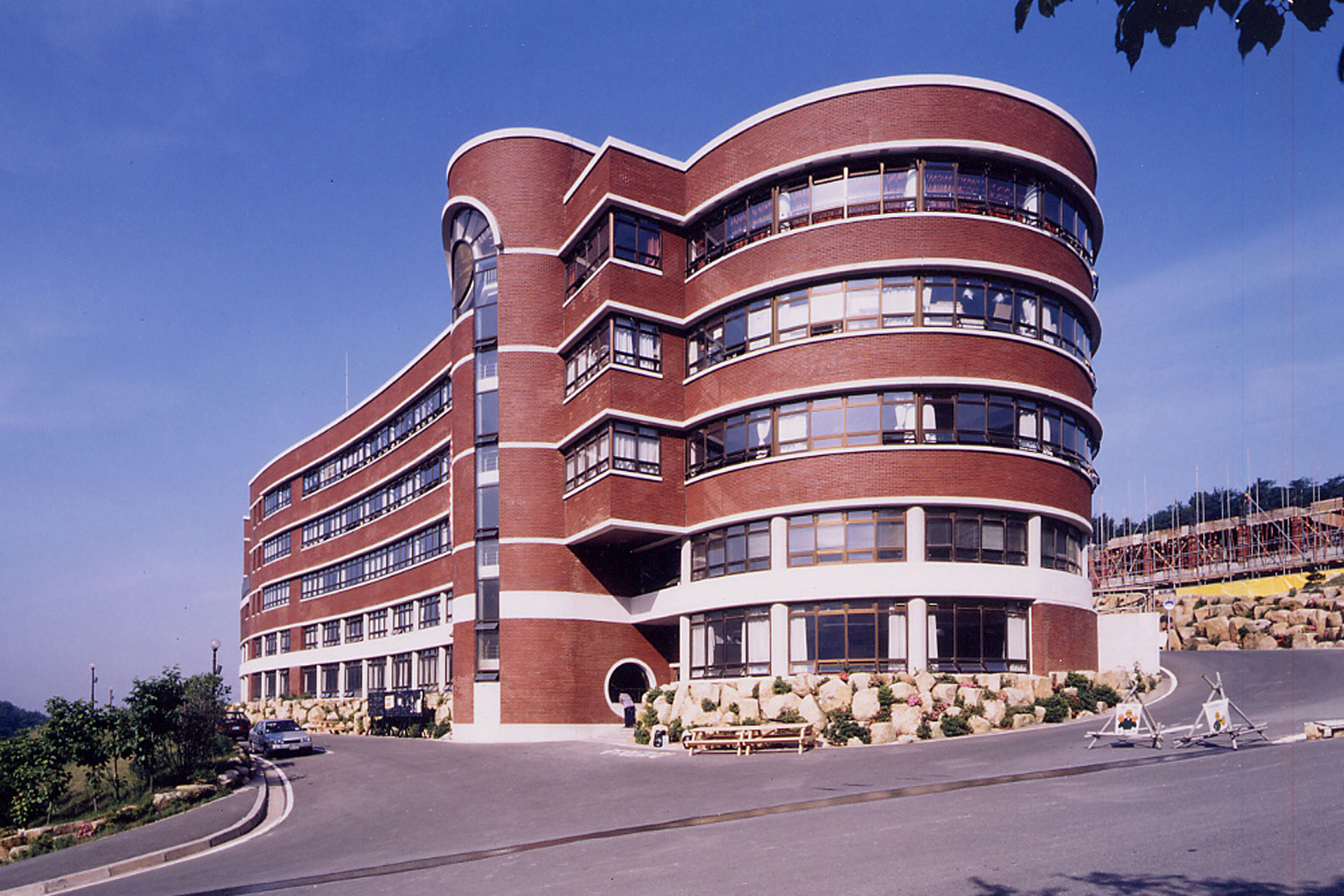
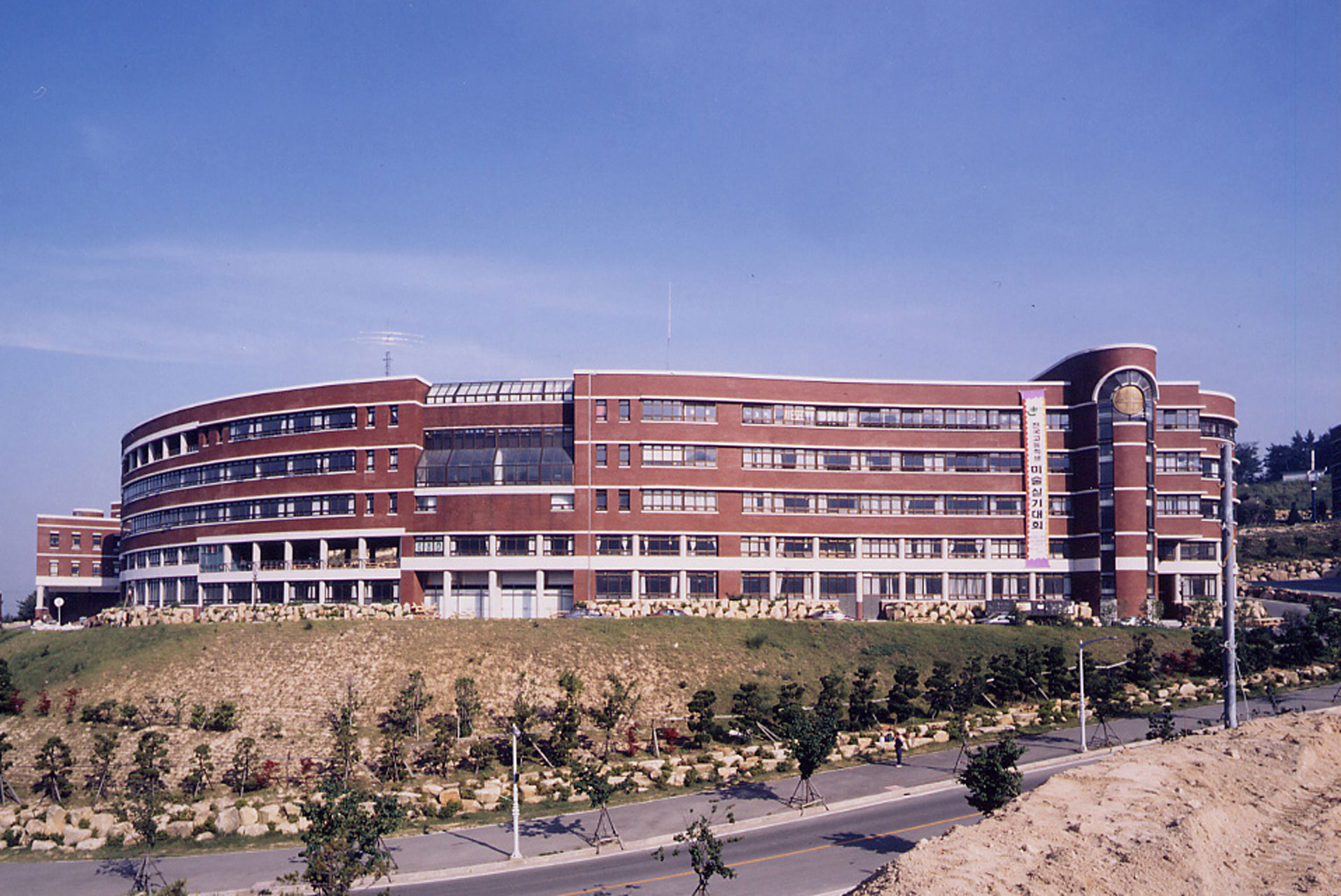
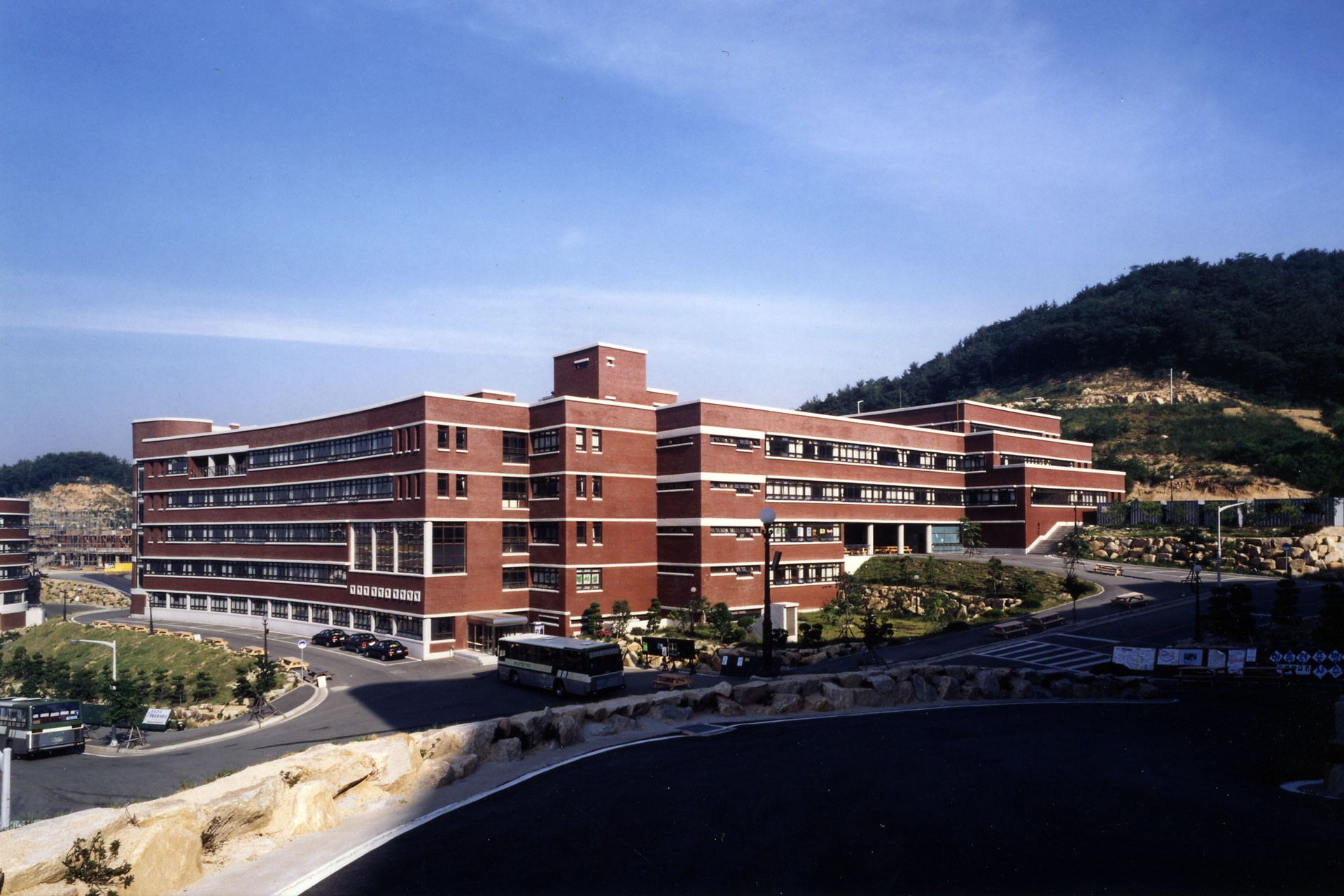
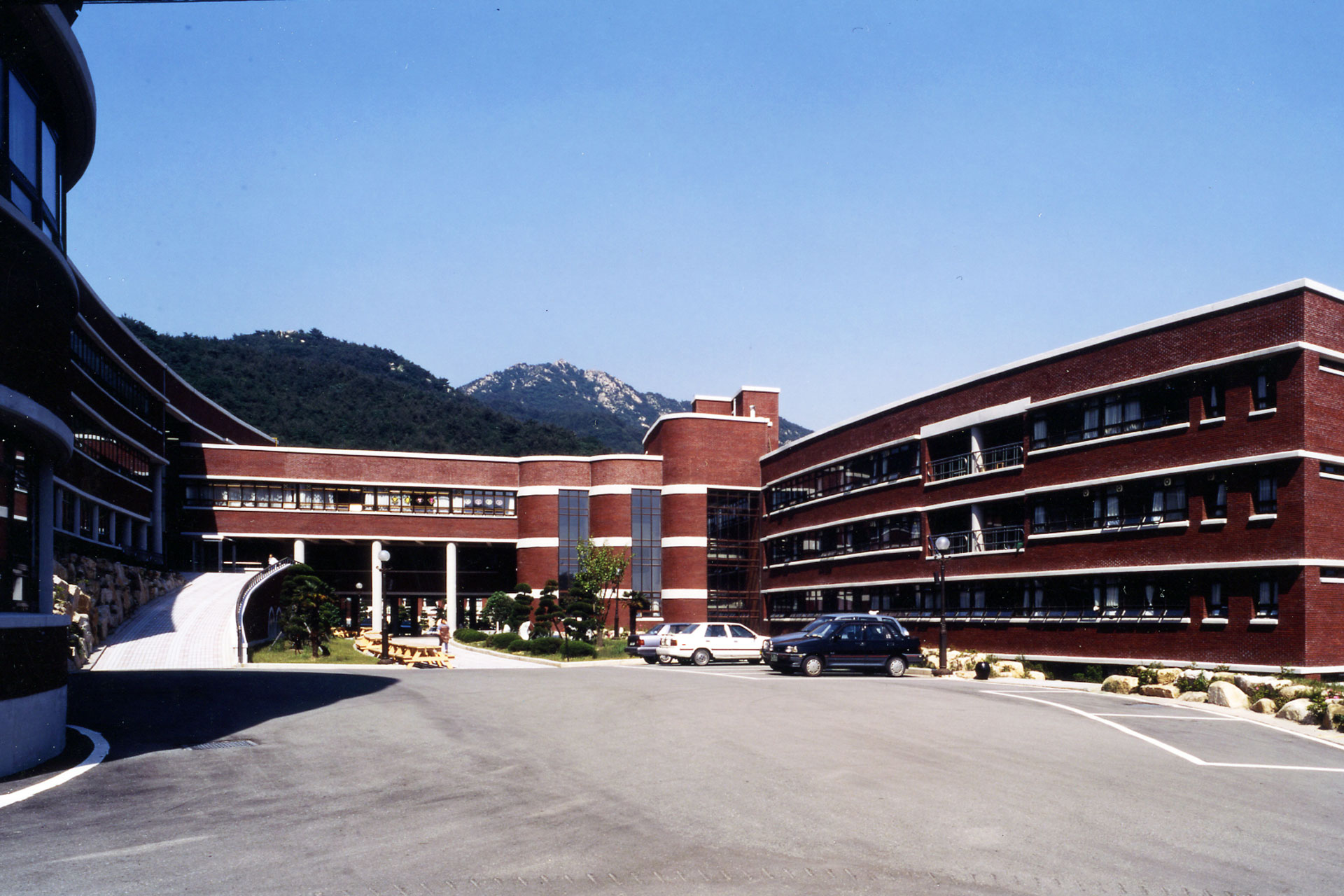
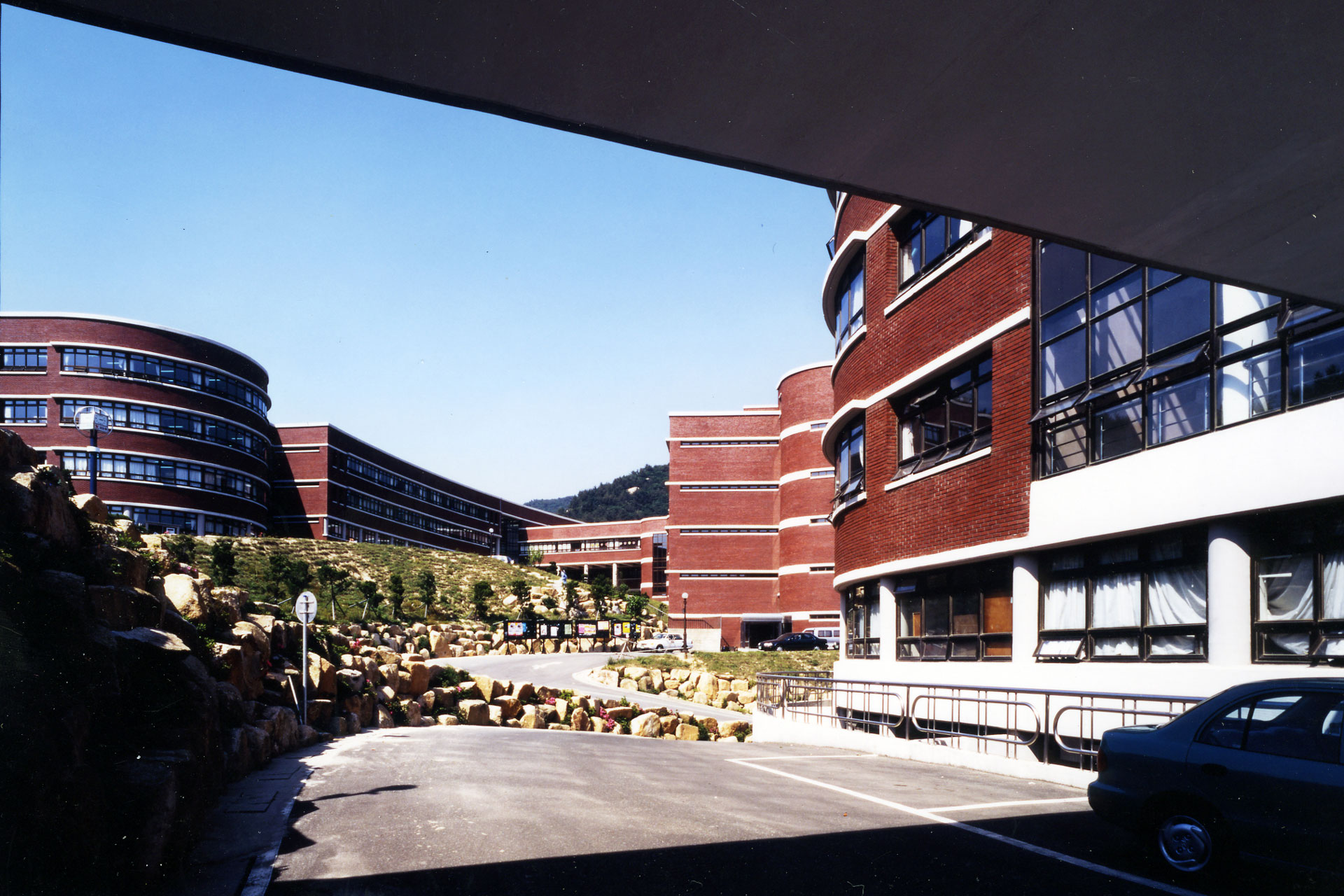
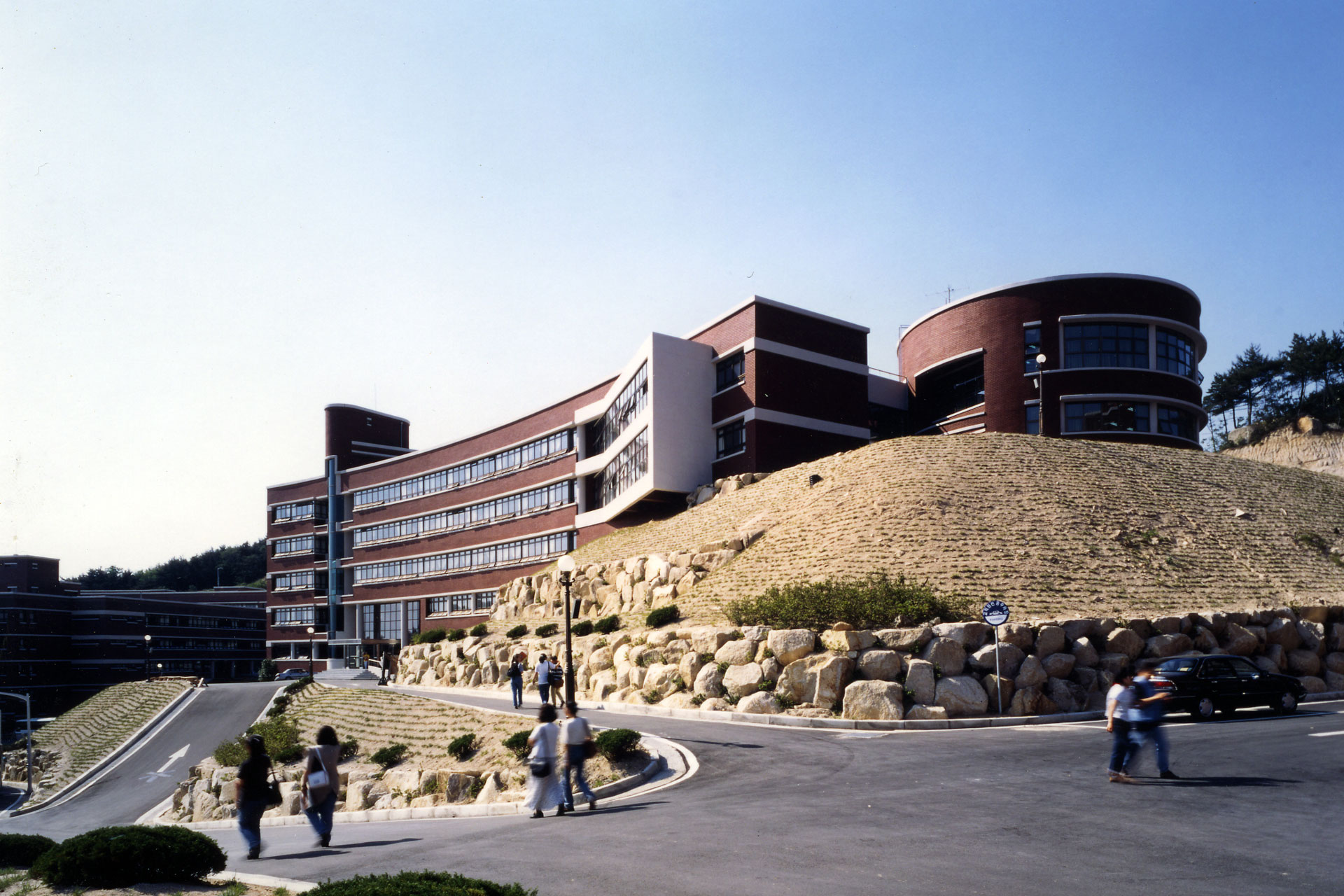
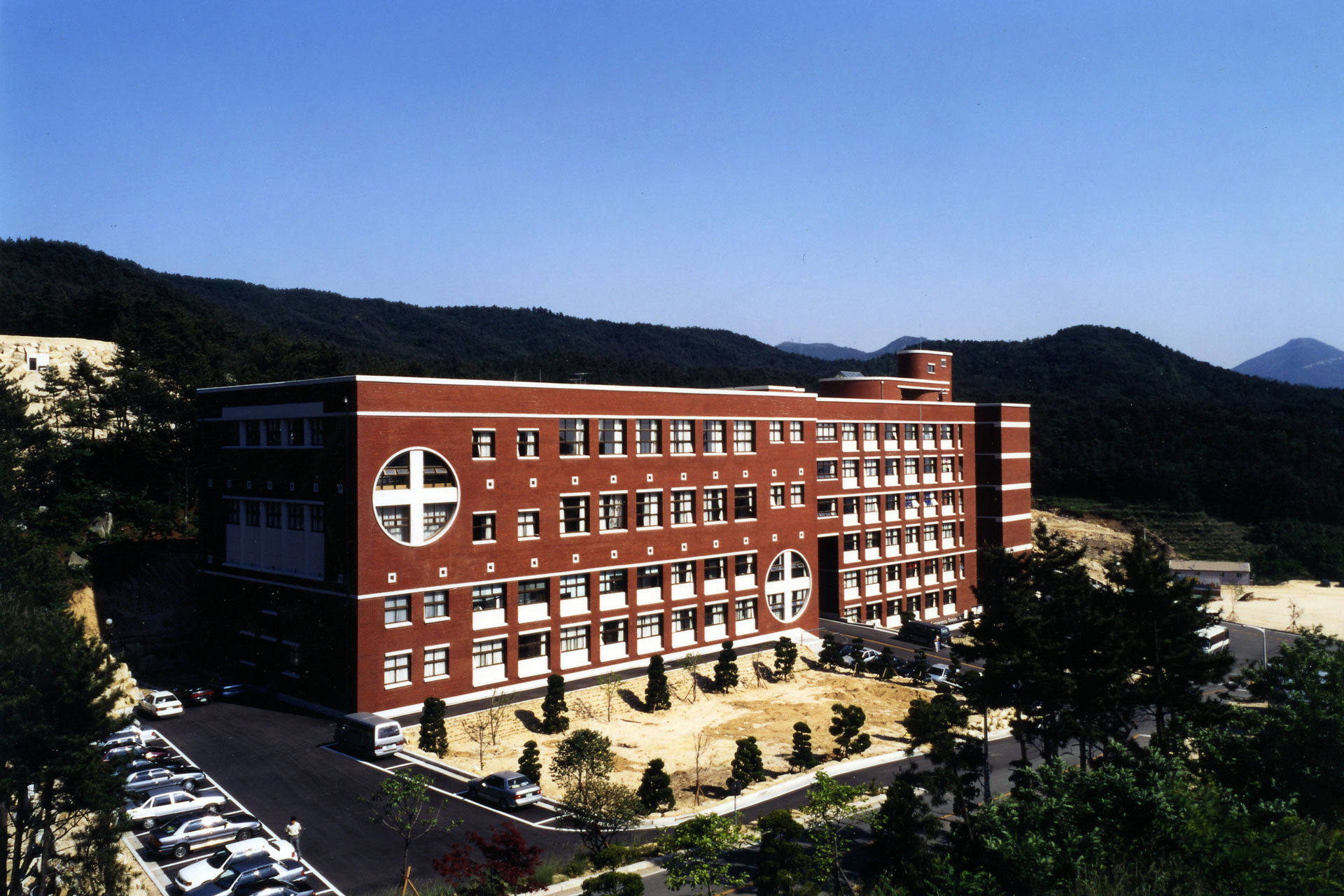
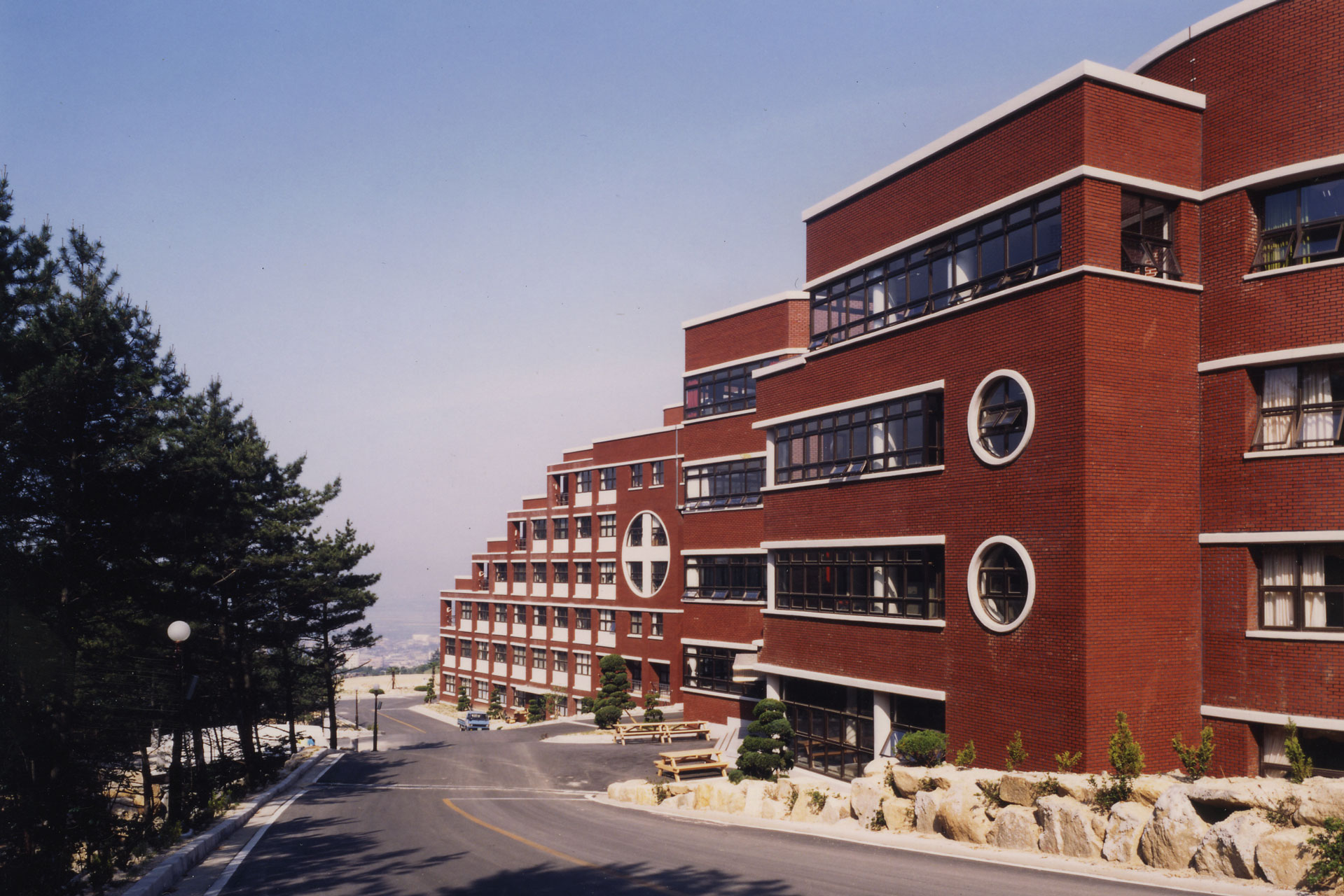
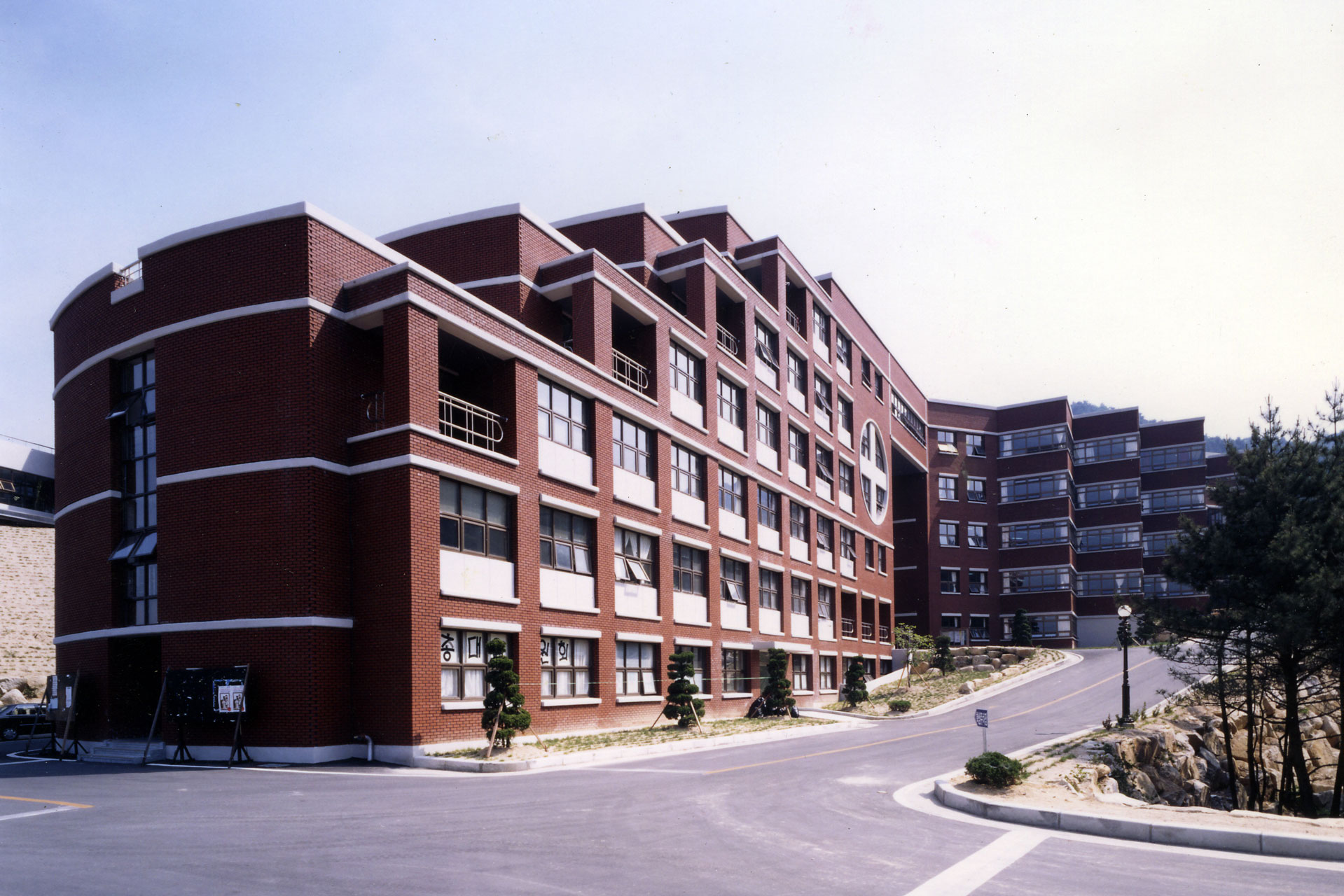
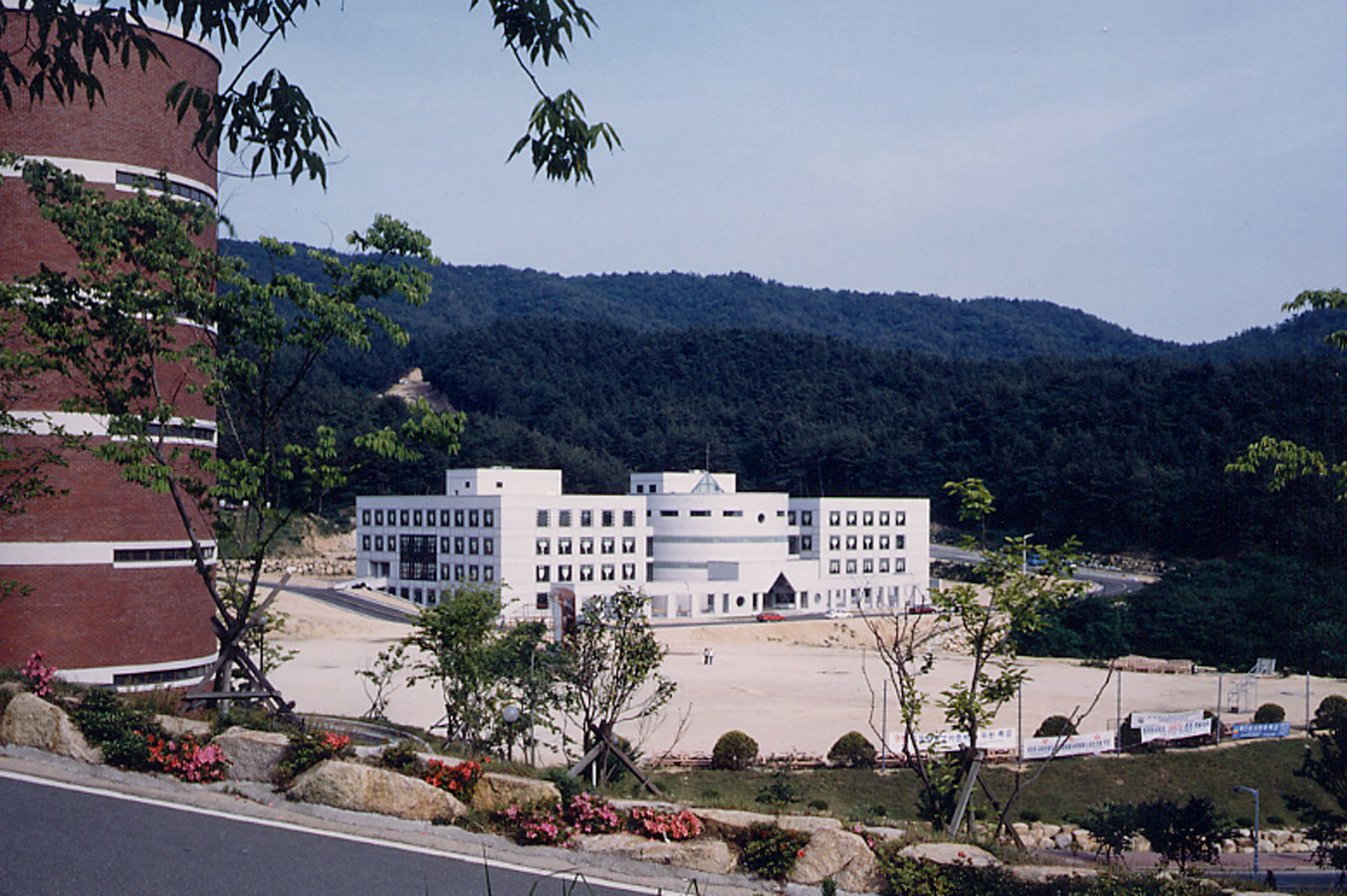
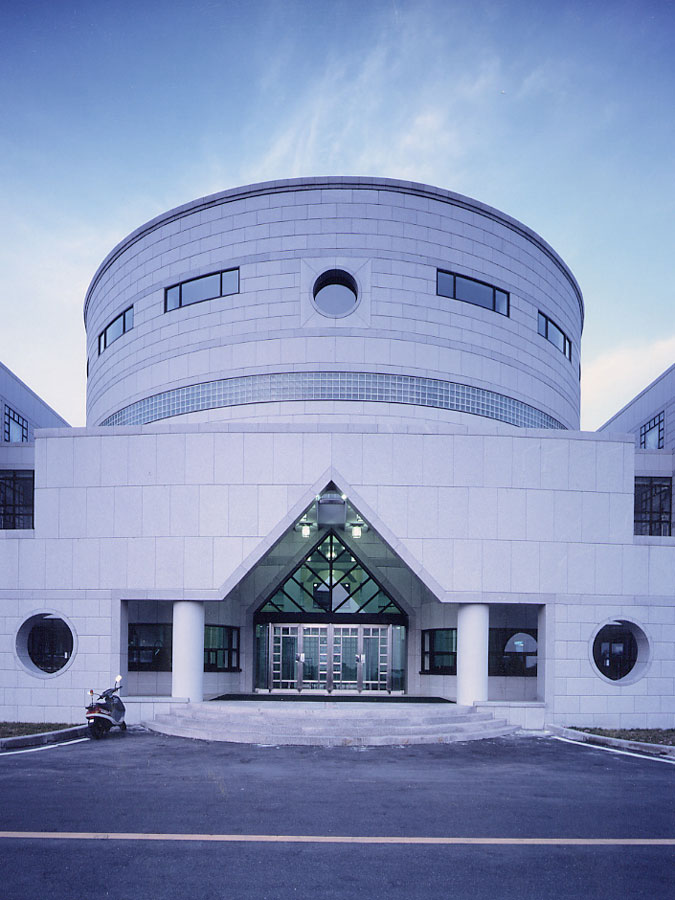
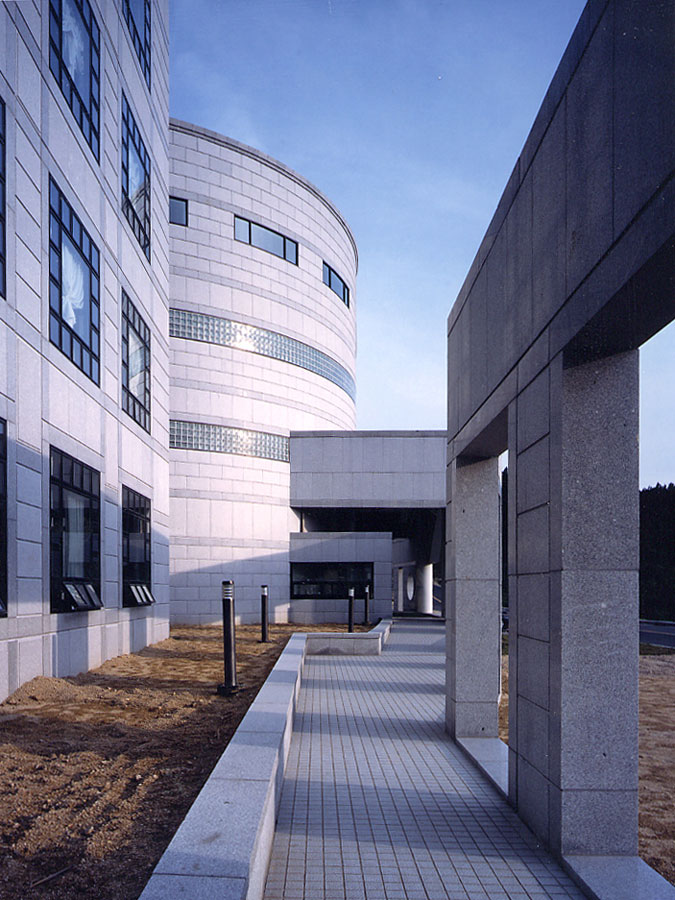
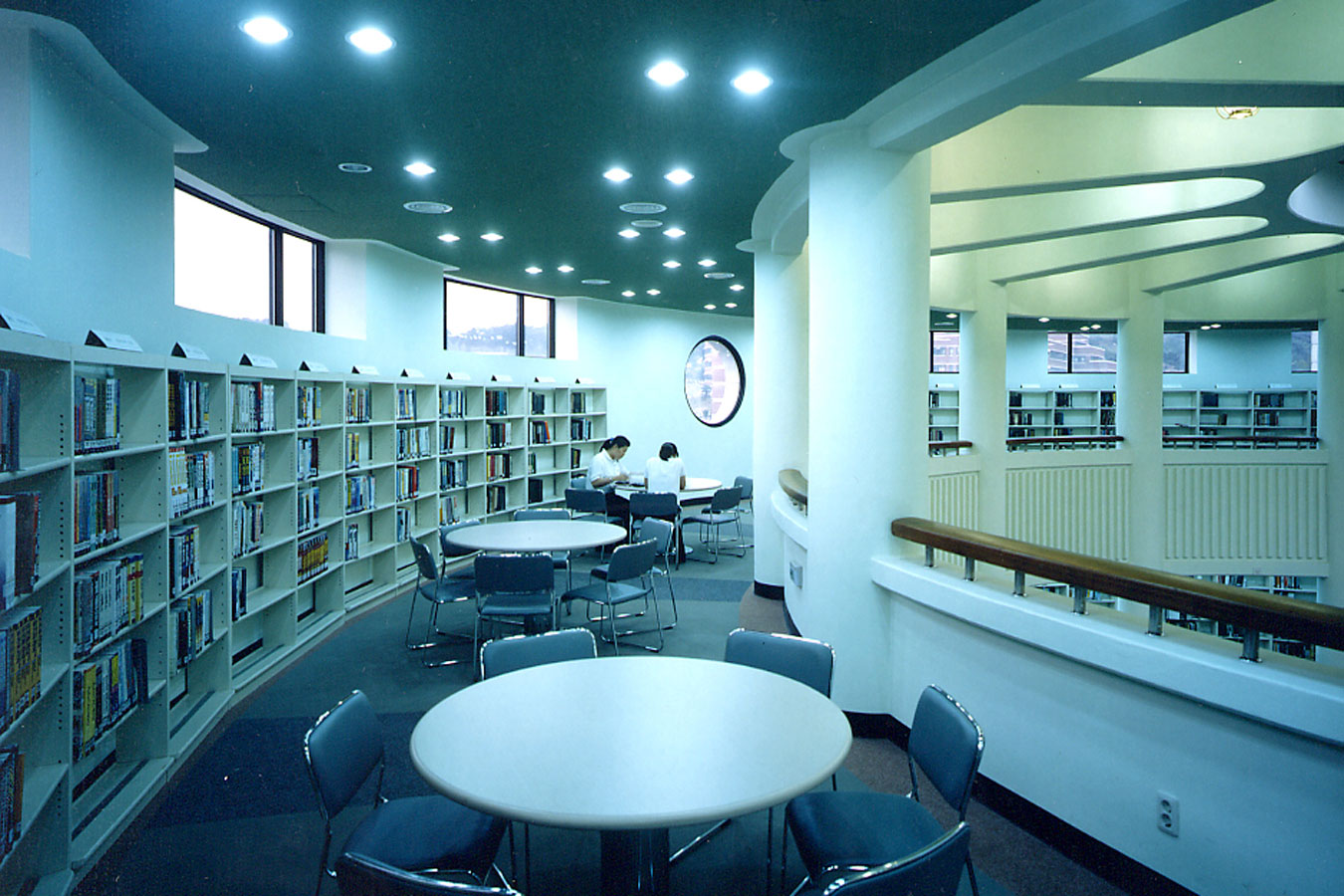
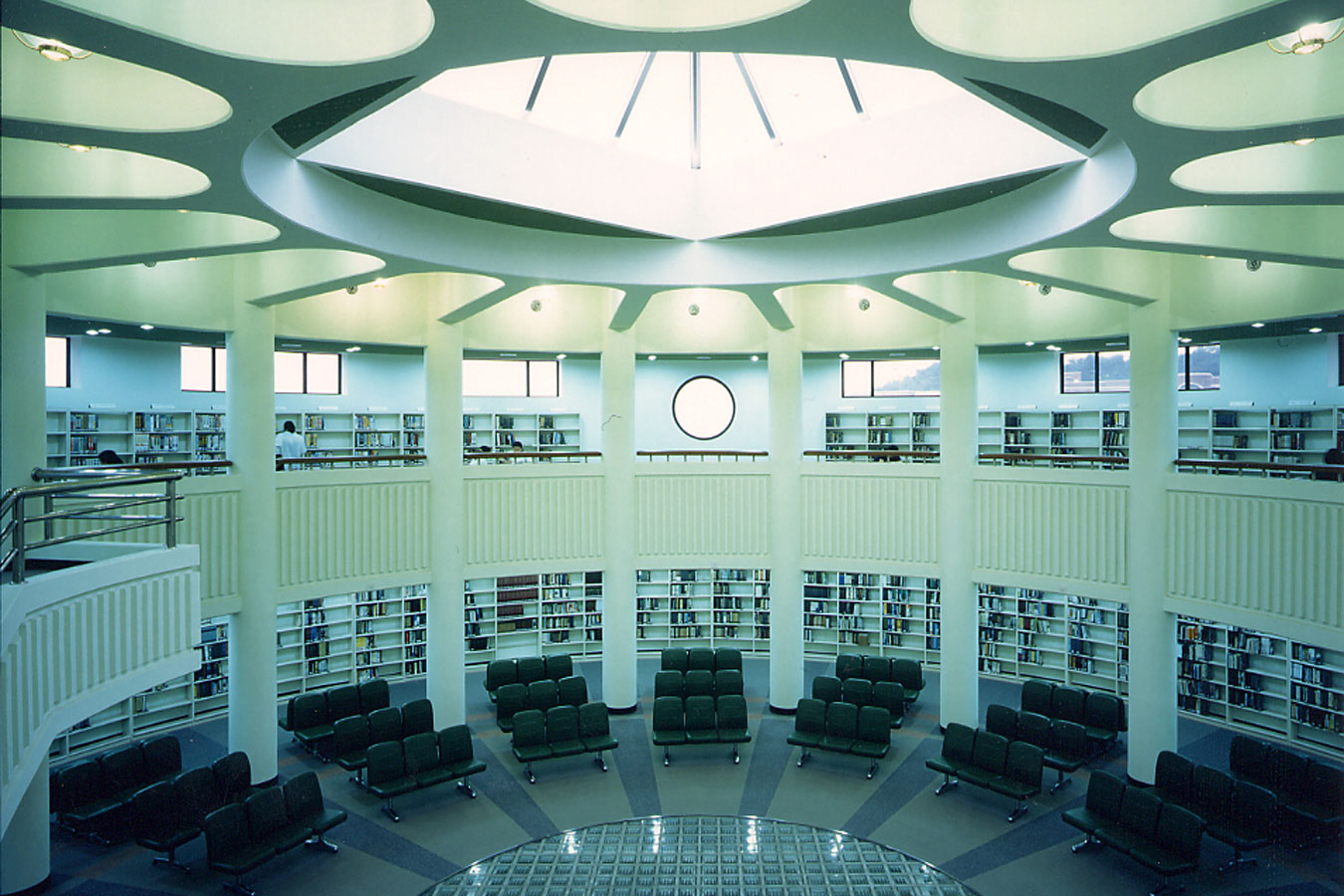
The basic concept of the Pusan Women’s University (now Shilla University) Baekyang Campus Master Plan, initiated in 1986, aimed to reinterpret the internal and external elements of each college through systematic spatial organization, materializing the entire campus as an organic living entity.
A concentric “Academic Spine” ensures individual colleges maintain independence while achieving equality within the overall space, even as the centripetal “Campus Life Spine” guides behavioral flows between college clusters and support facilities. These are organized around a campus core, with the two opposing concepts radially arranged to form a comprehensive campus image, considering natural topography, orientation, and views. This approach enables architectural interpretations from various buildings to transcend self-contained expressions, naturally reading as interdependent and complementary flows, while characterizing the master plan alongside centrifugal spaces reserved for future campus growth.
Archive

-
Status
Completed
-
Client
Parkyoung Academy
-
Program
Education
-
Design Year
1986
-
Completion Year
1994
-
Location
Sasang-gu, Busan
-
Site area
796,310.00m2
The basic concept of the Pusan Women’s University (now Shilla University) Baekyang Campus Master Plan, initiated in 1986, aimed to reinterpret the internal and external elements of each college through systematic spatial organization, materializing the entire campus as an organic living entity.
A concentric “Academic Spine” ensures individual colleges maintain independence while achieving equality within the overall space, even as the centripetal “Campus Life Spine” guides behavioral flows between college clusters and support facilities. These are organized around a campus core, with the two opposing concepts radially arranged to form a comprehensive campus image, considering natural topography, orientation, and views. This approach enables architectural interpretations from various buildings to transcend self-contained expressions, naturally reading as interdependent and complementary flows, while characterizing the master plan alongside centrifugal spaces reserved for future campus growth.
Archive