Close
![Popup Image]()
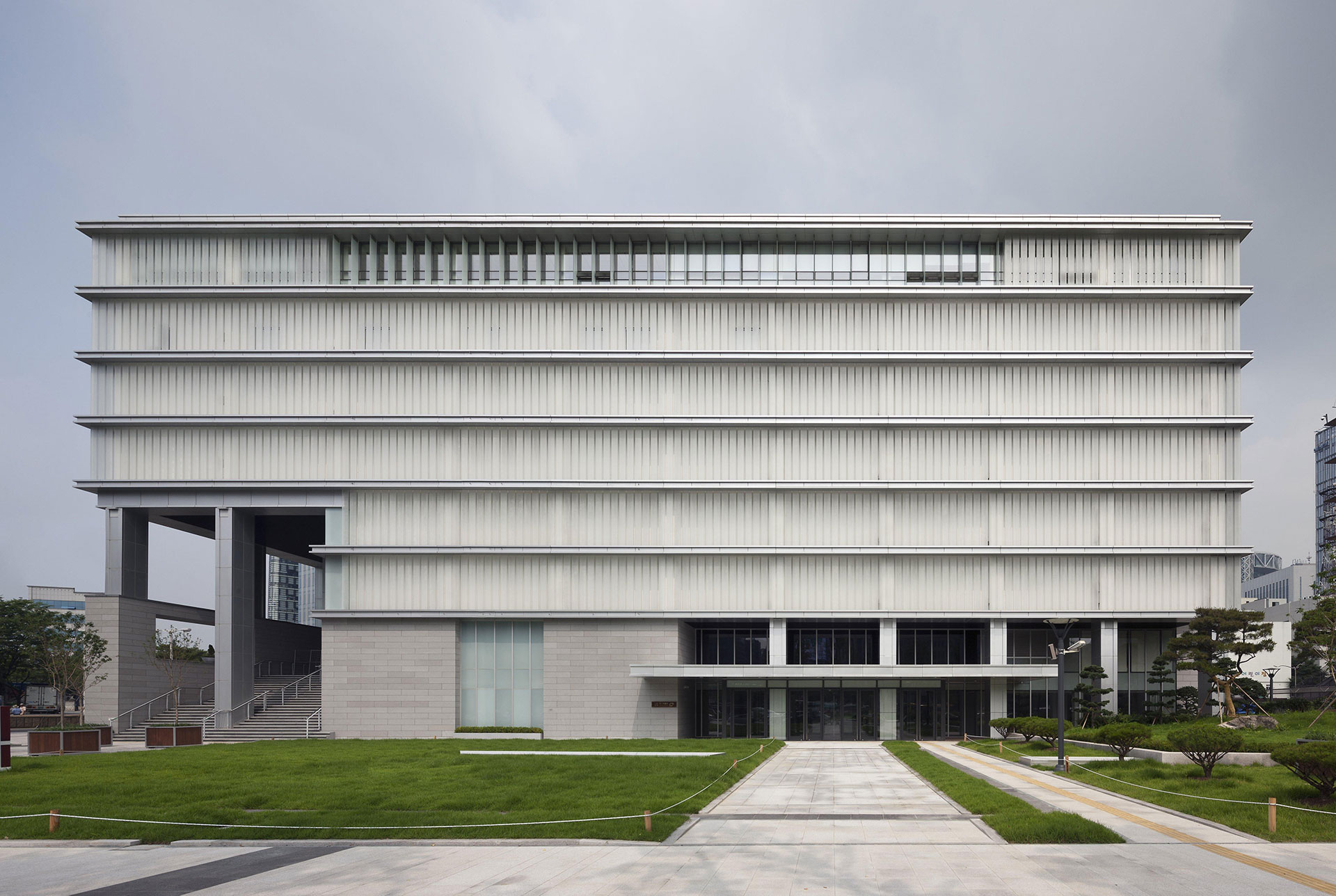
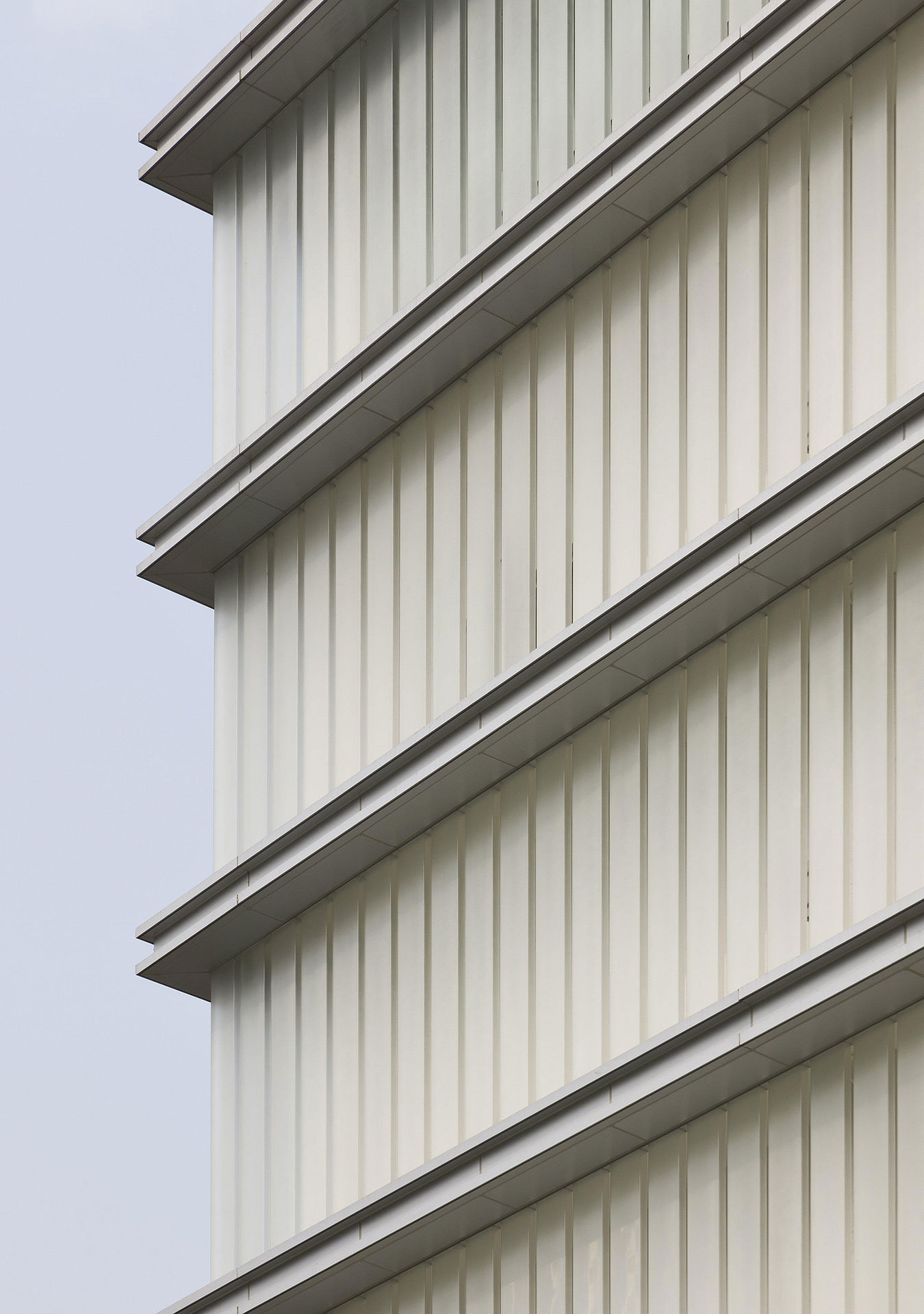
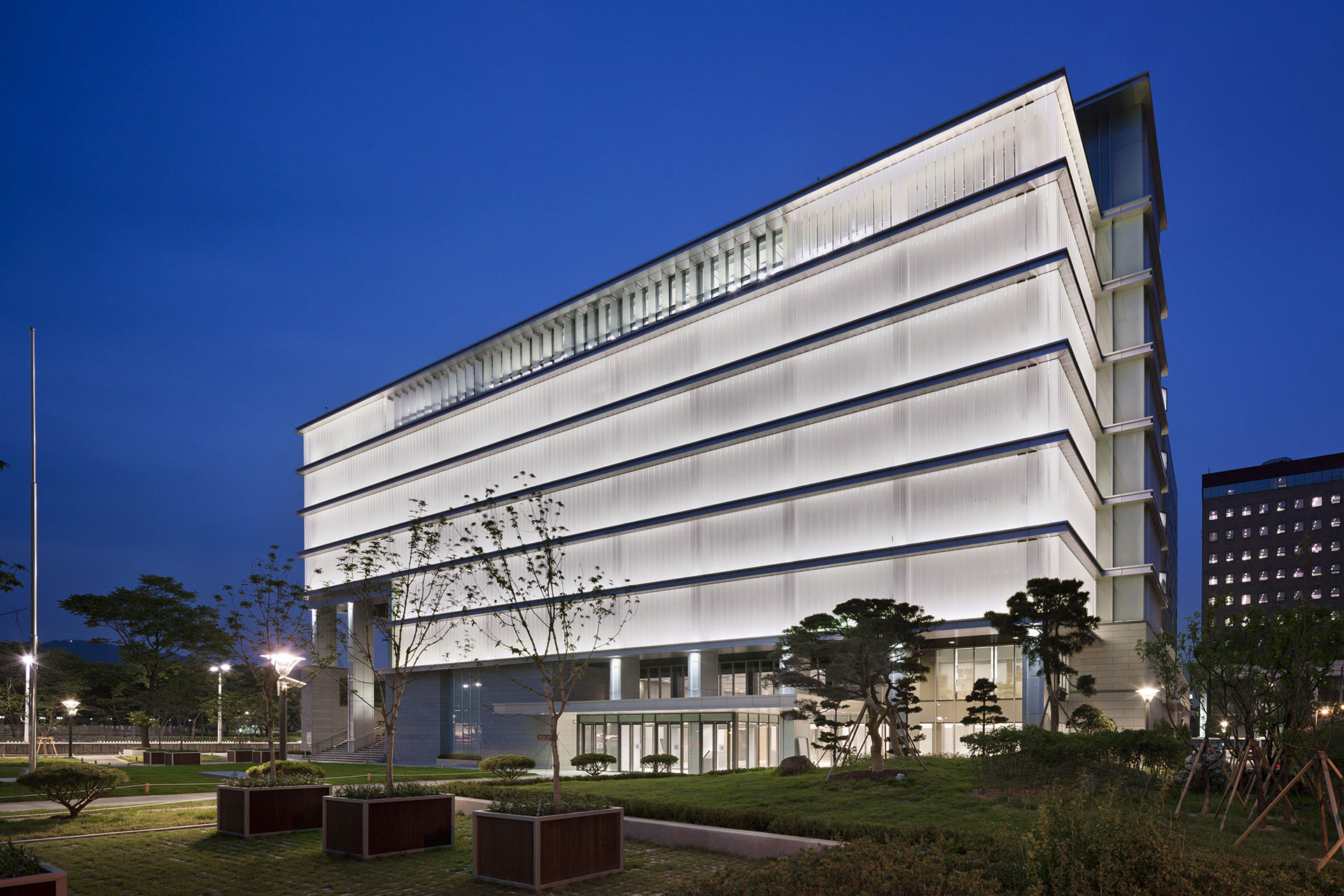
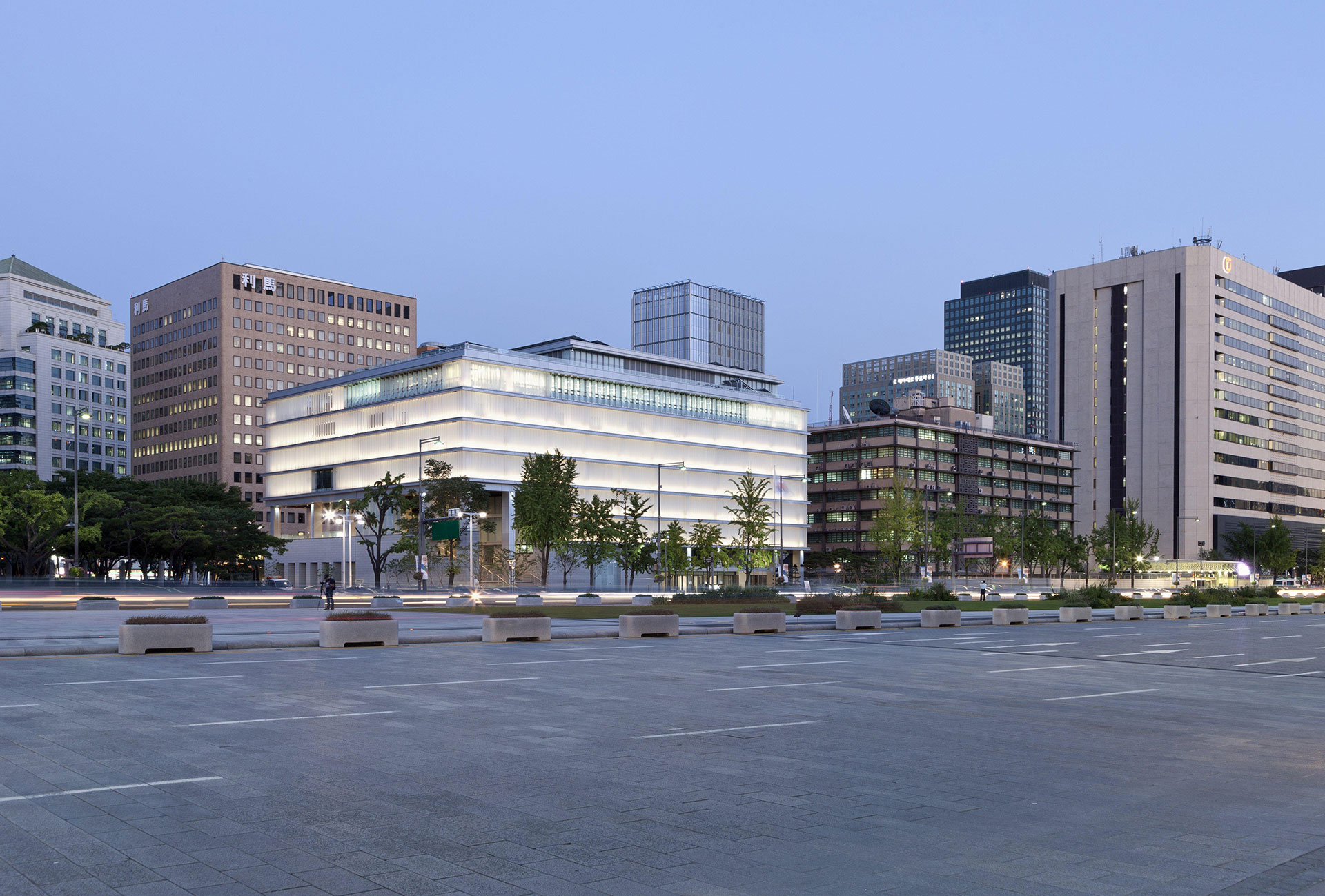
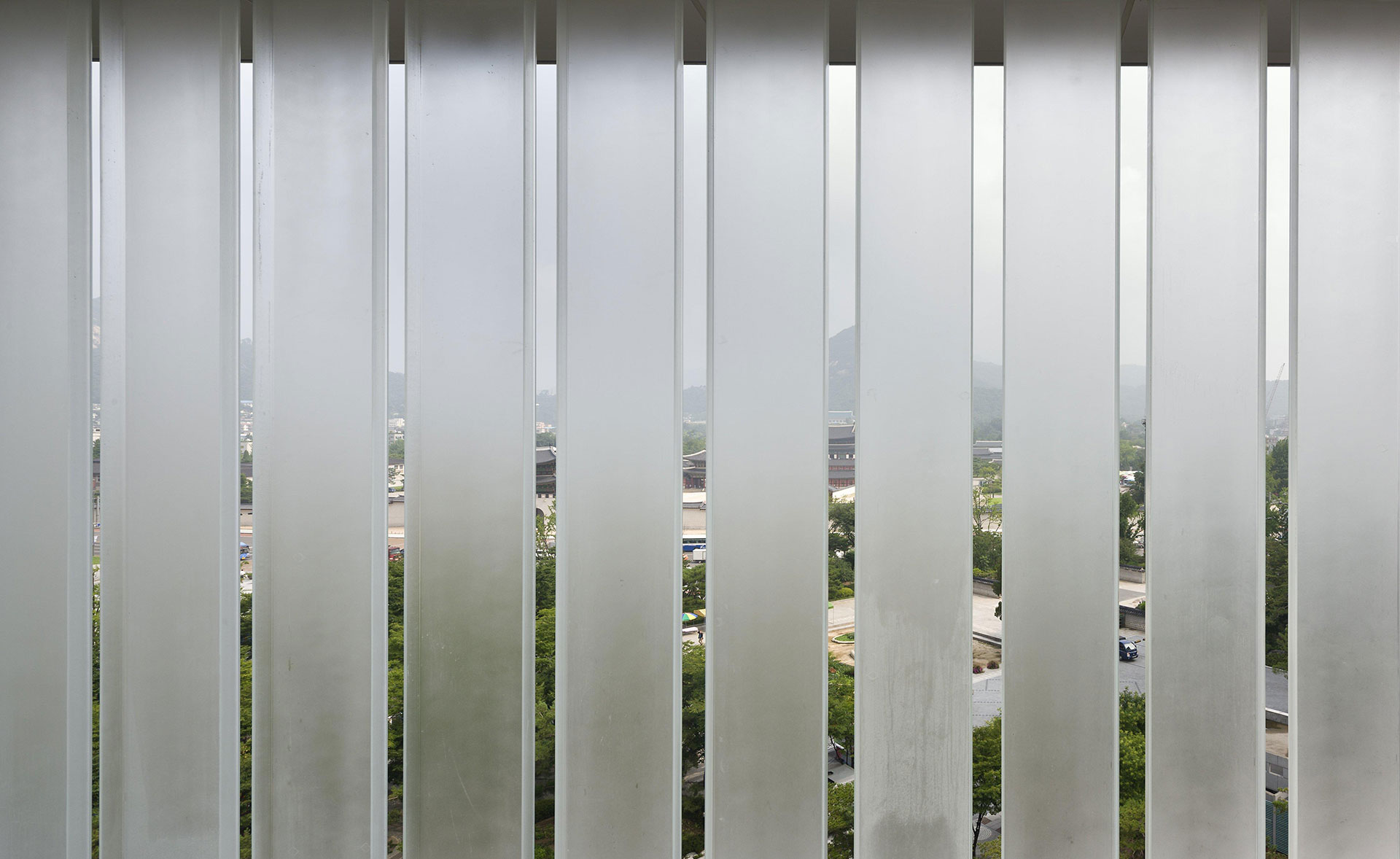
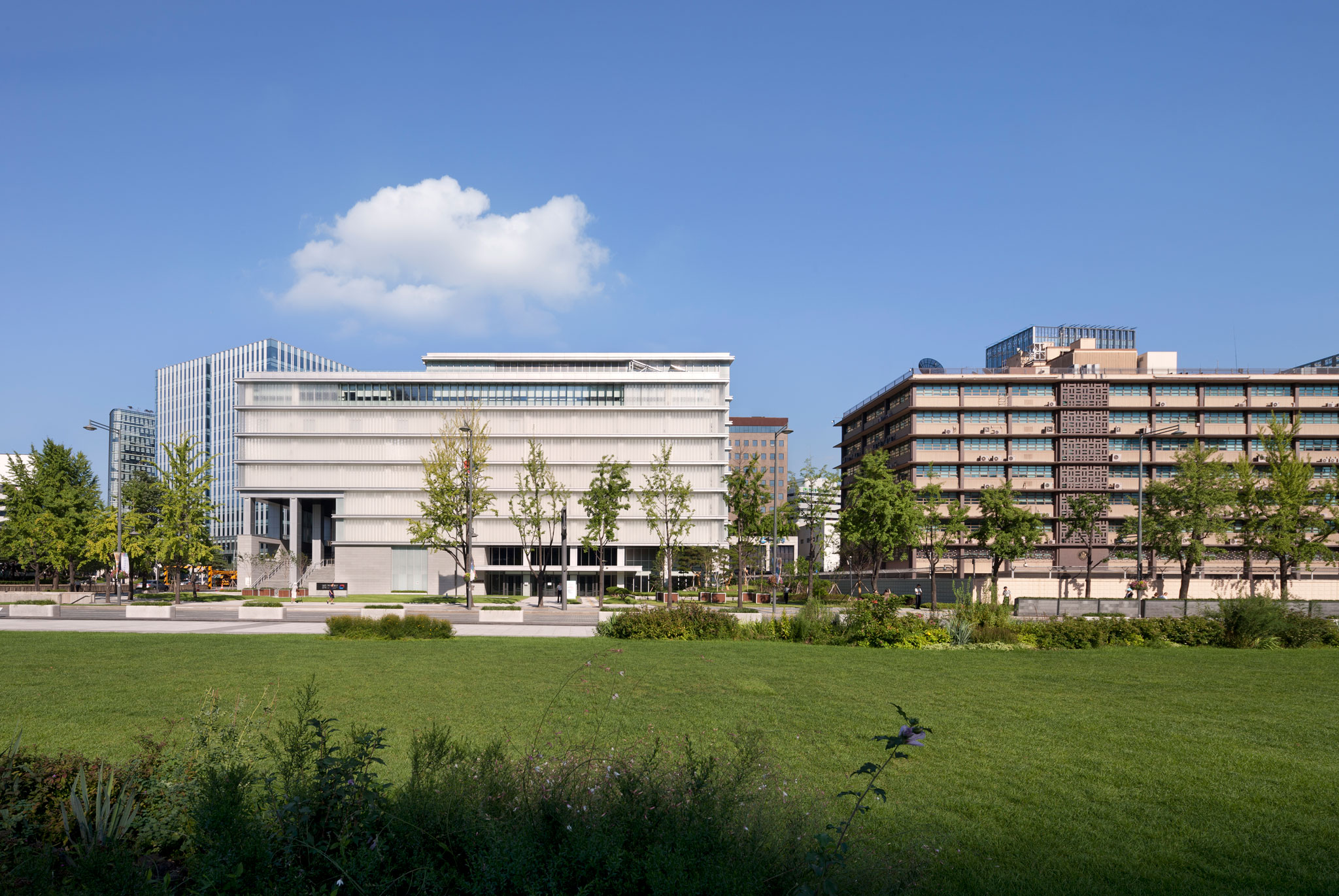
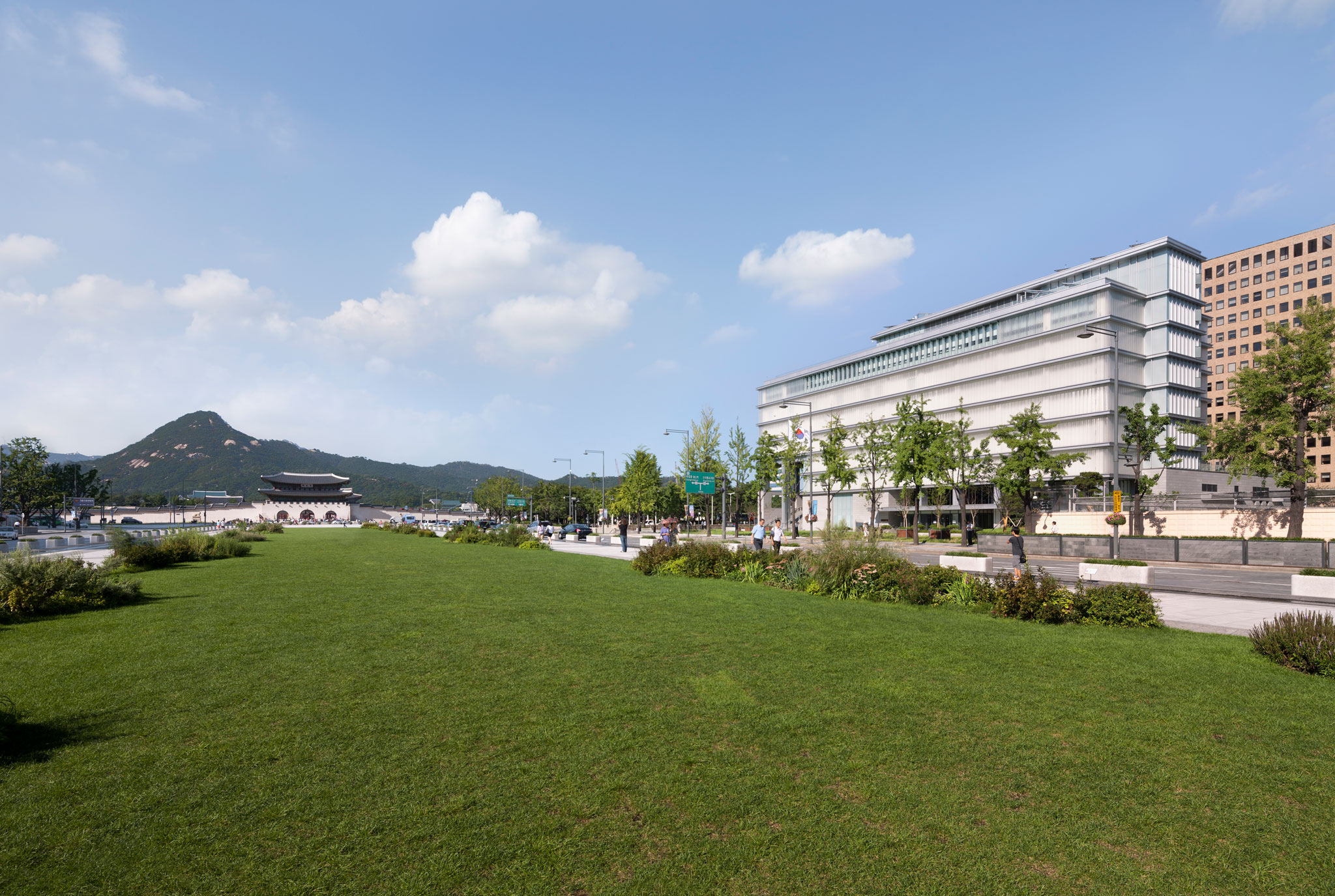
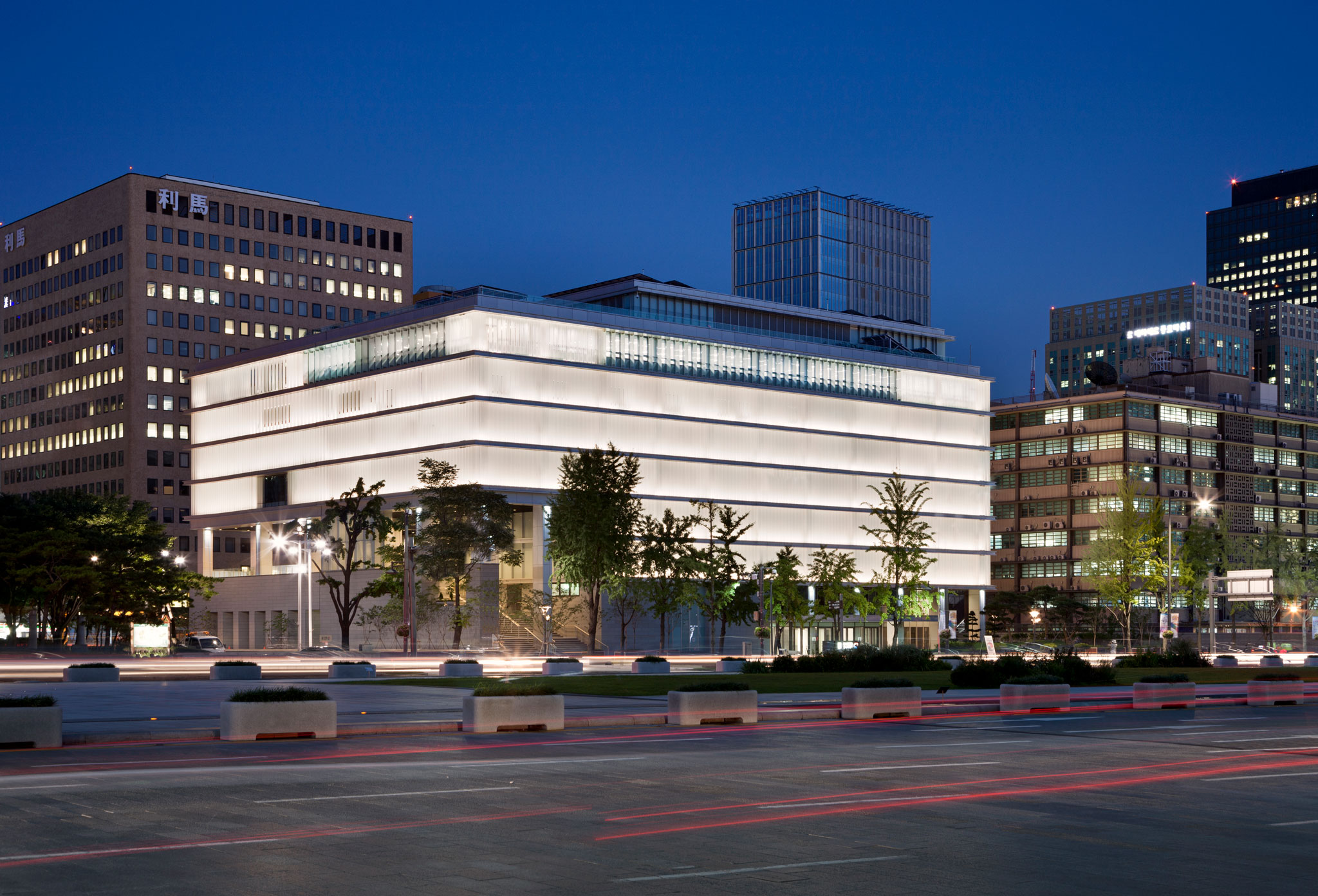
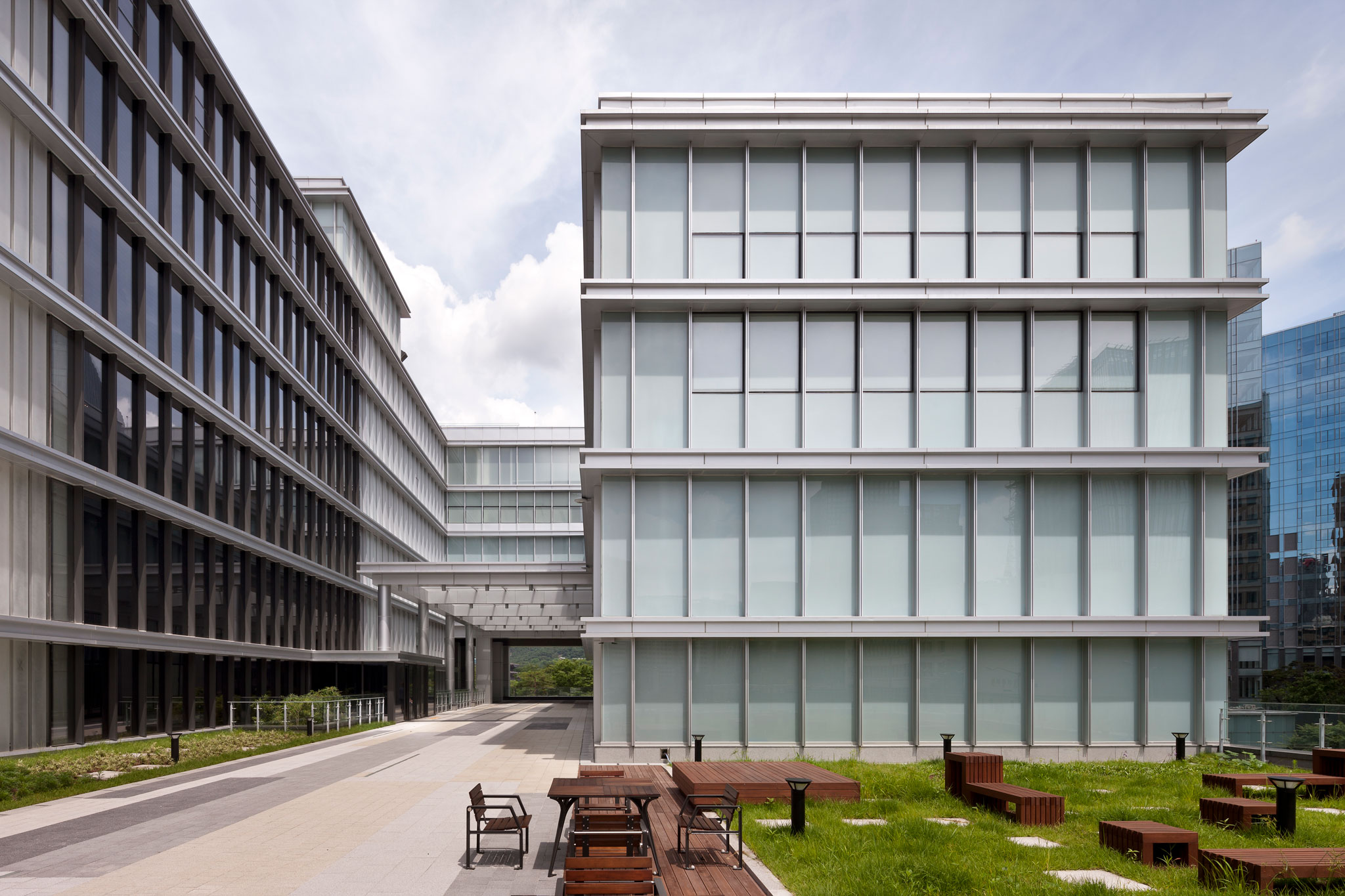
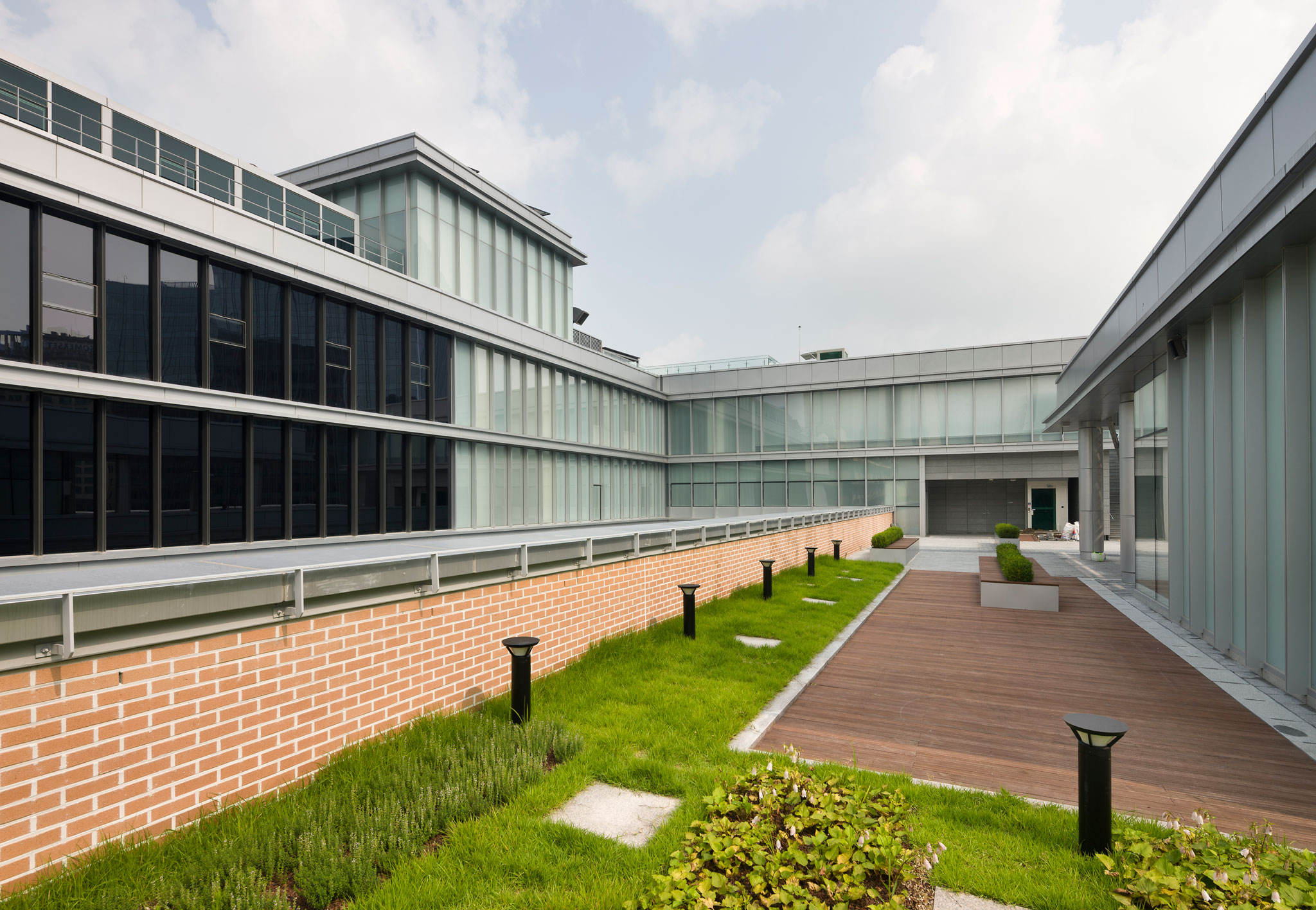
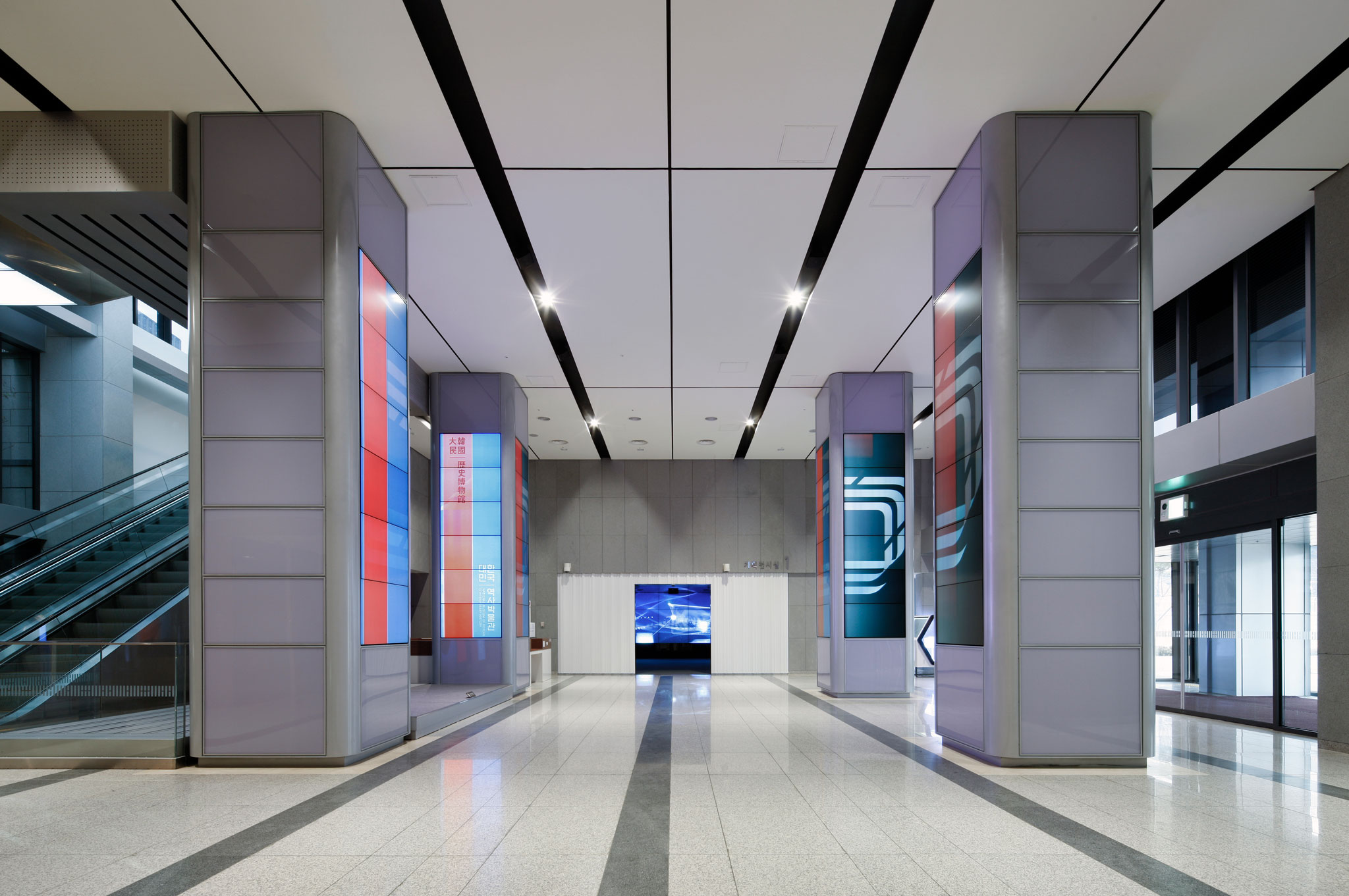
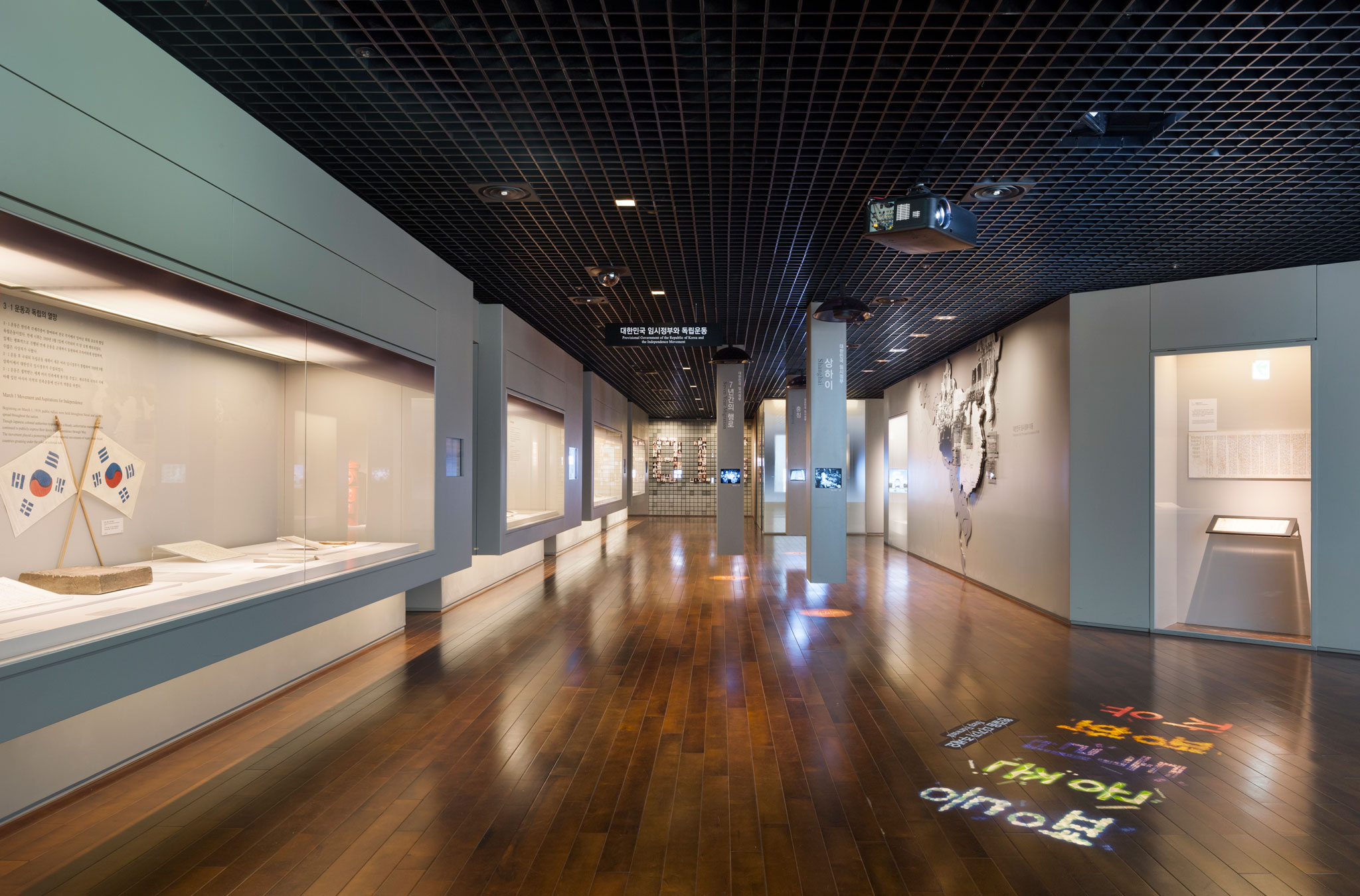
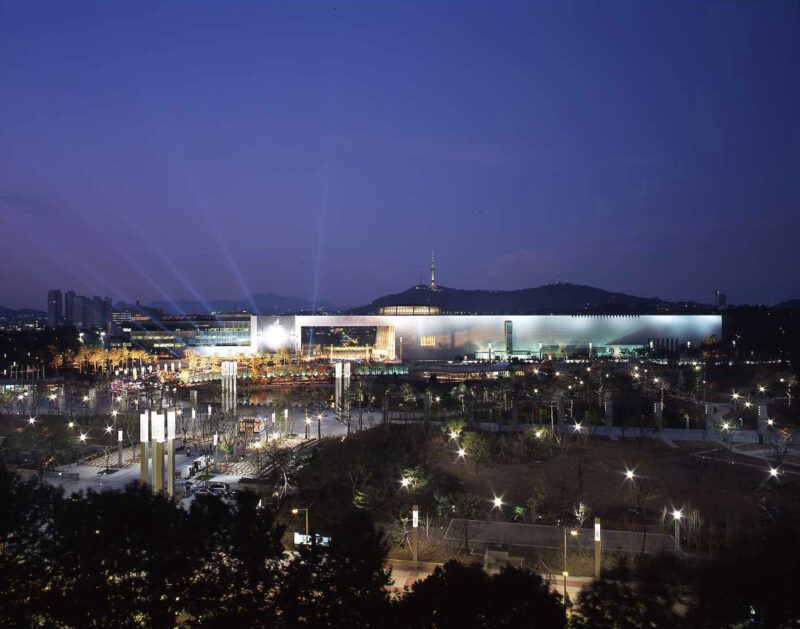
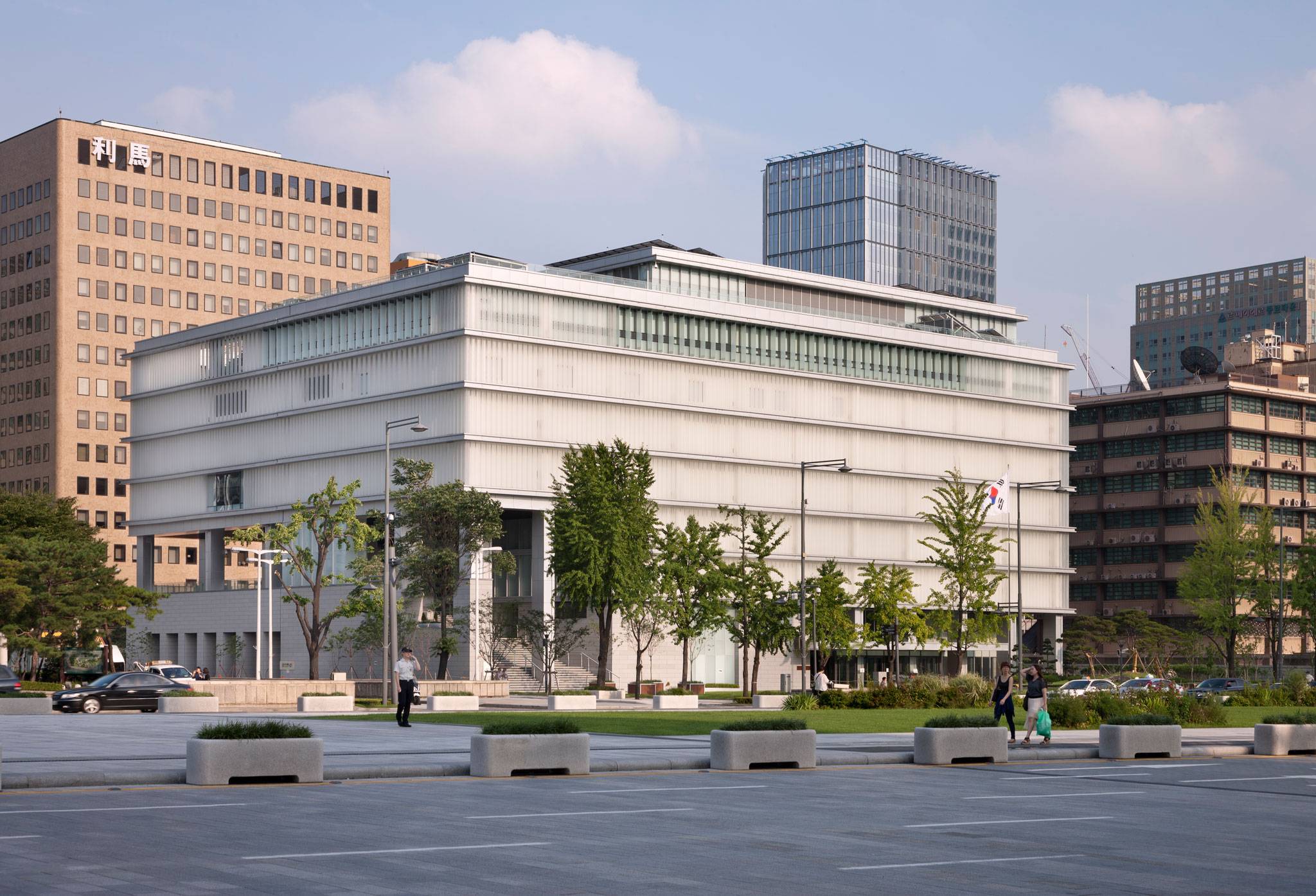
The National Museum of Korean Contemporary History was designed around three key concepts. First, it involved the remodeling of the Ministry of Culture, Sports and Tourism building, which has been in use since the 1960s. This carries the meaning of preserving the memories of the building that has stood alongside Korea’s modern and contemporary history at Gwanghwamun Square. Second, the site holds symbolic significance as the starting point of an axis beginning from Gyeongbokgung Palace of the Joseon Dynasty era, continuing through Mt. Namsan and the Han River. The design planned an exterior that embodies Korea’s symbolic image while securing symbolic frontality toward Gwanghwamun Square and Gyeongbokgung Palace, expressing a metaphorical gentleness. Third, the museum serves as a vessel narrating Korea’s modern and contemporary history. The exhibition spaces symbolize layers of past traces; as a place where time accumulates, the surrounding urban relationships and memories blend with the exhibits to form a “memory-filled promenade.”
Over 60% of the existing structural framework of the Ministry of Culture, Sports and Tourism building was reused, and triple glazing was applied to improve insulation performance. The design maximizes daylight and includes eco-friendly planning through artificial ground greening.
In the Press
- [C3] A quiet backdrop revealing the square’s space and time
- [Chosun Ilbo] National Museum of Korean Contemporary History Reveals ‘White Porcelain Exterior’
Video

-
Status
Completed
-
Awards
- 2013 Korean Architecture Award_ Prime Minister's Award
- 2013 Korean Remodeling Architecture Award_ Merit Award
- 2012 Seoul Architecture Award_ Excellence Award
- 2012 Korea Green Building Award_ Merit Award
-
Order
Ministry of Culture, Sports and Tourism
-
Purpose
Renovation, Cultural, Public
-
Design Year
2010
-
Completion Year
2012
-
Location
Jongro-gu, Seoul
-
Site area
6,444.70m2
-
Gross Floor Area
10,733.76m2
-
Building Area
2,857.22m2
-
Scale
8F
-
Architecture
-
Participation
The National Museum of Korean Contemporary History was designed around three key concepts. First, it involved the remodeling of the Ministry of Culture, Sports and Tourism building, which has been in use since the 1960s. This carries the meaning of preserving the memories of the building that has stood alongside Korea’s modern and contemporary history at Gwanghwamun Square. Second, the site holds symbolic significance as the starting point of an axis beginning from Gyeongbokgung Palace of the Joseon Dynasty era, continuing through Mt. Namsan and the Han River. The design planned an exterior that embodies Korea’s symbolic image while securing symbolic frontality toward Gwanghwamun Square and Gyeongbokgung Palace, expressing a metaphorical gentleness. Third, the museum serves as a vessel narrating Korea’s modern and contemporary history. The exhibition spaces symbolize layers of past traces; as a place where time accumulates, the surrounding urban relationships and memories blend with the exhibits to form a “memory-filled promenade.”
Over 60% of the existing structural framework of the Ministry of Culture, Sports and Tourism building was reused, and triple glazing was applied to improve insulation performance. The design maximizes daylight and includes eco-friendly planning through artificial ground greening.
In the Press
- [C3] A quiet backdrop revealing the square’s space and time
- [Chosun Ilbo] National Museum of Korean Contemporary History Reveals ‘White Porcelain Exterior’
Video