Close
![Popup Image]()
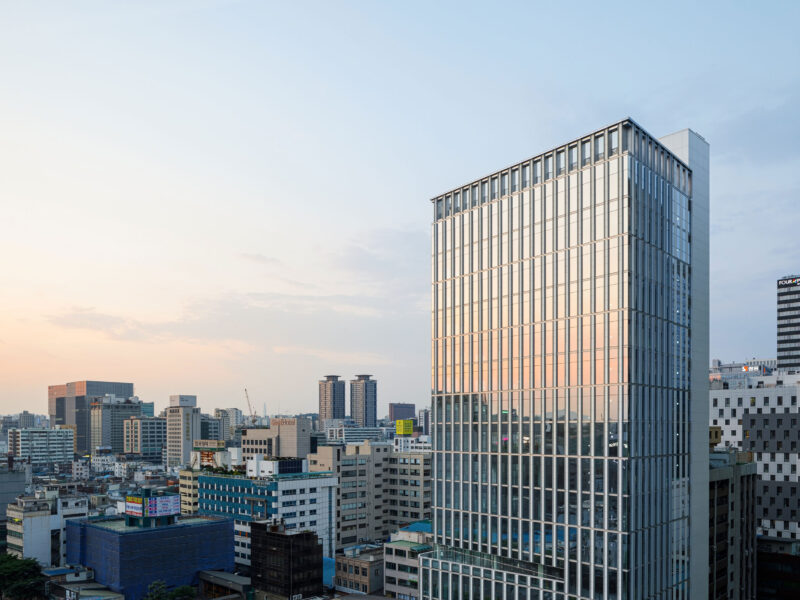
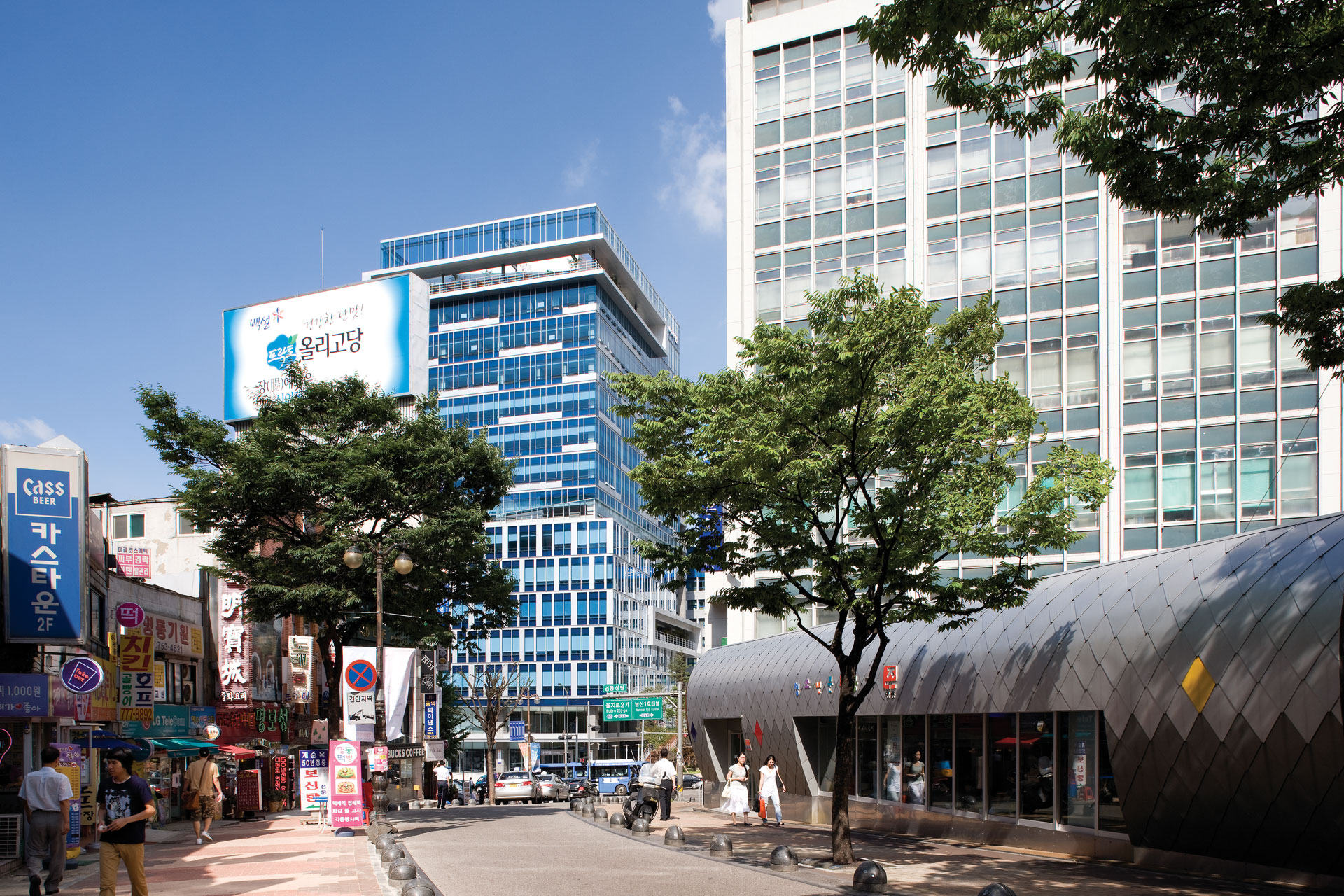
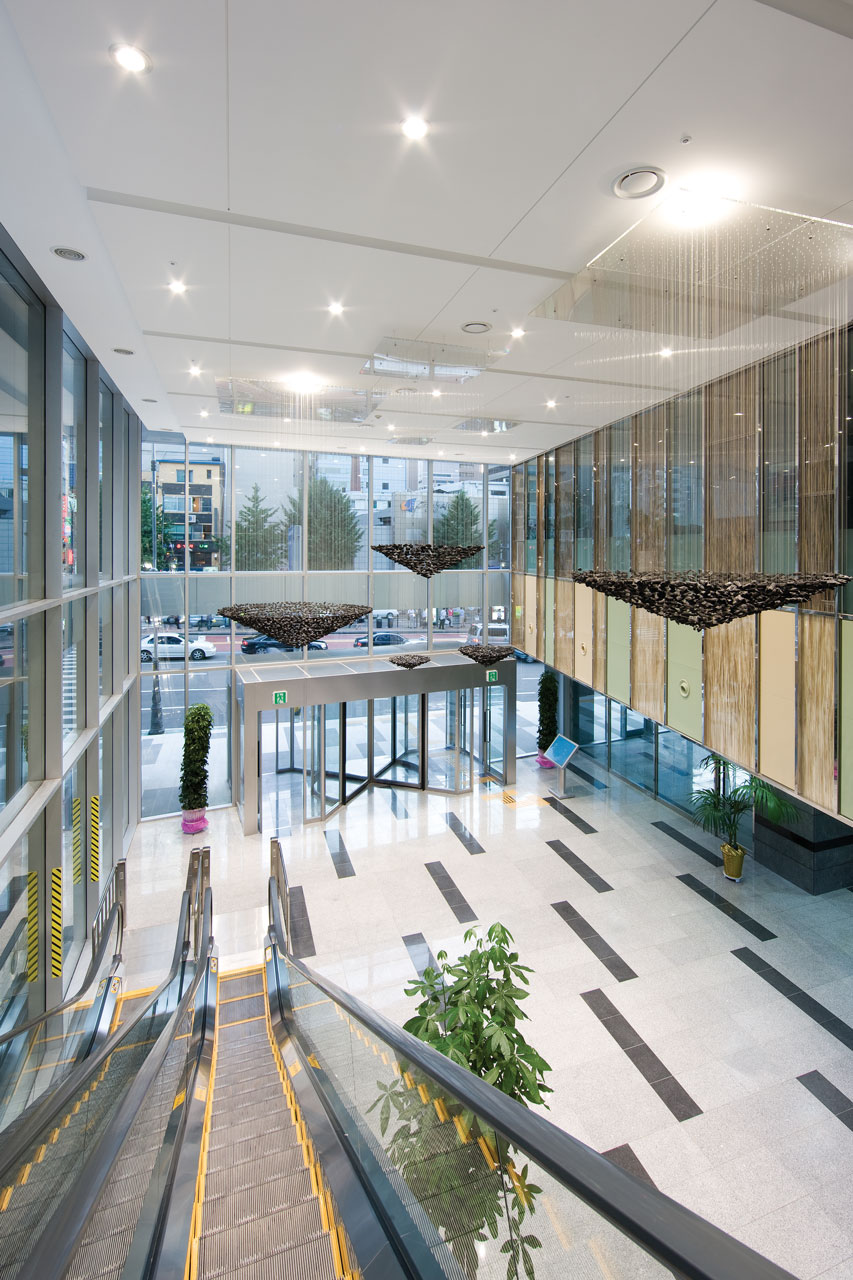
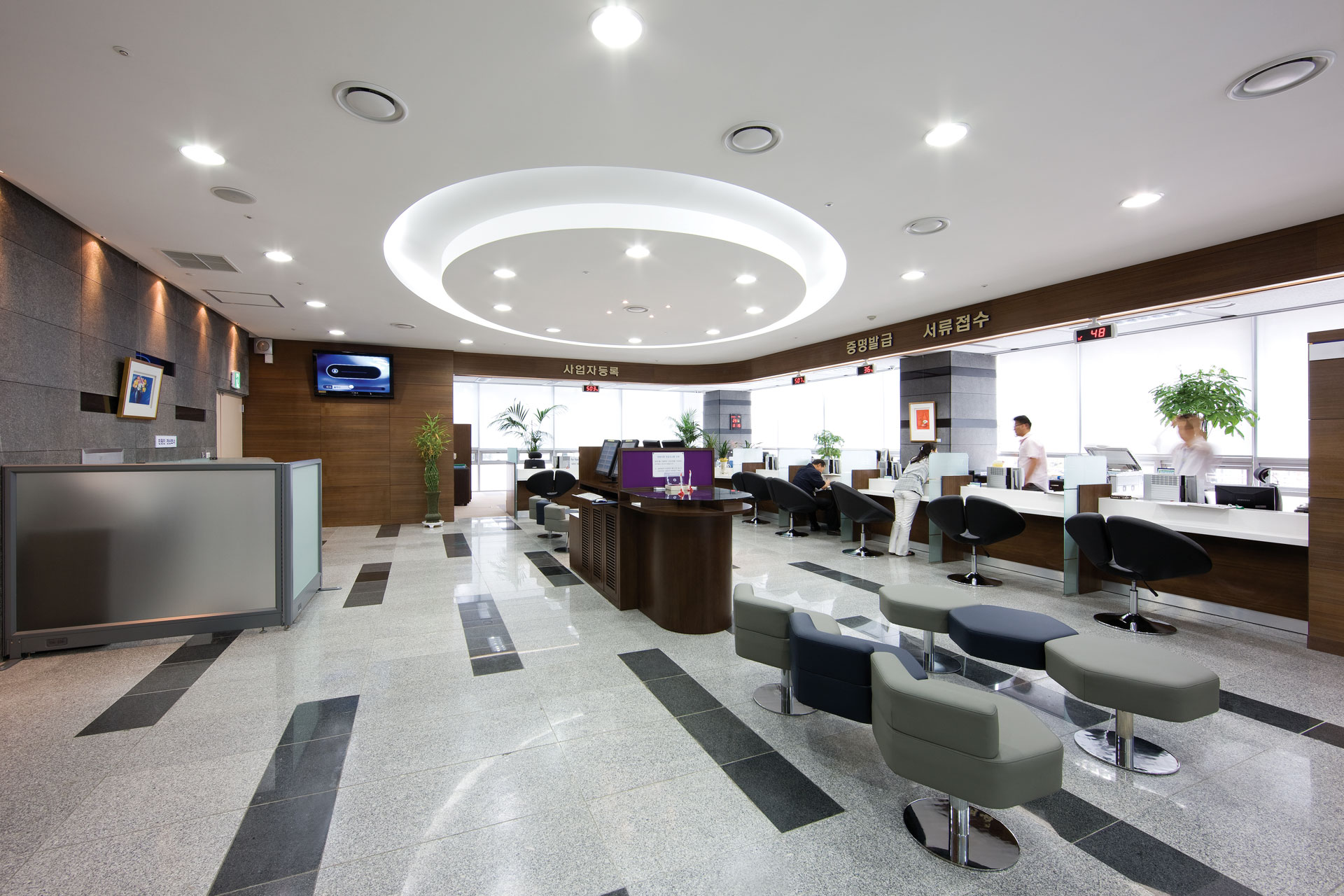
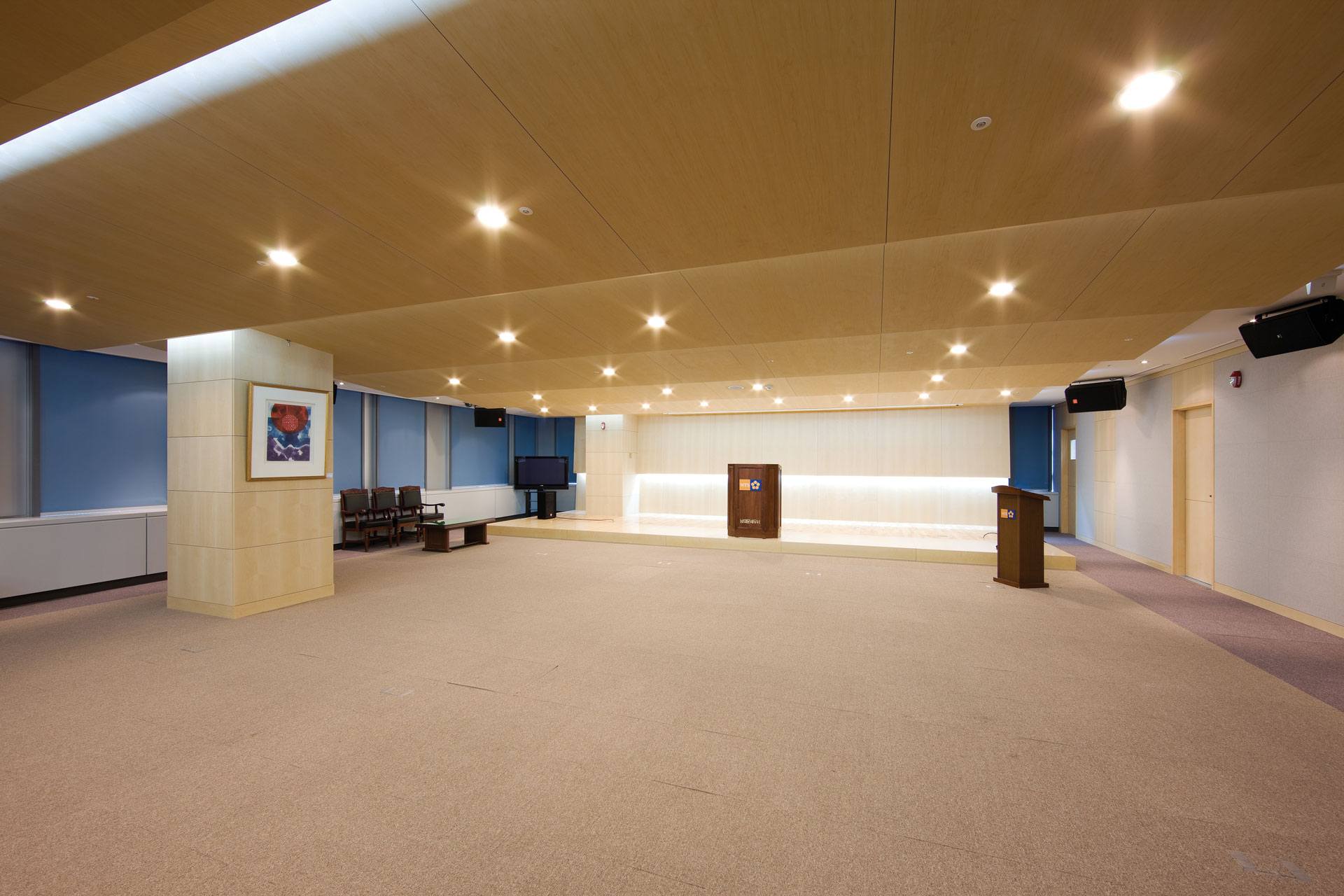
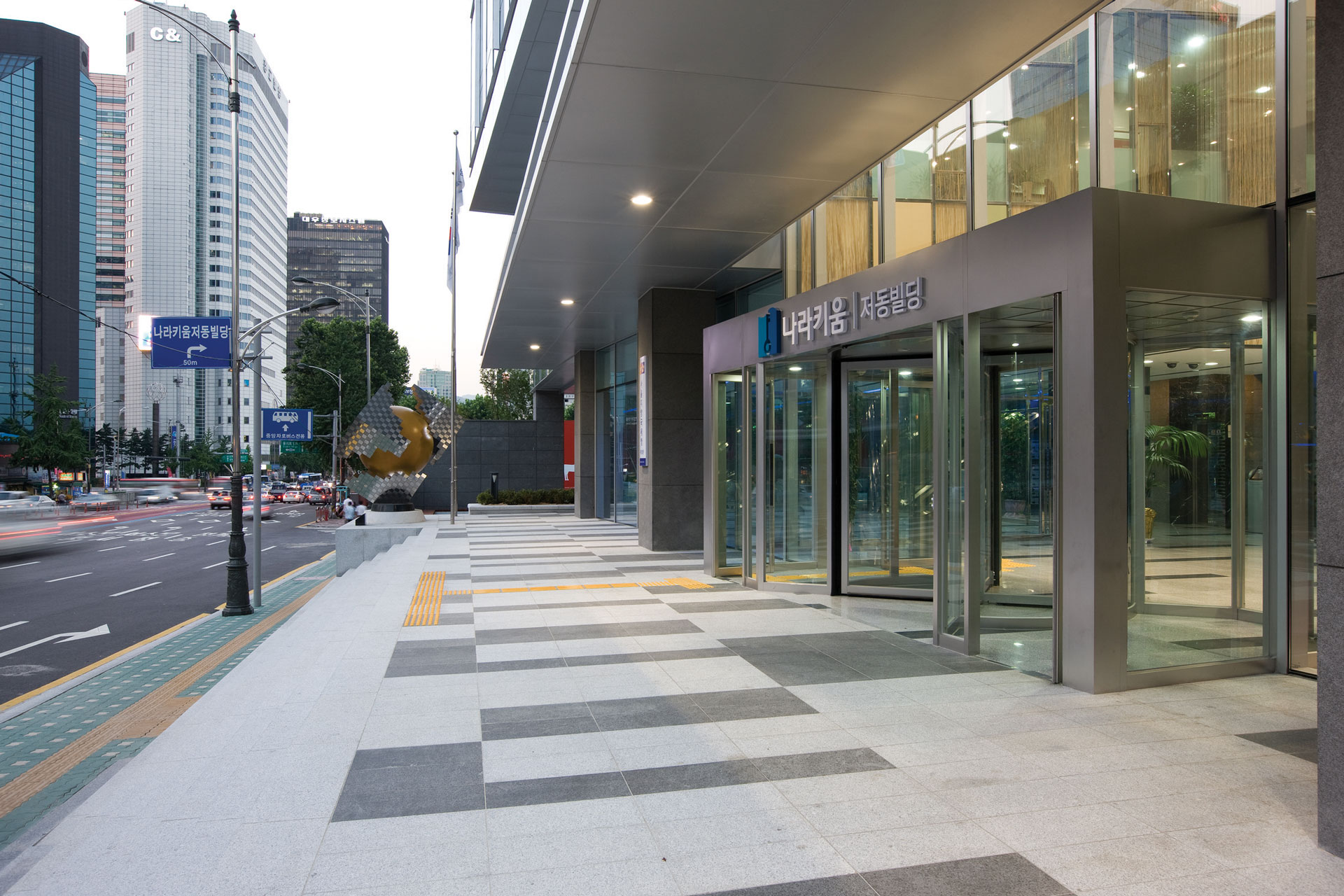
The Narakium Jeodong Building, located opposite the former Myeongdong Joongang Cinema, represents the inaugural project of national property development aimed at generating high added value, while being a multifaceted public enterprise in connection with the Cheonggyecheon Stream restoration project — following the demolition of the elevated Cheonggye Highway — and the “Restoring Mt. Namsan’s True Scenery” initiative to revitalize the rundown Mareunnae Alley surroundings. This project’s character mirrors the plural nature of the city itself, securing economic viability through efficient office space planning, while publicly reconnecting stagnant flows of people, nature, and culture to foster a nature-friendly urban environment.
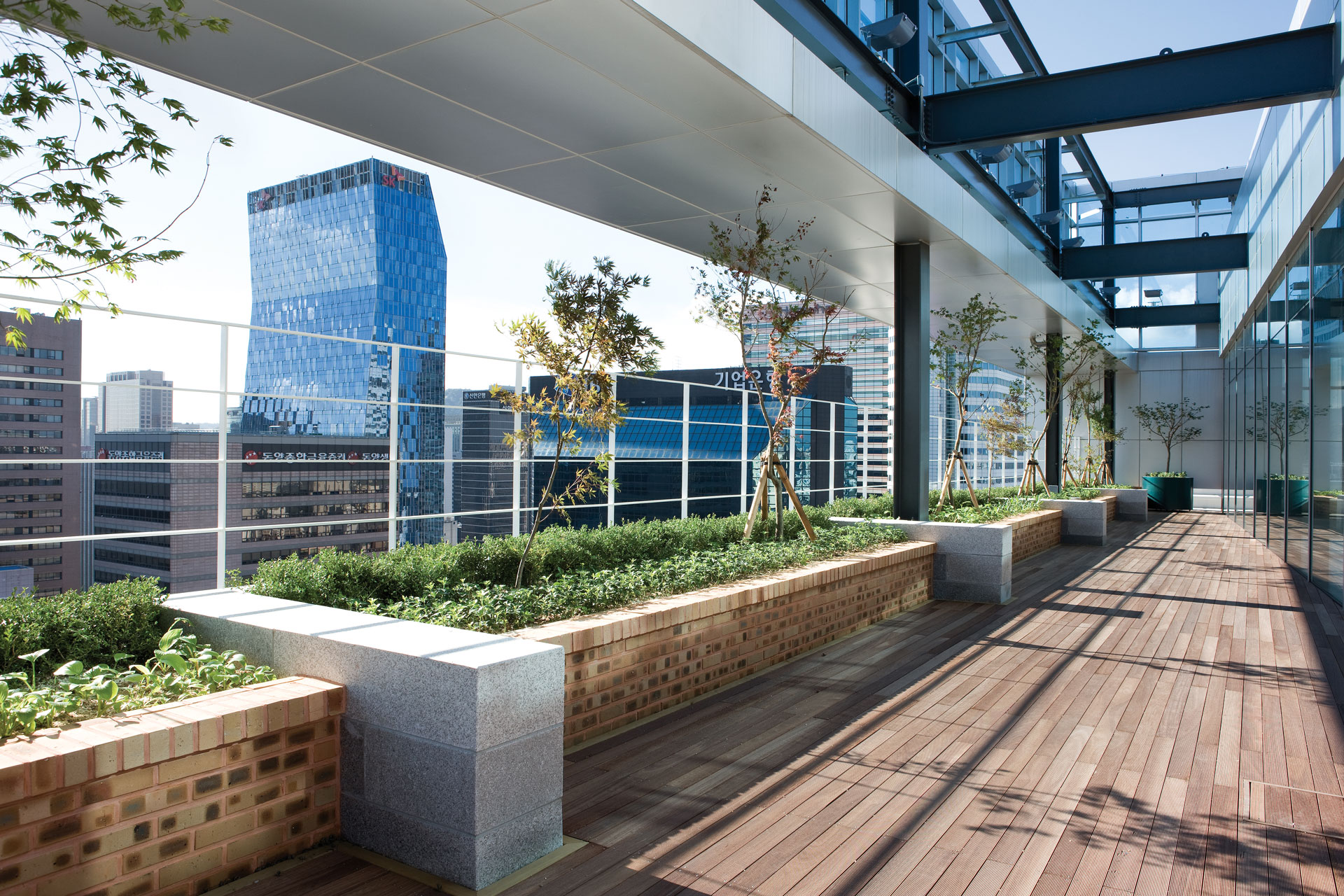
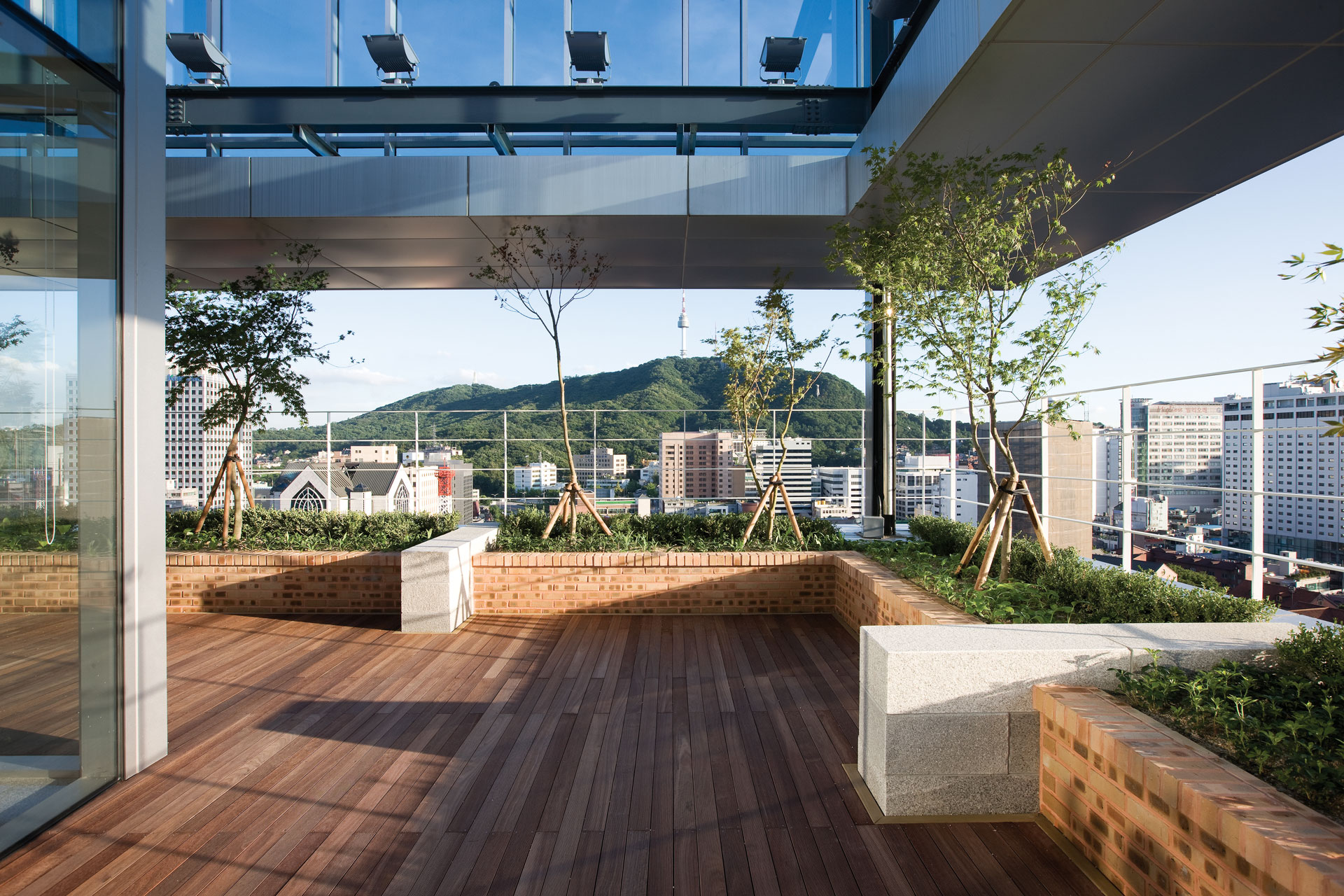
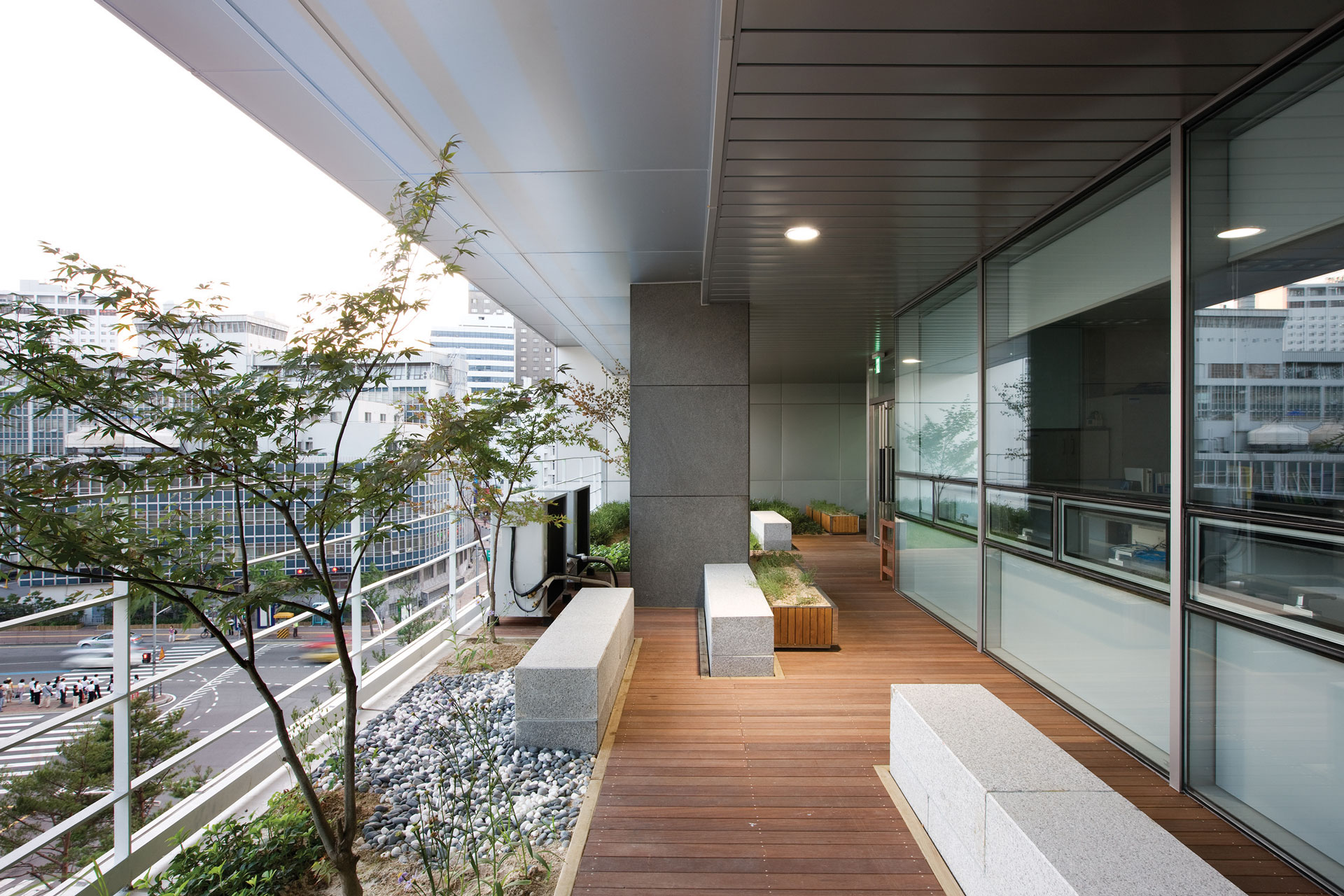
Space-making to provide places where people gather and enjoy occurs both inside and outside the building. The creation of the neighborhood park, Mareunnae Park, serves citizens flowing in from Myeongdong and Euljiro, while the rooftop garden offers downtown views and rest; these public realms are strategically inserted amid functional programs.
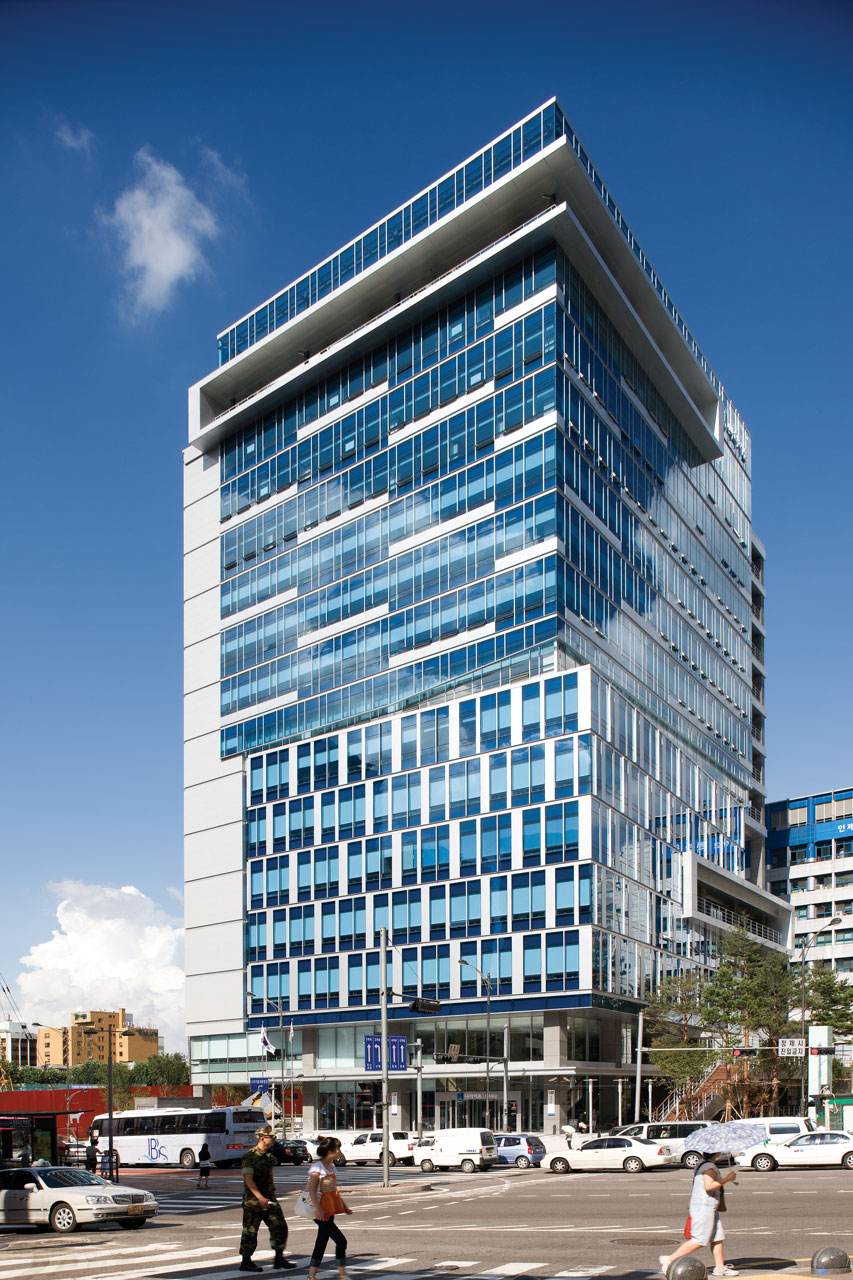
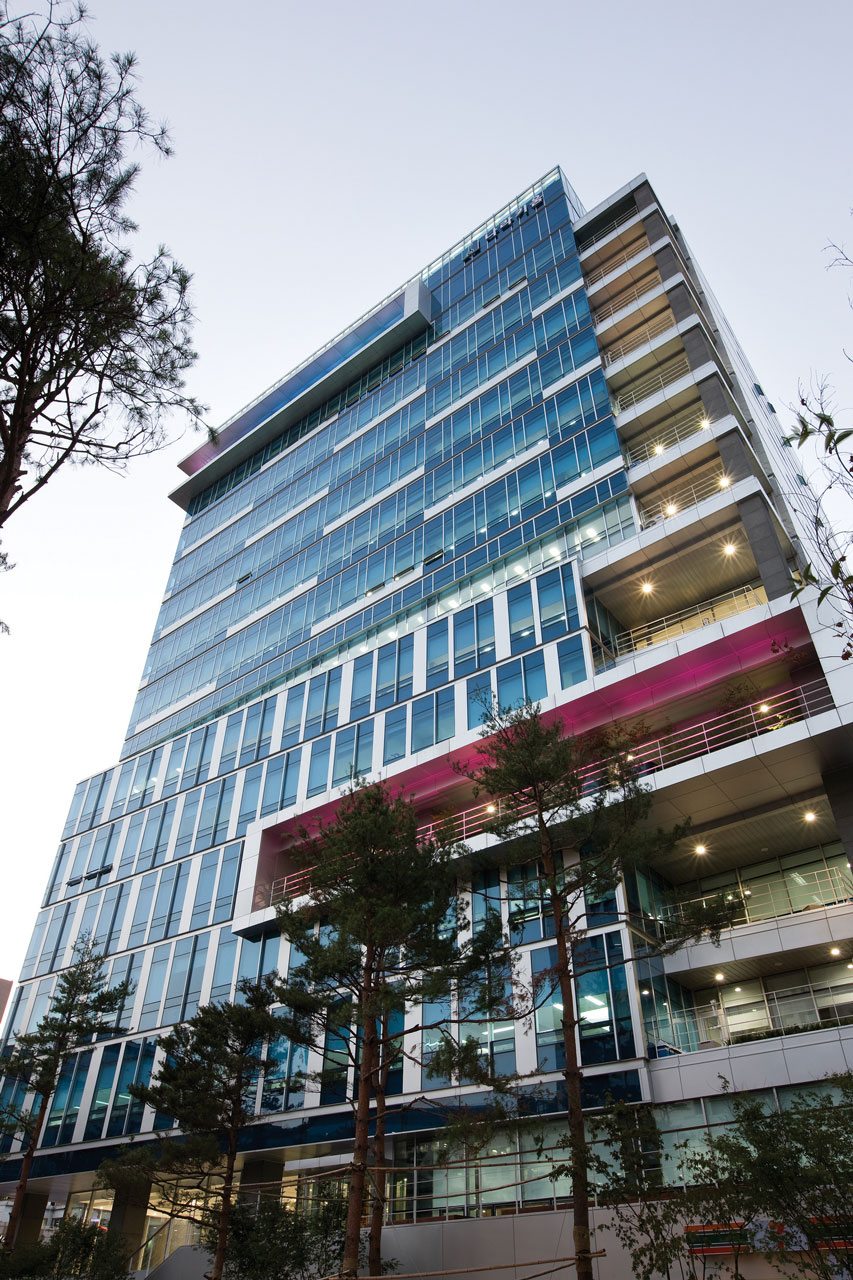
Realizing an eco-friendly building mindful of nature and energy is an indispensable imperative, achieved through the vertical and horizontal expansion of green ecological axes to actively plan green spaces on every floor. The “green zone” starting from the park connects intermediary spaces between cubes and extends to the uppermost rooftop garden, functioning as a small urban oasis where nature and the city merge into a single organism.
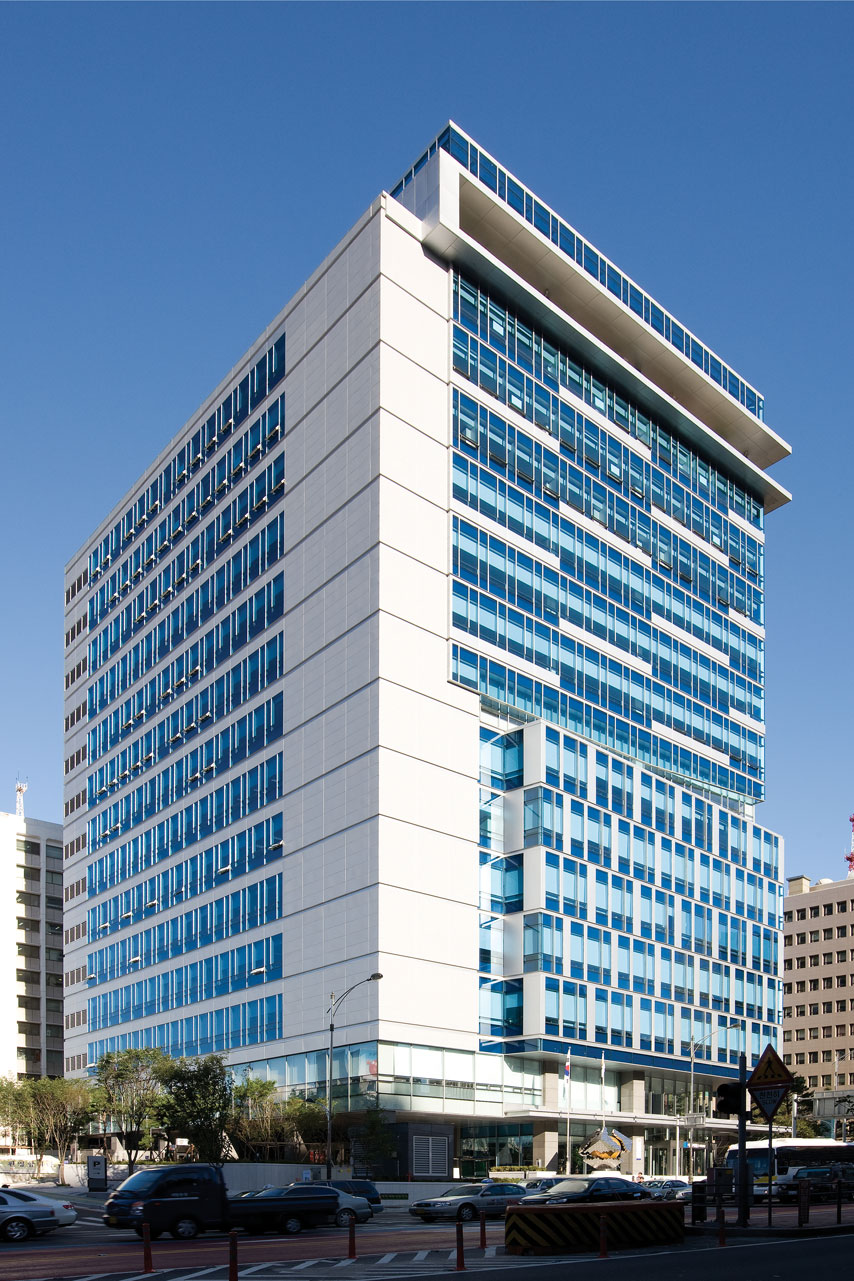
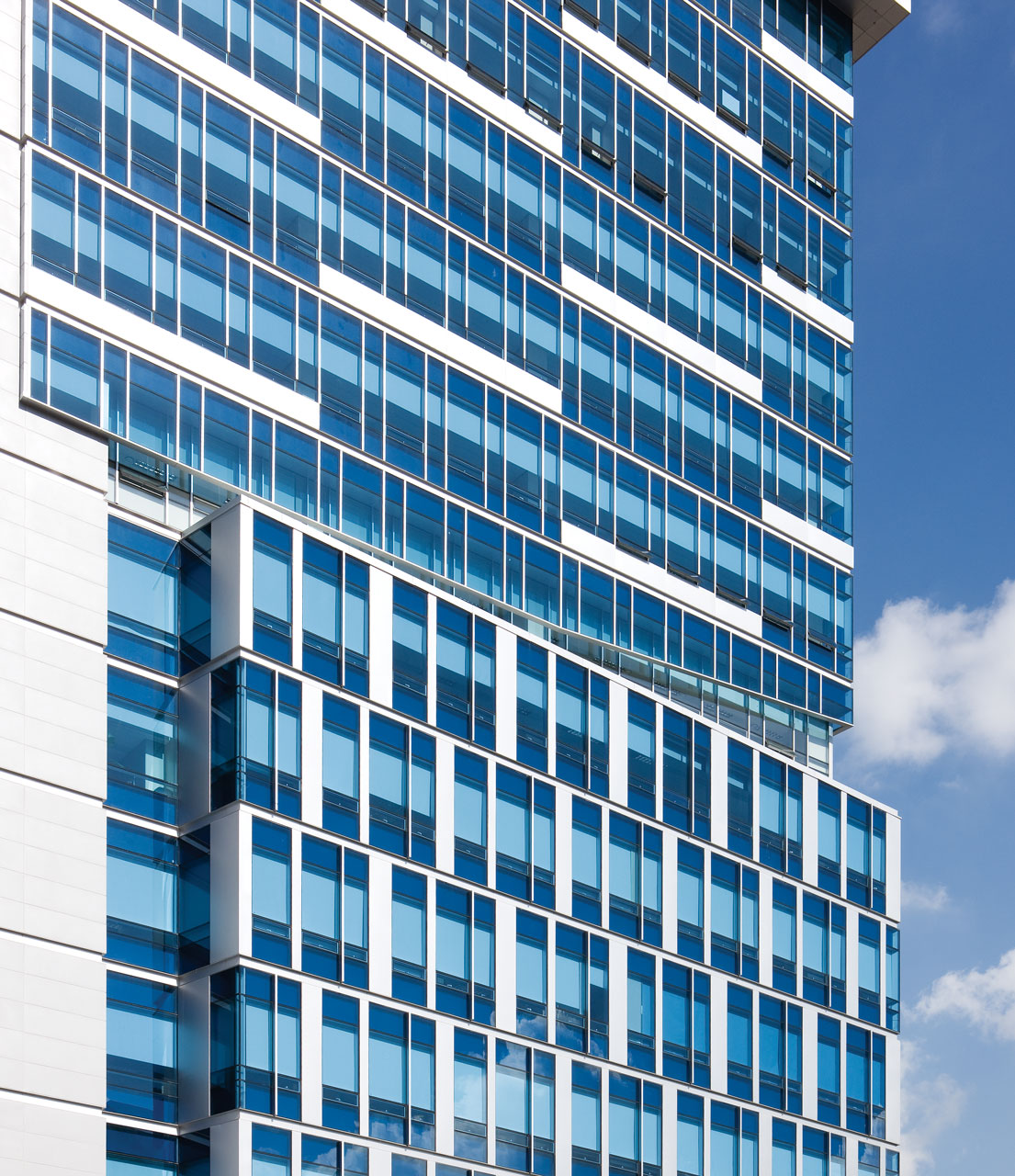
The cubes are highly efficient forms suited to leasable office plans, chosen to maximize the floor area ratio for national property development, and advantageous for flexible floor plans accommodating diverse leasing demands. Tailored to the corner site condition, these cubes vertically separate the low-rise mass for the public tax office from the upper leasable office mass, endowing each program with distinct identity while enabling multifaceted responses in all directions.

-
Status
Completed
-
Awards
- 2008 Good Design Korea
-
Order
Korea Asset Management Corporation (KAMCO)
-
Purpose
Office
-
Design Year
2005
-
Completion Year
2008
-
Location
Jung-gu, Seoul
-
Site area
3,237.80m2
-
Gross Floor Area
26.946.43m2
-
Building Area
1,633.34m2
-
Scale
B4, 15F
The Narakium Jeodong Building, located opposite the former Myeongdong Joongang Cinema, represents the inaugural project of national property development aimed at generating high added value, while being a multifaceted public enterprise in connection with the Cheonggyecheon Stream restoration project — following the demolition of the elevated Cheonggye Highway — and the “Restoring Mt. Namsan’s True Scenery” initiative to revitalize the rundown Mareunnae Alley surroundings. This project’s character mirrors the plural nature of the city itself, securing economic viability through efficient office space planning, while publicly reconnecting stagnant flows of people, nature, and culture to foster a nature-friendly urban environment.
Space-making to provide places where people gather and enjoy occurs both inside and outside the building. The creation of the neighborhood park, Mareunnae Park, serves citizens flowing in from Myeongdong and Euljiro, while the rooftop garden offers downtown views and rest; these public realms are strategically inserted amid functional programs.
Realizing an eco-friendly building mindful of nature and energy is an indispensable imperative, achieved through the vertical and horizontal expansion of green ecological axes to actively plan green spaces on every floor. The “green zone” starting from the park connects intermediary spaces between cubes and extends to the uppermost rooftop garden, functioning as a small urban oasis where nature and the city merge into a single organism.
The cubes are highly efficient forms suited to leasable office plans, chosen to maximize the floor area ratio for national property development, and advantageous for flexible floor plans accommodating diverse leasing demands. Tailored to the corner site condition, these cubes vertically separate the low-rise mass for the public tax office from the upper leasable office mass, endowing each program with distinct identity while enabling multifaceted responses in all directions.