Close
![Popup Image]()
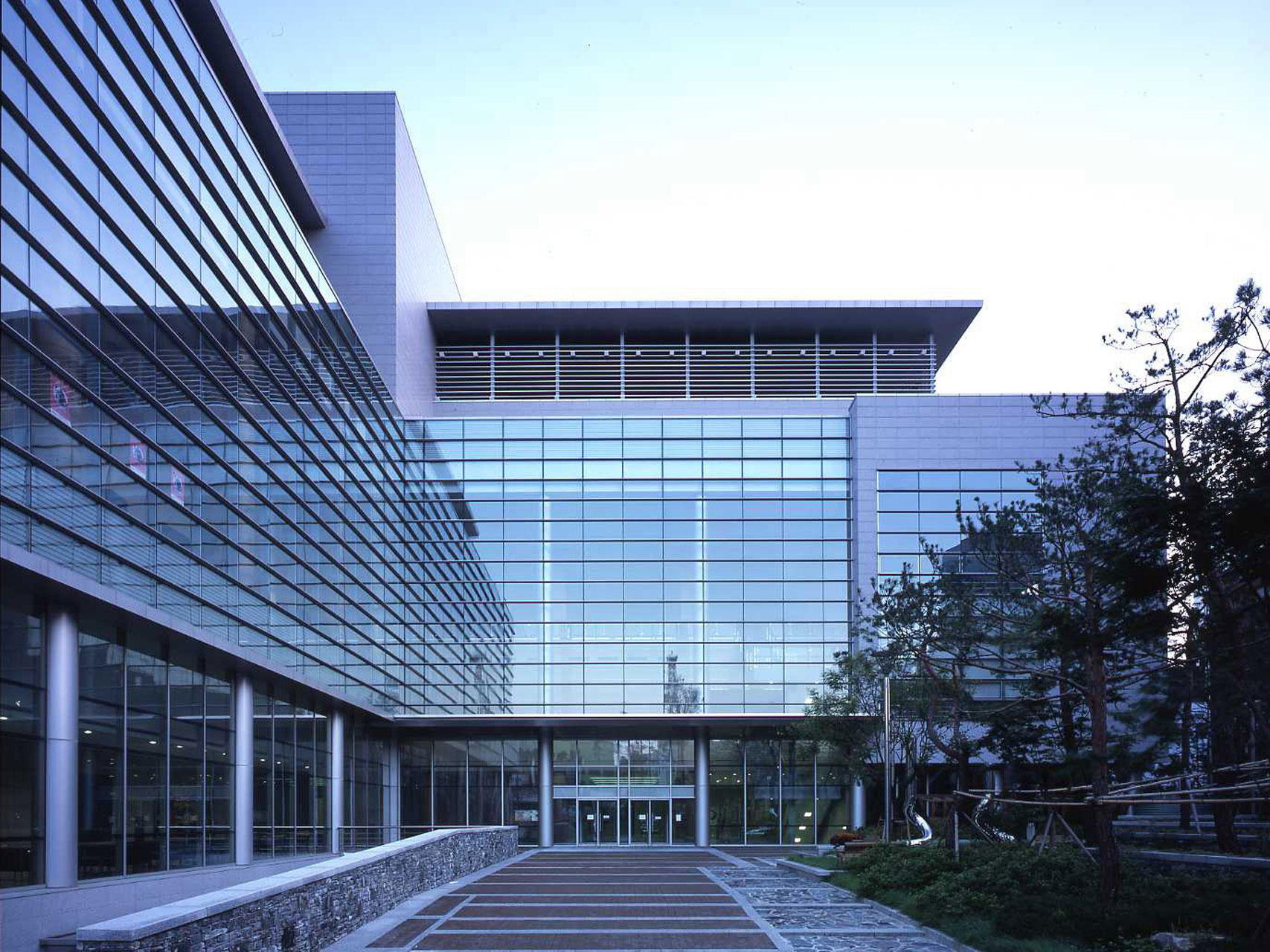
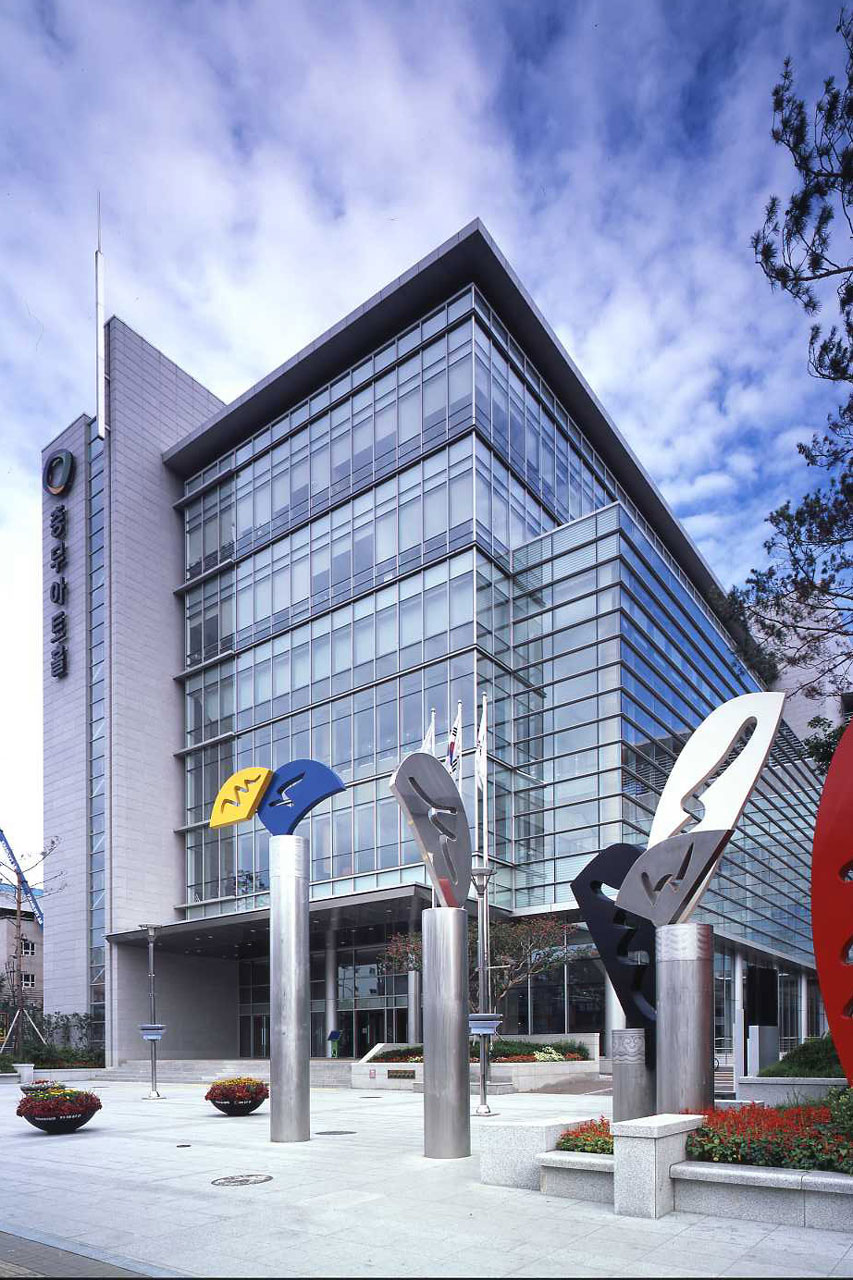
Chungmu Art Hall (now Chungmu Art Center) is a performance and sports complex whose architect was selected through a design competition in the early 2000s, with a design period of just over two years, construction starting in late 2002 and completed in December 2004. Initially winning the competition under the name Jung-gu Residents’ Sports Center, the project’s program was significantly revised and supplemented at the basic design stage to incorporate performance halls and other cultural assembly facilities into the original sports facilities, allowing it to be reborn as a “cultural oasis” in the heart of Seoul.
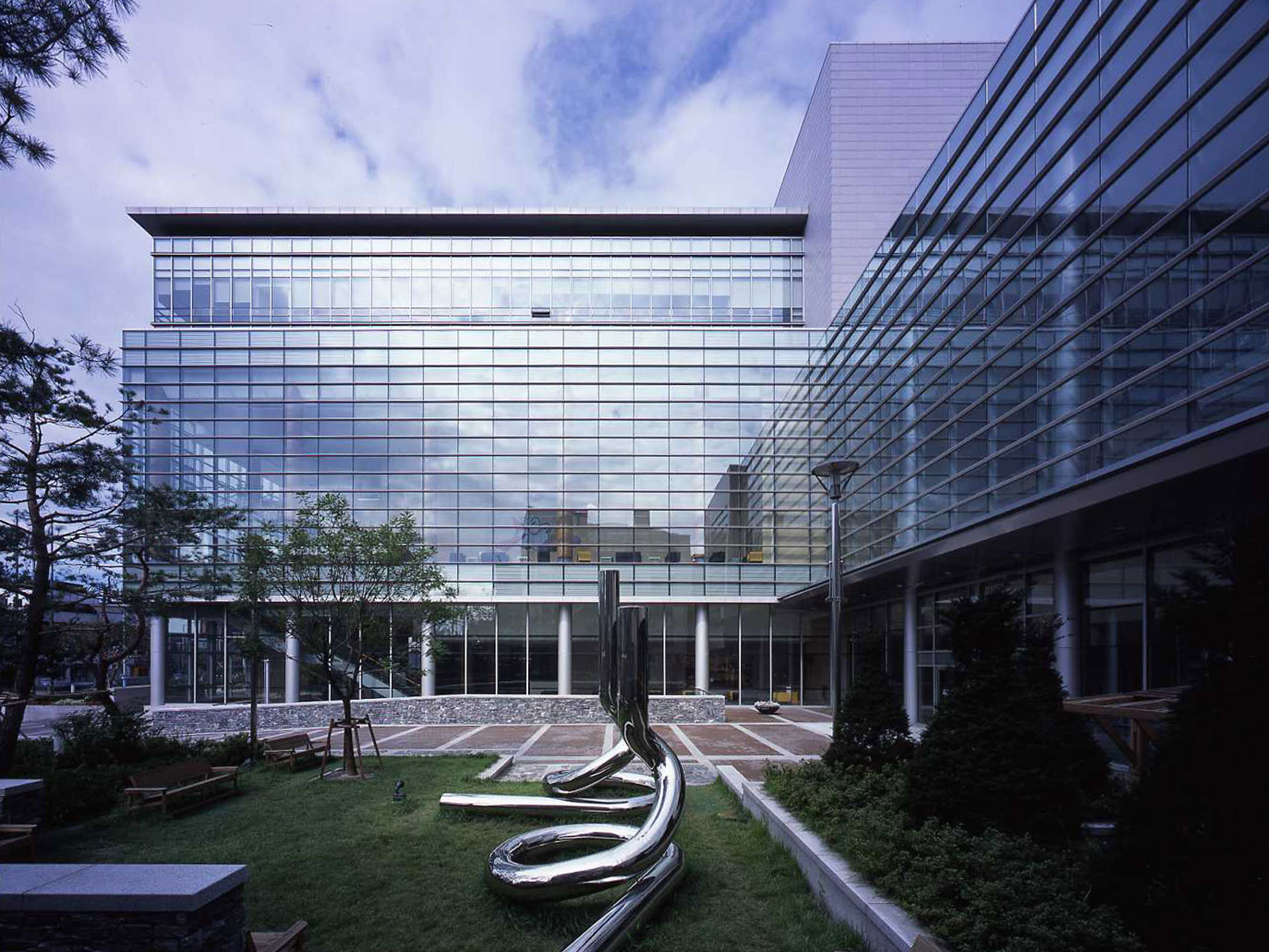
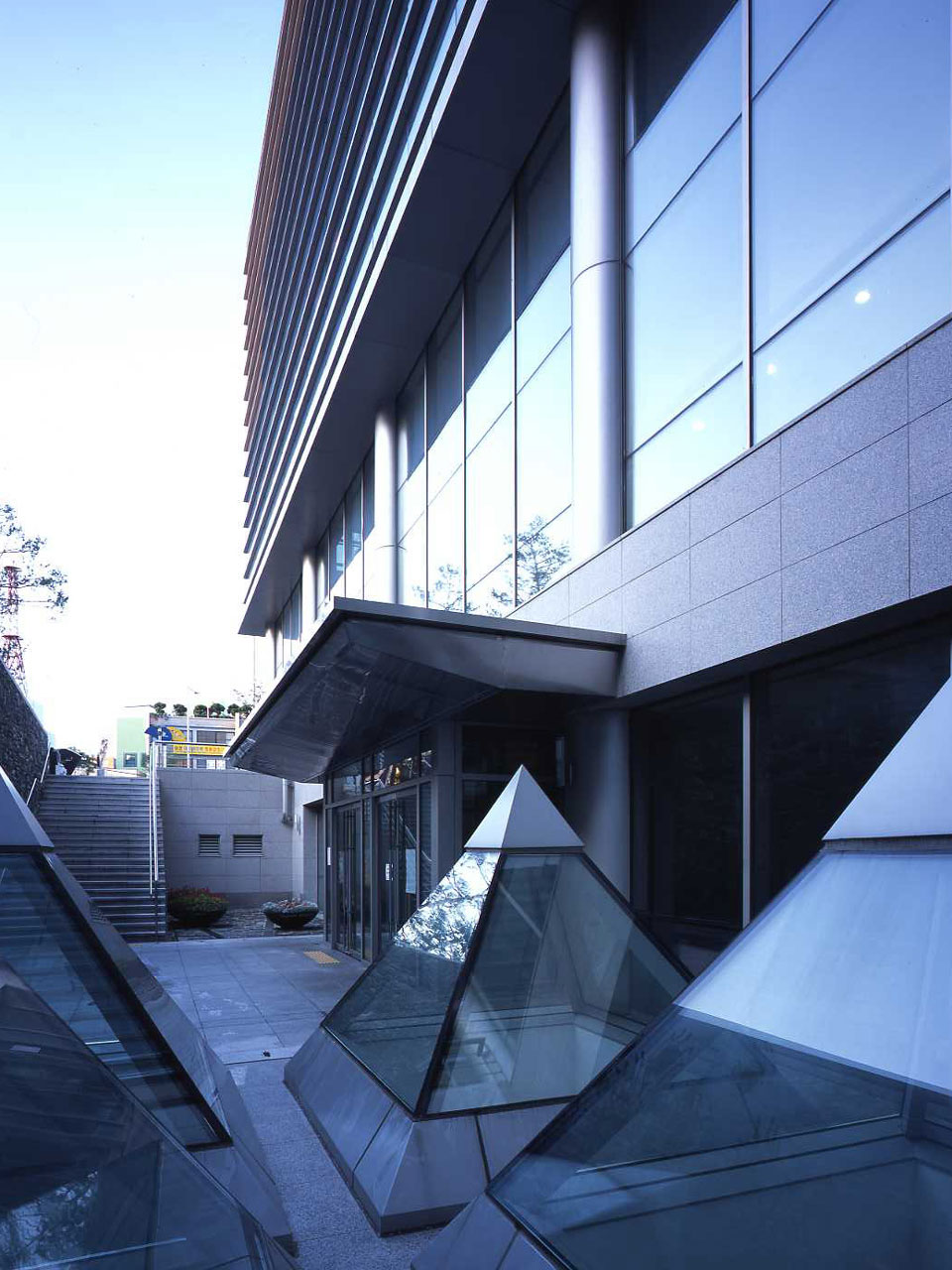
Located in Heungin-dong, the site is surrounded by the alley famous for Sindang-dong tteokbokki and by Dongdaemun Market, and is characterized by a narrow, irregular plot shape that makes it difficult to secure visibility and accessibility from the main road, an issue that had to be addressed from the very beginning of the design. The centripetal space enclosed by the building envelope is cut off from the surrounding urban fabric, so that visitors encounter an unexpectedly cozy and comfortable oasis only after entering deep into the site.
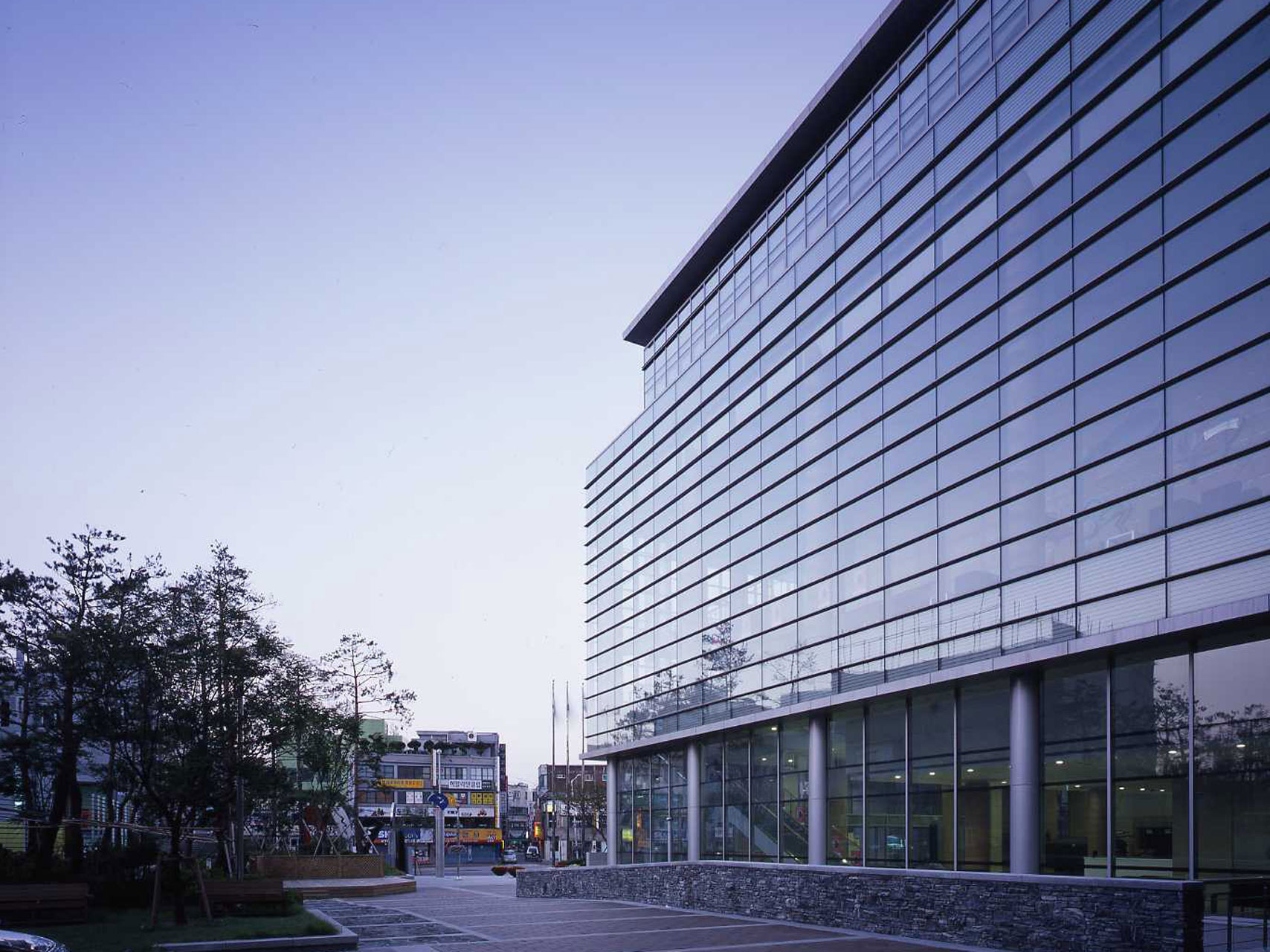
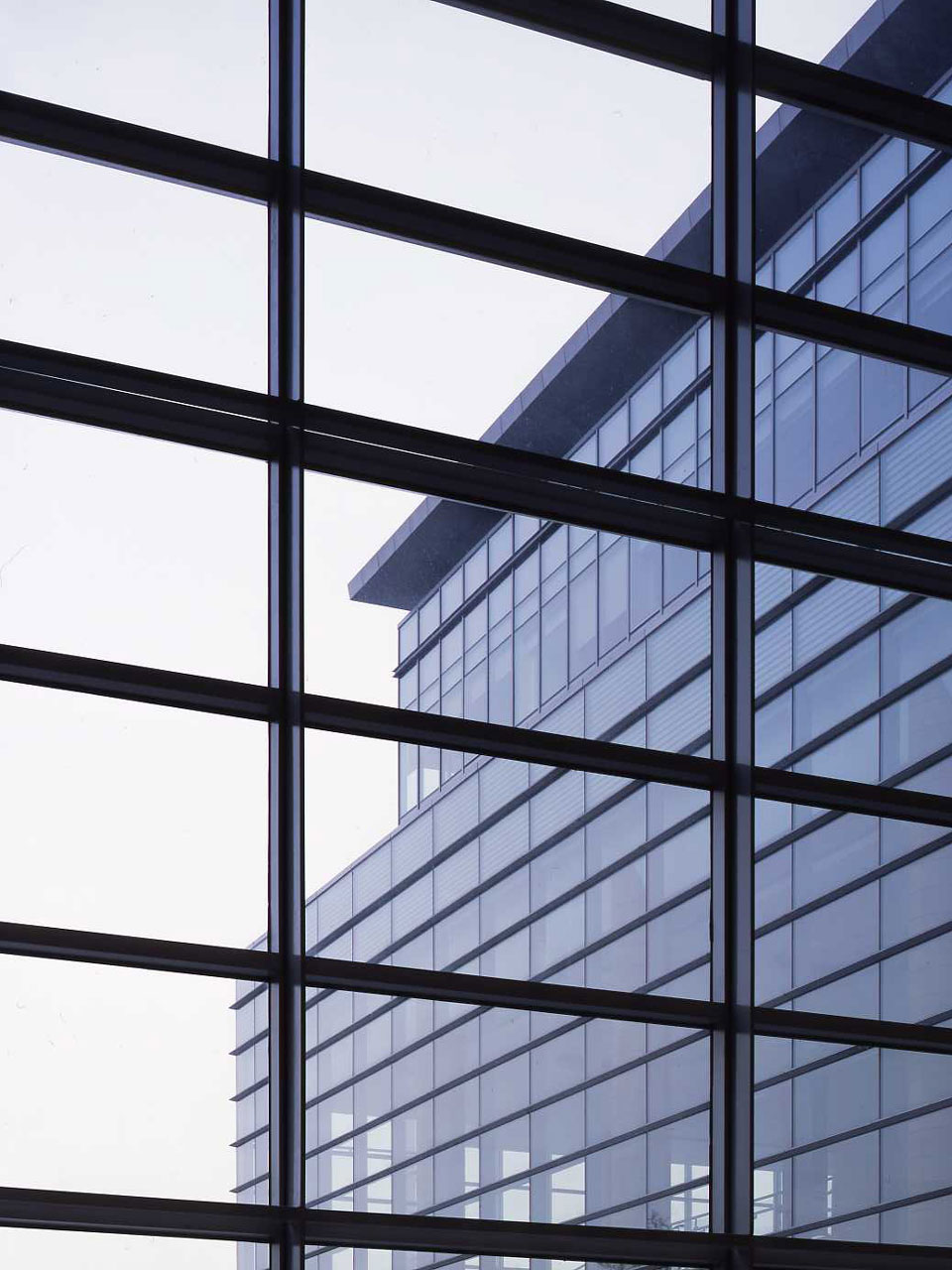
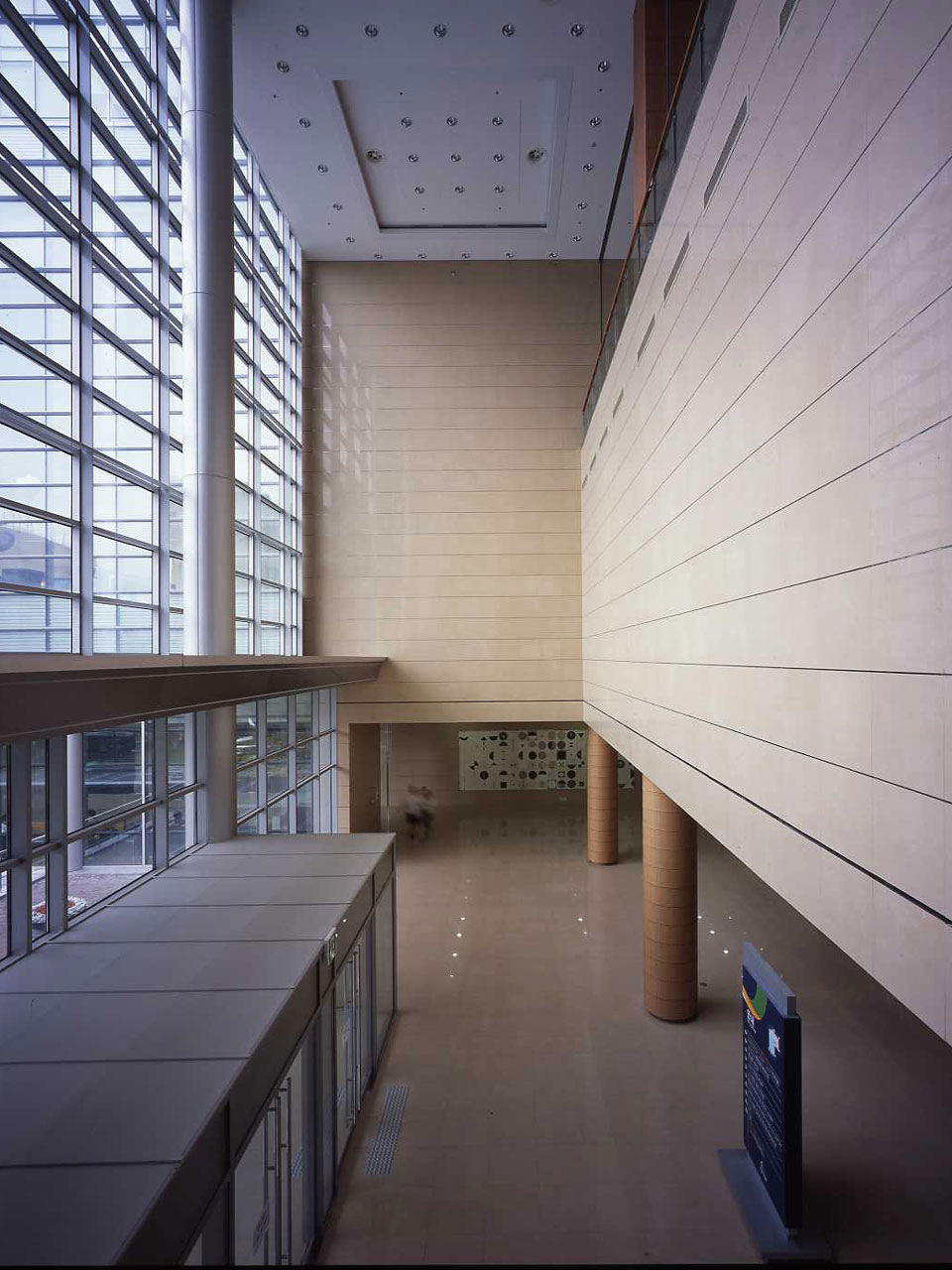
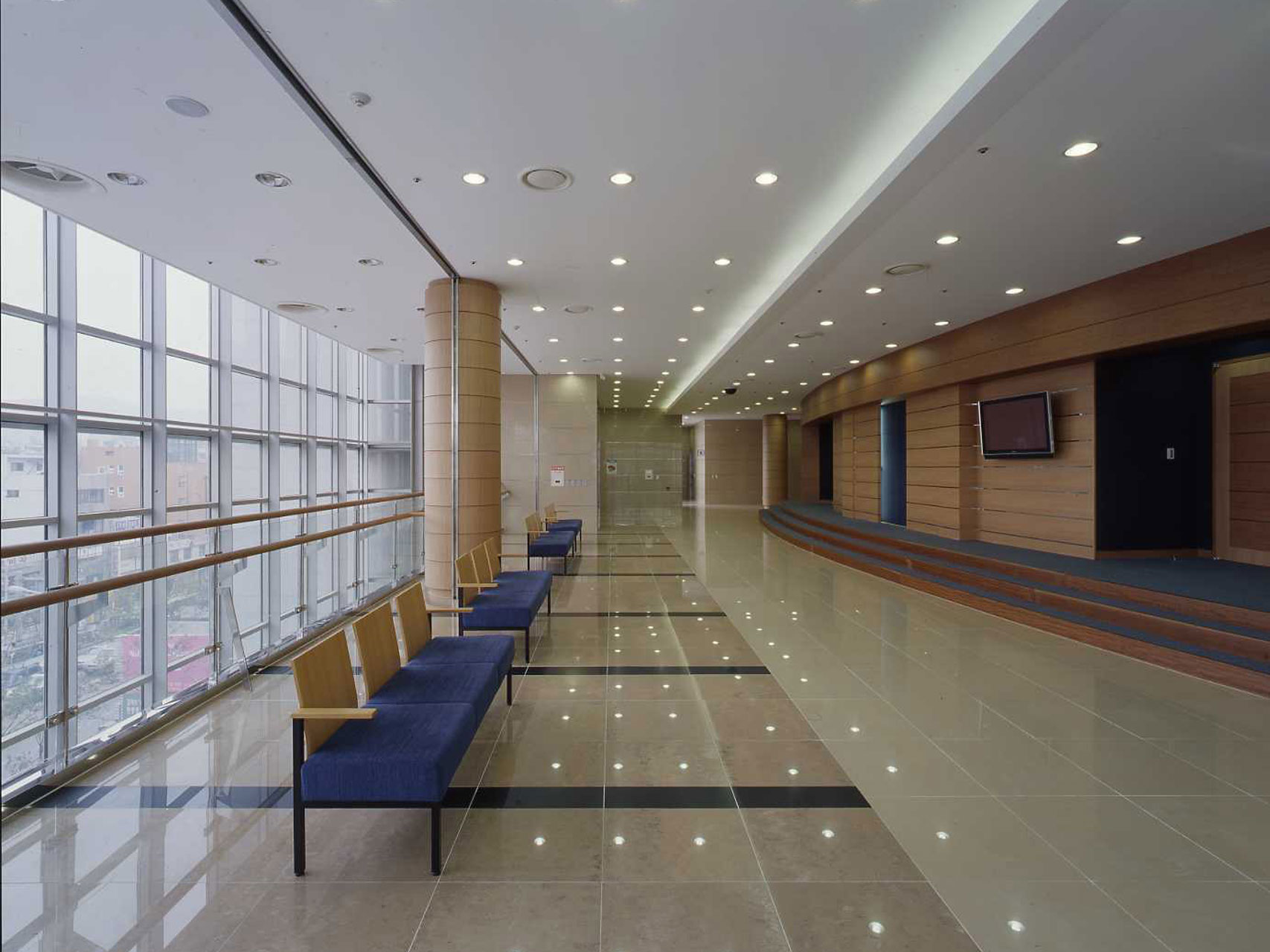
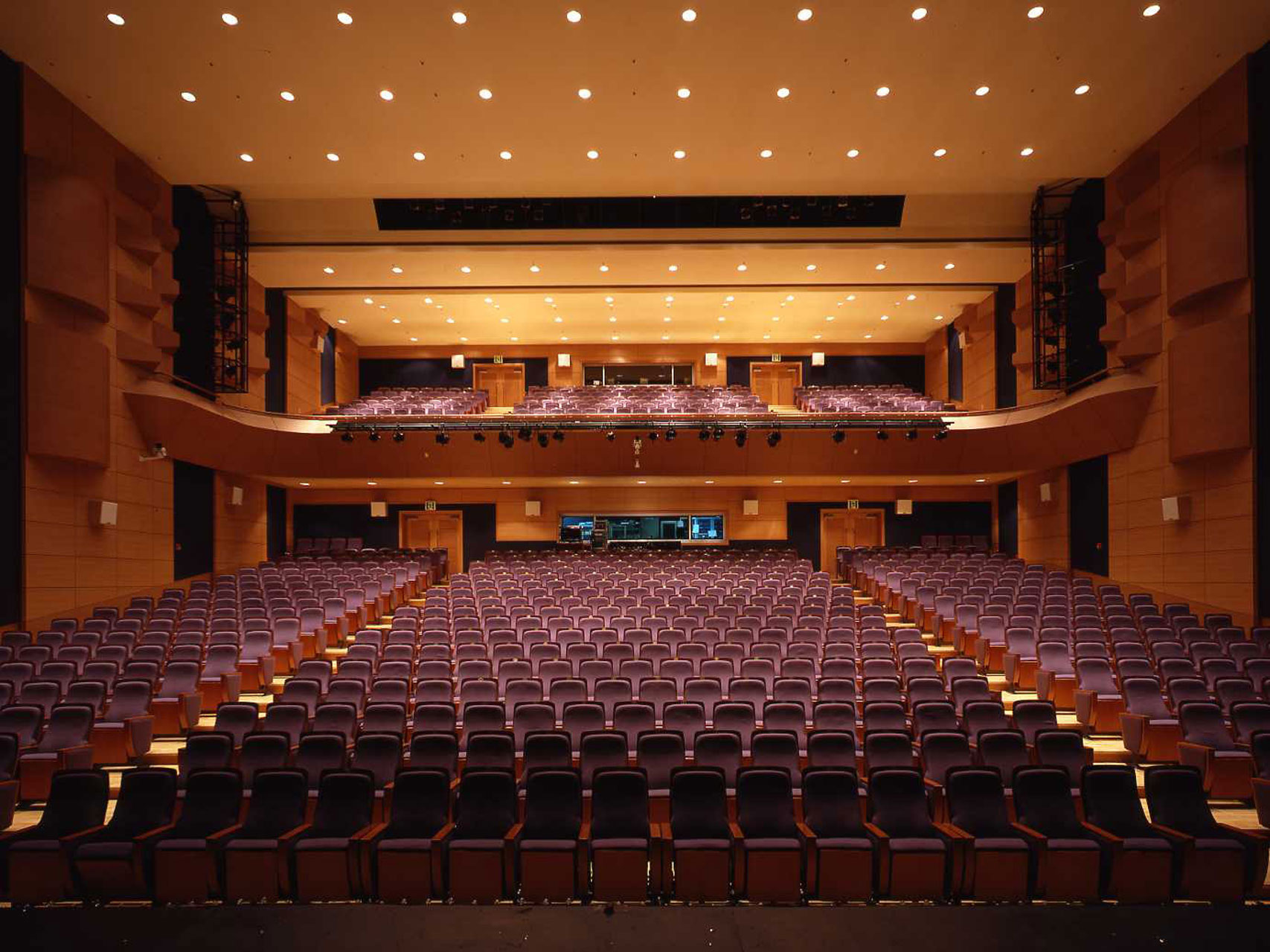
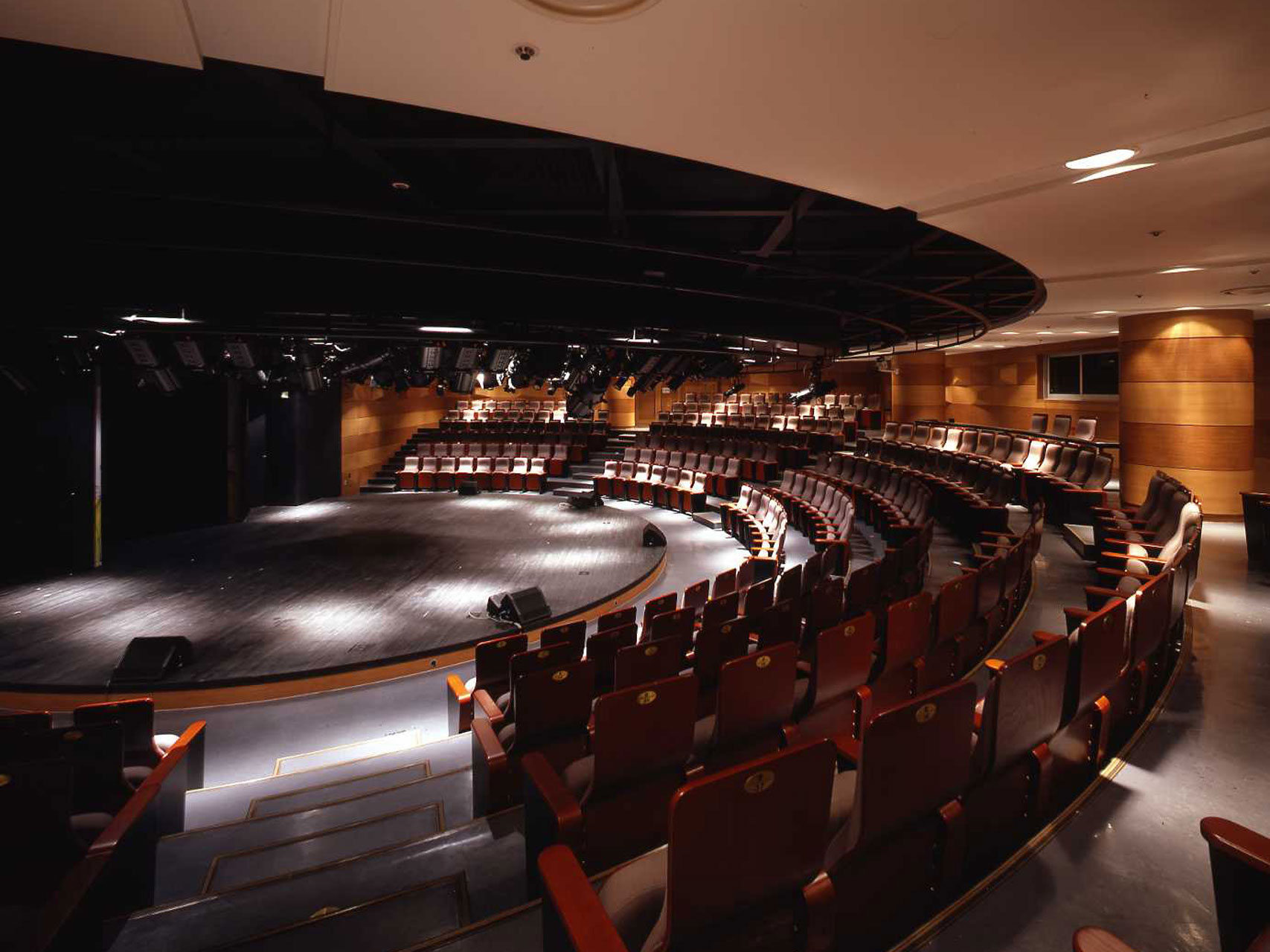
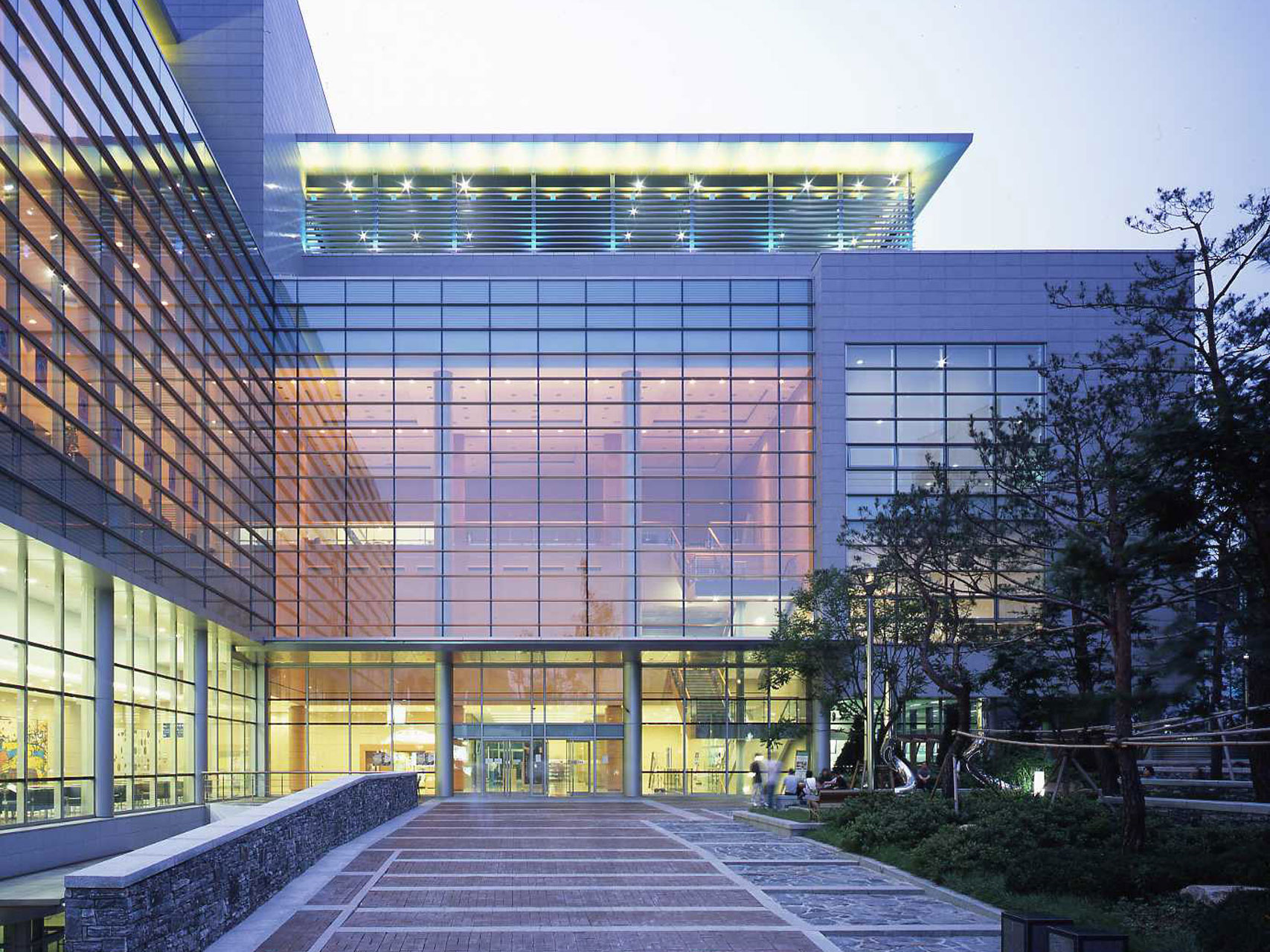
The programs consisting of performance and sports facilities both require large-span, column-free spaces with substantial volume. As the two masses, each with a clearly distinct character, needed to minimize functional interference while remaining mutually accessible and connected, the performance hall and gymnasium, which inevitably have solid walls, were placed adjacent to each other, and spaces formed with transparent layers were added to link the interior and exterior. The lobby envelope is designed with transparent low-E double glazing to provide a sense of openness with extended views, while exposing the hall walls and the movements of spectators to the outside so that the building’s exterior presents change with its internal functions rather than remaining a fixed “portrait.” In particular, nighttime lighting further amplifies and expresses the richness and diversity of the spaces created by the inner structures separated from the envelope.
In the Press



-
Status
Completed
-
Client
Jung-gu District Office
-
Program
Cultural, Public
-
Design Year
2000
-
Completion Year
2004
-
Location
Jung-gu, Seoul
-
Site area
8,939.30m2
-
Gross Floor Area
36,245.93m2
-
Building Area
5,057.42m2
-
Number of Levels
B4, 6F
-
Partner
-
Participants
Chungmu Art Hall (now Chungmu Art Center) is a performance and sports complex whose architect was selected through a design competition in the early 2000s, with a design period of just over two years, construction starting in late 2002 and completed in December 2004. Initially winning the competition under the name Jung-gu Residents’ Sports Center, the project’s program was significantly revised and supplemented at the basic design stage to incorporate performance halls and other cultural assembly facilities into the original sports facilities, allowing it to be reborn as a “cultural oasis” in the heart of Seoul.
Located in Heungin-dong, the site is surrounded by the alley famous for Sindang-dong tteokbokki and by Dongdaemun Market, and is characterized by a narrow, irregular plot shape that makes it difficult to secure visibility and accessibility from the main road, an issue that had to be addressed from the very beginning of the design. The centripetal space enclosed by the building envelope is cut off from the surrounding urban fabric, so that visitors encounter an unexpectedly cozy and comfortable oasis only after entering deep into the site.
The programs consisting of performance and sports facilities both require large-span, column-free spaces with substantial volume. As the two masses, each with a clearly distinct character, needed to minimize functional interference while remaining mutually accessible and connected, the performance hall and gymnasium, which inevitably have solid walls, were placed adjacent to each other, and spaces formed with transparent layers were added to link the interior and exterior. The lobby envelope is designed with transparent low-E double glazing to provide a sense of openness with extended views, while exposing the hall walls and the movements of spectators to the outside so that the building’s exterior presents change with its internal functions rather than remaining a fixed “portrait.” In particular, nighttime lighting further amplifies and expresses the richness and diversity of the spaces created by the inner structures separated from the envelope.
In the Press