Close
![Popup Image]()
The Basic Construction Plan for the Second Research Complex was established in 1973 to replace the research cluster in Hongneung, Seoul, leading to the creation of the Daedeok Research & Development Special Zone in Yuseong-gu and Daedeok-gu, Daejeon. The Korean Advanced Institute of Science (KAIS), which originated from the Hongneung Research & Development Complex in 1971, was integrated with the Korea Institute of Science and Technology (KIST) in 1980 to become the present Korea Advanced Institute of Science and Technology (KAIST).
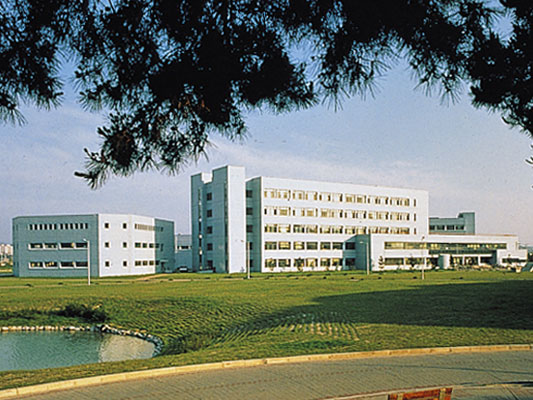
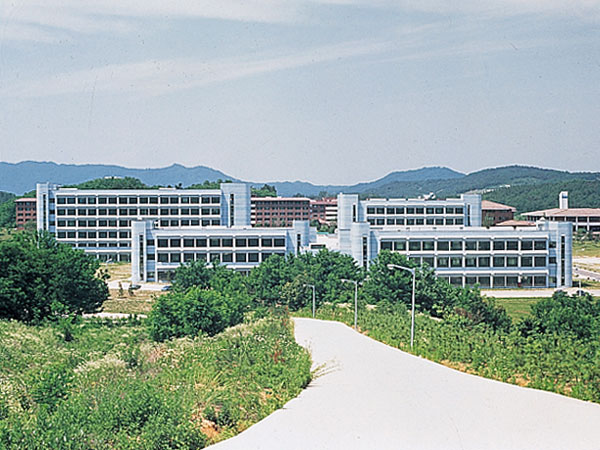
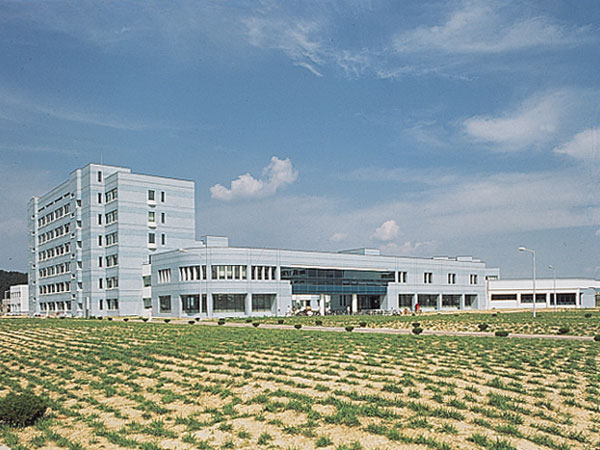
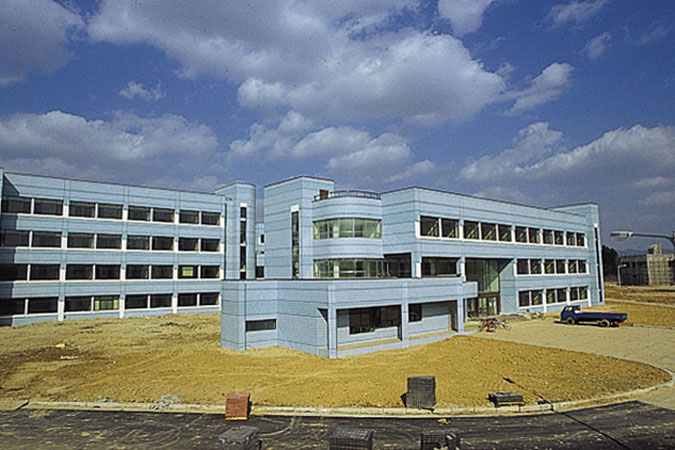
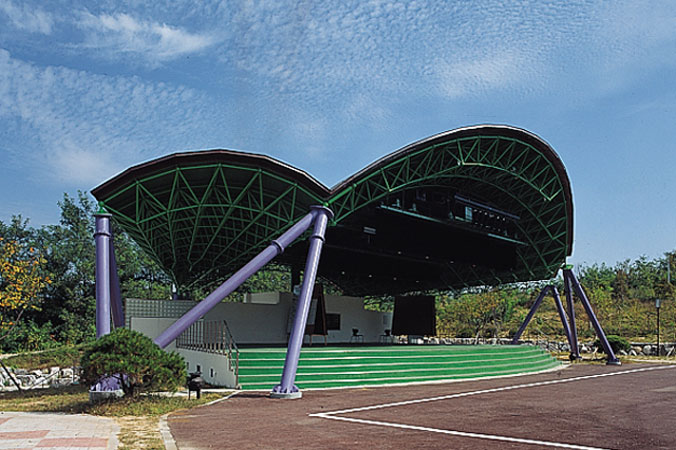
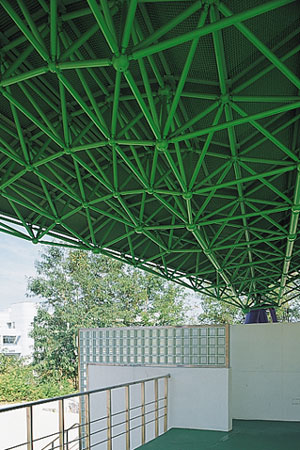
The scope of work undertaken by Junglim Architecture included the master plan covering both the Education Building and the Research Building. The plan is organized around a campus core, with educational and research zones arranged independently. Both the Education and Research Buildings express their identity through architectural forms that embody the high-tech nature of advanced science. Both zones are connected by a main road, each featuring a central outdoor space. Around these outdoor spaces, facility clusters were arranged to ensure flexibility and comfort, accommodating future changes, growth, and development. Currently, the Education Building functions as a student welfare facility, including graduate student union spaces, while the Research Building serves as the Applied Engineering Building.

-
Status
Completed
-
Client
KAIST
-
Program
Education, R&D
-
Design Year
1985
-
Completion Year
1989-1990(Estimated)
-
Location
Yuseong-gu, Daejeon
-
Site area
1,152,955.00m2
-
Gross Floor Area
218,480.00m2
-
Building Area
68,014.00m2
The Basic Construction Plan for the Second Research Complex was established in 1973 to replace the research cluster in Hongneung, Seoul, leading to the creation of the Daedeok Research & Development Special Zone in Yuseong-gu and Daedeok-gu, Daejeon. The Korean Advanced Institute of Science (KAIS), which originated from the Hongneung Research & Development Complex in 1971, was integrated with the Korea Institute of Science and Technology (KIST) in 1980 to become the present Korea Advanced Institute of Science and Technology (KAIST).
The scope of work undertaken by Junglim Architecture included the master plan covering both the Education Building and the Research Building. The plan is organized around a campus core, with educational and research zones arranged independently. Both the Education and Research Buildings express their identity through architectural forms that embody the high-tech nature of advanced science. Both zones are connected by a main road, each featuring a central outdoor space. Around these outdoor spaces, facility clusters were arranged to ensure flexibility and comfort, accommodating future changes, growth, and development. Currently, the Education Building functions as a student welfare facility, including graduate student union spaces, while the Research Building serves as the Applied Engineering Building.