Close
![Popup Image]()
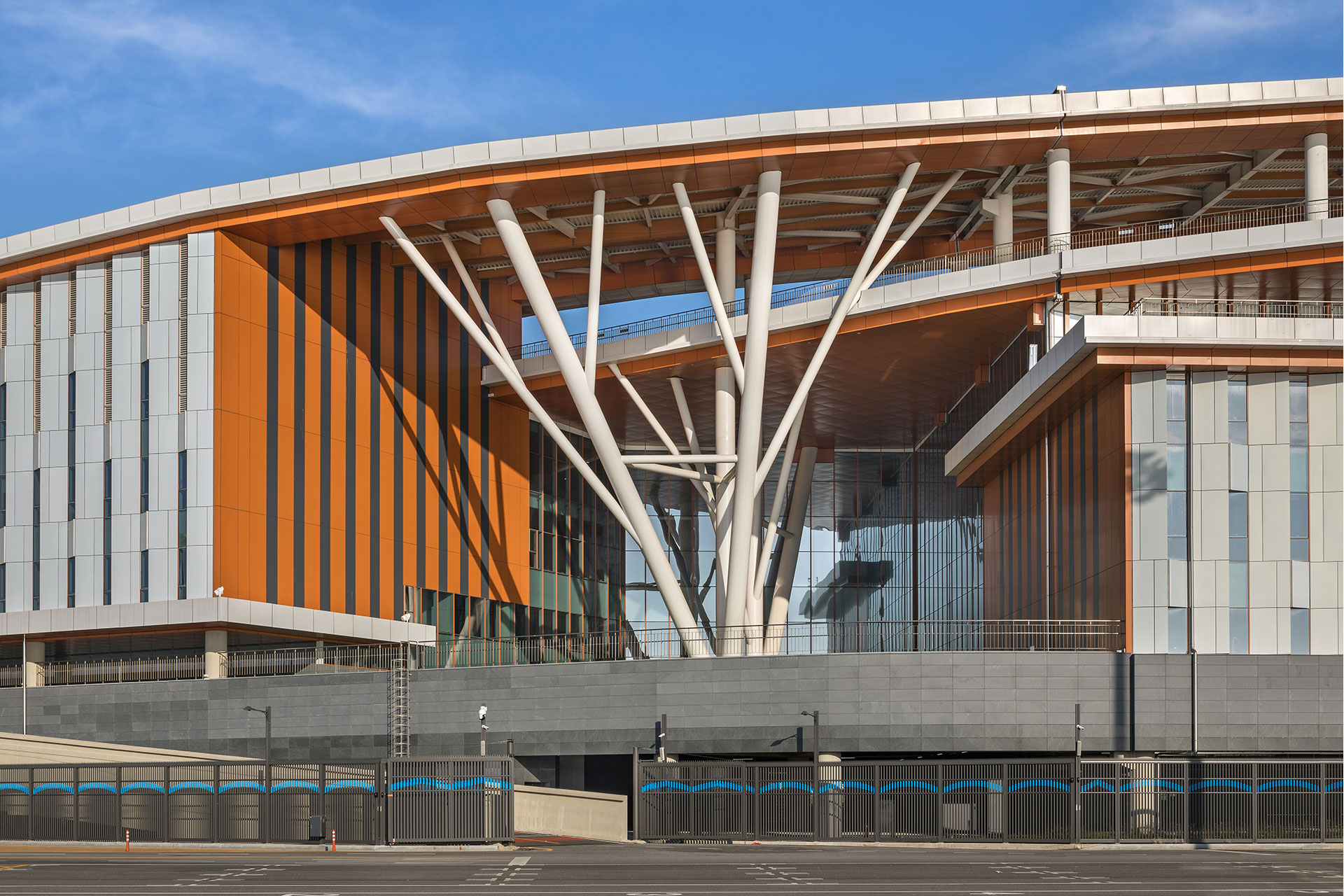
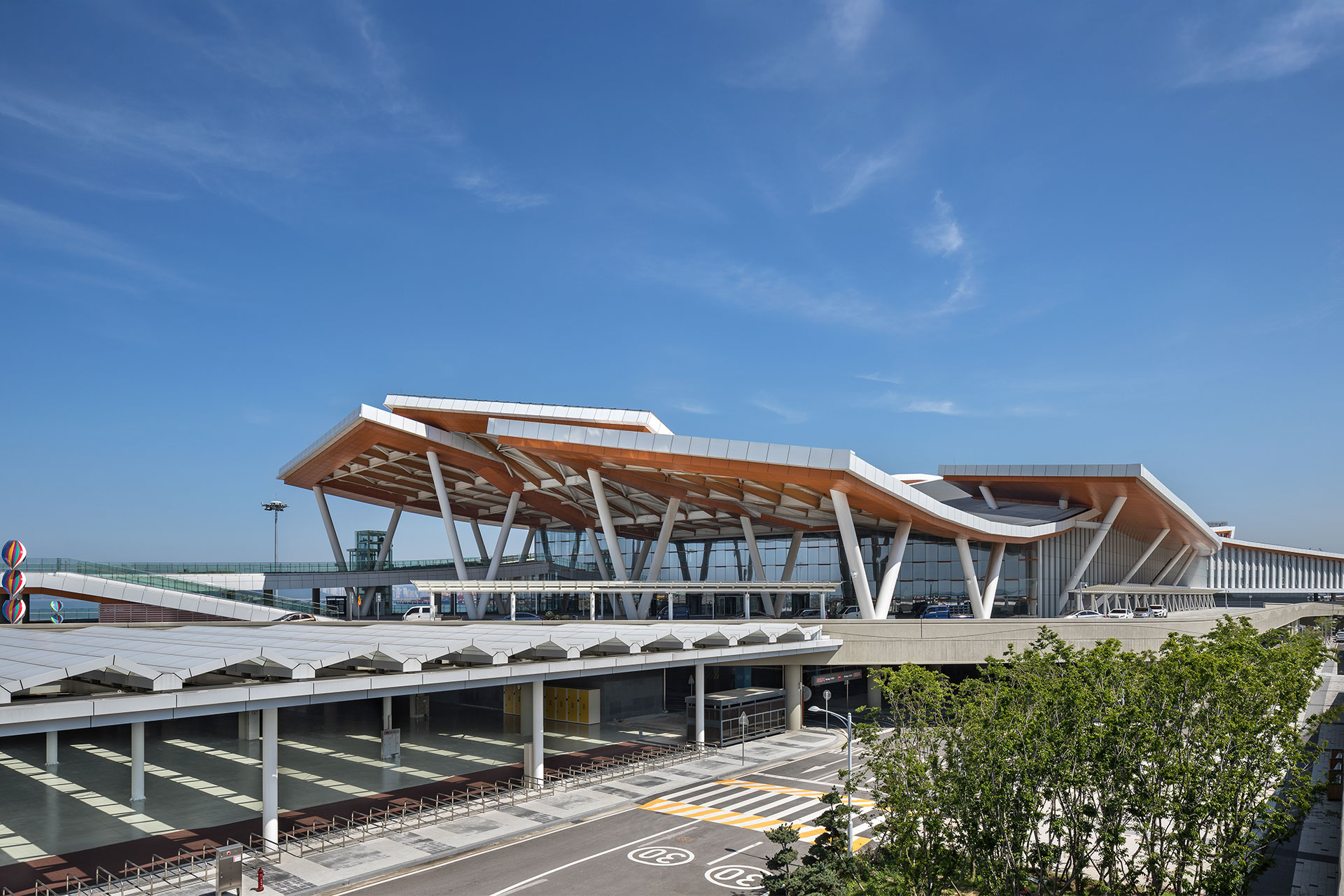
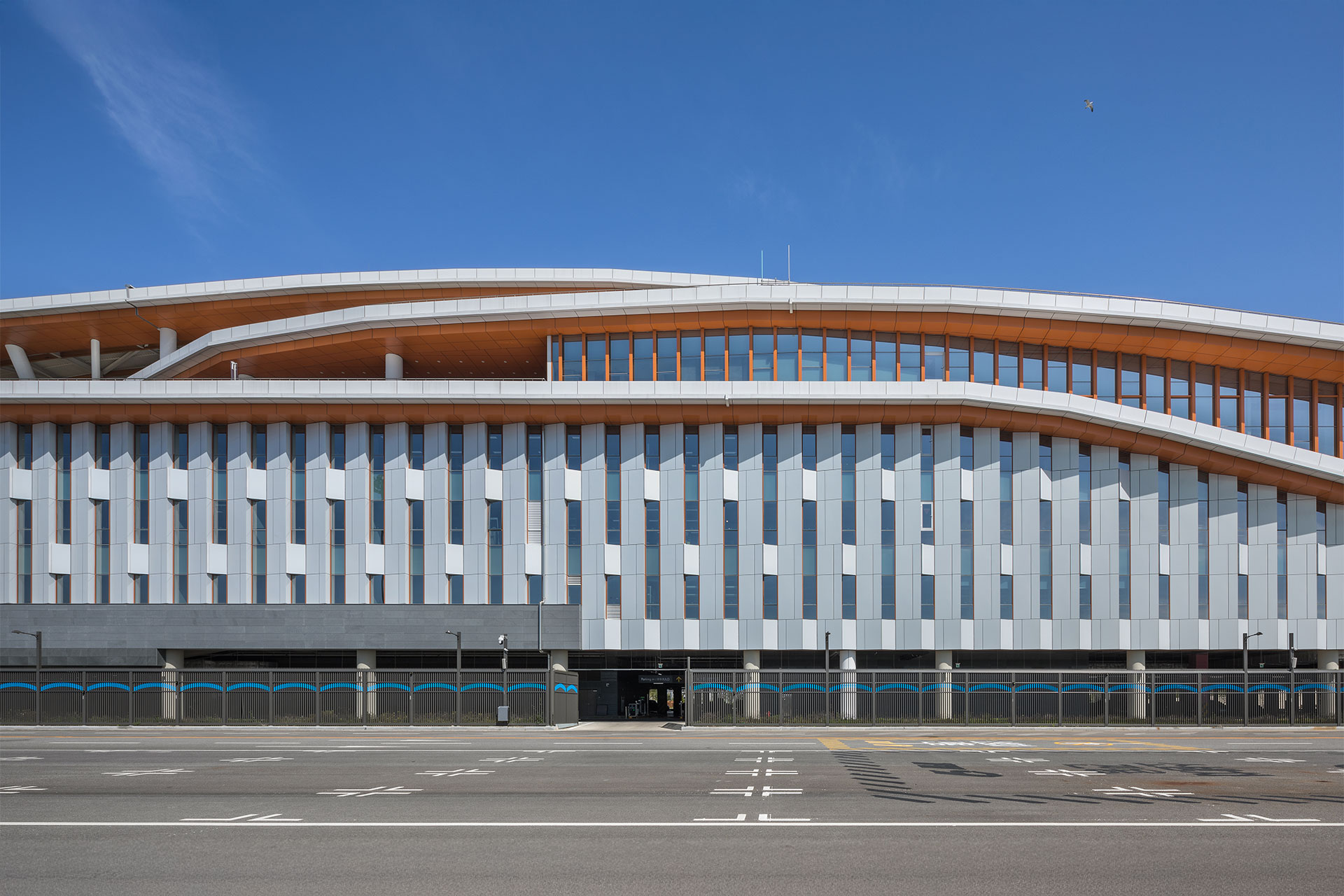
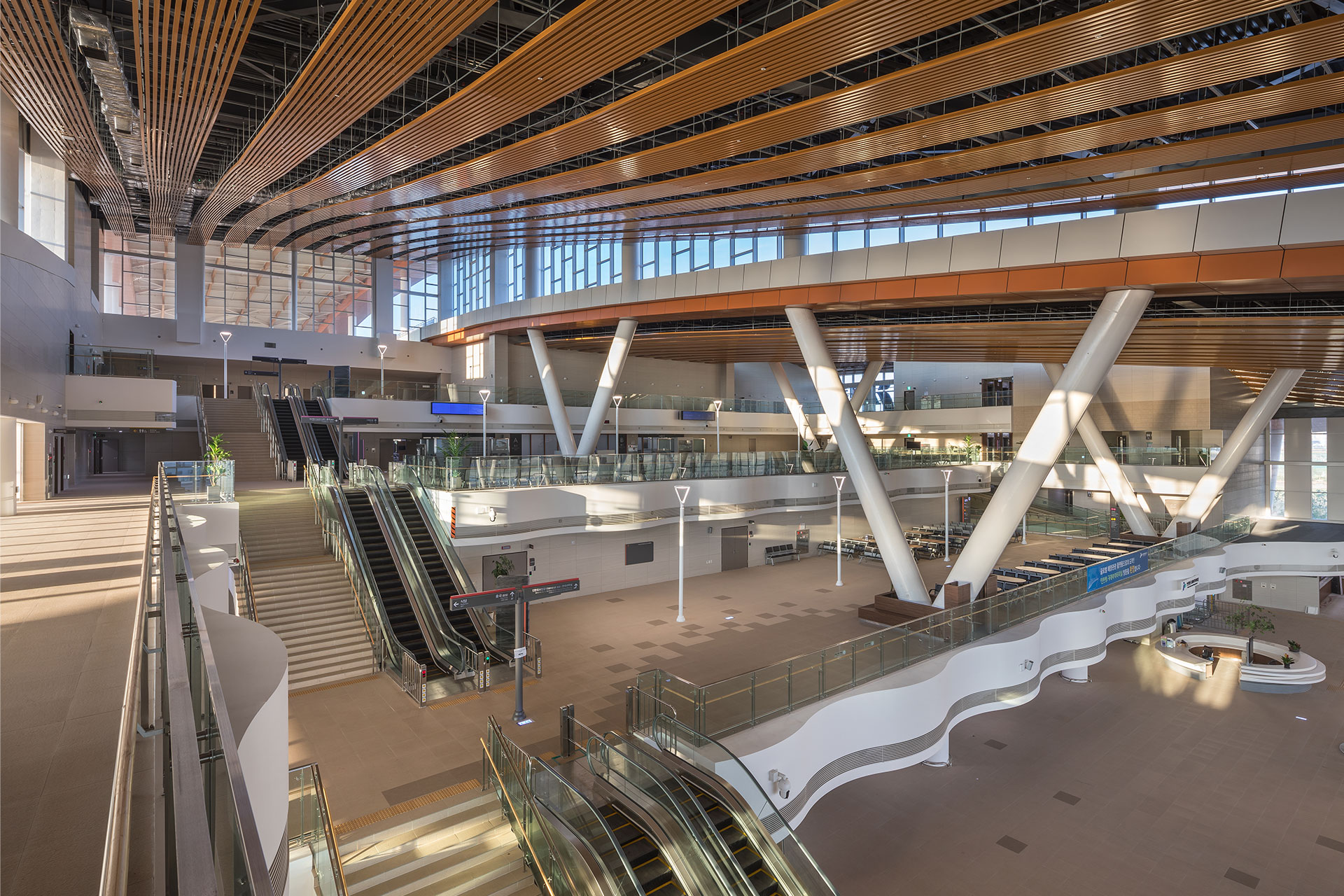
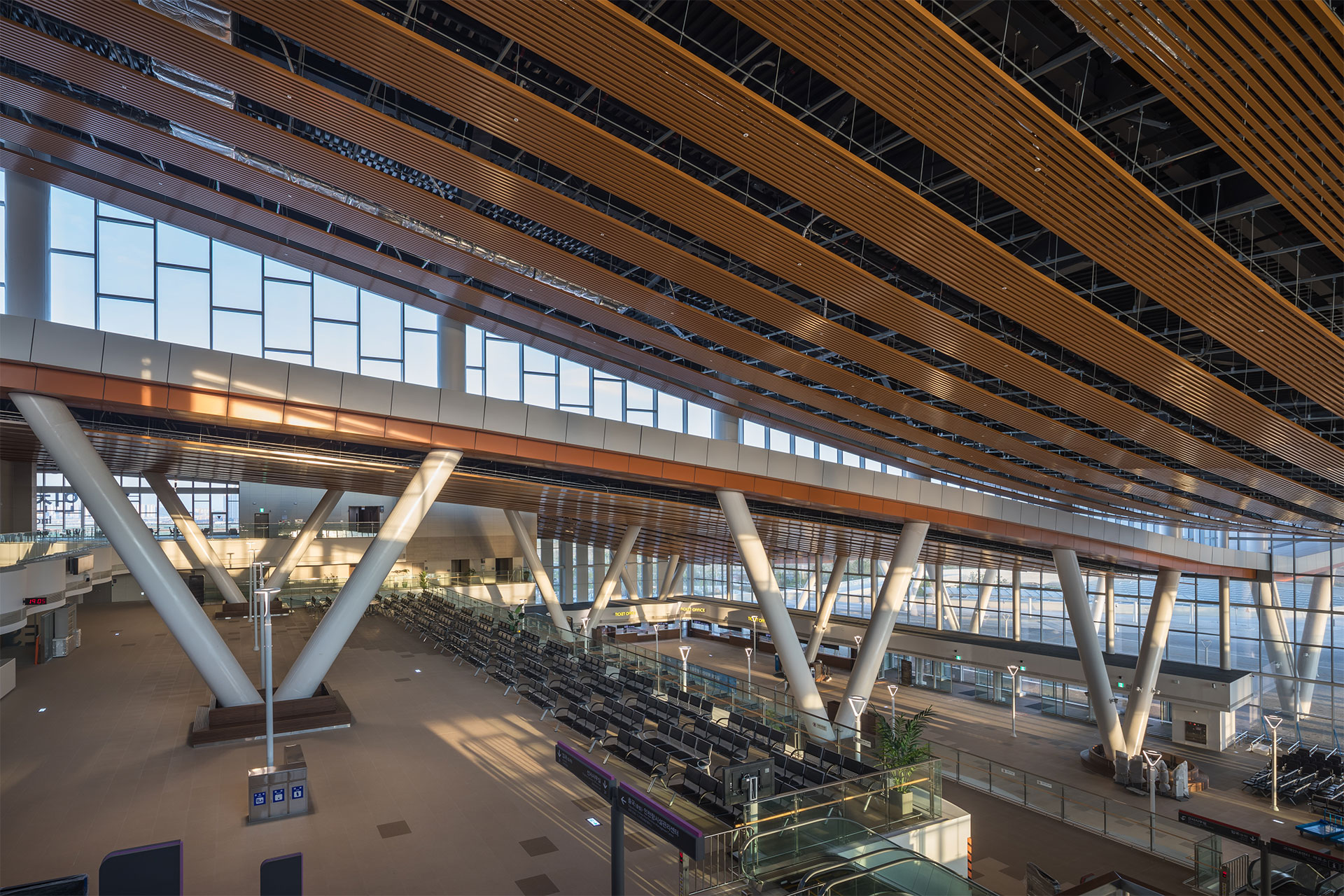
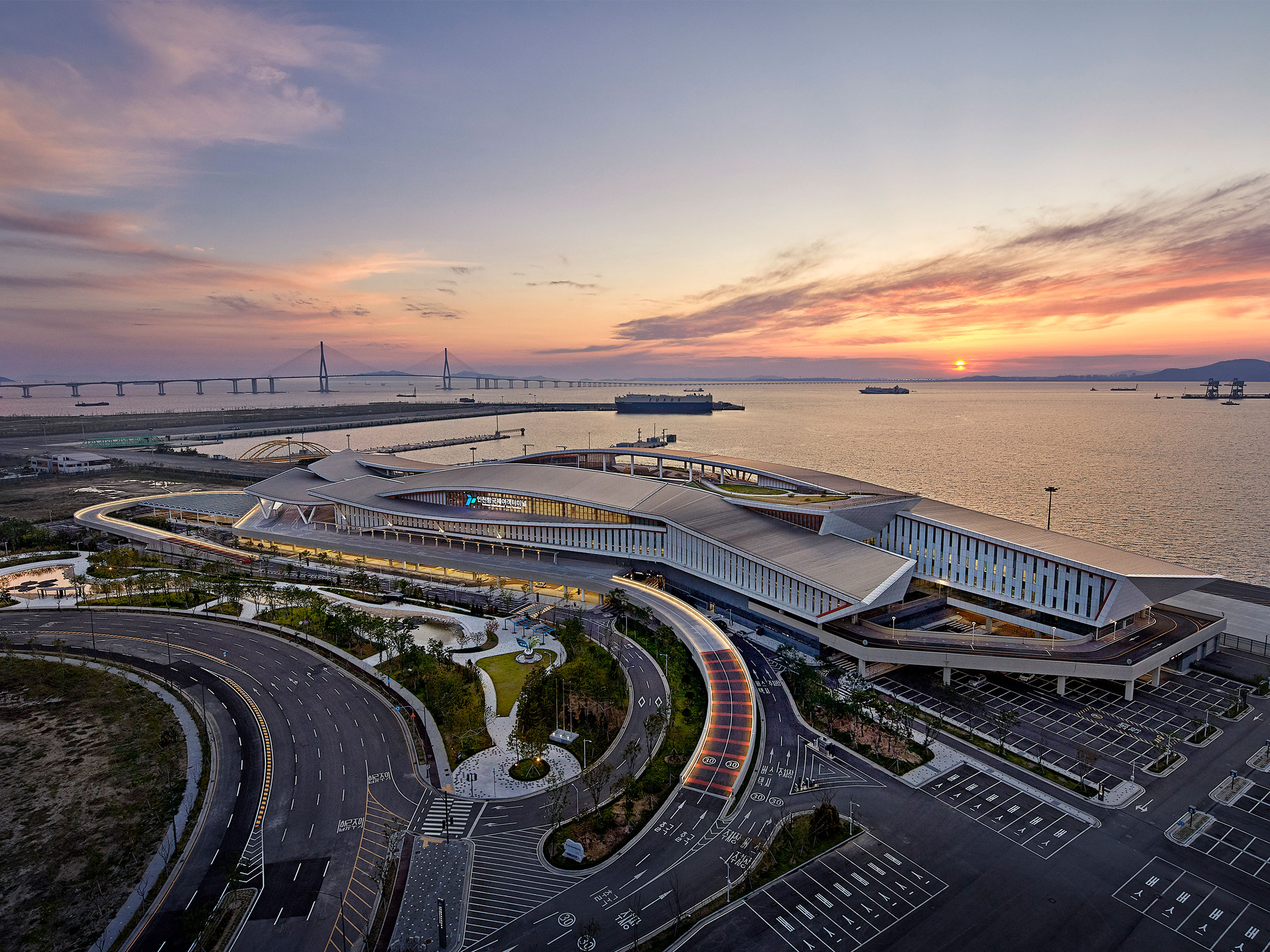
Incheon first opened its port to the world in 1883, and over 130 years later, it has firmly established itself as Northeast Asia’s premier hub city. However, the port remains divided between the First and Second International Passenger Terminals, which presents limitations in both scale and image for the initial experience of foreigners entering Korea.
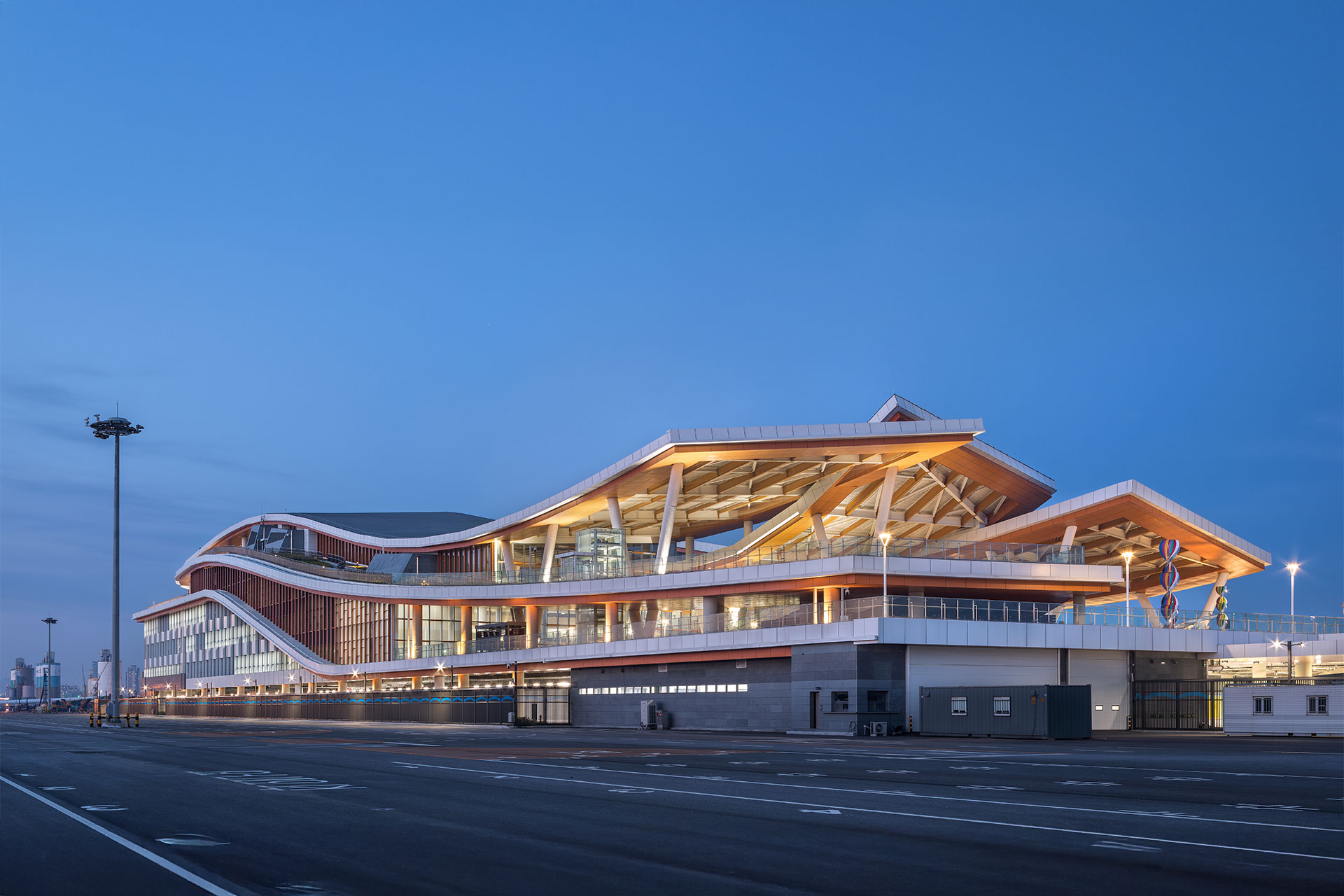
The primary objective of the Incheon Port International Passenger Terminal design is to resolve the inconvenience caused by this dual system, reduce port operating costs, and create a unified international passenger terminal that enhances the nation’s image. To achieve this, the plan called for spaces and systems worthy of welcoming global cruise travelers to Incheon, while simultaneously embodying a symbolic image that reflects the city’s own identity and inspires excitement among travelers.
Article

-
Status
Completed
-
Awards
- 2020 Korea Ecological Environmental Architecture Awards Grand Prize
- 2015 BIM Awards President of Building Smart Association Award
-
Client
Incheon Port Authority
-
Program
Transportation, Public
-
Design Year
2013
-
Completion Year
2020
-
Location
Yeonsu-gu, Incheon
-
Site area
82,595.00m2
-
Gross Floor Area
65,715.22m2
-
Building Area
36,462.97m2
-
Number of Levels
5F
-
Design
-
Partner
NIKKEN SEKKEI LTD, Hwawon Architects & Engineers
-
Participants
Incheon first opened its port to the world in 1883, and over 130 years later, it has firmly established itself as Northeast Asia’s premier hub city. However, the port remains divided between the First and Second International Passenger Terminals, which presents limitations in both scale and image for the initial experience of foreigners entering Korea.
The primary objective of the Incheon Port International Passenger Terminal design is to resolve the inconvenience caused by this dual system, reduce port operating costs, and create a unified international passenger terminal that enhances the nation’s image. To achieve this, the plan called for spaces and systems worthy of welcoming global cruise travelers to Incheon, while simultaneously embodying a symbolic image that reflects the city’s own identity and inspires excitement among travelers.
Article