Close
![Popup Image]()
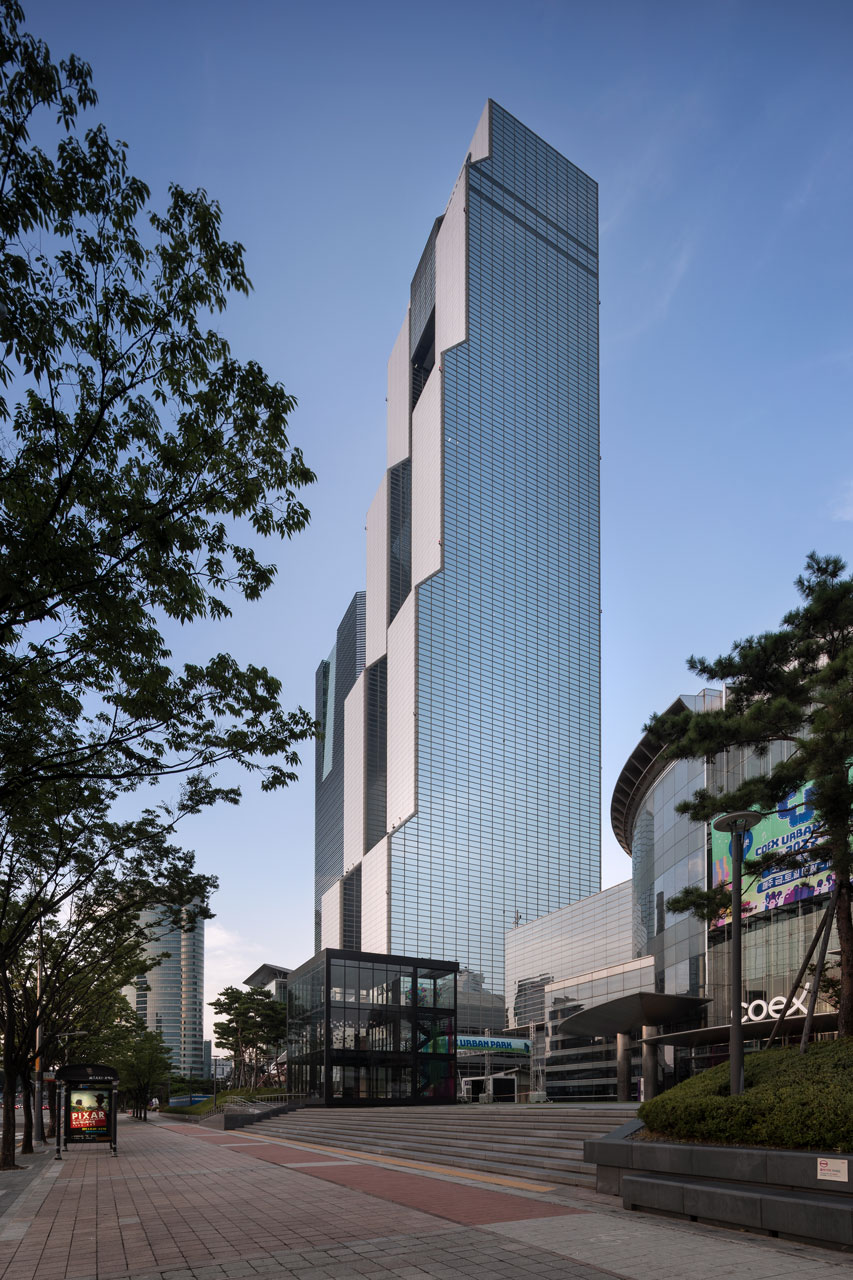
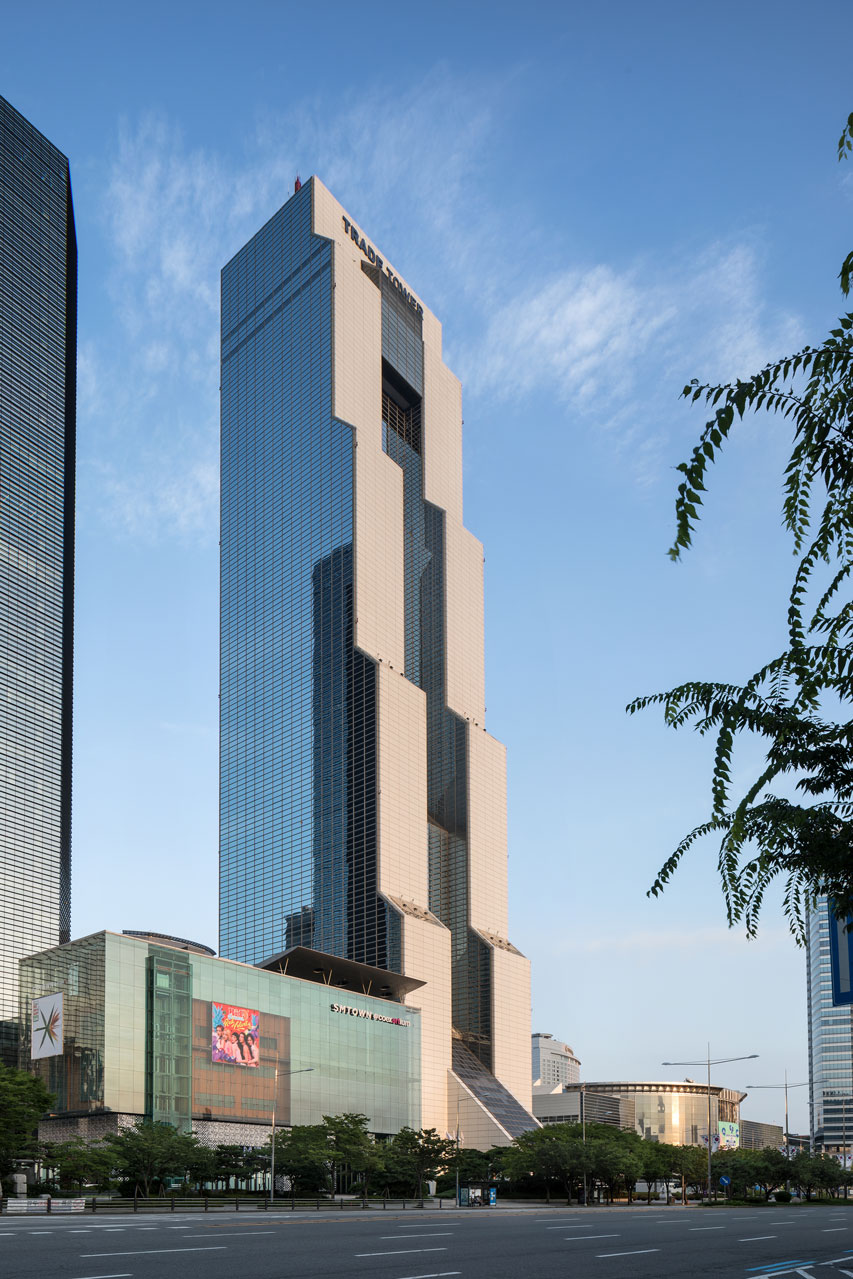
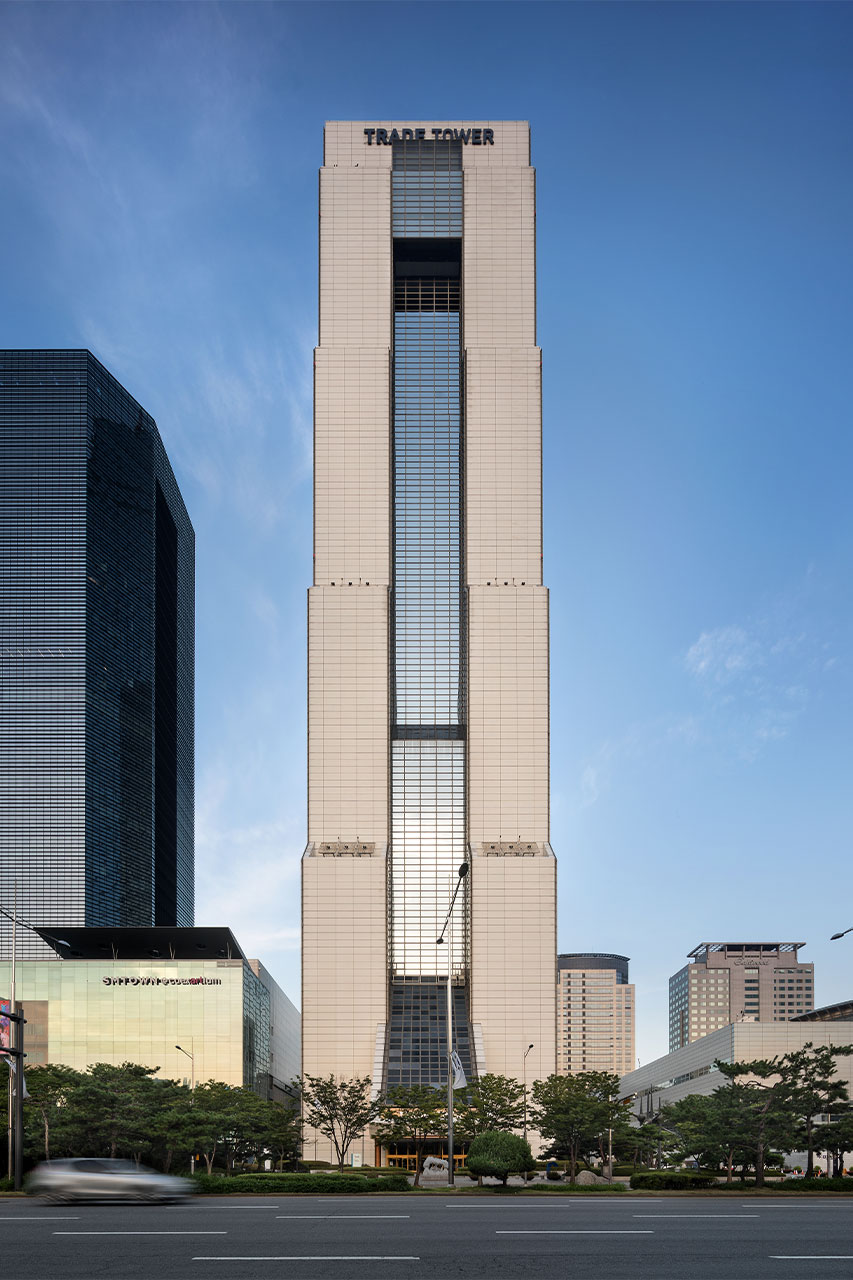
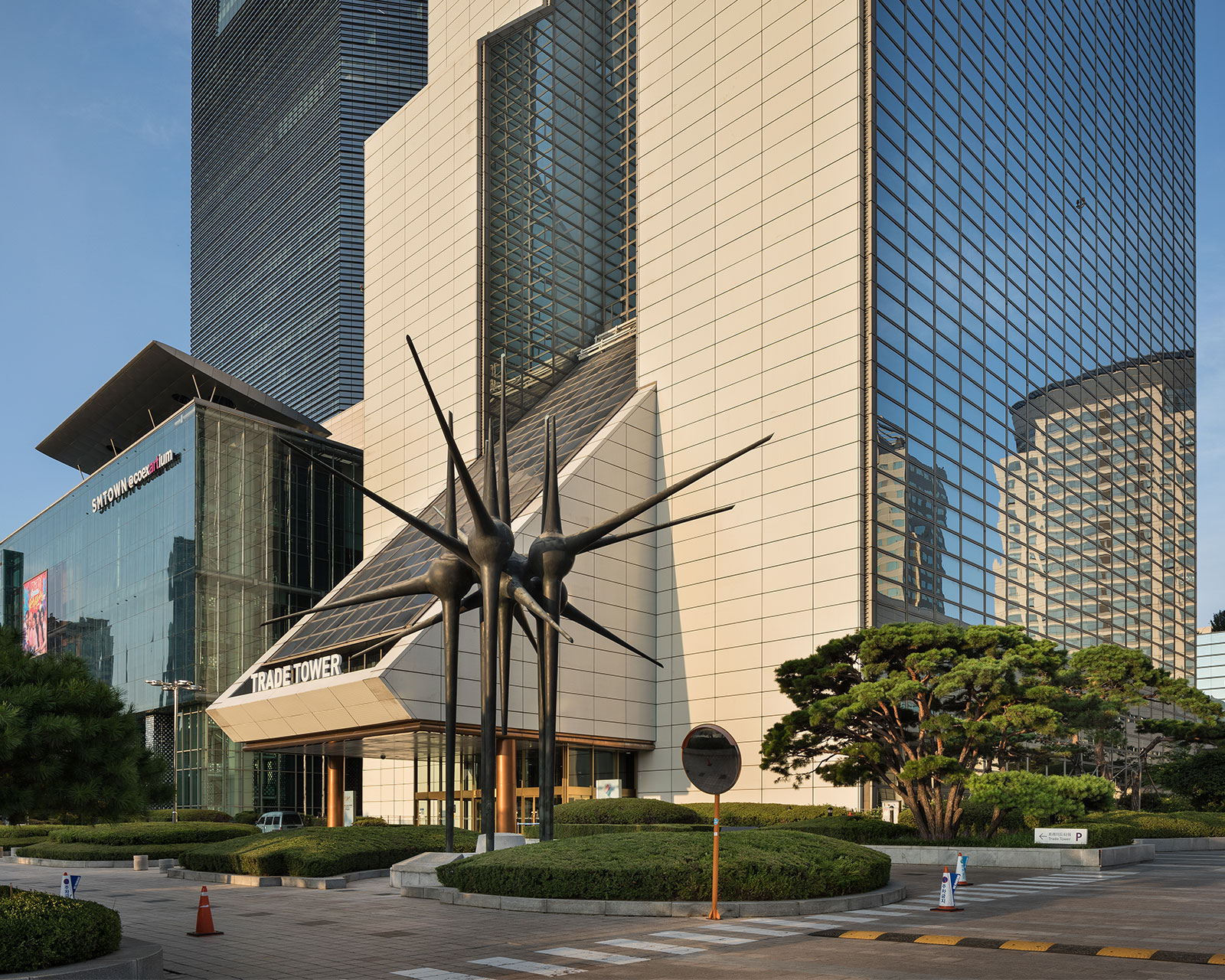
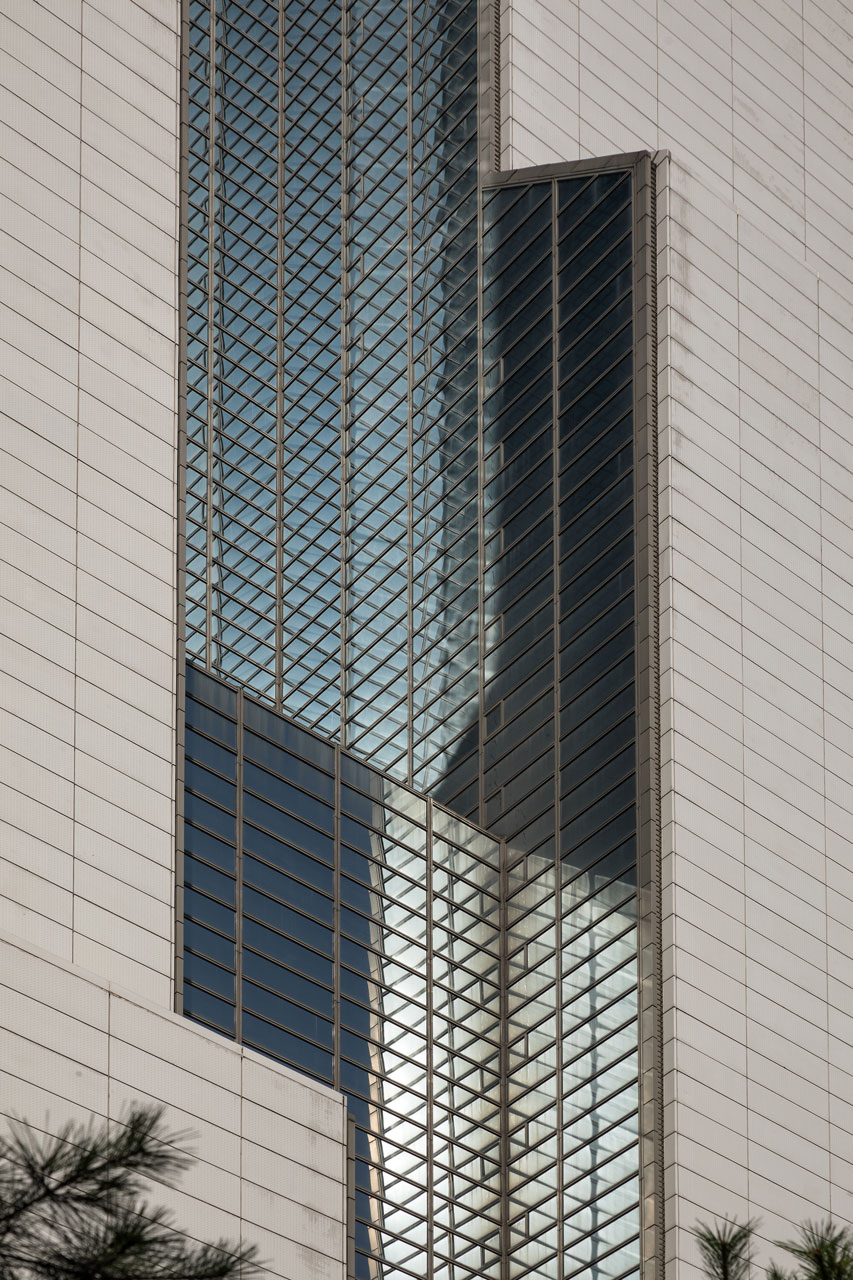
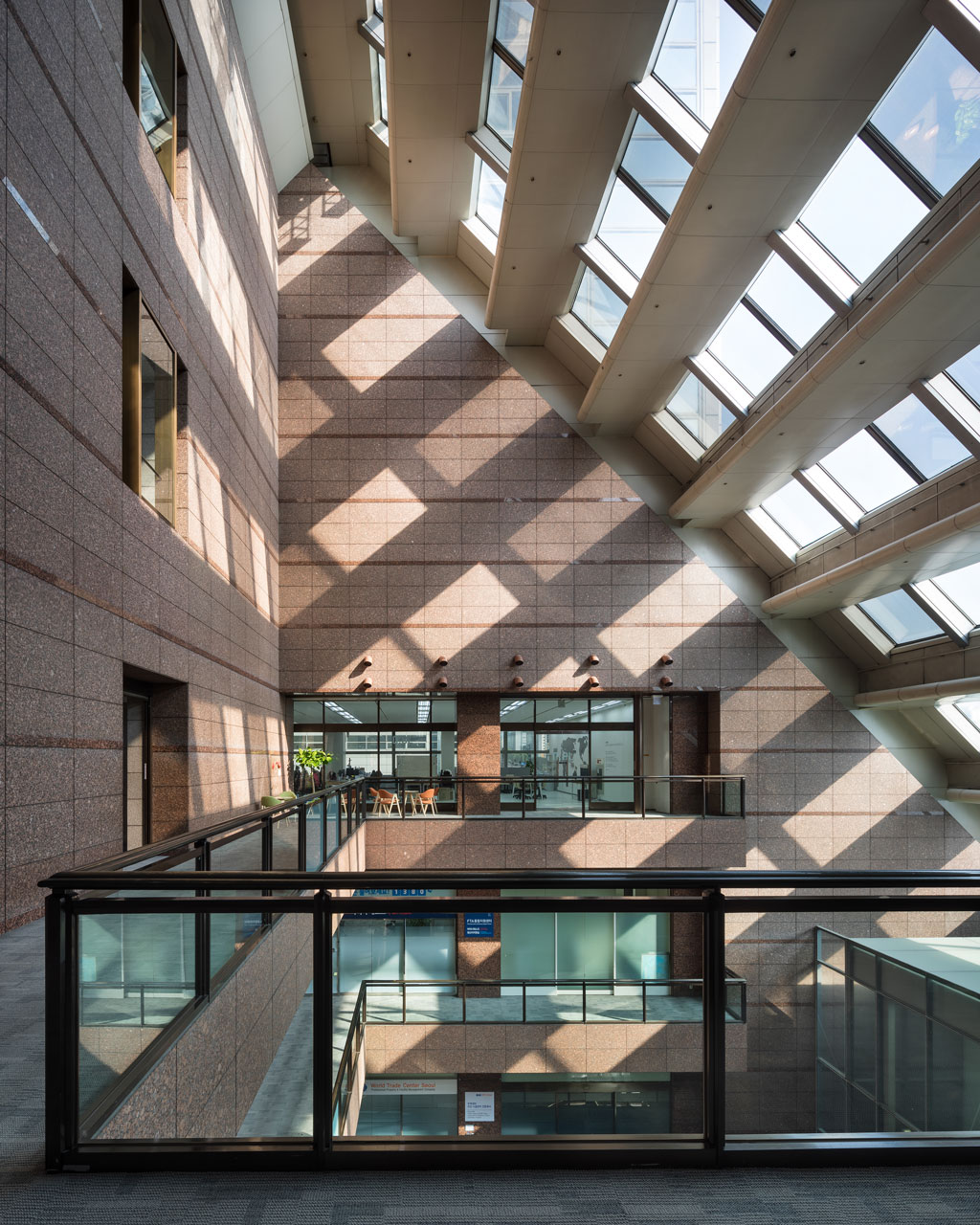
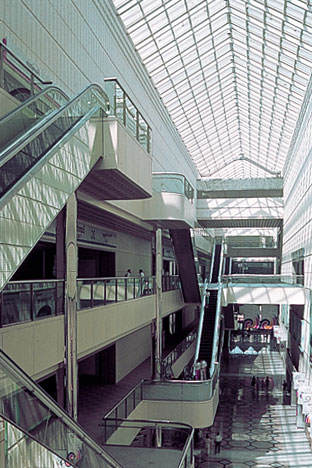
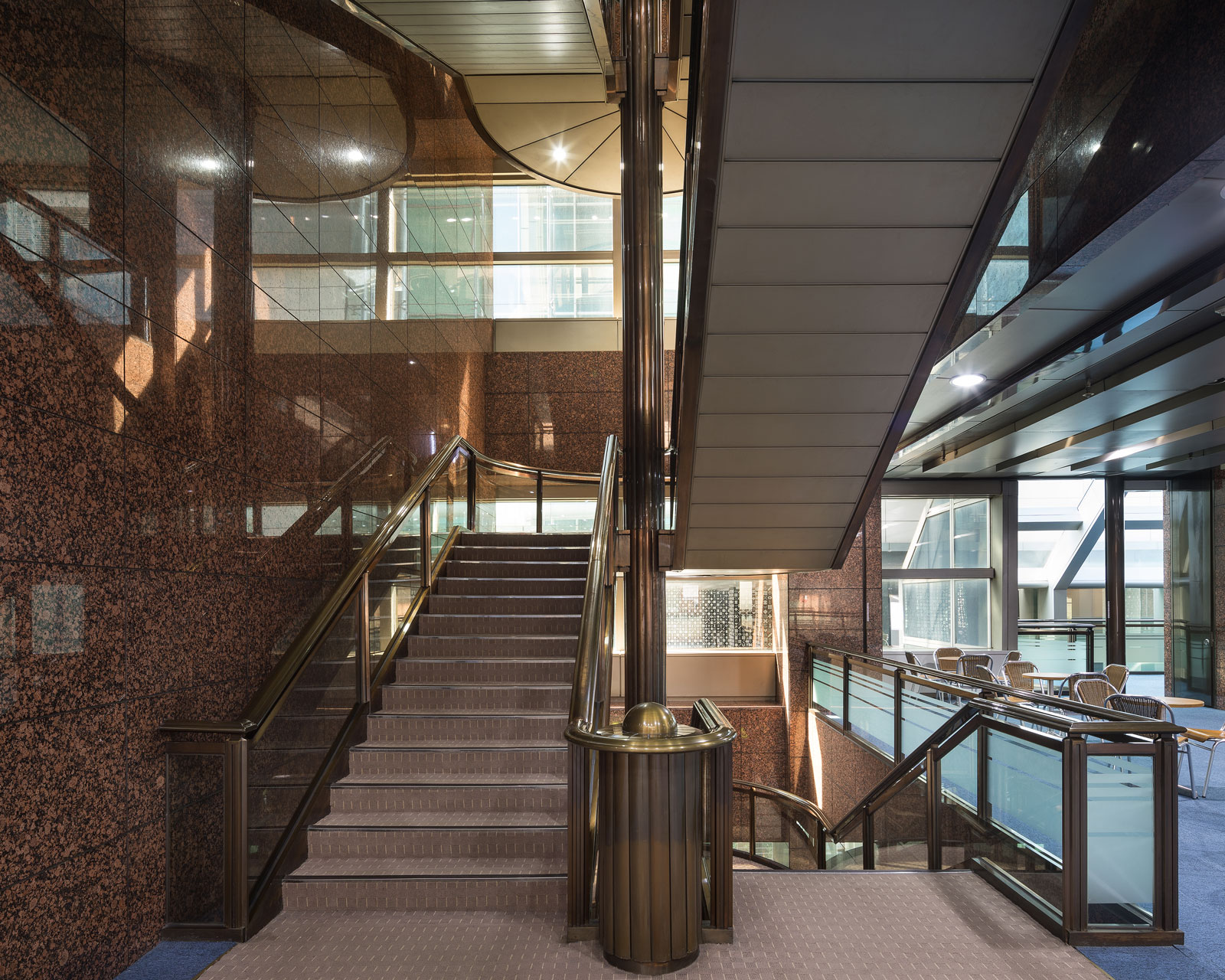
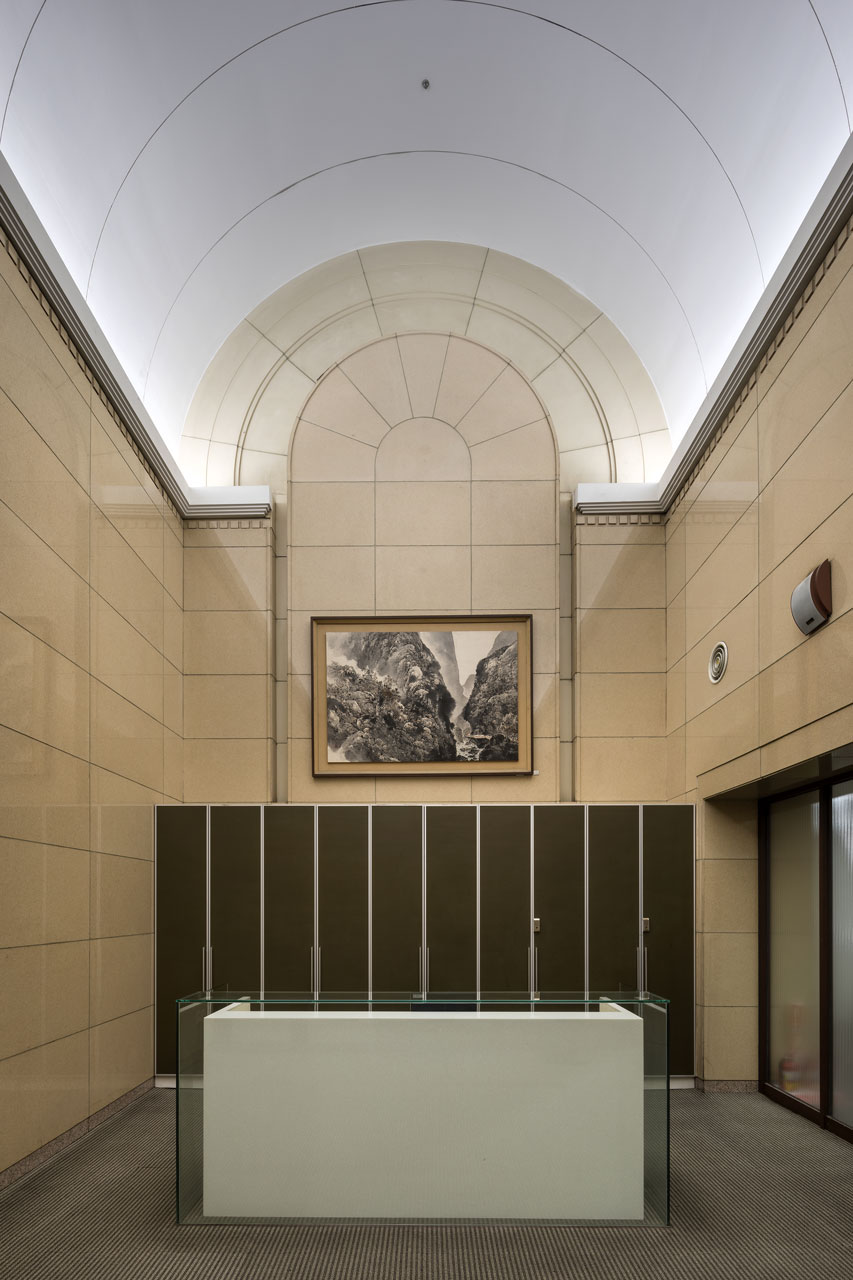
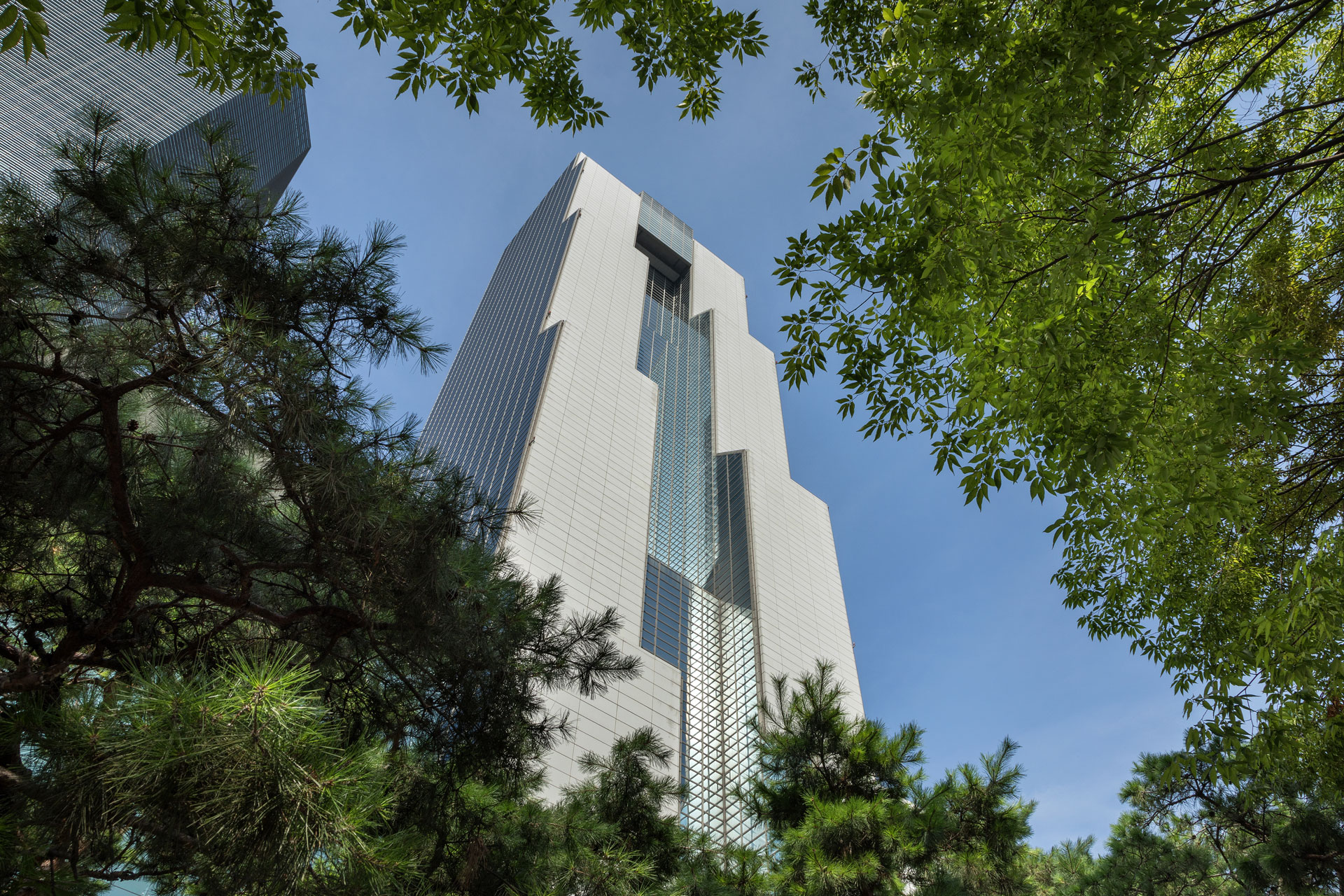
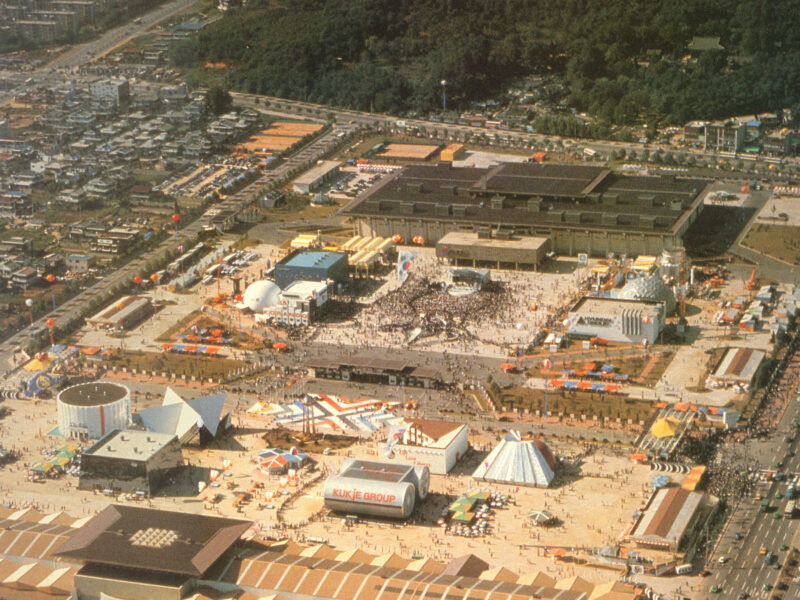
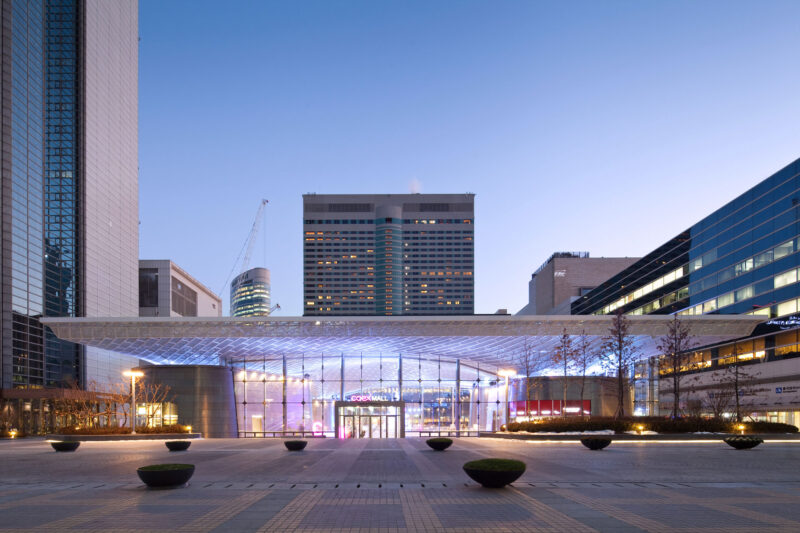
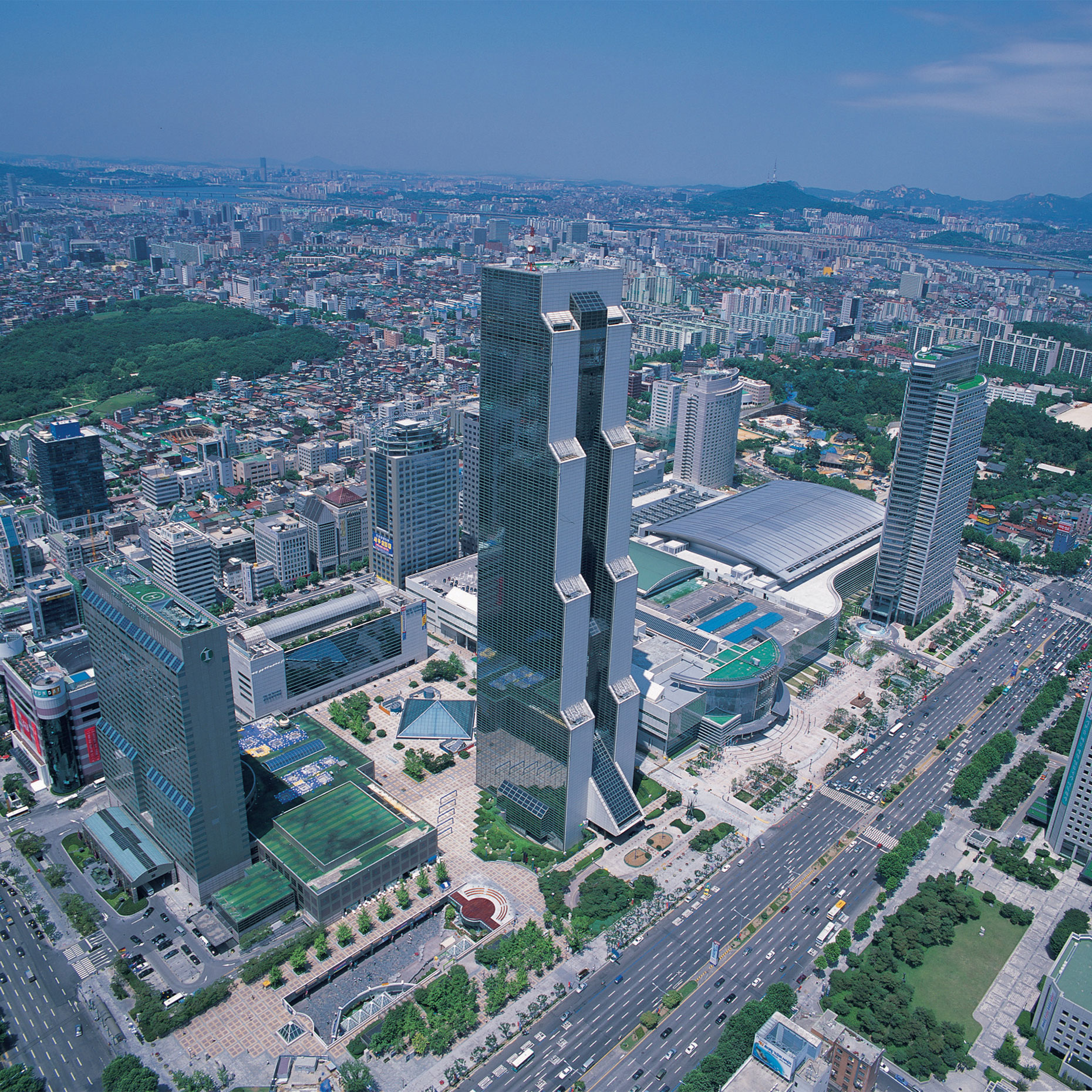
The Trade Center, located in the heart of Gangnam-gu, Seoul, is a landmark symbolizing Korea’s globalization in the 1980s. Designed by the consortium with Nikken Sekkei and Wondoshi Architects Group after winning the international invited competition in November 1984, the Trade Center was planned to flexibly accommodate activities related to the growing international trade industry as well as events connected to the 1988 Seoul Olympics. It integrates a comprehensive exhibition hall showcasing top products from around the world, a trade hall providing trade information and support services, a hotel and department store offering rest and shopping environments for visiting businesspeople and tourists, and an airport terminal facilitating travel and transportation.
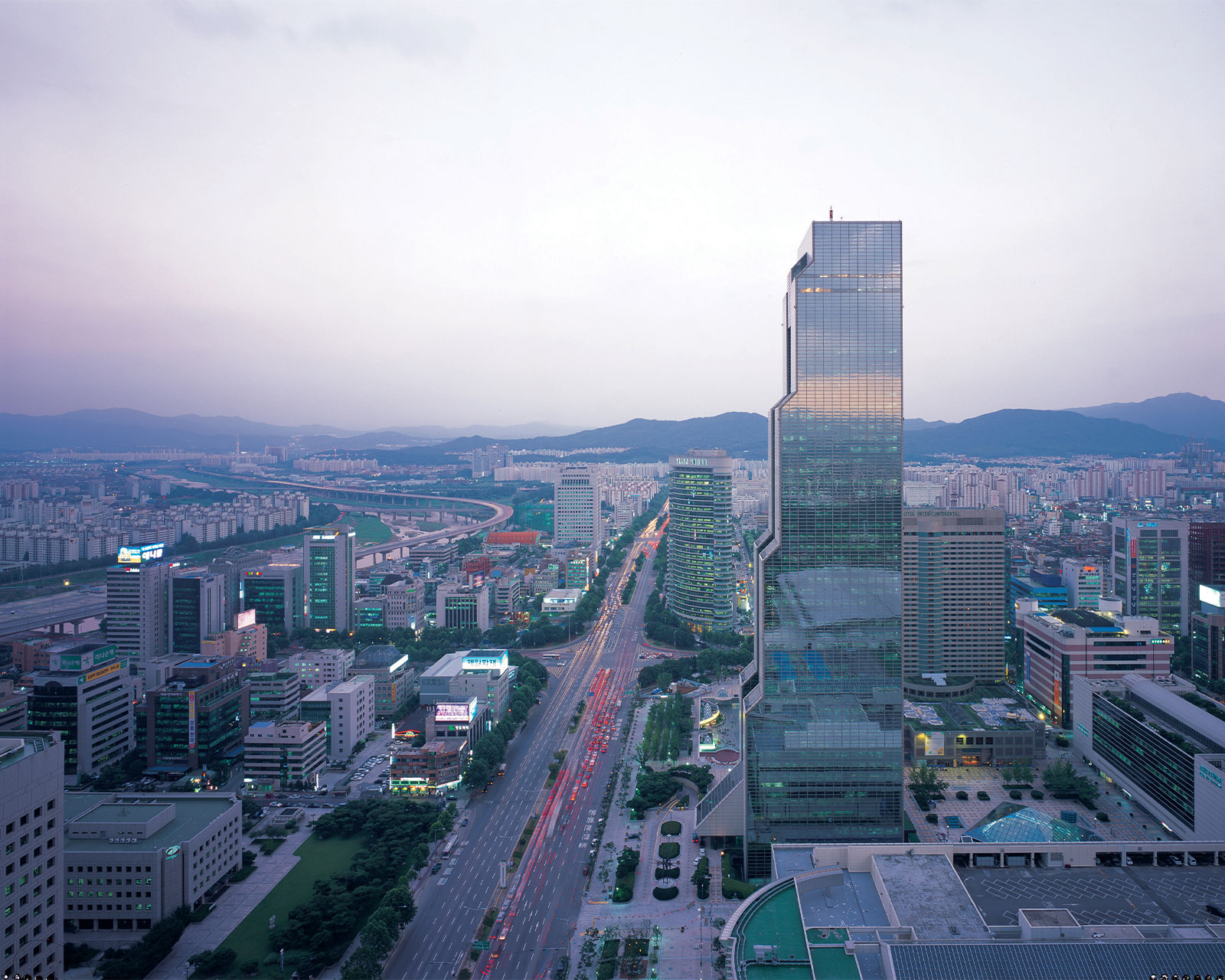
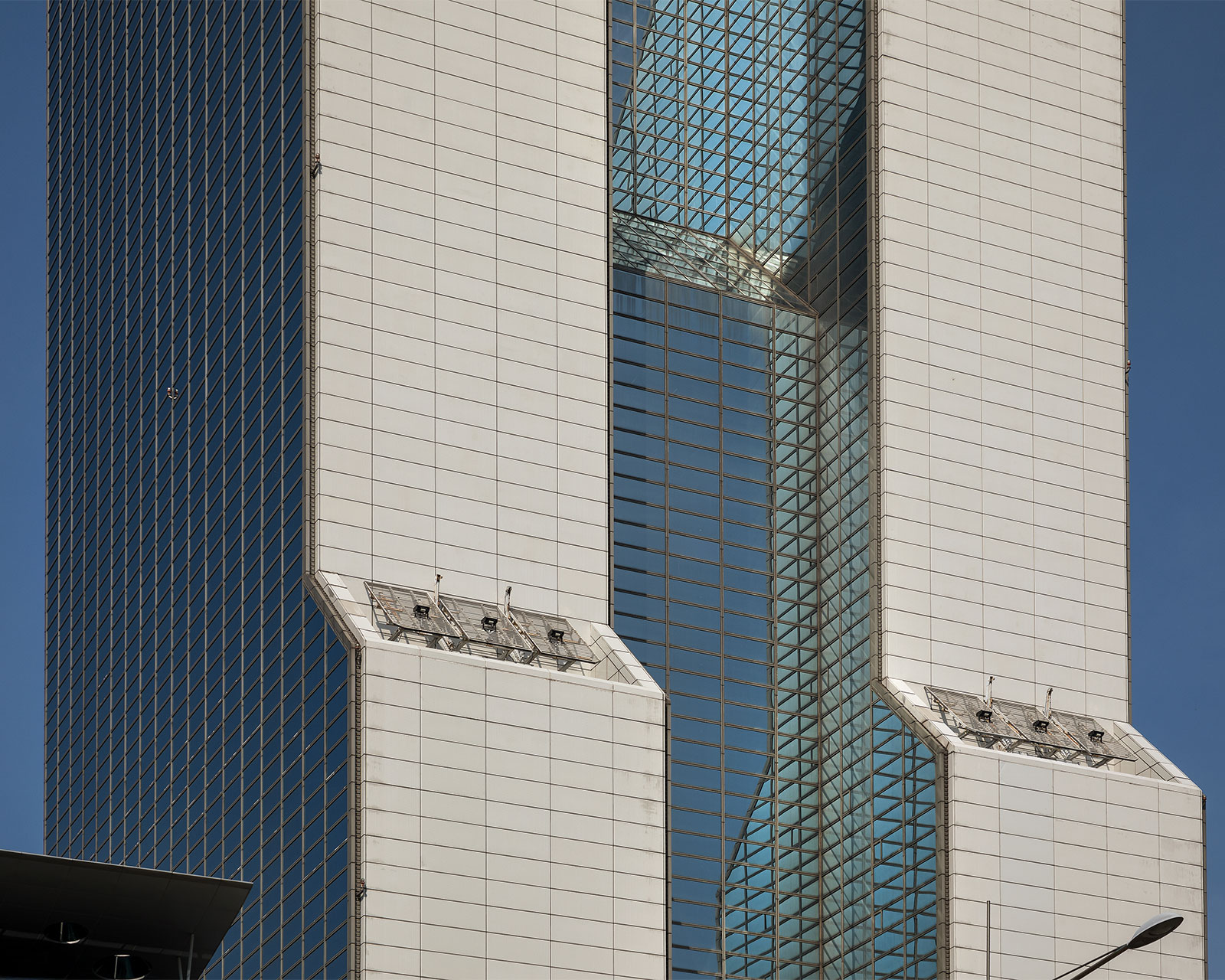
The building features two sleek masses rising vertically and connecting, with the upper sections set back opposite the road to form a shape reminiscent of stairs. The glass-finished façade and both sides reflect and float the surrounding urban scenery.
The office tower plan adopts a 3m by 3.3m space module and a 6m by 12.8m structural module. Offices are symmetrically arranged on both sides around a central core. The basement level 1 serves largely as a public space, with part designed as a sunken garden to bring in daylight.
In the exhibition building, the permanent exhibition hall uses a 9m by 9m module, and the planned exhibition hall uses an 18m by 18m module. The top floor of the planned exhibition hall is equipped with a 54m span trussed roof designed to enable exhibition and large assembly. Between the permanent and planned exhibition areas, facilities supporting various exhibition functions and large visitor flows are arranged. Large ramps and loading docks facilitate the movement of exhibits and cargo while ensuring smooth vehicle circulation for rooftop parking.
Archive

-
Status
Completed
-
Client
Korea International Trade Association(KITA)
-
Program
office, Retail
-
Design Year
1984
-
Completion Year
1988
-
Location
Gangnam-gu, Seoul
-
Site area
190,413.34m2
-
Gross Floor Area
107,708.94m2
-
Building Area
2,973.91m2
-
Number of Levels
B2, 54F
-
Partner
NIKKEN SEKKEI, Wondoshi Architecture
The Trade Center, located in the heart of Gangnam-gu, Seoul, is a landmark symbolizing Korea’s globalization in the 1980s. Designed by the consortium with Nikken Sekkei and Wondoshi Architects Group after winning the international invited competition in November 1984, the Trade Center was planned to flexibly accommodate activities related to the growing international trade industry as well as events connected to the 1988 Seoul Olympics. It integrates a comprehensive exhibition hall showcasing top products from around the world, a trade hall providing trade information and support services, a hotel and department store offering rest and shopping environments for visiting businesspeople and tourists, and an airport terminal facilitating travel and transportation.
The building features two sleek masses rising vertically and connecting, with the upper sections set back opposite the road to form a shape reminiscent of stairs. The glass-finished façade and both sides reflect and float the surrounding urban scenery.
The office tower plan adopts a 3m by 3.3m space module and a 6m by 12.8m structural module. Offices are symmetrically arranged on both sides around a central core. The basement level 1 serves largely as a public space, with part designed as a sunken garden to bring in daylight.
In the exhibition building, the permanent exhibition hall uses a 9m by 9m module, and the planned exhibition hall uses an 18m by 18m module. The top floor of the planned exhibition hall is equipped with a 54m span trussed roof designed to enable exhibition and large assembly. Between the permanent and planned exhibition areas, facilities supporting various exhibition functions and large visitor flows are arranged. Large ramps and loading docks facilitate the movement of exhibits and cargo while ensuring smooth vehicle circulation for rooftop parking.
Archive