Close
![Popup Image]()
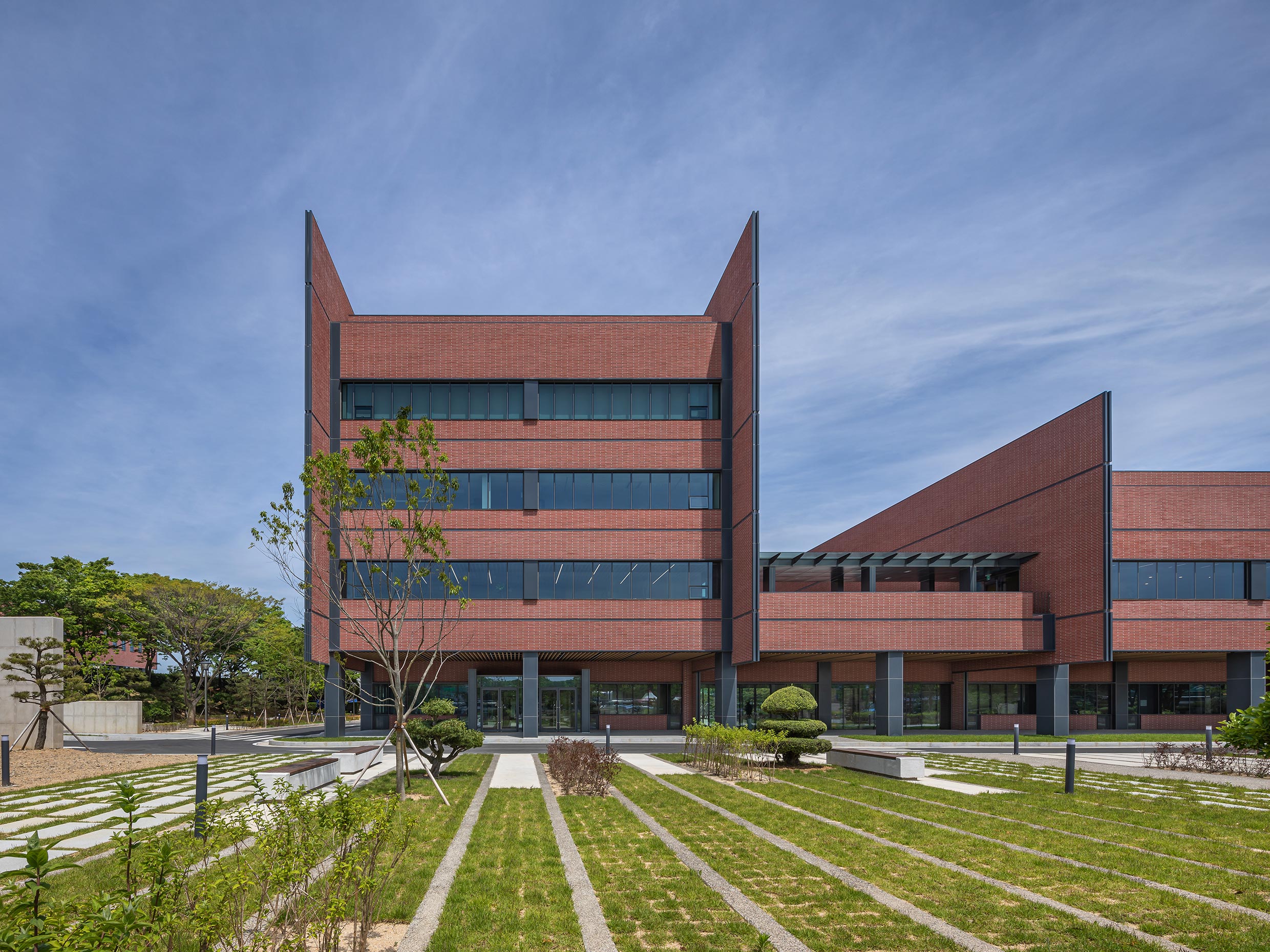
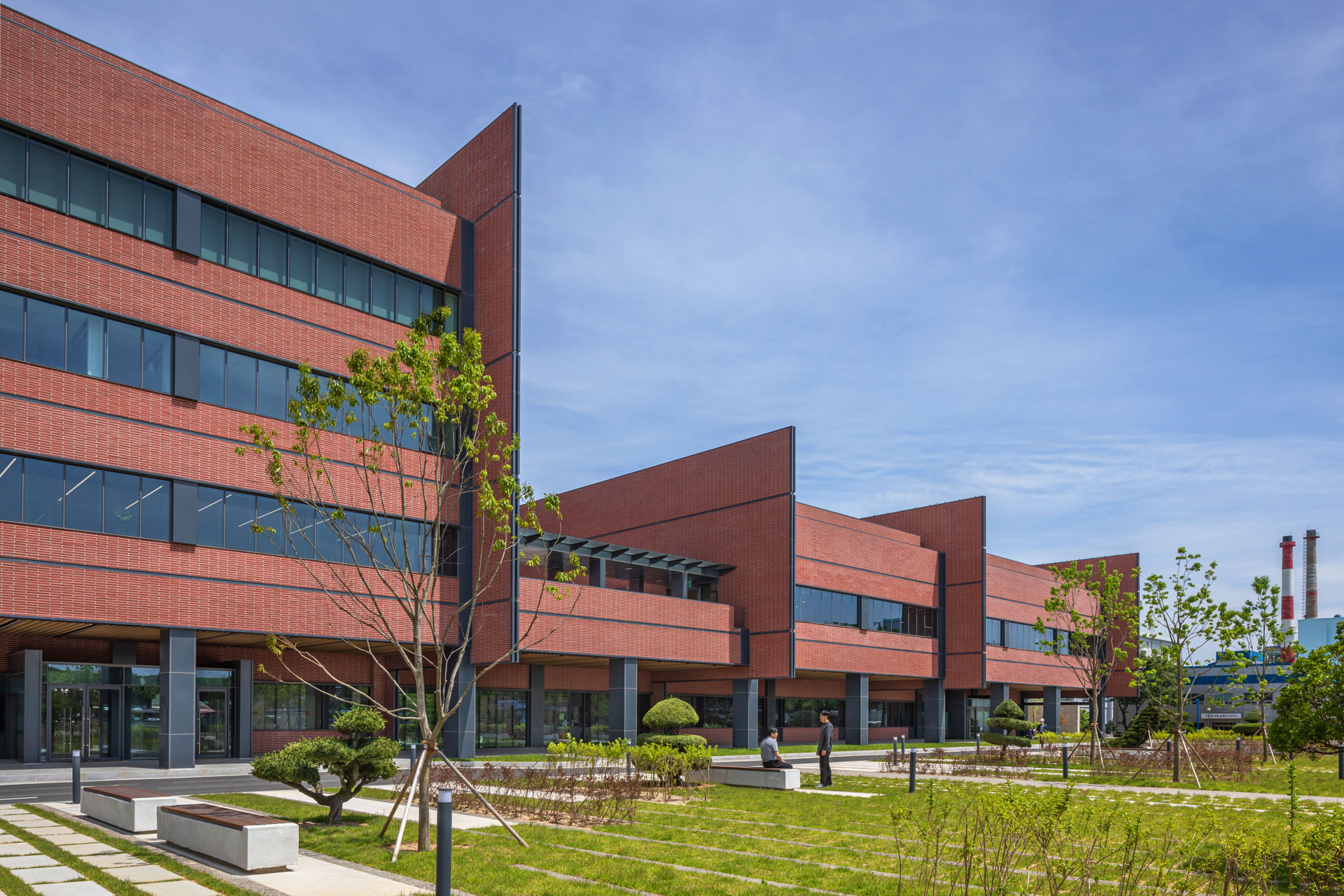
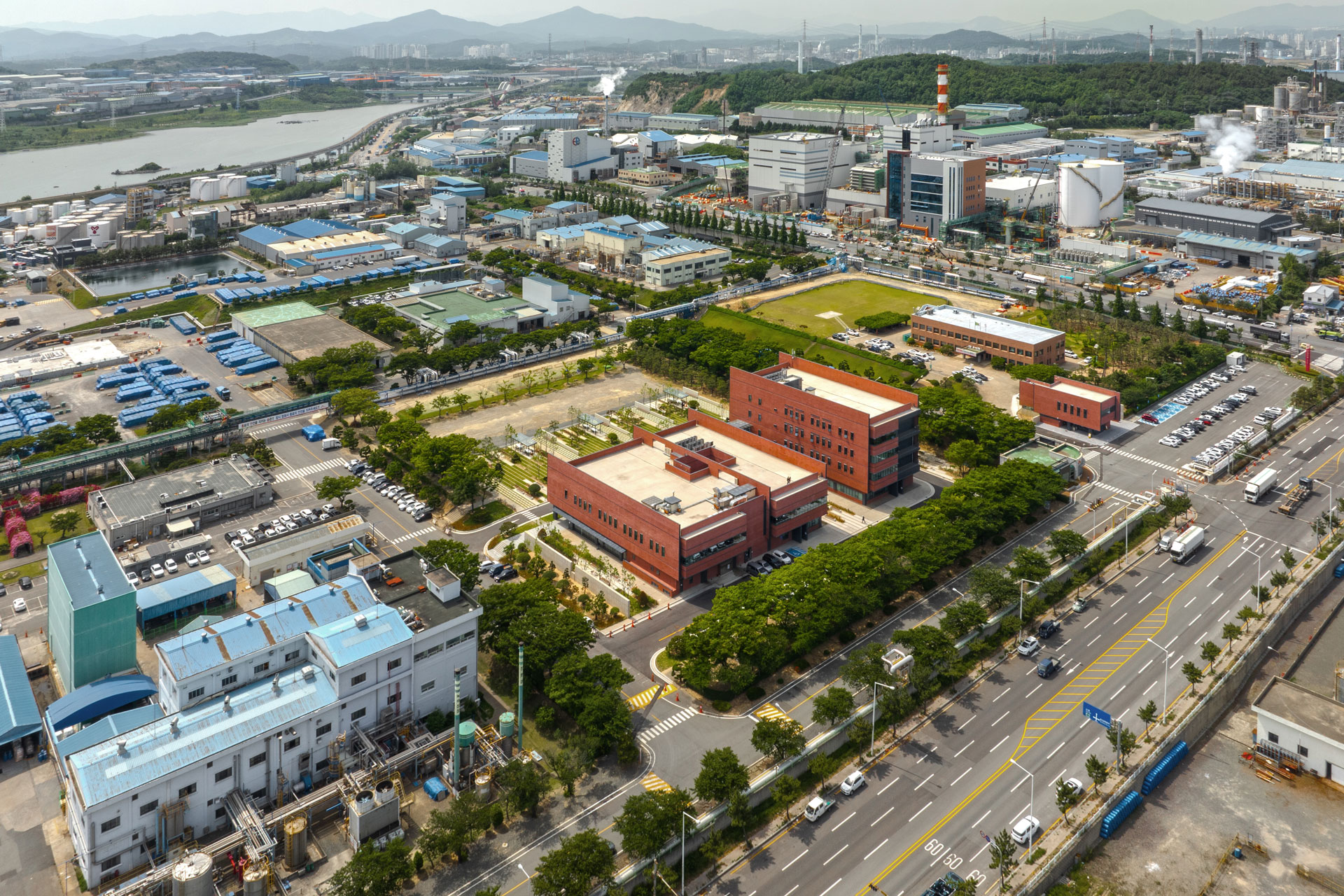
The SK Chemicals Ulsan Factory Complex is a distinctive site where landscaping is specially managed, featuring abundant greenery within the industrial cityscape. Echoing this character, the new general management building, “G-House,” was conceived from the site planning stage with passive design principles to provide a place where employees can relax and recharge in nature. Junglim Architecture integrated previously scattered functions into the general management and welfare buildings, redistributing them into appropriately scaled and functional spatial volumes to improve convenience of use for both visitors and employees.
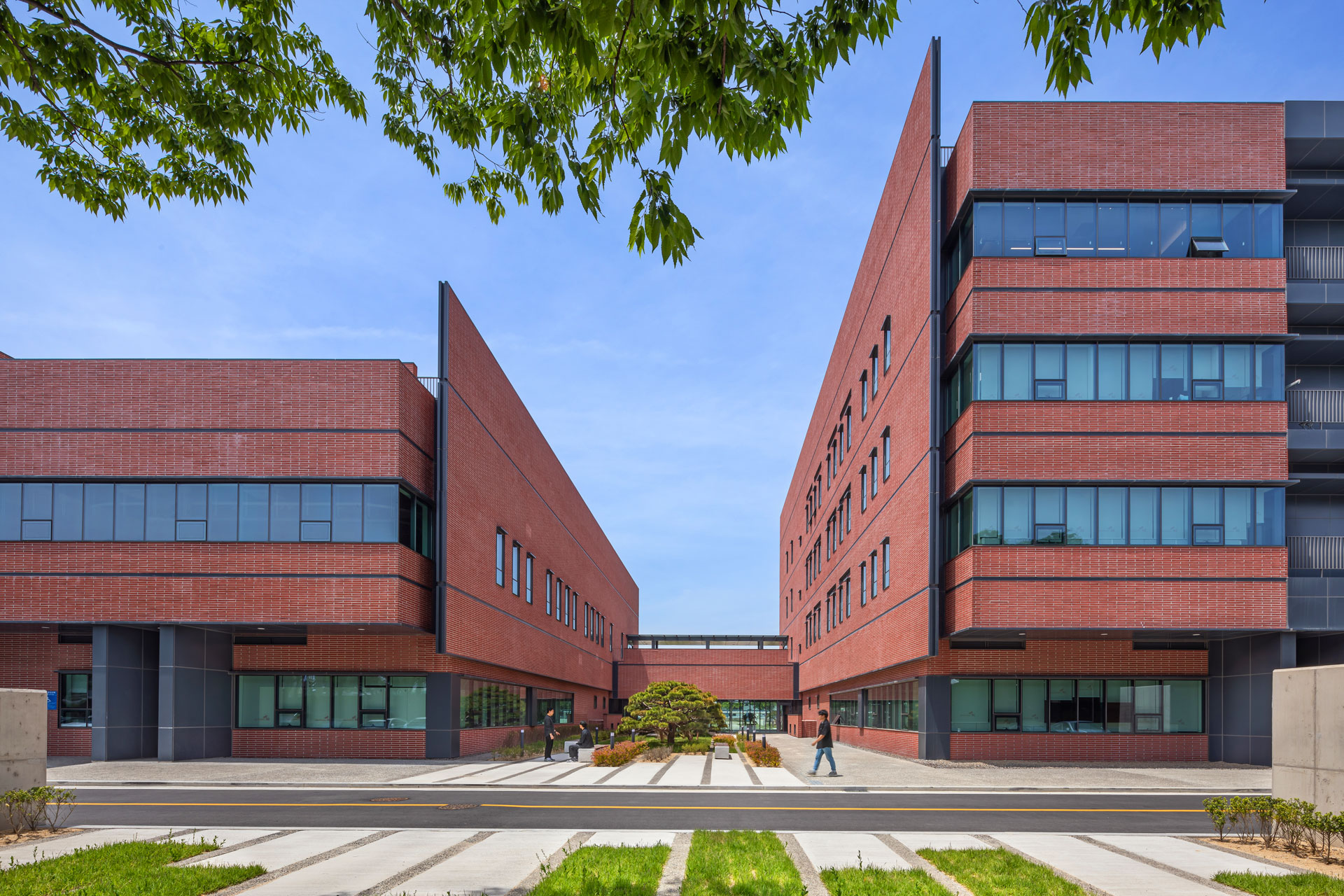
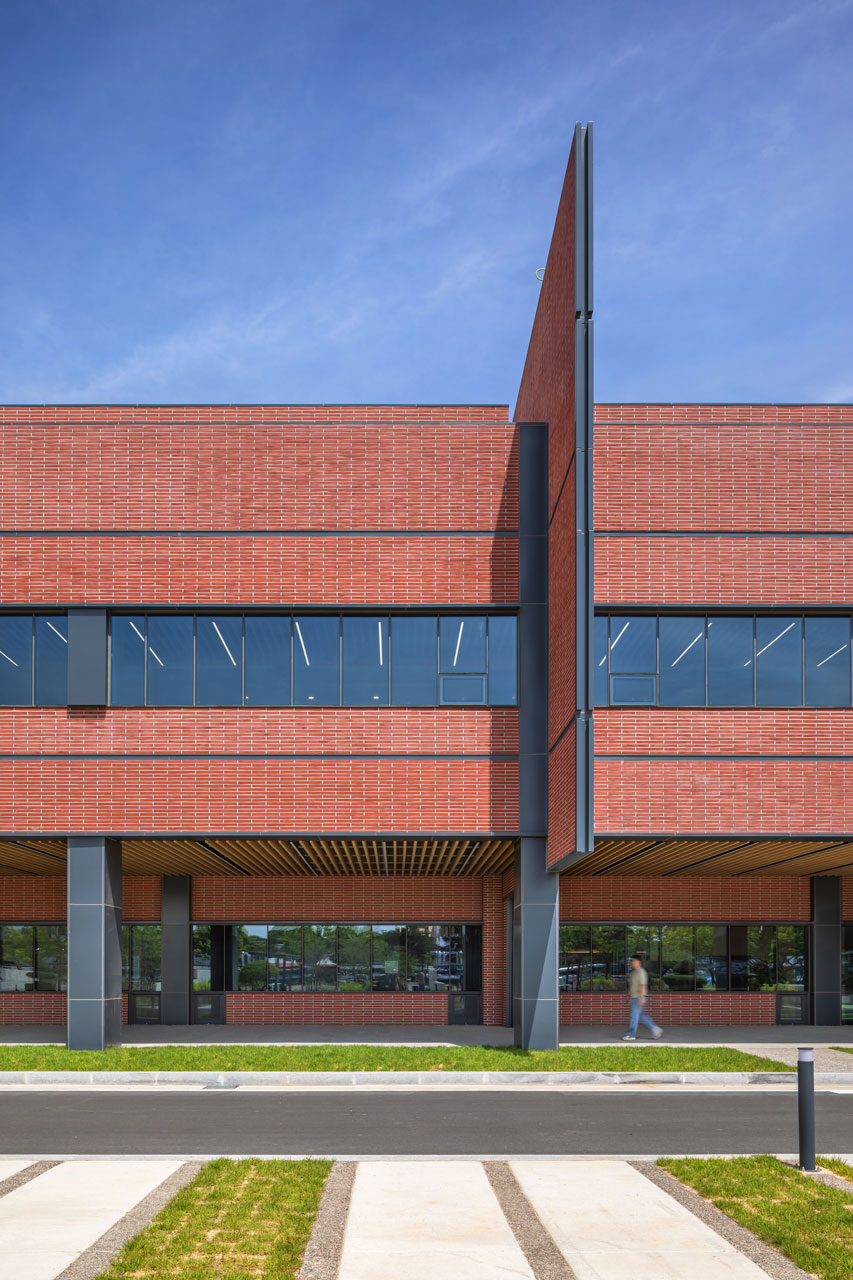
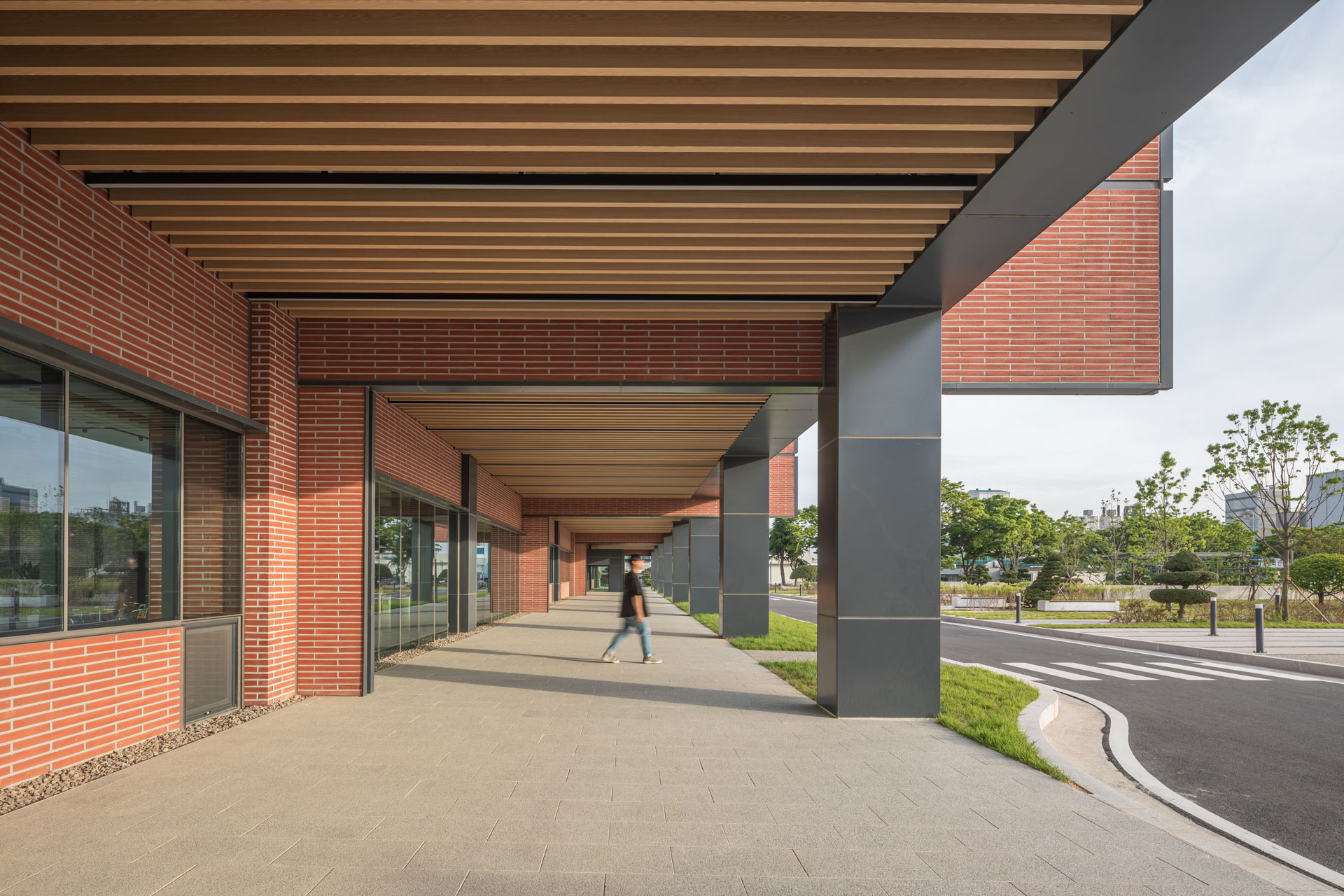
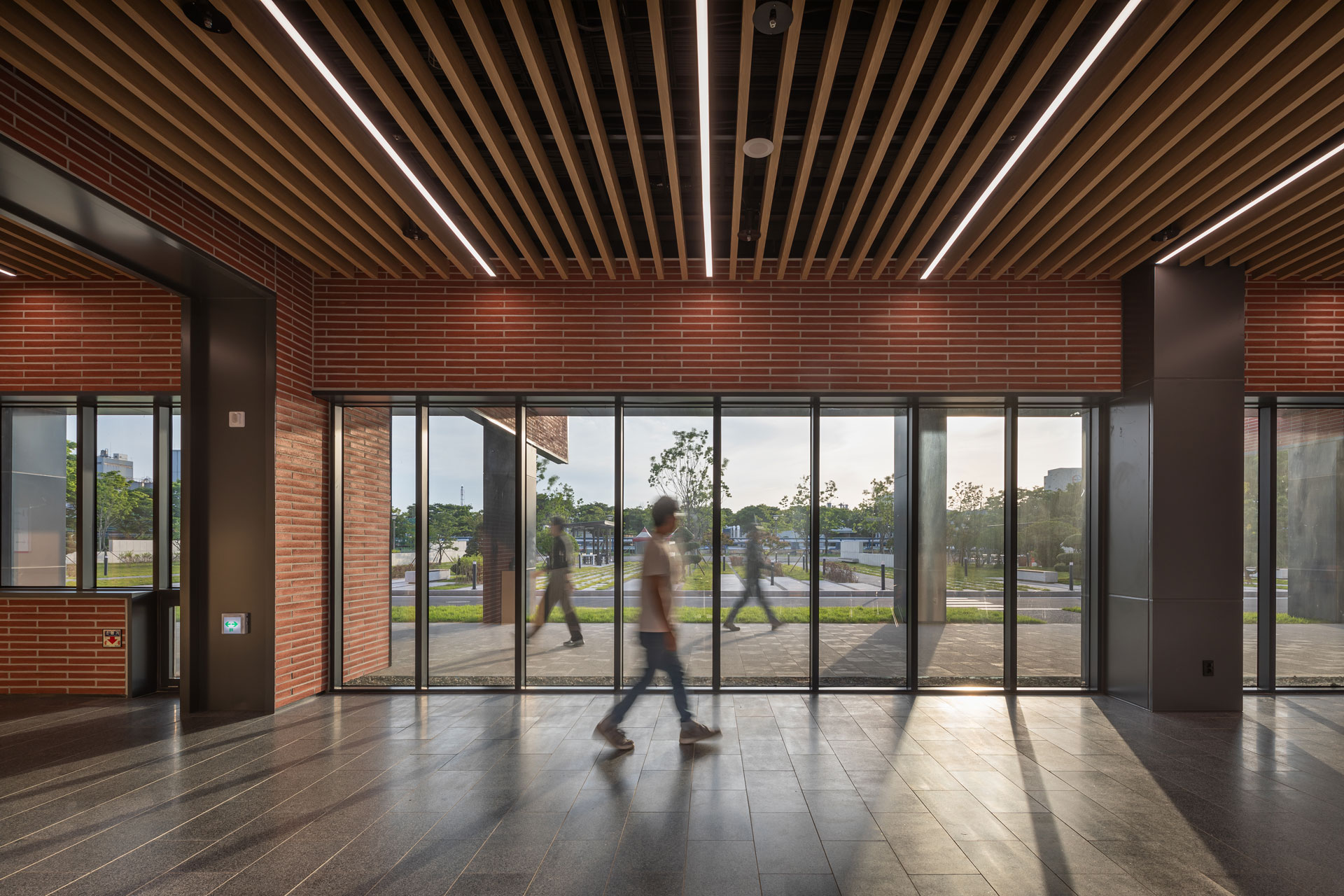
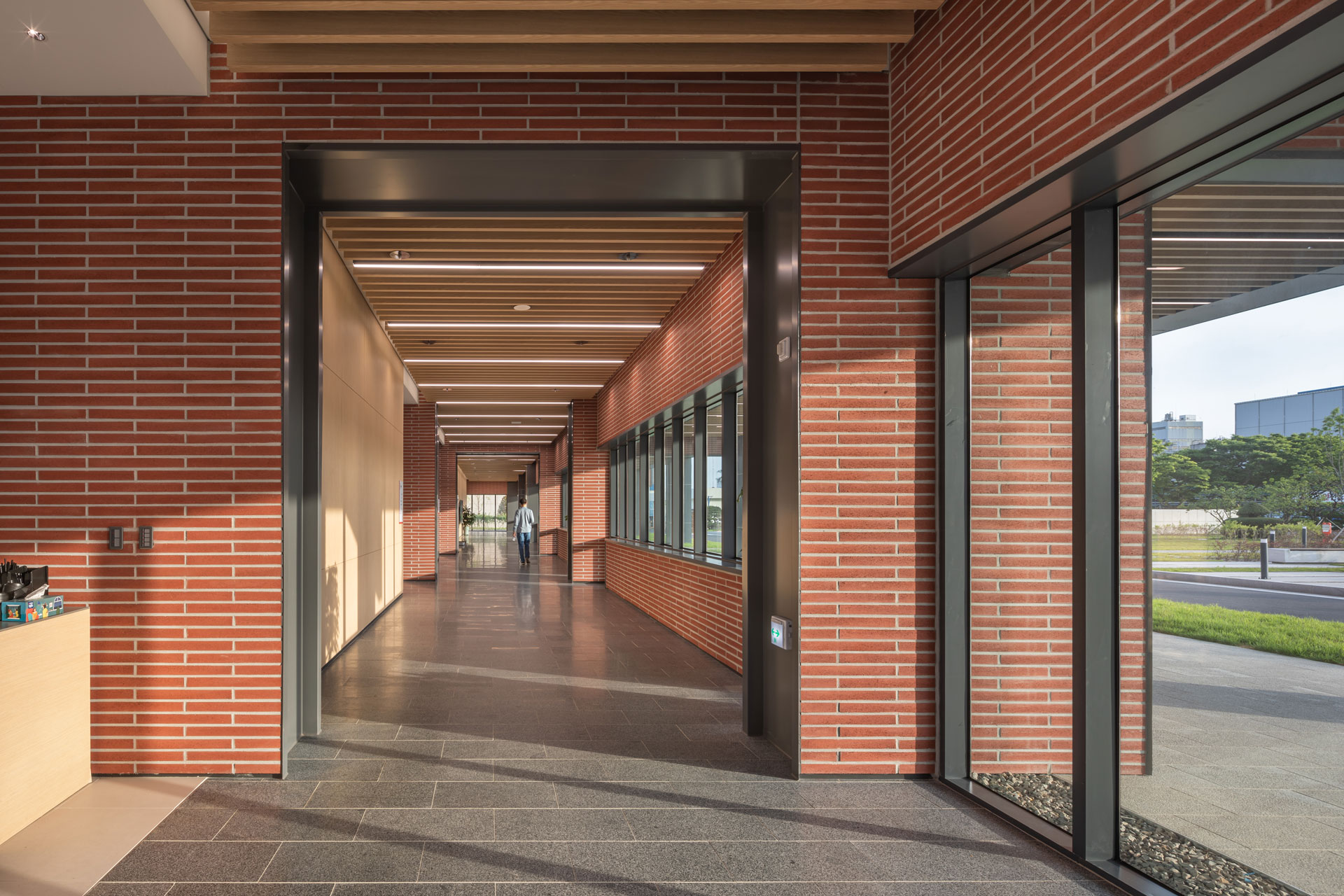
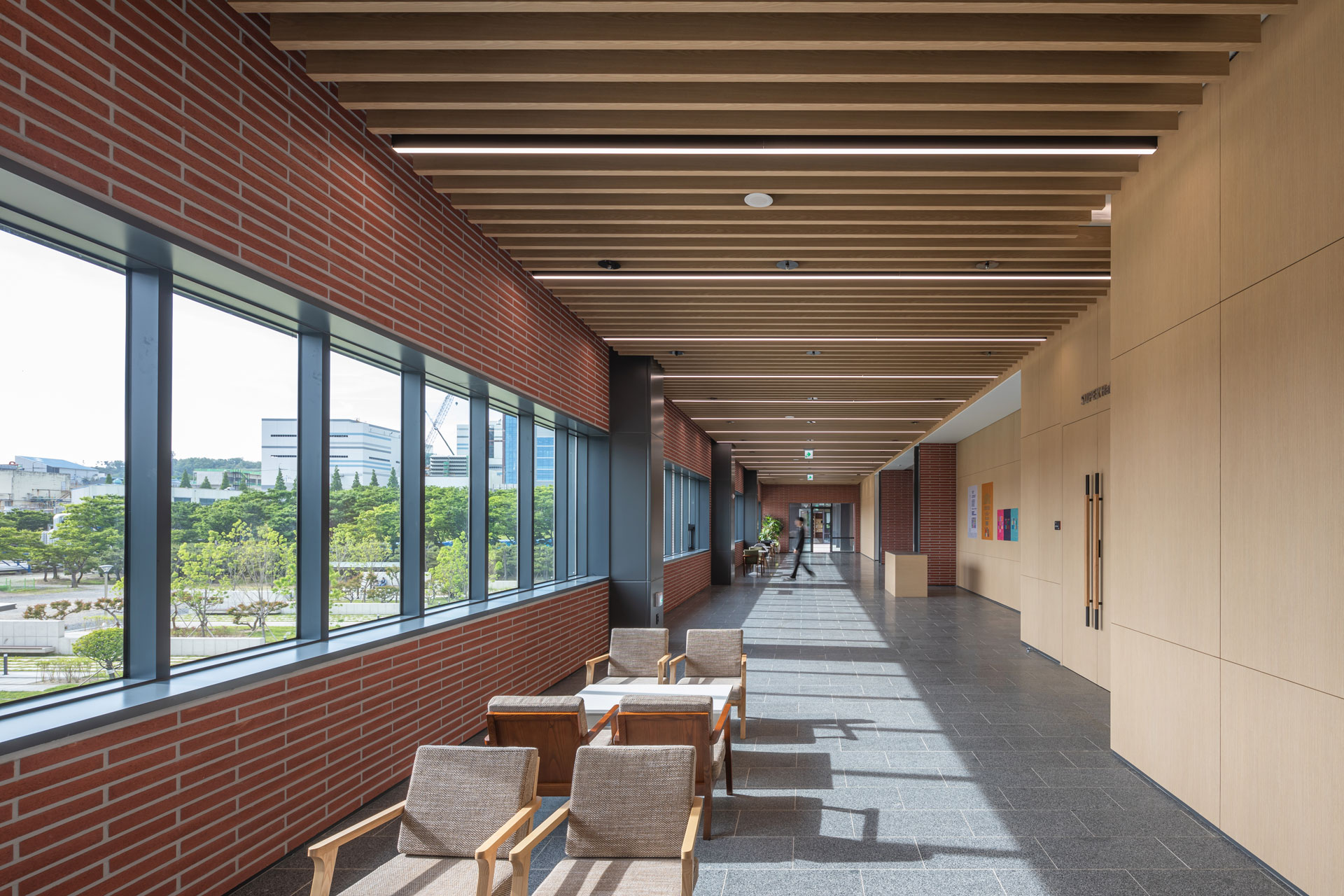
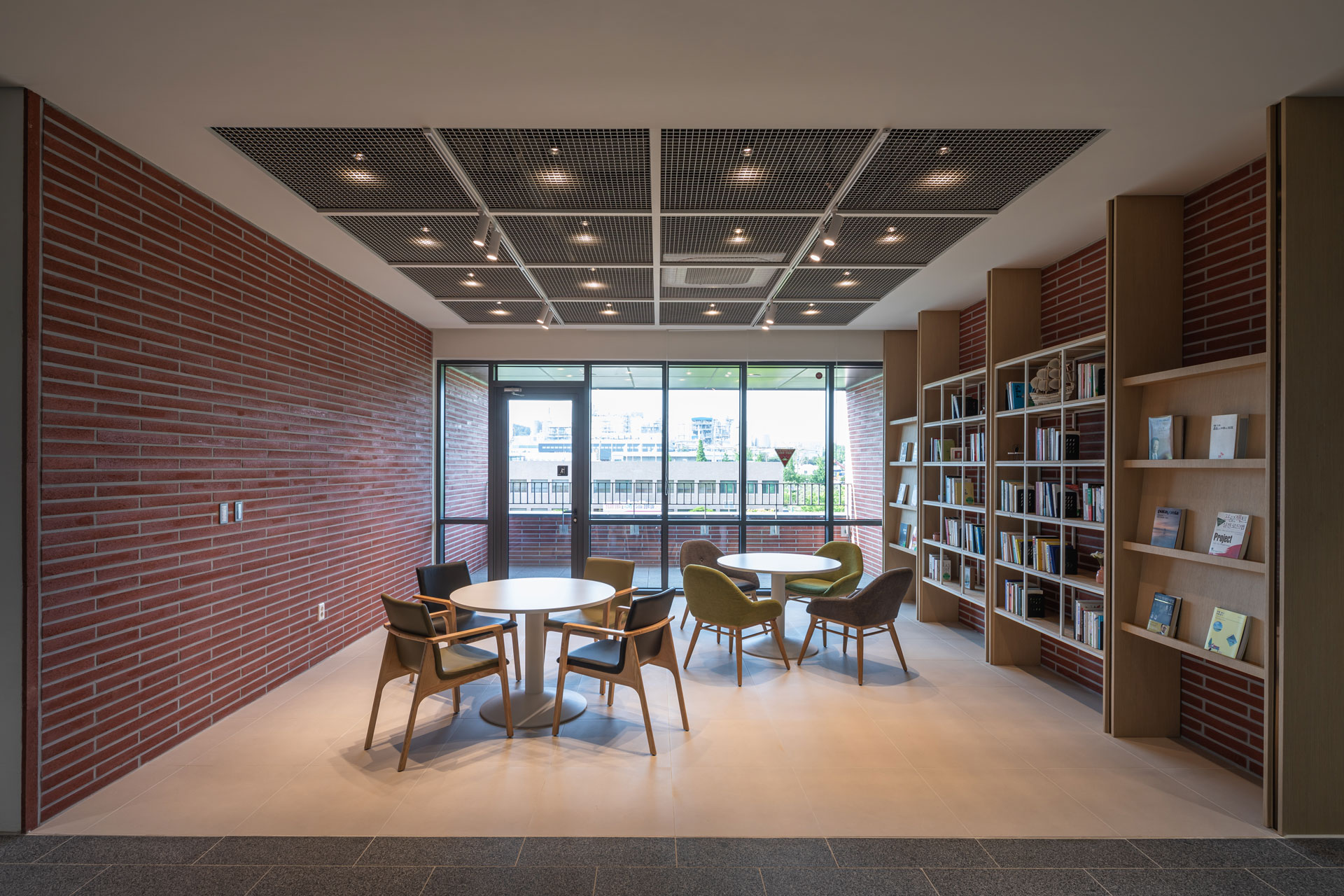
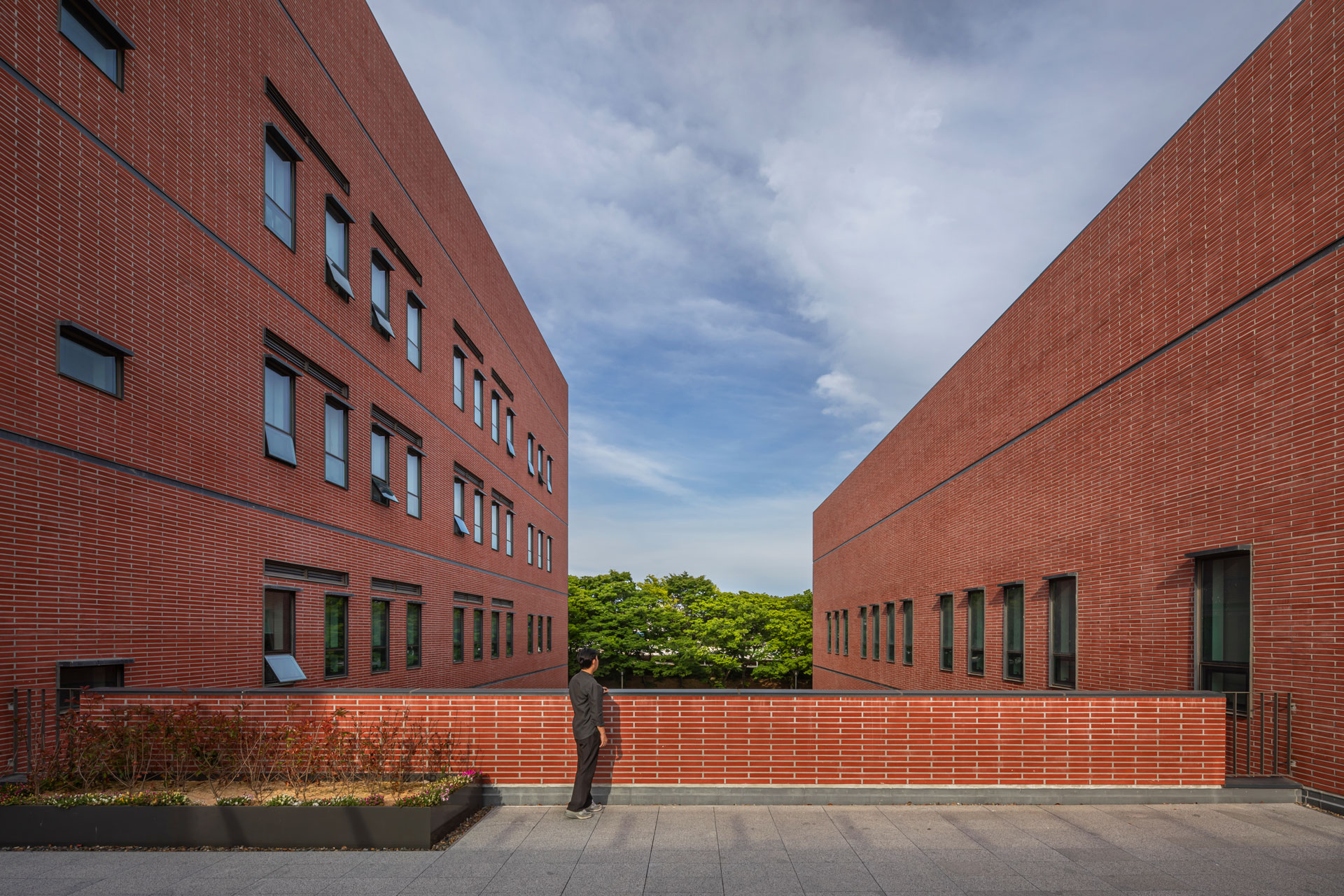
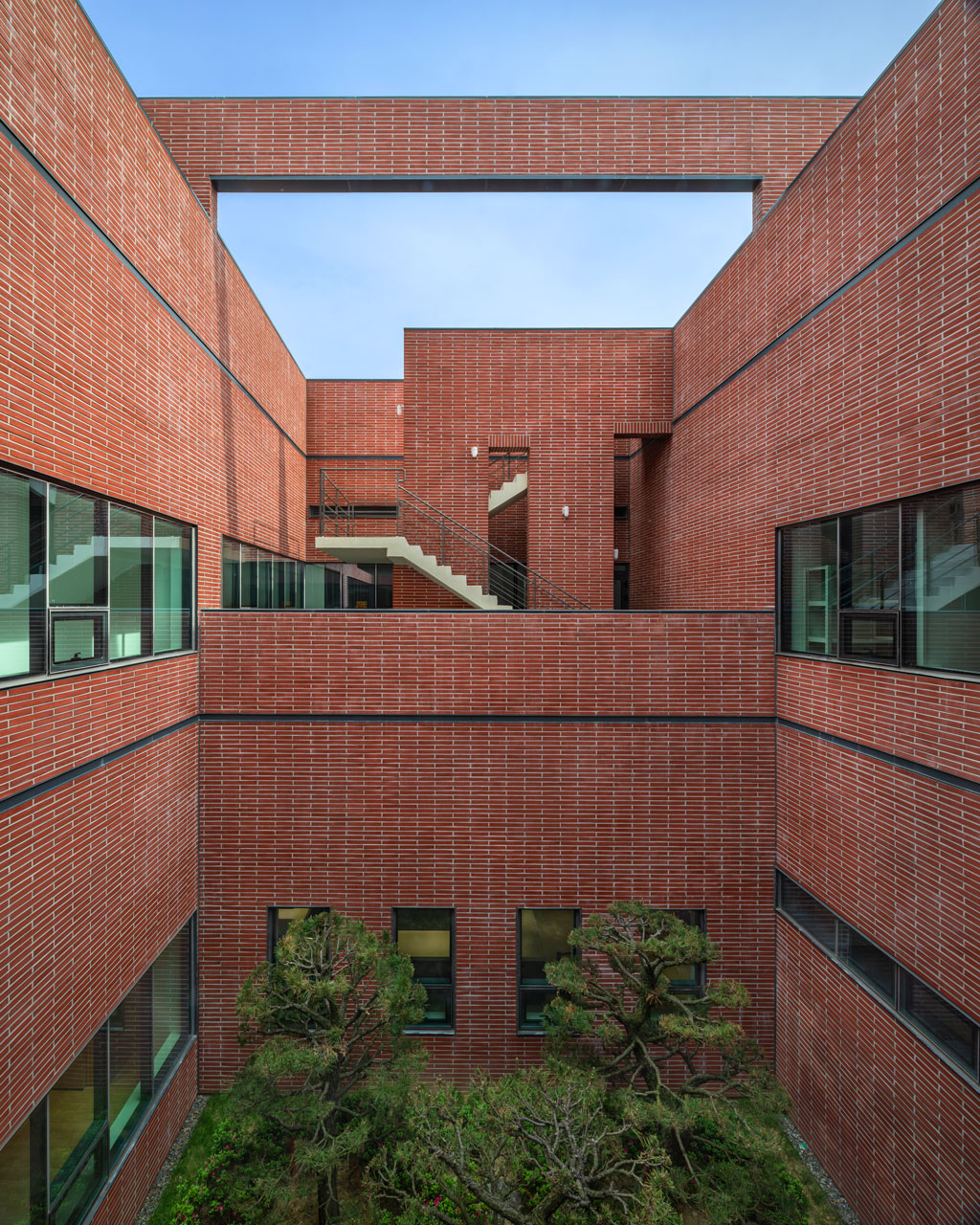
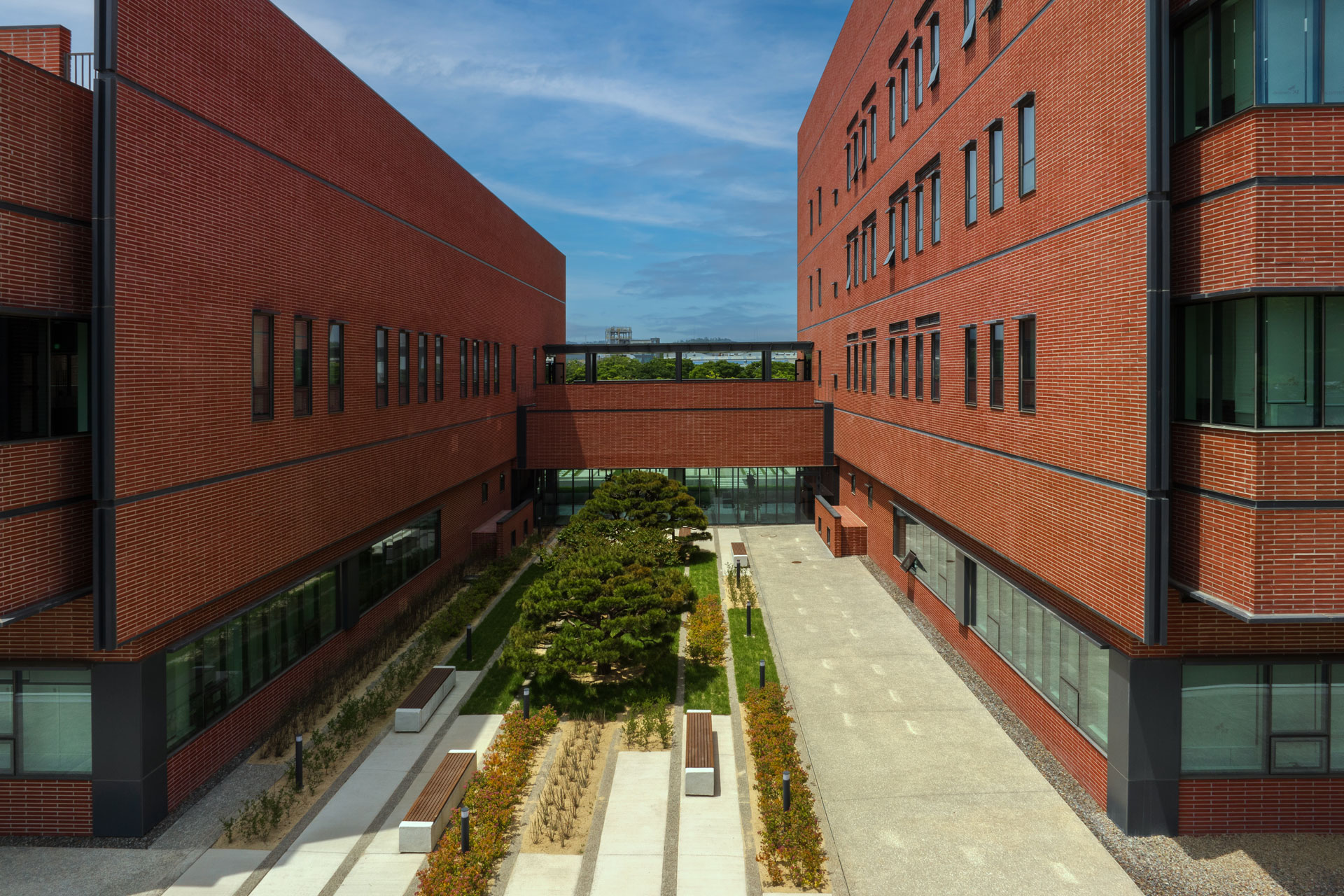
All three buildings, including the security post, share a common vocabulary of red brick. Five massive walls, each forming a 2.7-meter cantilever, create striking forms that appear to penetrate the building, defining spatial divisions visually. Along with these walls, ceiling louvers continue seamlessly between the first- and second-floor lobbies. Courtyards, rest areas, and entrances placed between buildings along east–west internal roadways draw nature into the architecture, fostering multipurpose connections with surrounding outdoor spaces.
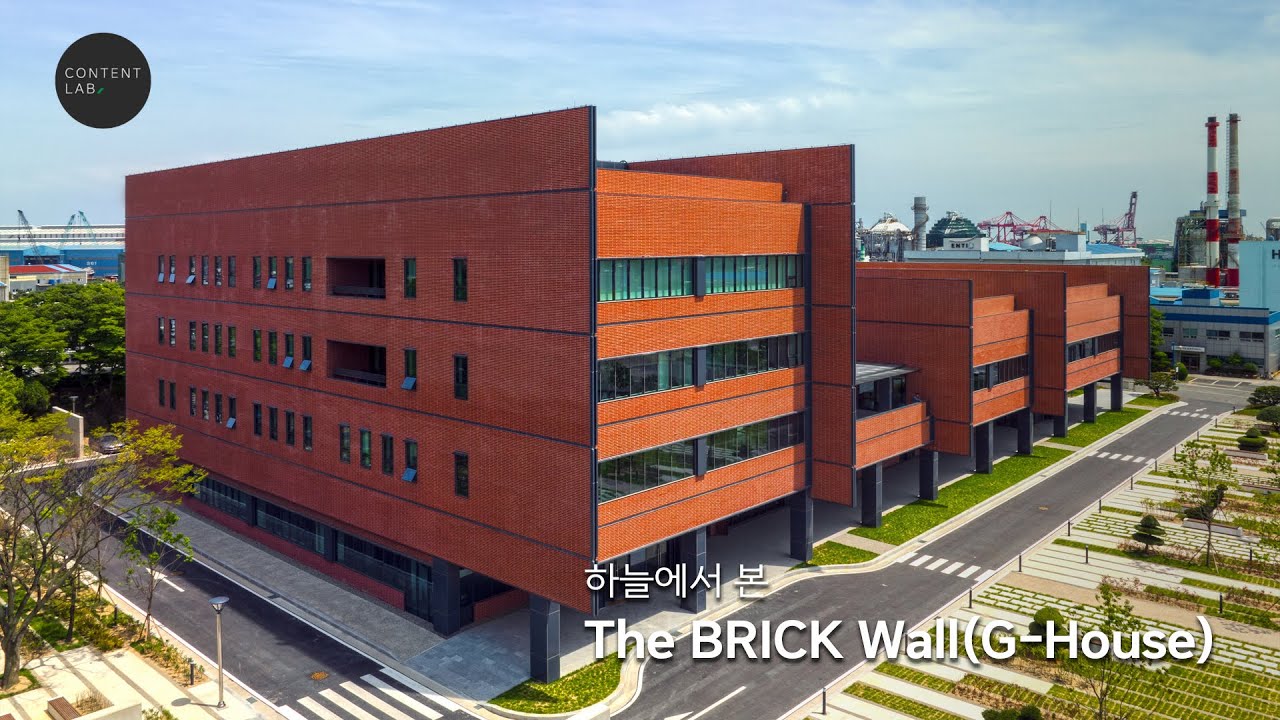
From the Sky

-
Status
Completed
-
Awards
- 2024 Ulsan Metropolitan City Architecture Award Grand
-
Client
SK Chemicals
-
Program
Industrial
-
Design Year
2021
-
Completion Year
2024
-
Location
Nam-gu, Ulsan
-
Site area
16,238.69m2
-
Gross Floor Area
6,681.721m2
-
Building Area
2,974.15m2
-
Number of Levels
4F(General Administration Building), 2F(Welfare Facilities and Security Building)
-
Participants
The SK Chemicals Ulsan Factory Complex is a distinctive site where landscaping is specially managed, featuring abundant greenery within the industrial cityscape. Echoing this character, the new general management building, “G-House,” was conceived from the site planning stage with passive design principles to provide a place where employees can relax and recharge in nature. Junglim Architecture integrated previously scattered functions into the general management and welfare buildings, redistributing them into appropriately scaled and functional spatial volumes to improve convenience of use for both visitors and employees.
All three buildings, including the security post, share a common vocabulary of red brick. Five massive walls, each forming a 2.7-meter cantilever, create striking forms that appear to penetrate the building, defining spatial divisions visually. Along with these walls, ceiling louvers continue seamlessly between the first- and second-floor lobbies. Courtyards, rest areas, and entrances placed between buildings along east–west internal roadways draw nature into the architecture, fostering multipurpose connections with surrounding outdoor spaces.
From the Sky