Close
![Popup Image]()
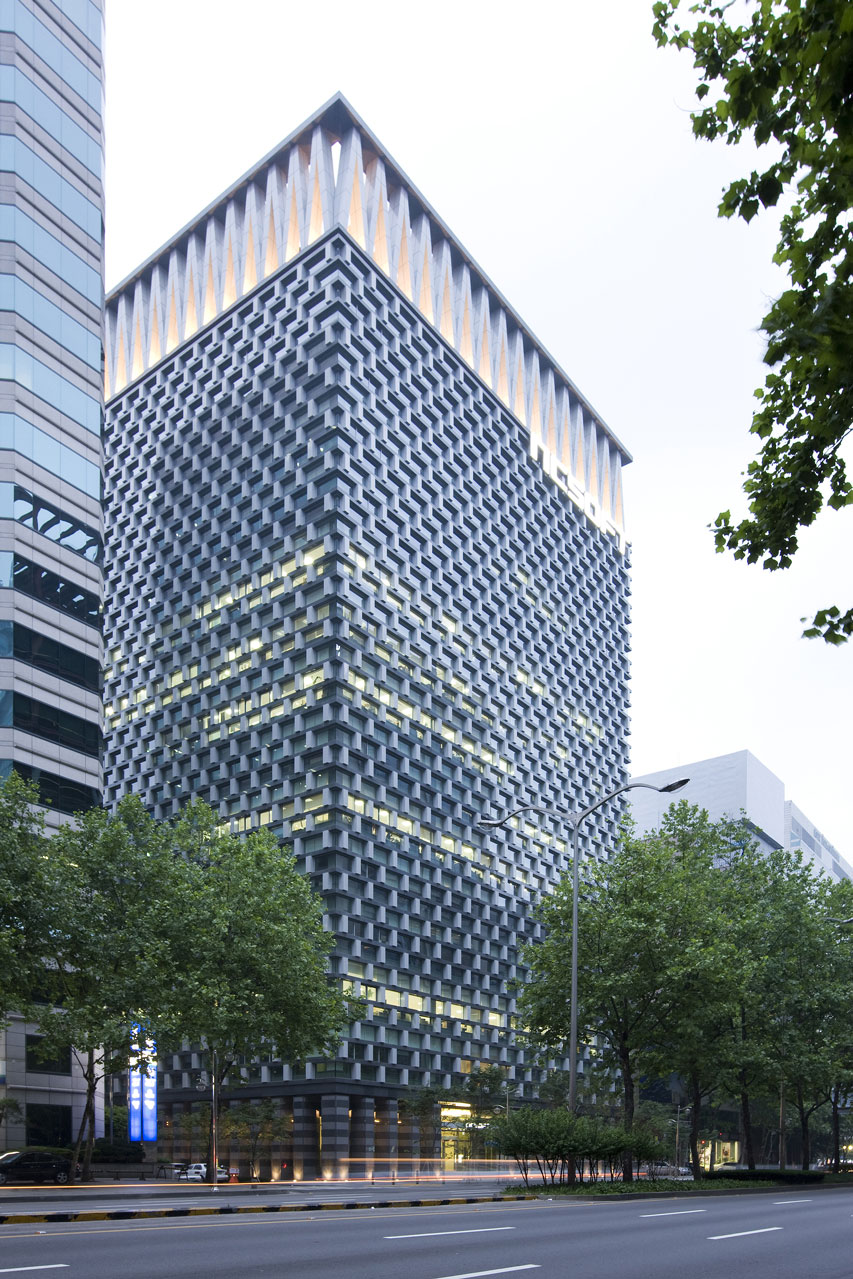
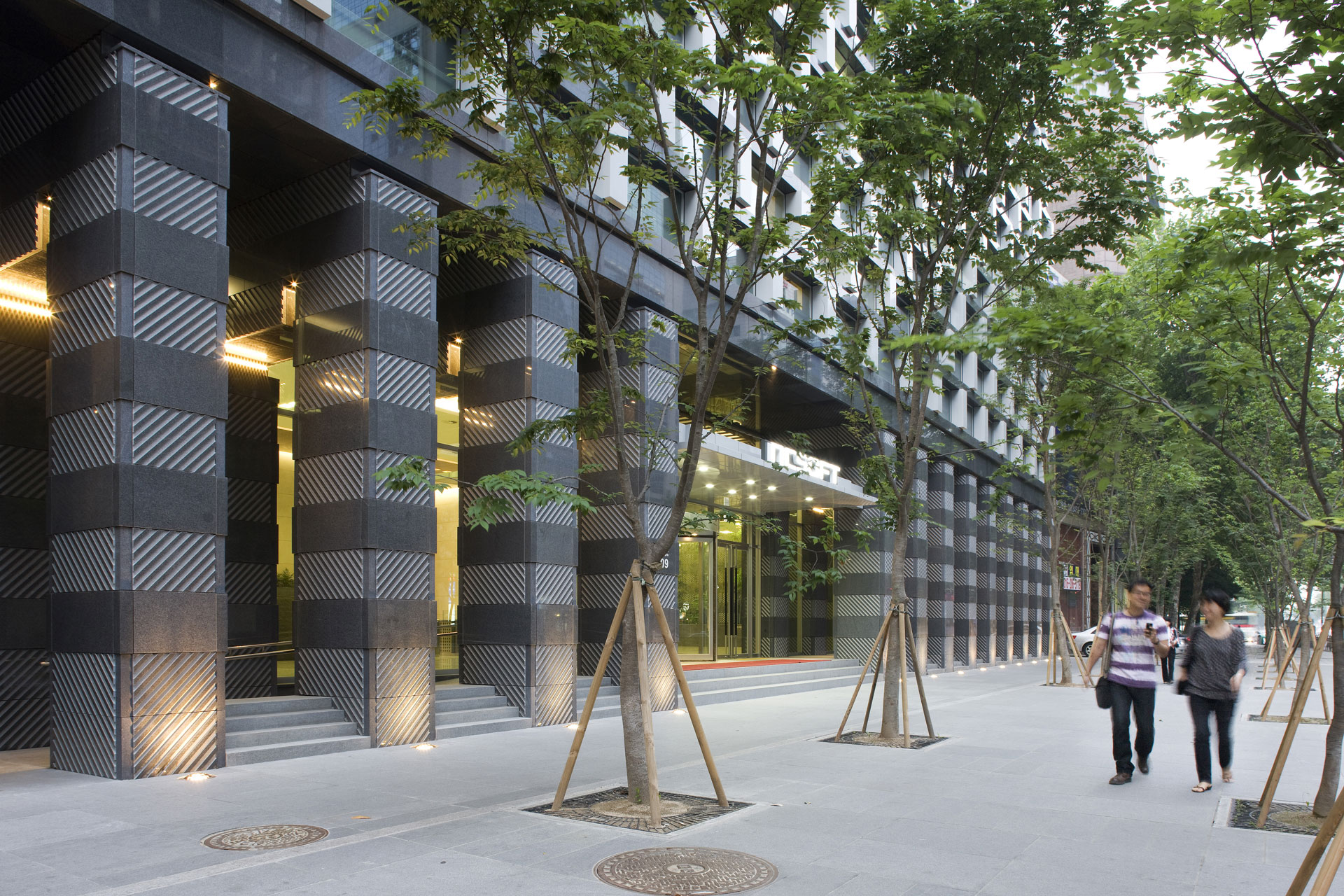
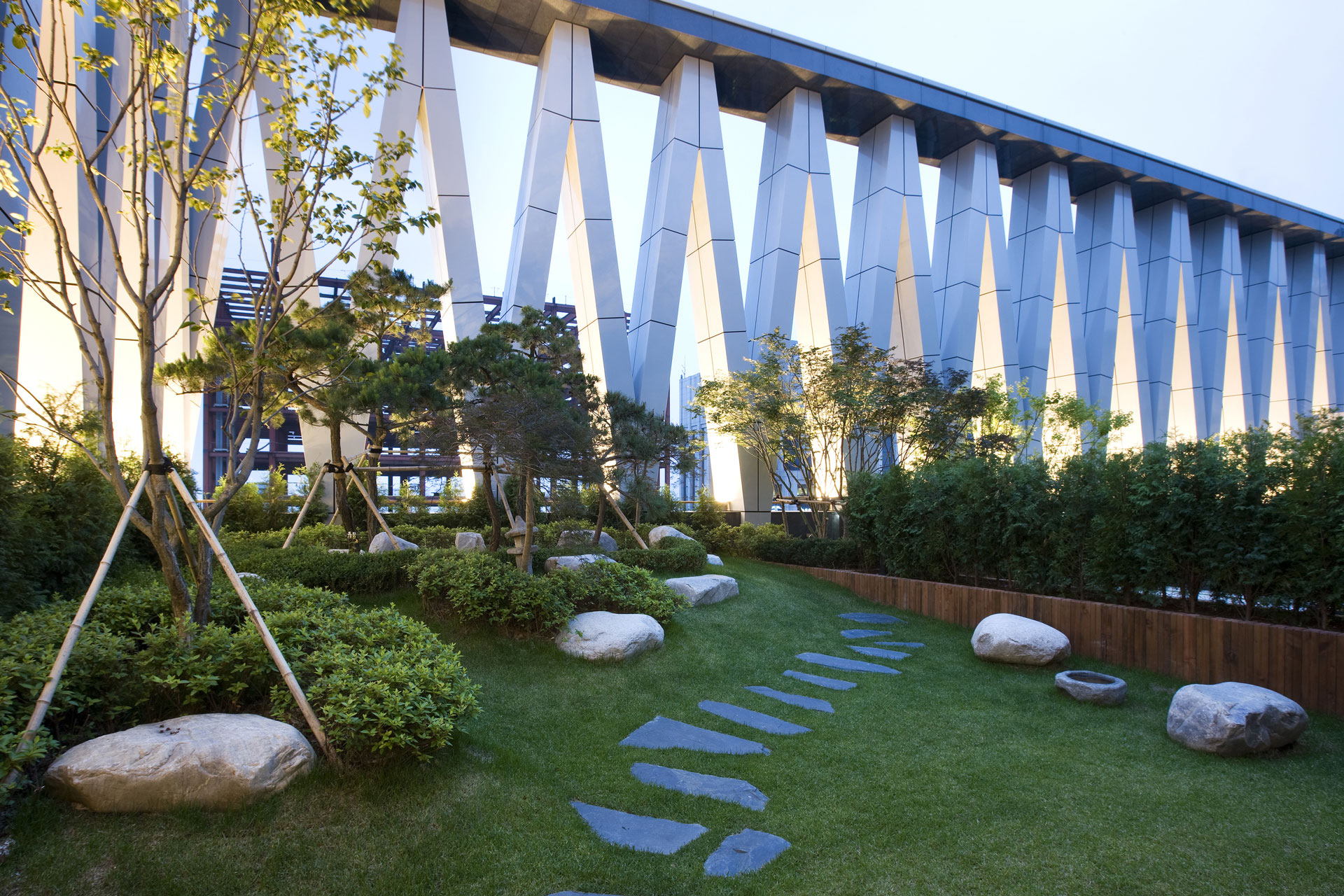
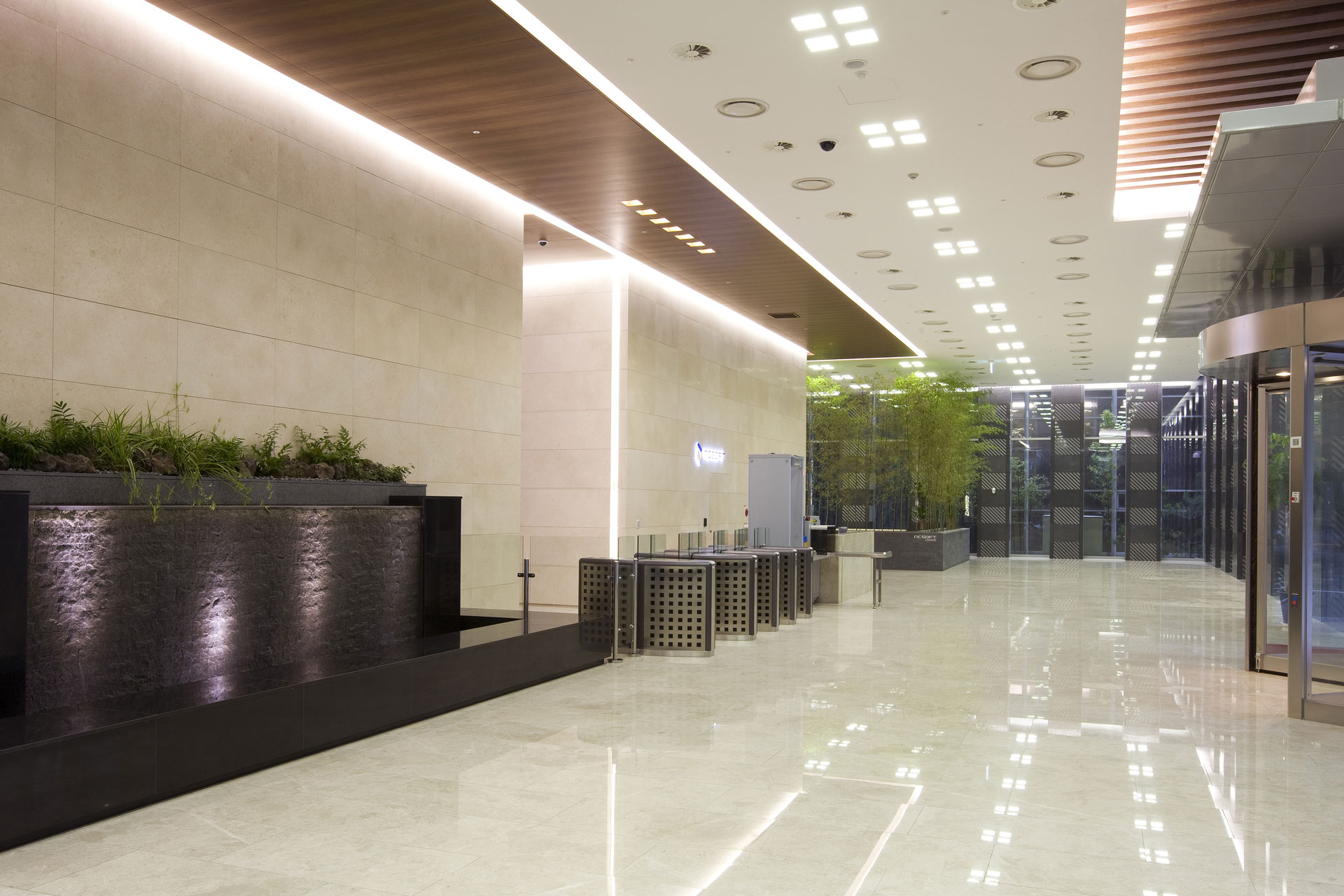
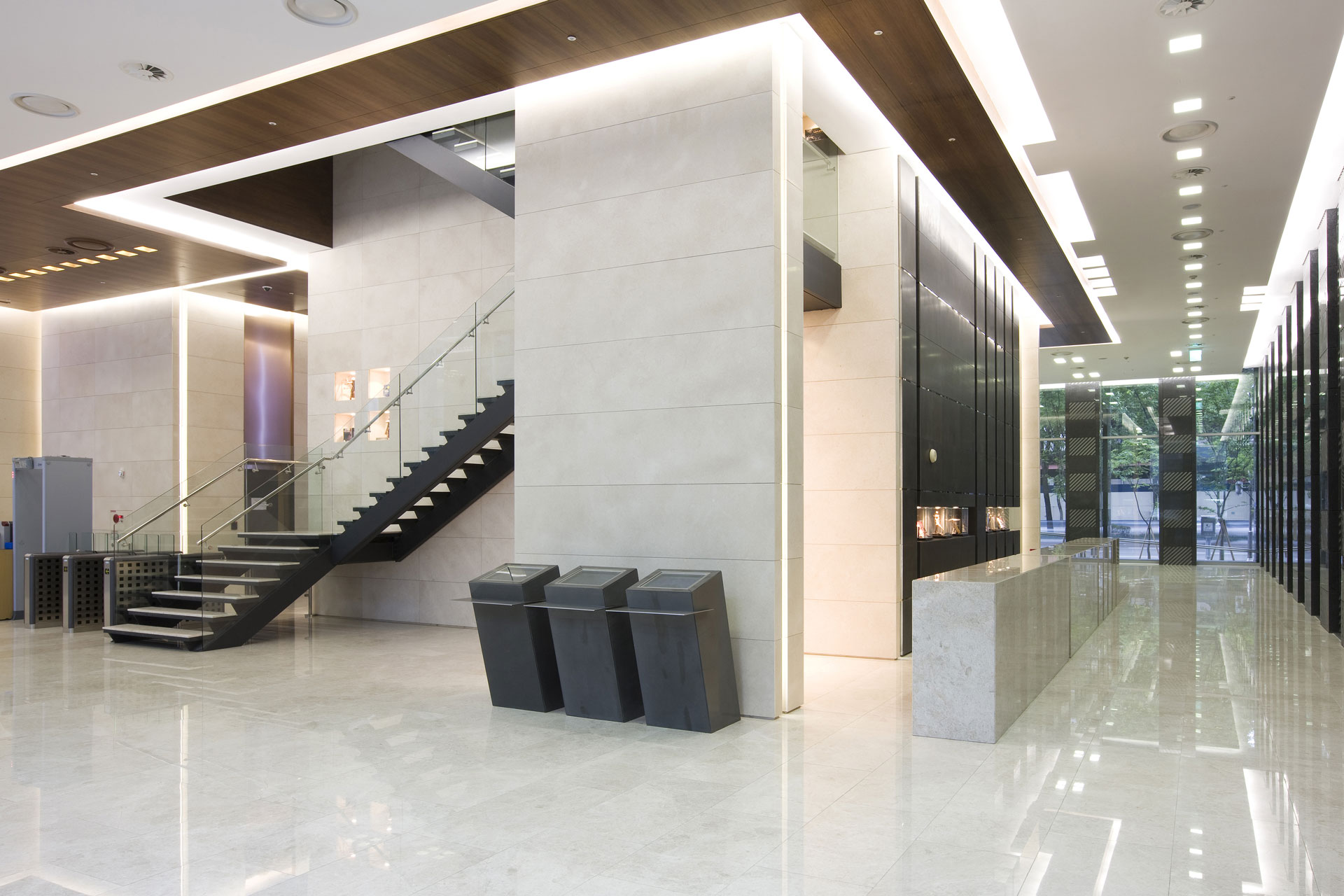
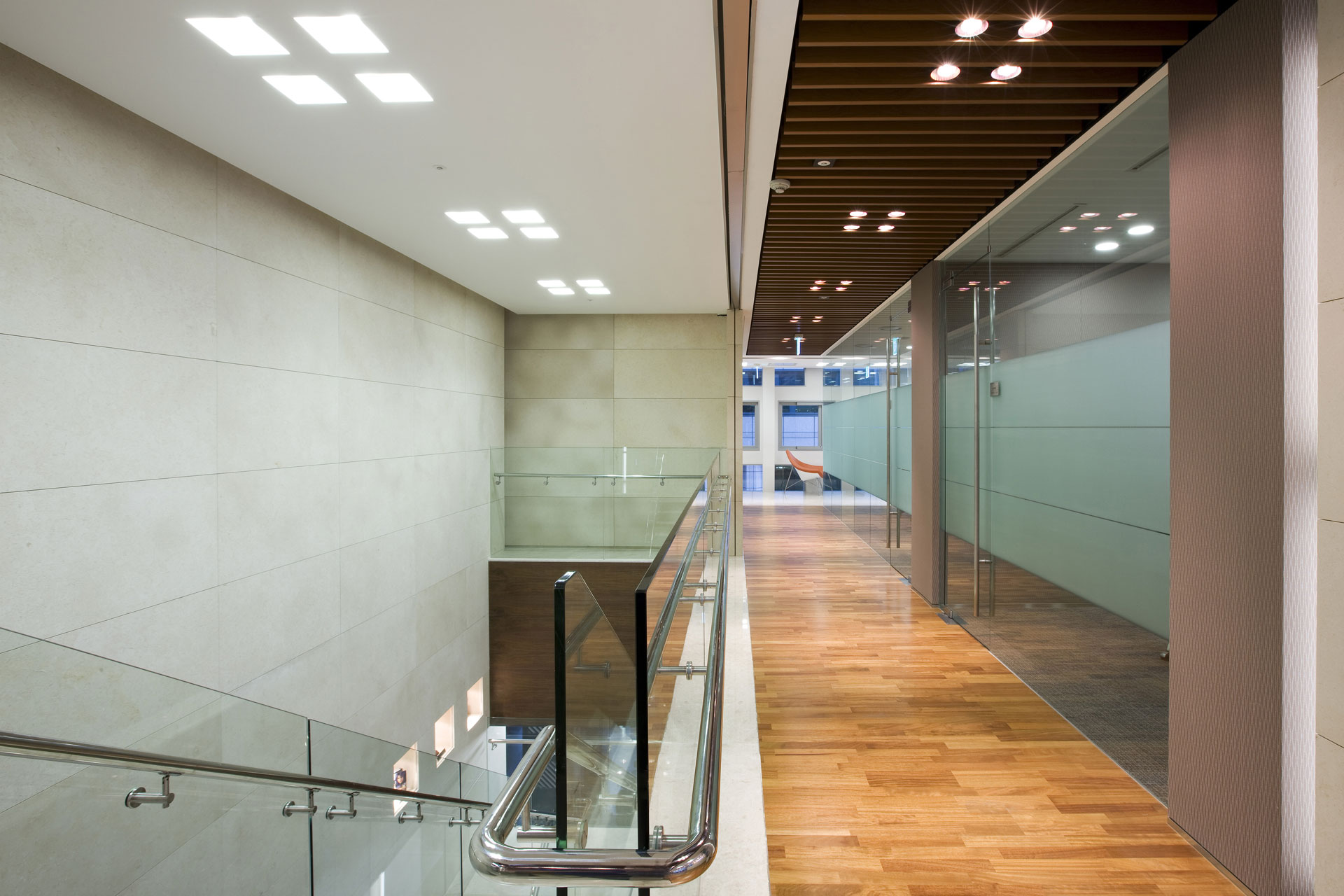
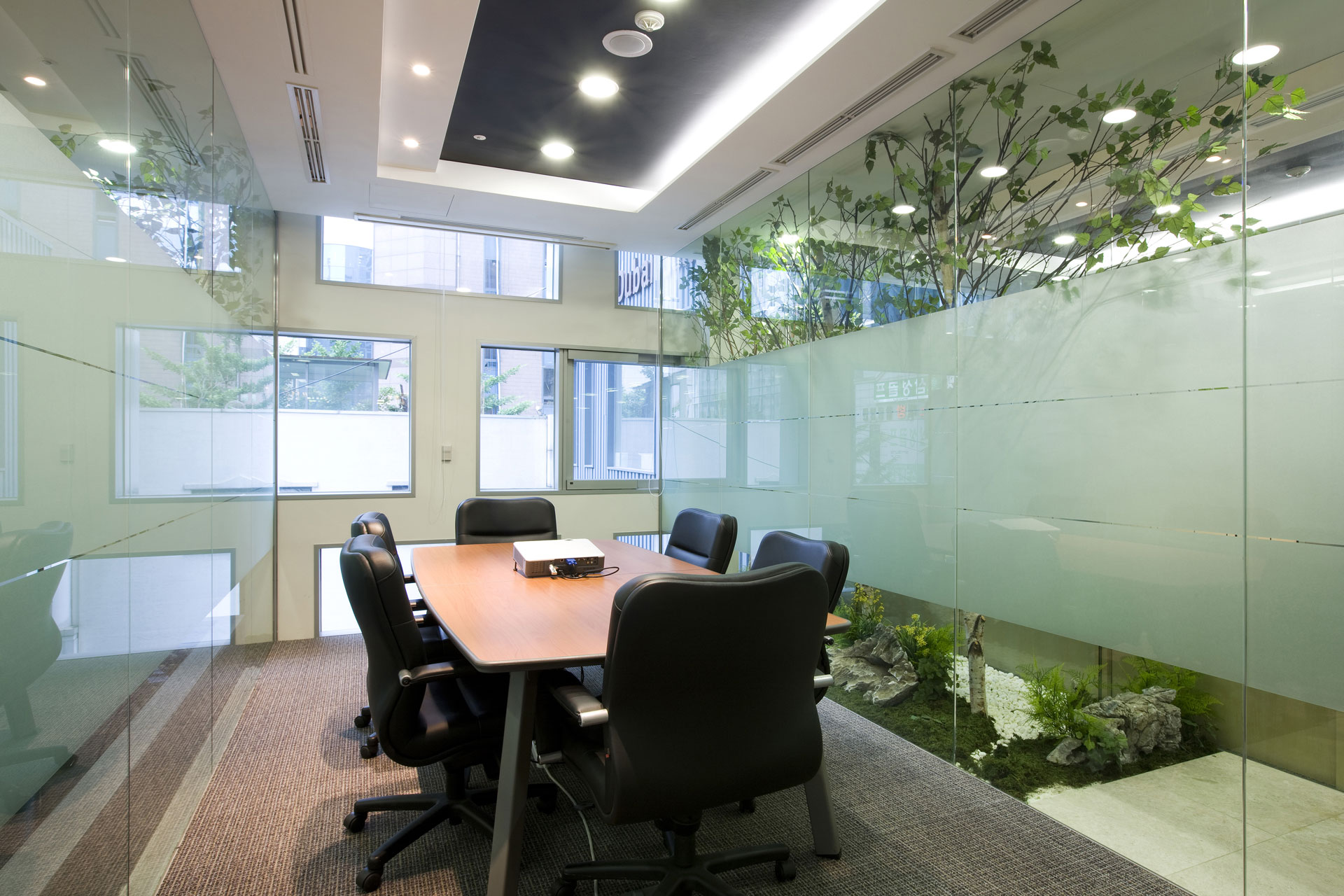
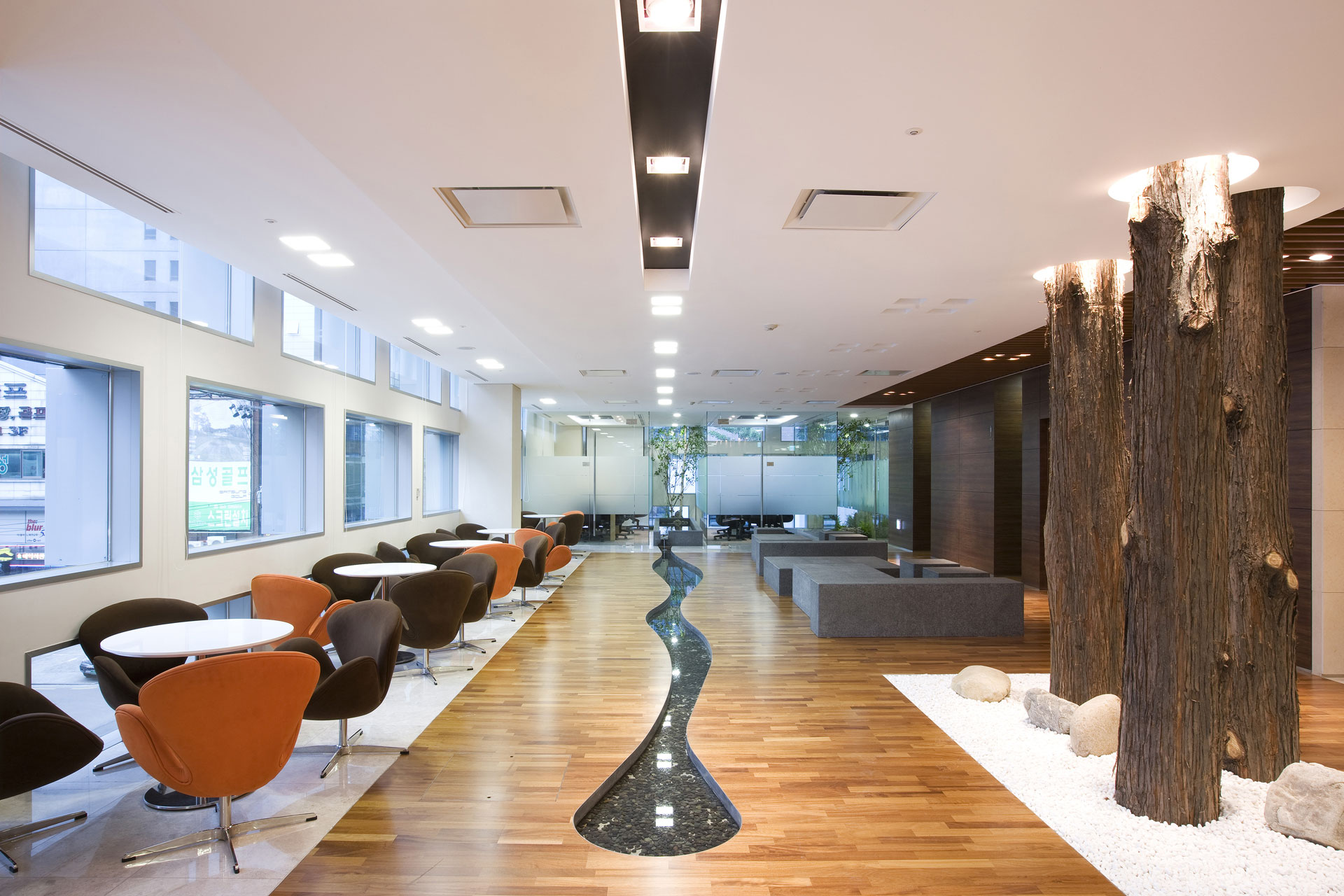
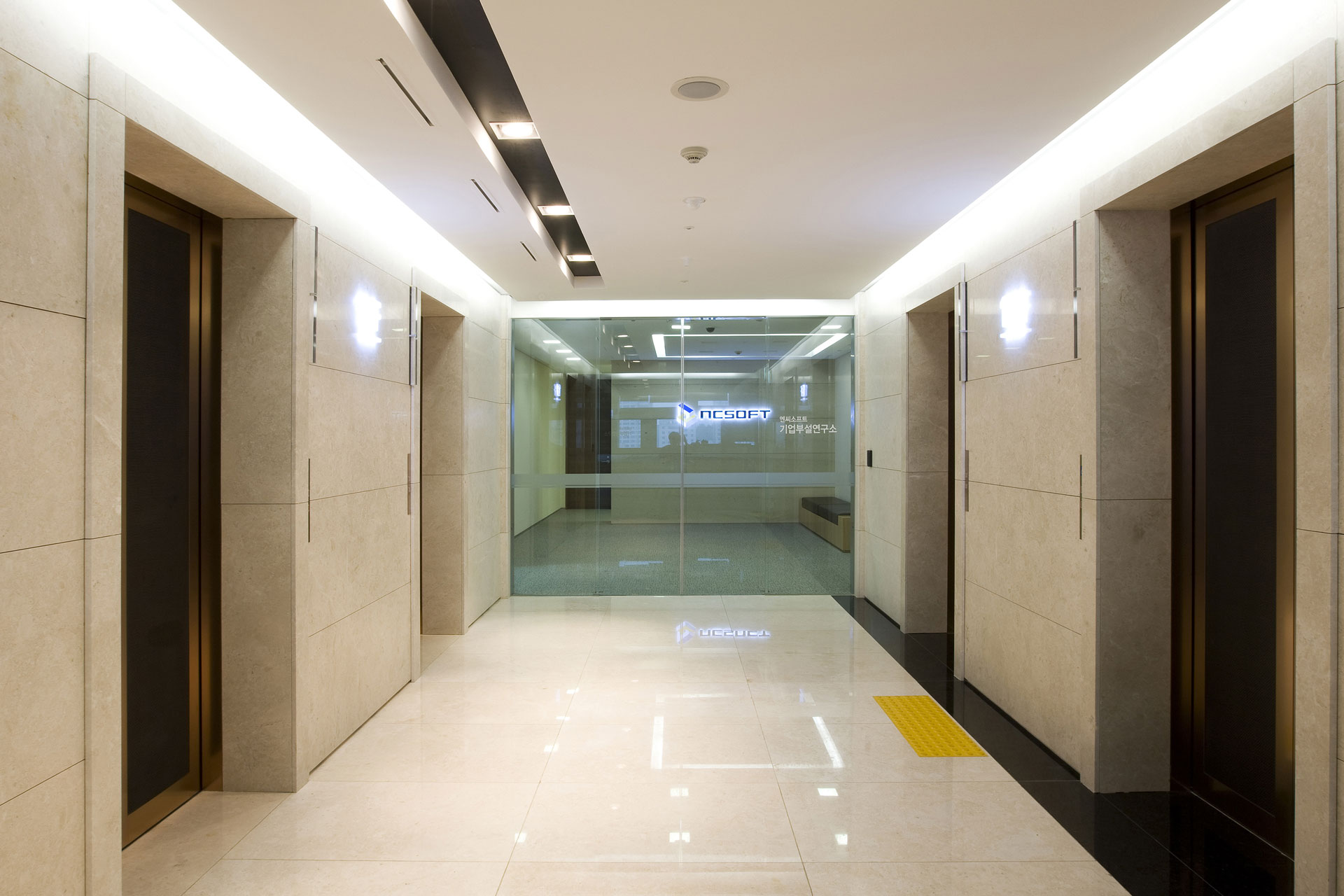
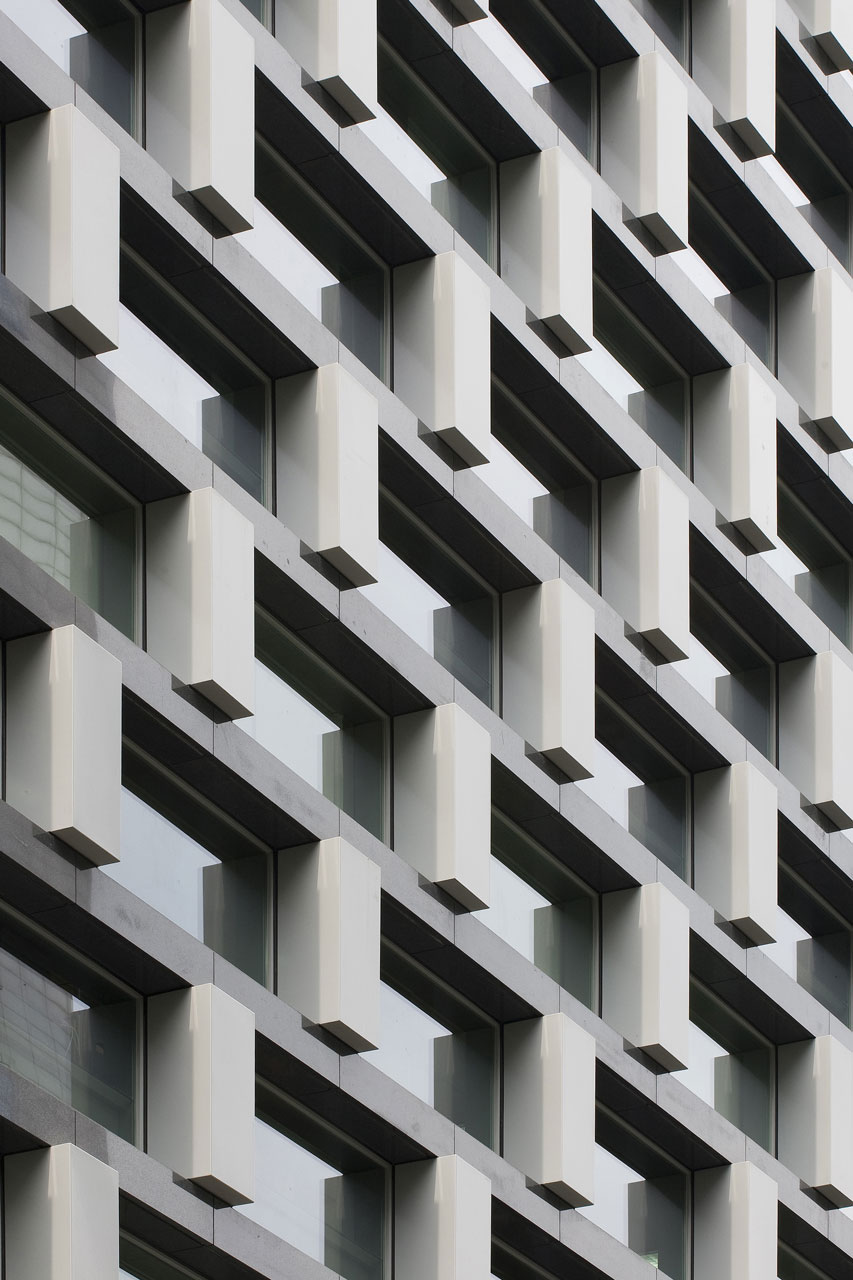
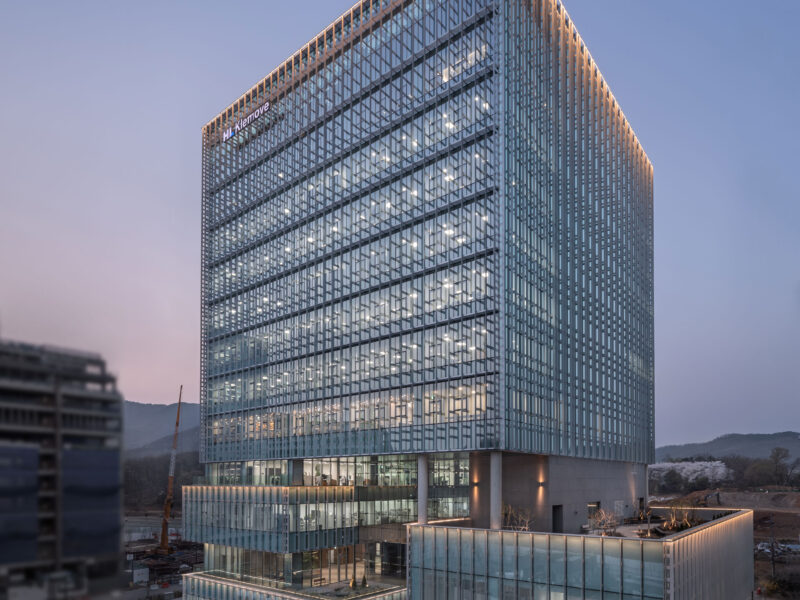
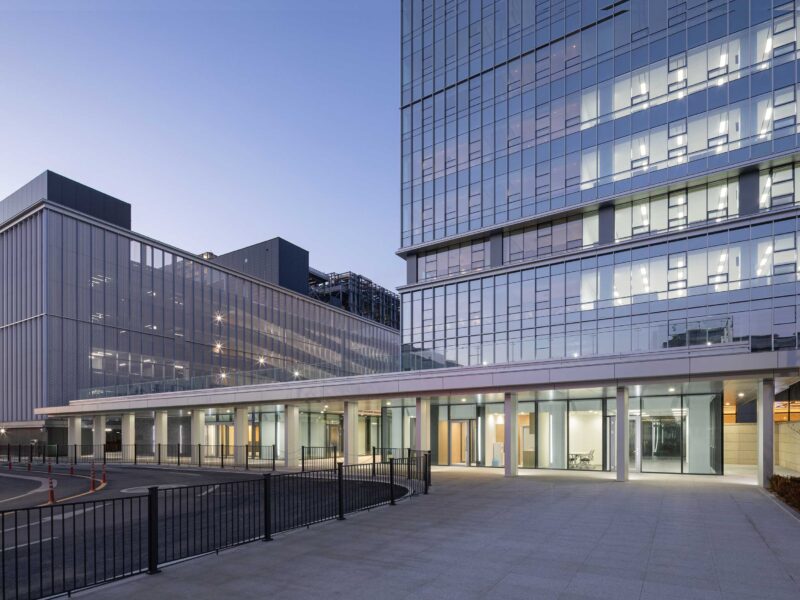
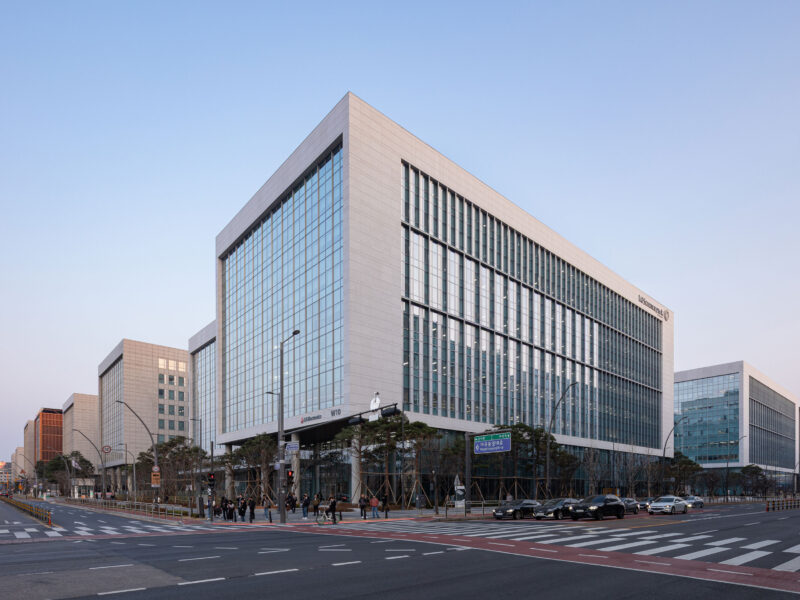
The NC Soft R&D Center expresses the company’s leading IT industry image architecturally on Gangnam’s Teheran-ro. Its facade, defined by numerous horizontal and vertical columns, is its most distinctive feature, representing elements of traditional Korean architecture such as window lattices, foundation stones, and ornamental patterns. The façade materials — horizontally arranged rubbed granites and vertically placed aluminum sheets — intersect repeatedly, creating a lightweight and sleek impression relative to the building’s scale, and forming a landmark element within the metropolitan Seoul’s landscape.
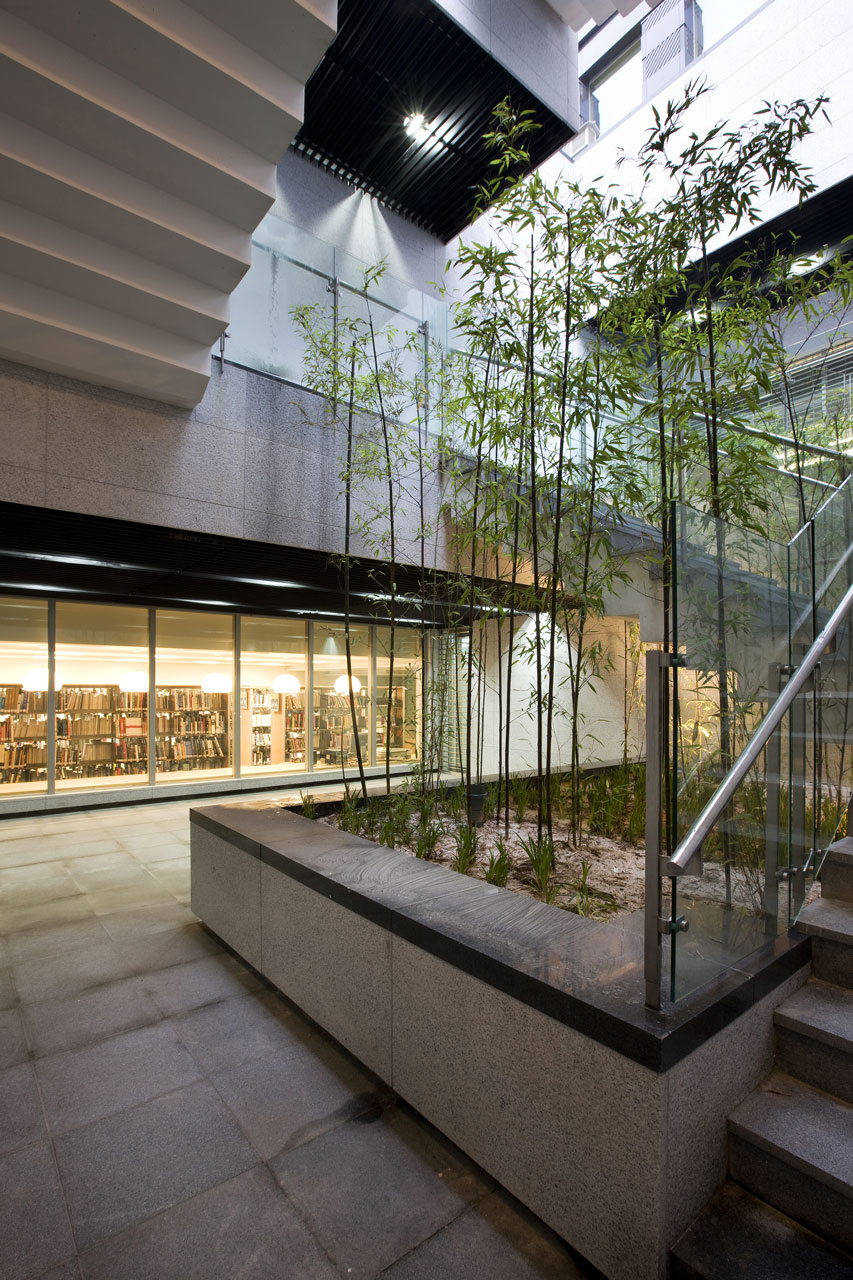
The floor plan was devised with core criteria including setting modules suitable for research facilities and deciding the core’s location and form. The workstation module responds to the IT researchers’ specific task nature, using four to five computers per person, and was closely coordinated with plans for the parking and shared spaces. The core was planned as a central one suited to labs and offices, positioned within a 12-meter range ensuring daylight penetration. Outdoor, nature-friendly spaces — such as corridors, street resting areas, and open courtyards — naturally connect with Teheran-ro’s pedestrian flow, serving as urban respites in one of Seoul’s busiest districts.
In the Press

-
Status
Completed
-
Awards
- 2008 Korean Architecture Award_Merit Award
- 2008 Seoul Architecture Award_Honorable Mention
- 2008 Honorable Mention
-
Order
NCSOFT Corporation
-
Purpose
R&D, Office
-
Design Year
2005
-
Completion Year
2008
-
Location
Gangnam-gu, Seoul
-
Site area
2,233.20m2
-
Gross Floor Area
30,904.00m2
-
Building Area
1,281.28m2
-
Scale
B7, 15F
-
Consortium
SOLTO Associates Inc, Dime
-
Participation
The NC Soft R&D Center expresses the company’s leading IT industry image architecturally on Gangnam’s Teheran-ro. Its facade, defined by numerous horizontal and vertical columns, is its most distinctive feature, representing elements of traditional Korean architecture such as window lattices, foundation stones, and ornamental patterns. The façade materials — horizontally arranged rubbed granites and vertically placed aluminum sheets — intersect repeatedly, creating a lightweight and sleek impression relative to the building’s scale, and forming a landmark element within the metropolitan Seoul’s landscape.
The floor plan was devised with core criteria including setting modules suitable for research facilities and deciding the core’s location and form. The workstation module responds to the IT researchers’ specific task nature, using four to five computers per person, and was closely coordinated with plans for the parking and shared spaces. The core was planned as a central one suited to labs and offices, positioned within a 12-meter range ensuring daylight penetration. Outdoor, nature-friendly spaces — such as corridors, street resting areas, and open courtyards — naturally connect with Teheran-ro’s pedestrian flow, serving as urban respites in one of Seoul’s busiest districts.
In the Press