Close
![Popup Image]()
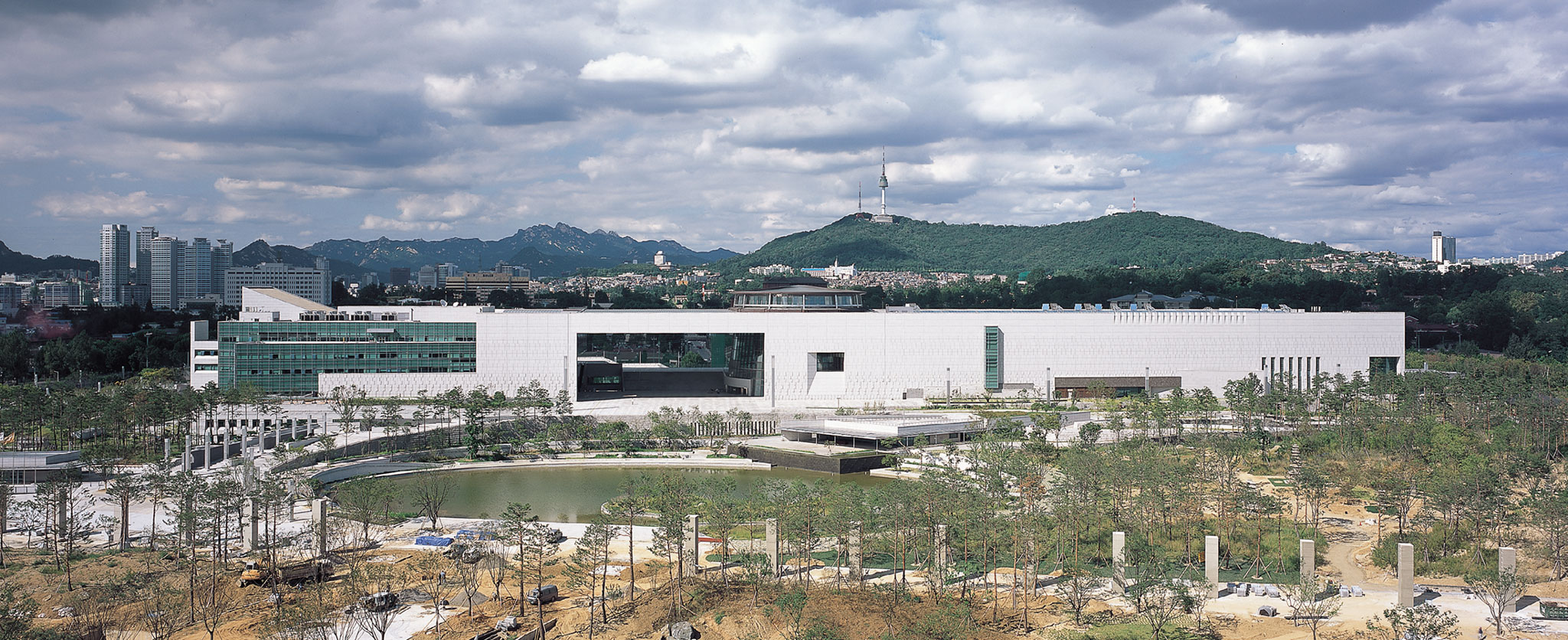
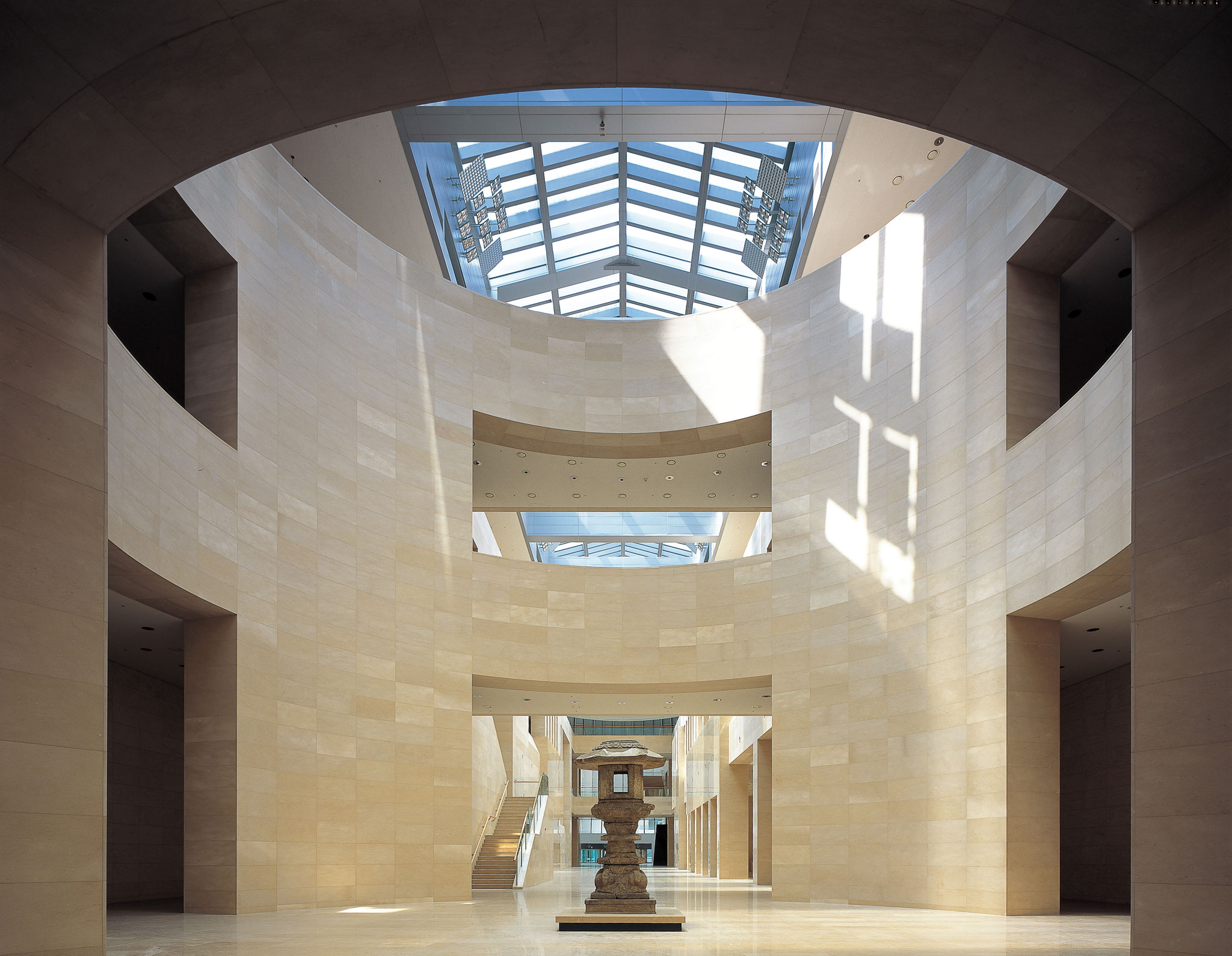
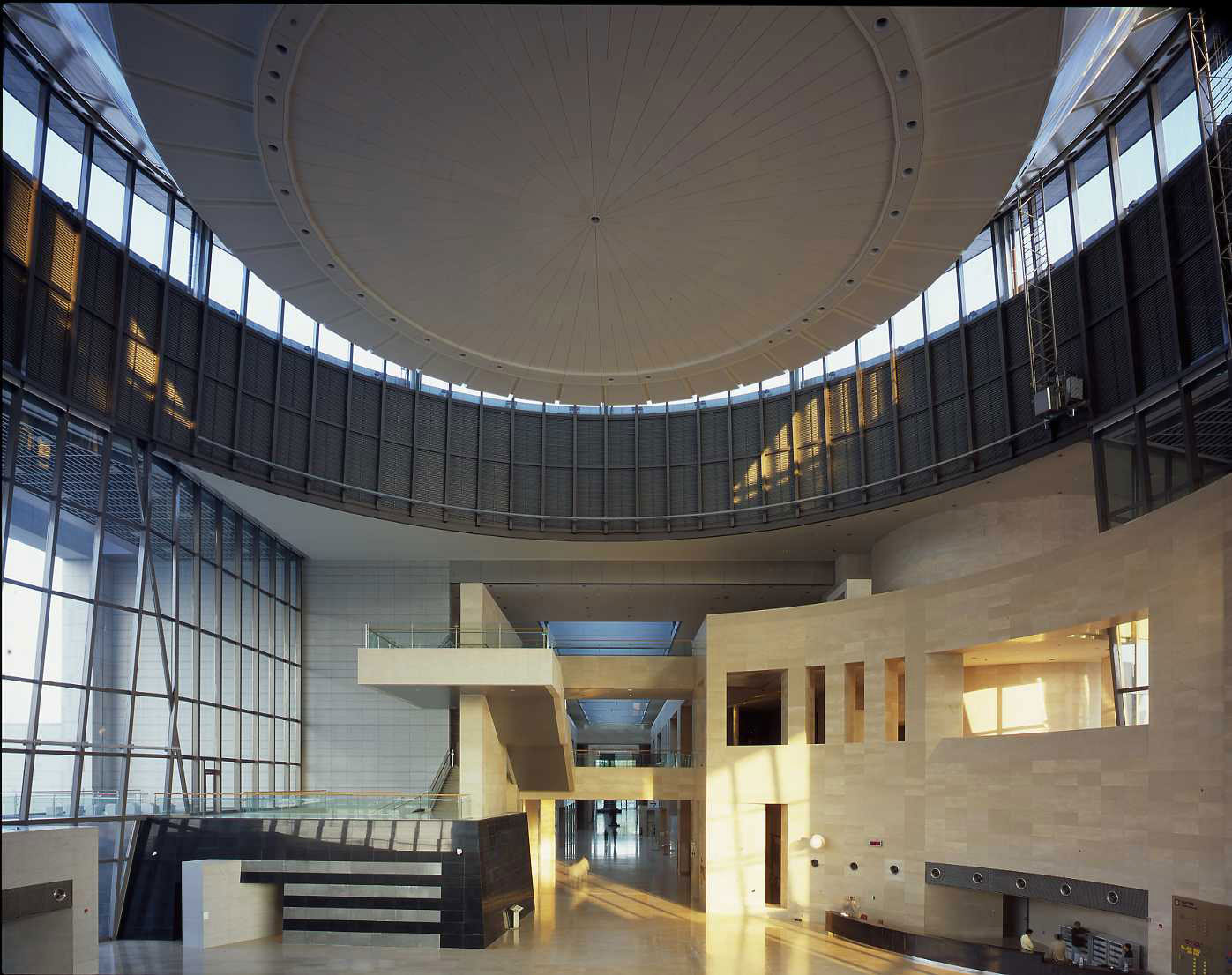
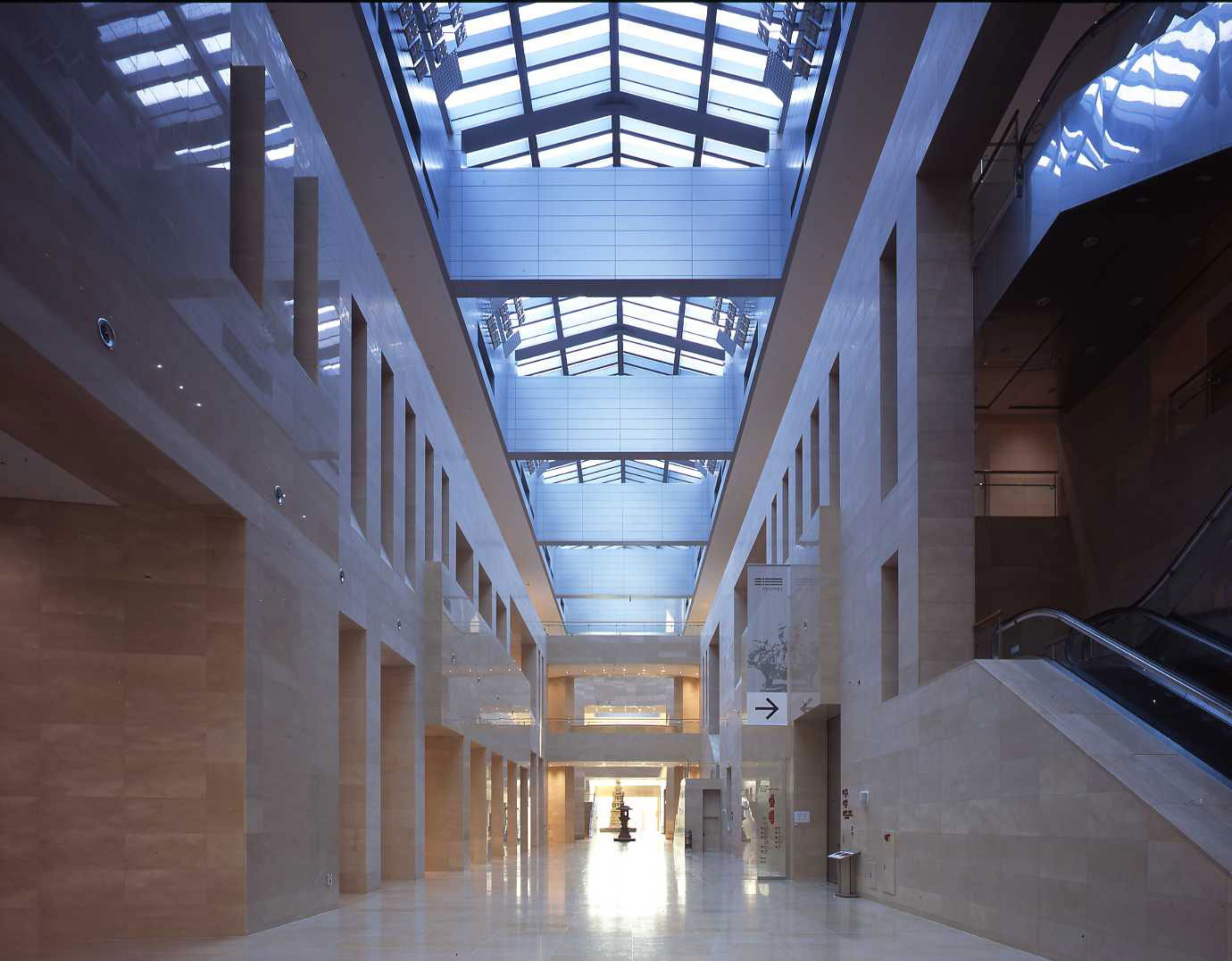
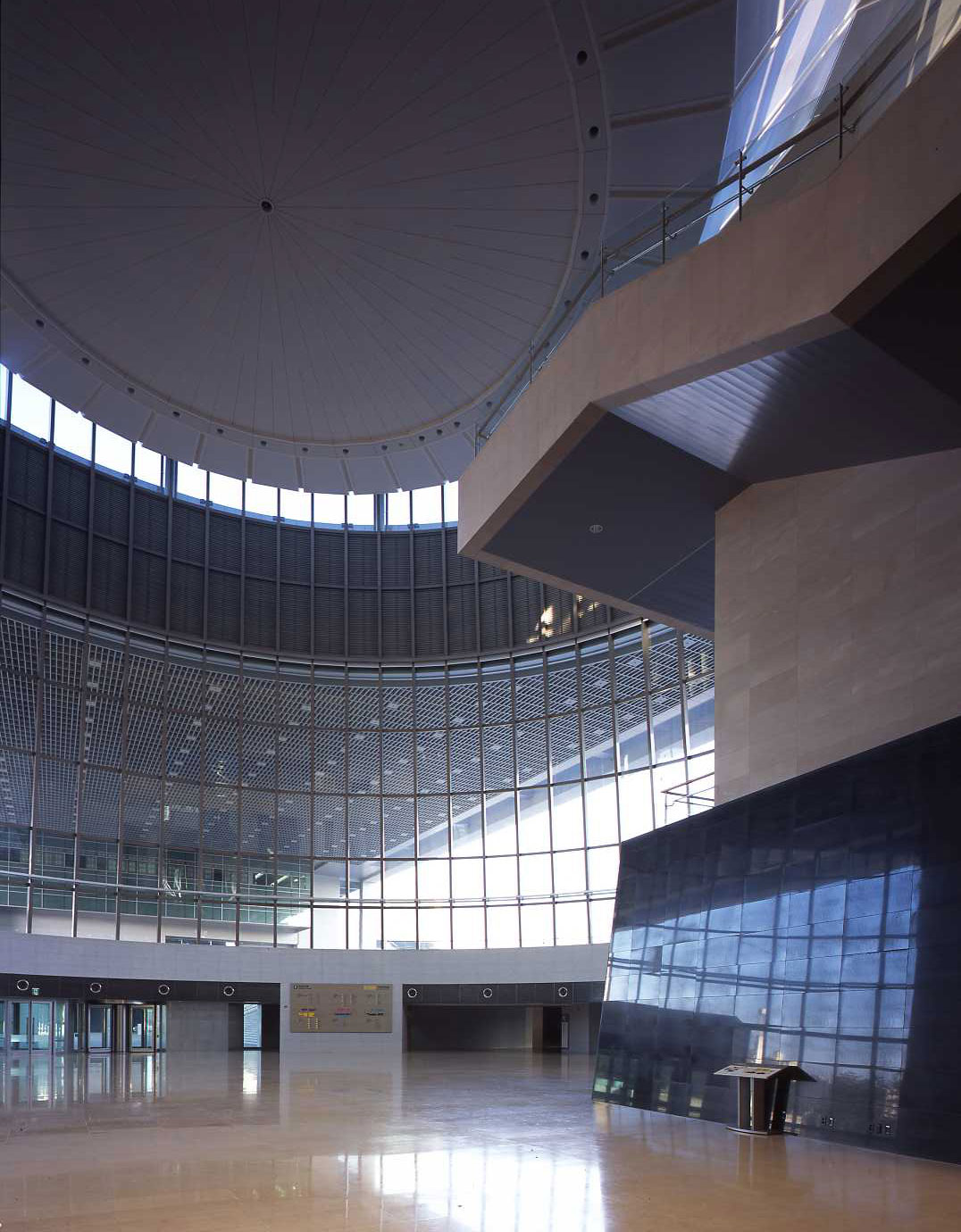
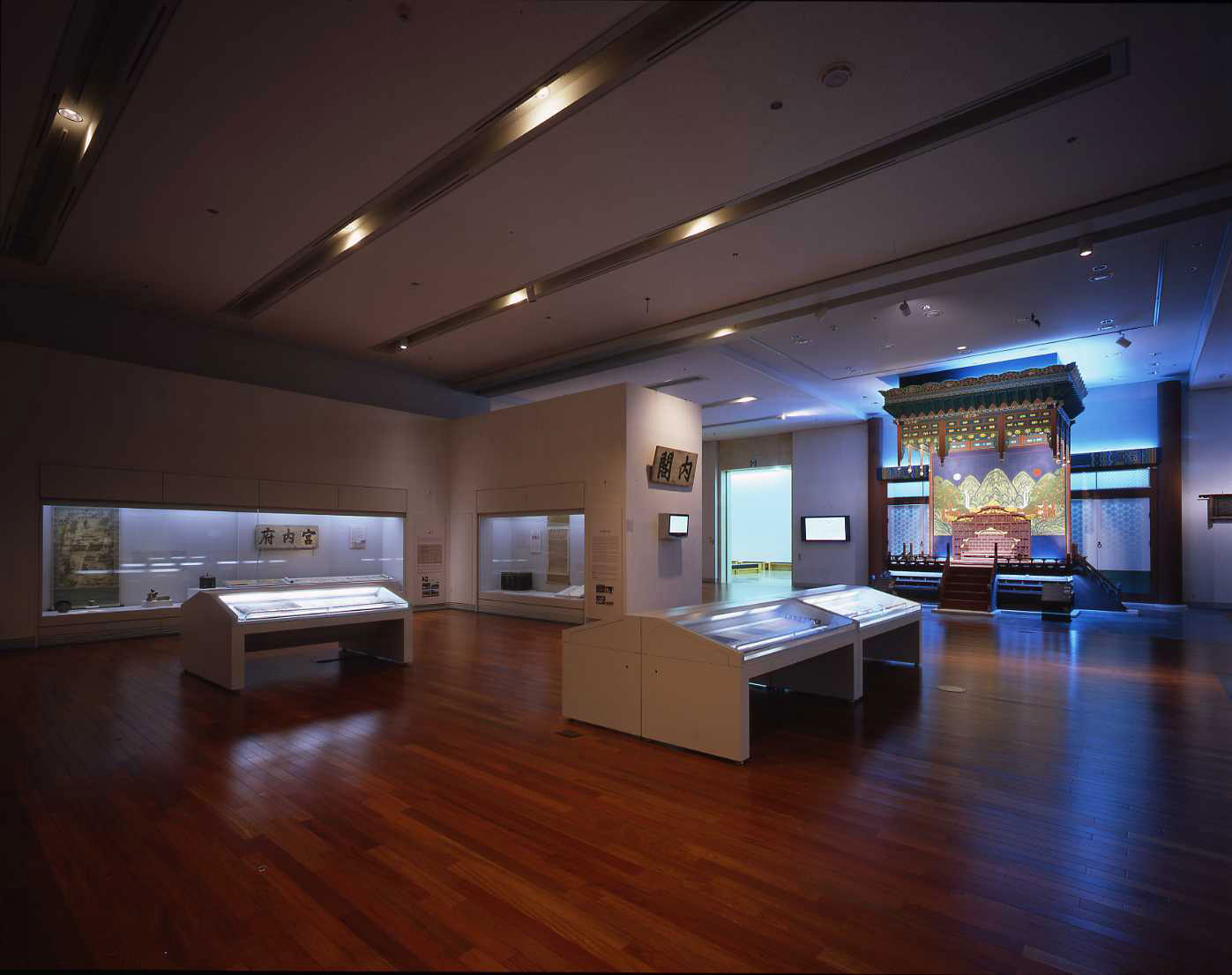
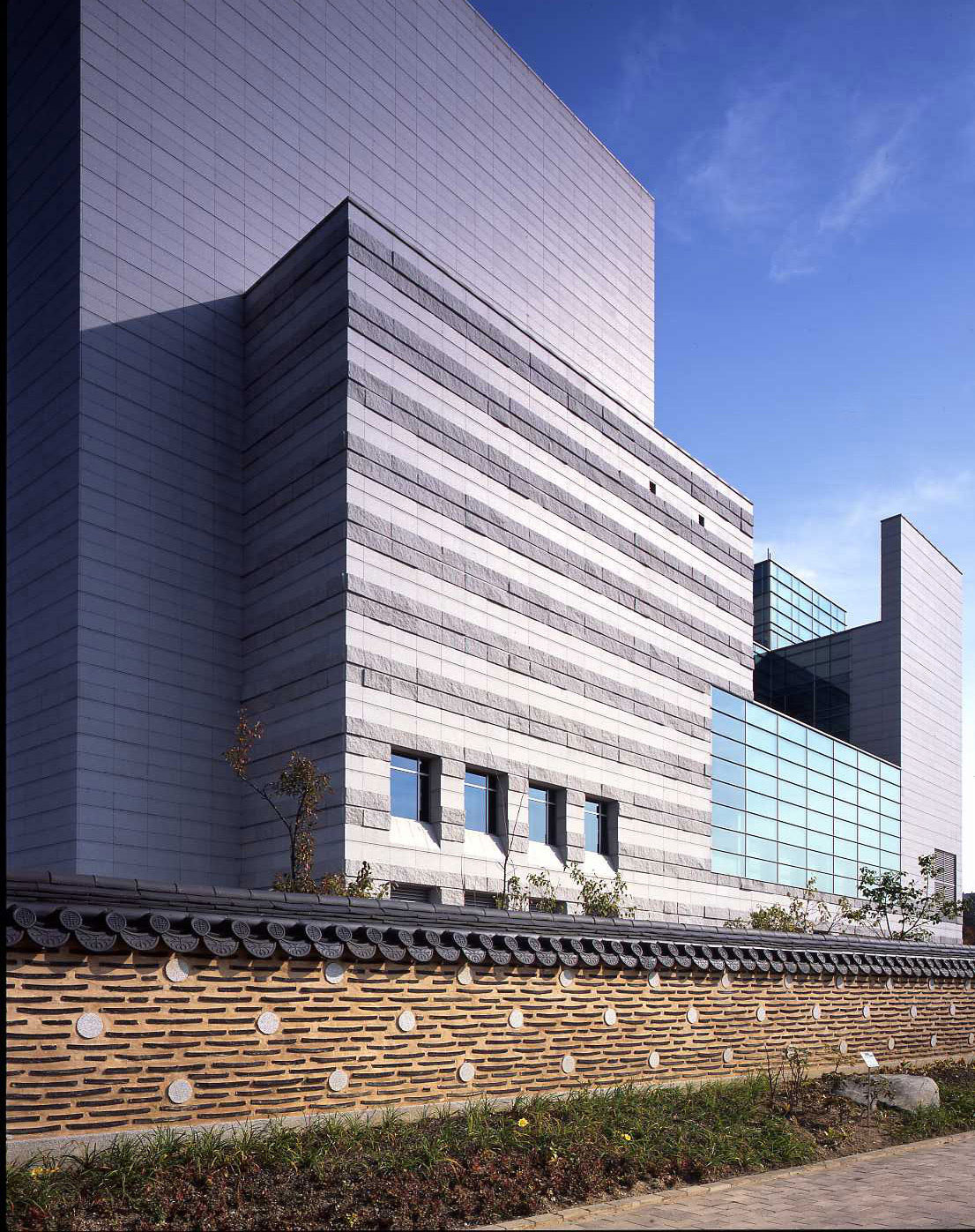
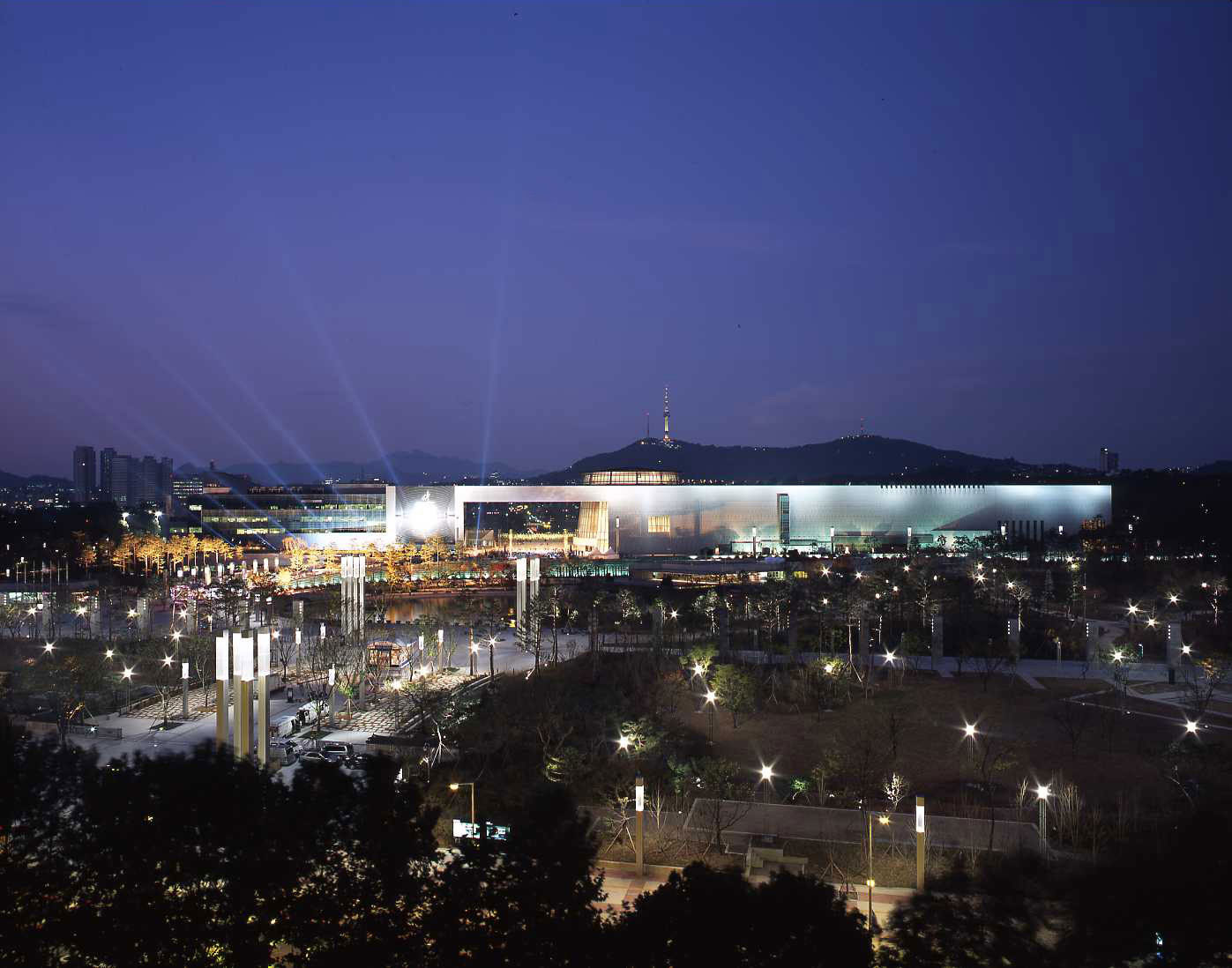
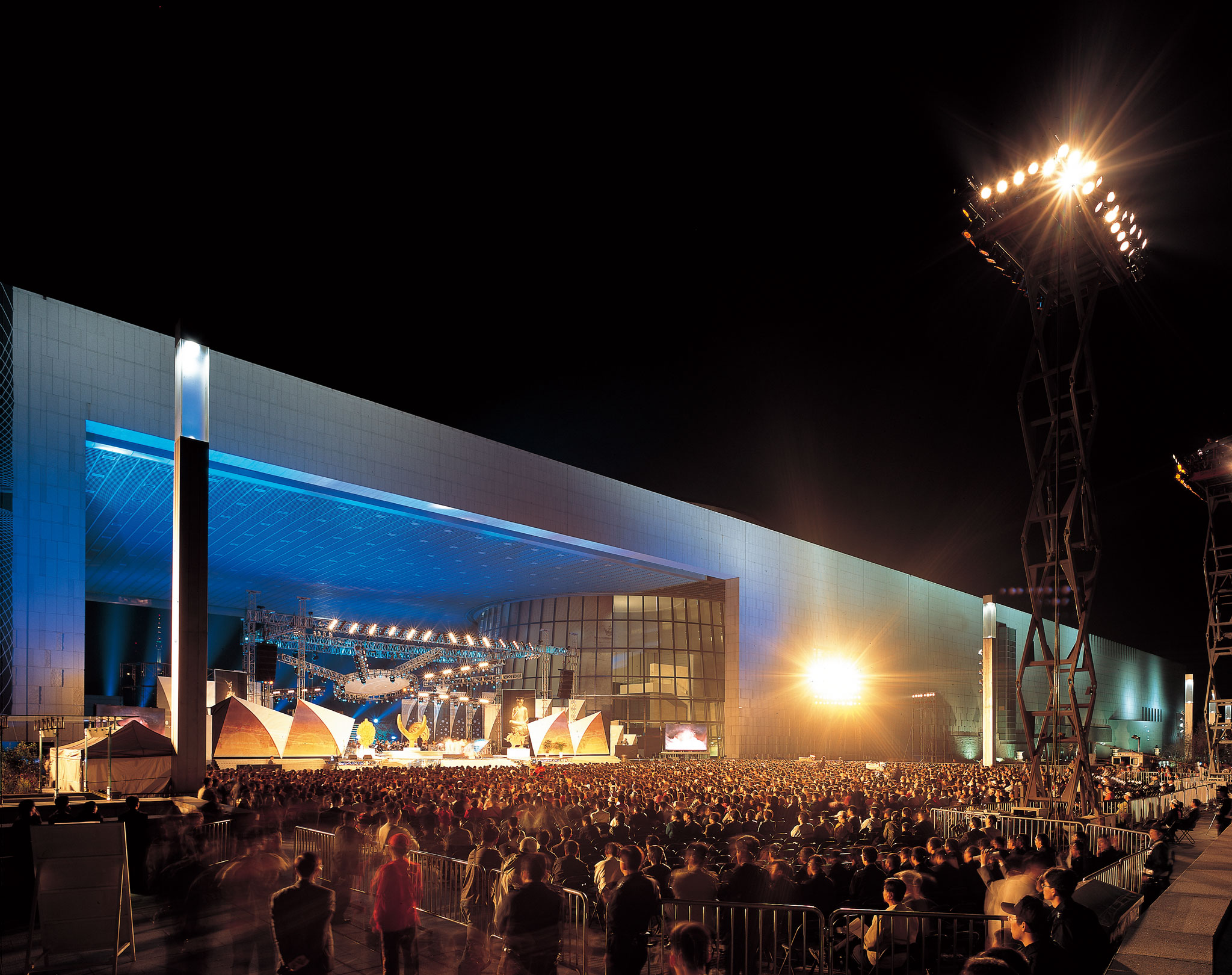
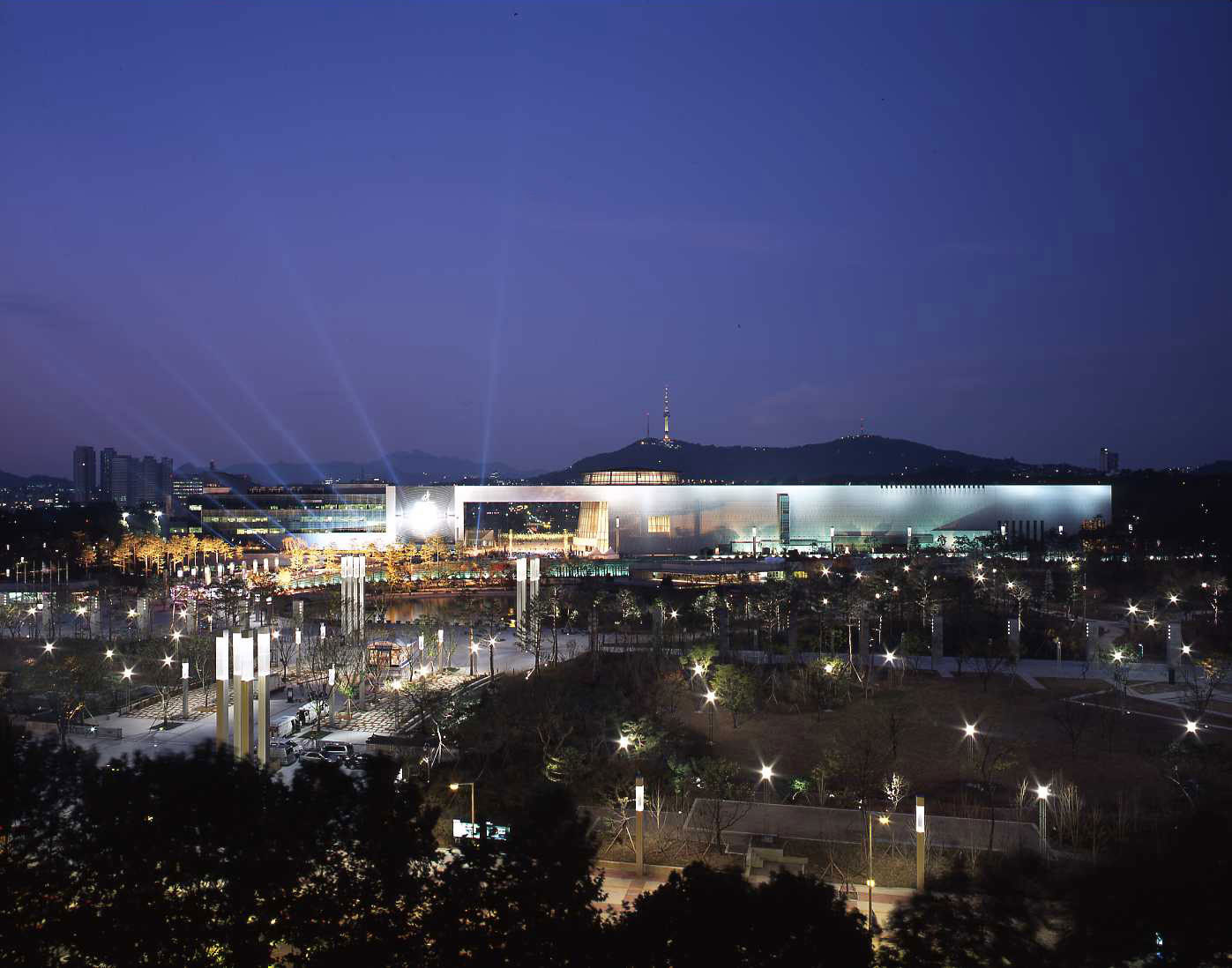
The National Museum of Korea is a landmark project that, in 1995, became the first in Korea to be selected through an international design competition authorized by the International Union of Architects (UIA). At that time, it was the largest cultural facility project in South Korea in terms of size, status, and site characteristics in Yongsan. It was also historically significant as the first major cultural facility selected through a design competition submitted solely by a large architectural firm.
The museum’s design concept is a modern reinterpretation of Korea’s traditional views of nature and architectural spirit. The museum is situated between a mountain and water — Mt. Namsan to the north and a large reflecting pond called “Mirror Pond” to the south — following the traditional principle of “back to the mountain, facing the water” (baesanimsu). The building’s layout suggests a long fortress wall motif, with tall walls rising to roof height, emphasizing the fortress imagery while allowing daylight to penetrate deep into each floor for practical illumination. Located at the intersection of the museum’s axis and Mt. Namsan, the Mirror Pond encompasses both mountain and water, addressing the harmony of yin and yang and the interplay of stillness and movement; it also serves a practical purpose by protecting the museum from flooding during heavy rains. At the museum’s center lies an “open courtyard” analogous to the traditional Korean daecheongmaru, with a roof but no walls, which is an internal-external boundary itself. This courtyard is open to the public and serves as the starting point for all museum facilities including galleries and performance halls, while also connecting the museum grounds with natural scenery.
The museum’s landscape concept is that of a secure and peaceful fortress between mountain and water, blending natural park features with cultural facilities by incorporating lakes, ponds, waterfalls, gardens, and botanical gardens within the premise.
In the Press
Archive

-
Status
Completed
-
Awards
- 2008 Energy Efficient Building Award_Grand Prize
- 2006 Seoul Architecture Award_Grand Prize
-
Client
National Museum of Korea Construction Promotion Planning Committee
-
Program
Cultural, public
-
Design Year
1995 - 1997(working drawings, 1998(Exhibition working drawings)
-
Completion Year
2004
-
Location
Yongsan-gu, Seoul
-
Site area
307,227.83m2
-
Gross Floor Area
137,088.95m2
-
Building Area
49.117.38m2
-
Number of Levels
B1, 6F
-
Participants
The National Museum of Korea is a landmark project that, in 1995, became the first in Korea to be selected through an international design competition authorized by the International Union of Architects (UIA). At that time, it was the largest cultural facility project in South Korea in terms of size, status, and site characteristics in Yongsan. It was also historically significant as the first major cultural facility selected through a design competition submitted solely by a large architectural firm.
The museum’s design concept is a modern reinterpretation of Korea’s traditional views of nature and architectural spirit. The museum is situated between a mountain and water — Mt. Namsan to the north and a large reflecting pond called “Mirror Pond” to the south — following the traditional principle of “back to the mountain, facing the water” (baesanimsu). The building’s layout suggests a long fortress wall motif, with tall walls rising to roof height, emphasizing the fortress imagery while allowing daylight to penetrate deep into each floor for practical illumination. Located at the intersection of the museum’s axis and Mt. Namsan, the Mirror Pond encompasses both mountain and water, addressing the harmony of yin and yang and the interplay of stillness and movement; it also serves a practical purpose by protecting the museum from flooding during heavy rains. At the museum’s center lies an “open courtyard” analogous to the traditional Korean daecheongmaru, with a roof but no walls, which is an internal-external boundary itself. This courtyard is open to the public and serves as the starting point for all museum facilities including galleries and performance halls, while also connecting the museum grounds with natural scenery.
The museum’s landscape concept is that of a secure and peaceful fortress between mountain and water, blending natural park features with cultural facilities by incorporating lakes, ponds, waterfalls, gardens, and botanical gardens within the premise.
In the Press
Archive