Close
![Popup Image]()
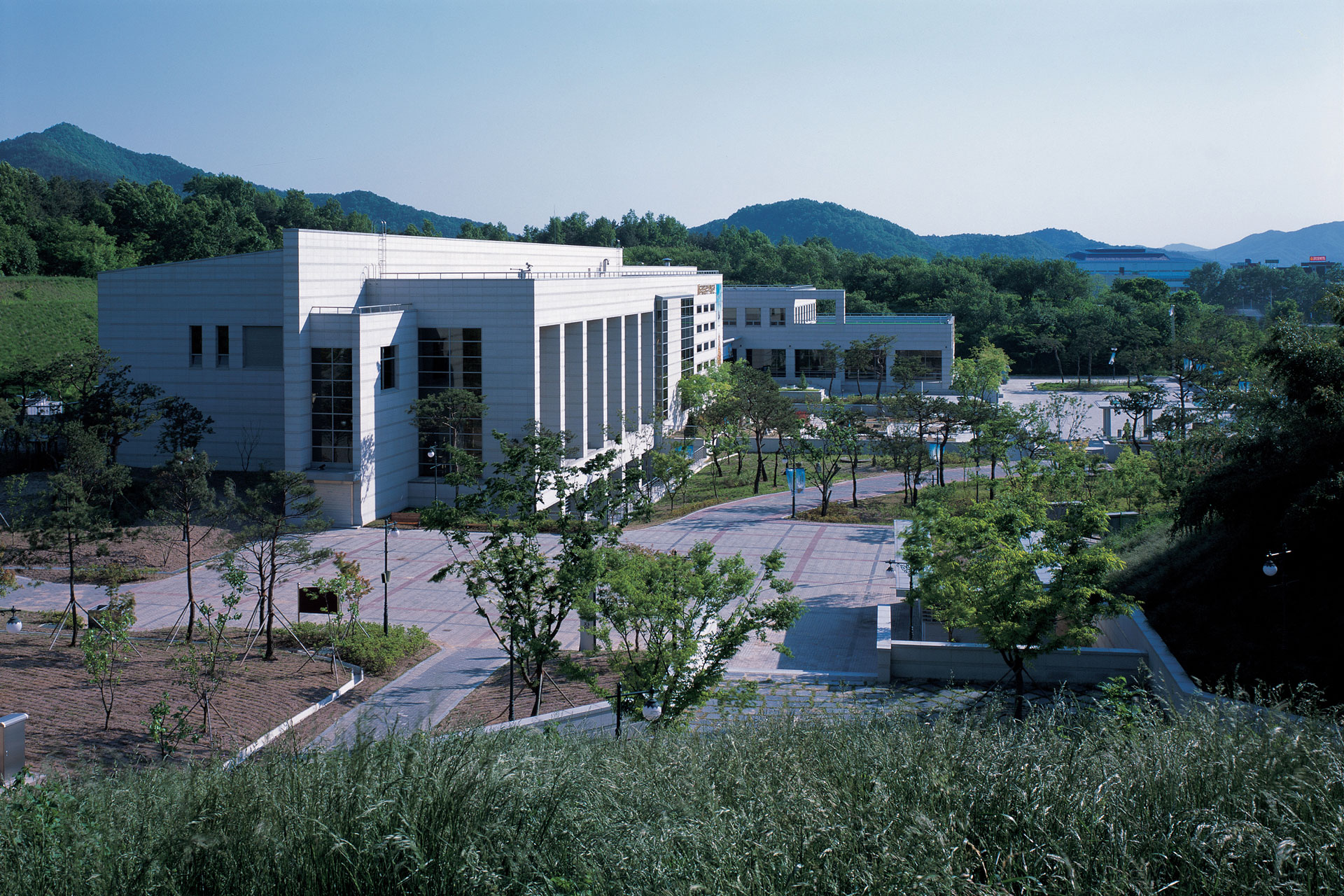
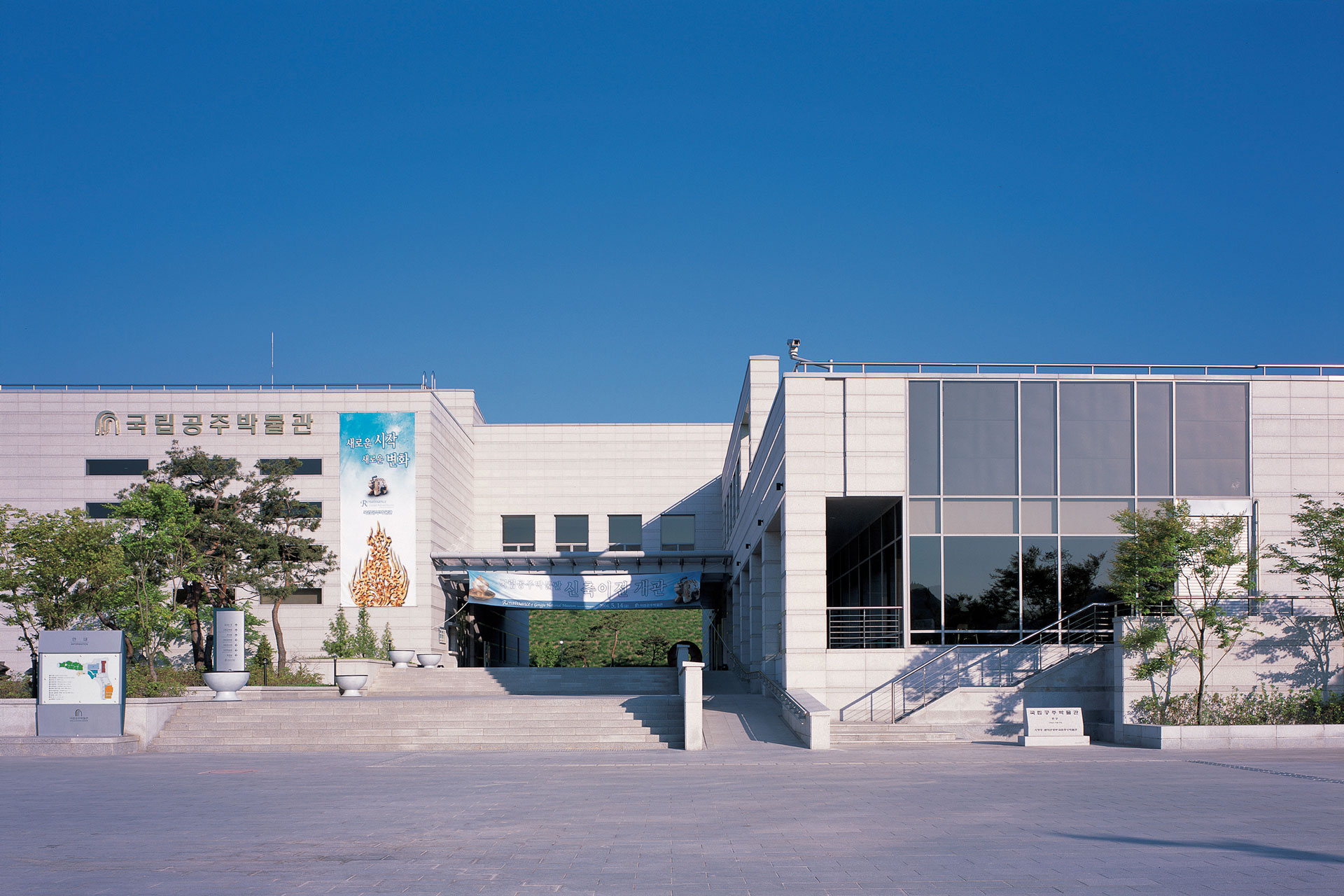
Gongju National Museum was planned to inherit the cultural and historical value characteristic of the Gongju region, the center of the Baekje cultural sphere, while facilitating the preservation, research, exhibition, and education management of regional cultural heritage. Considering the ongoing discovery of artifacts in Gongju and increasing visitor numbers, the design allows for future expansions and serves as a venue for social education and cultural spaces. The site offers excellent accessibility, adjacent to the Baekje Grand Avenue in urban planning, with convenient entry from the Cheonan-Nonsan Expressway and National Route 23. Once the Baekje Grand Avenue road and bridge constructions are completed, access will be even smoother. Designated as a museum zone in urban planning, the site is surrounded by clustered facilities like the sports complex, Baekje Sports Center, and public buildings, making it advantageous for attracting visitors. Its proximity to Muryeongwangneung Tomb, Gomnaru amusement area, Gosanseong Fortress, and Ungjin-dong cultural tourism sites also allows for linked development, such as a promenade toward the tomb, within the same zone.
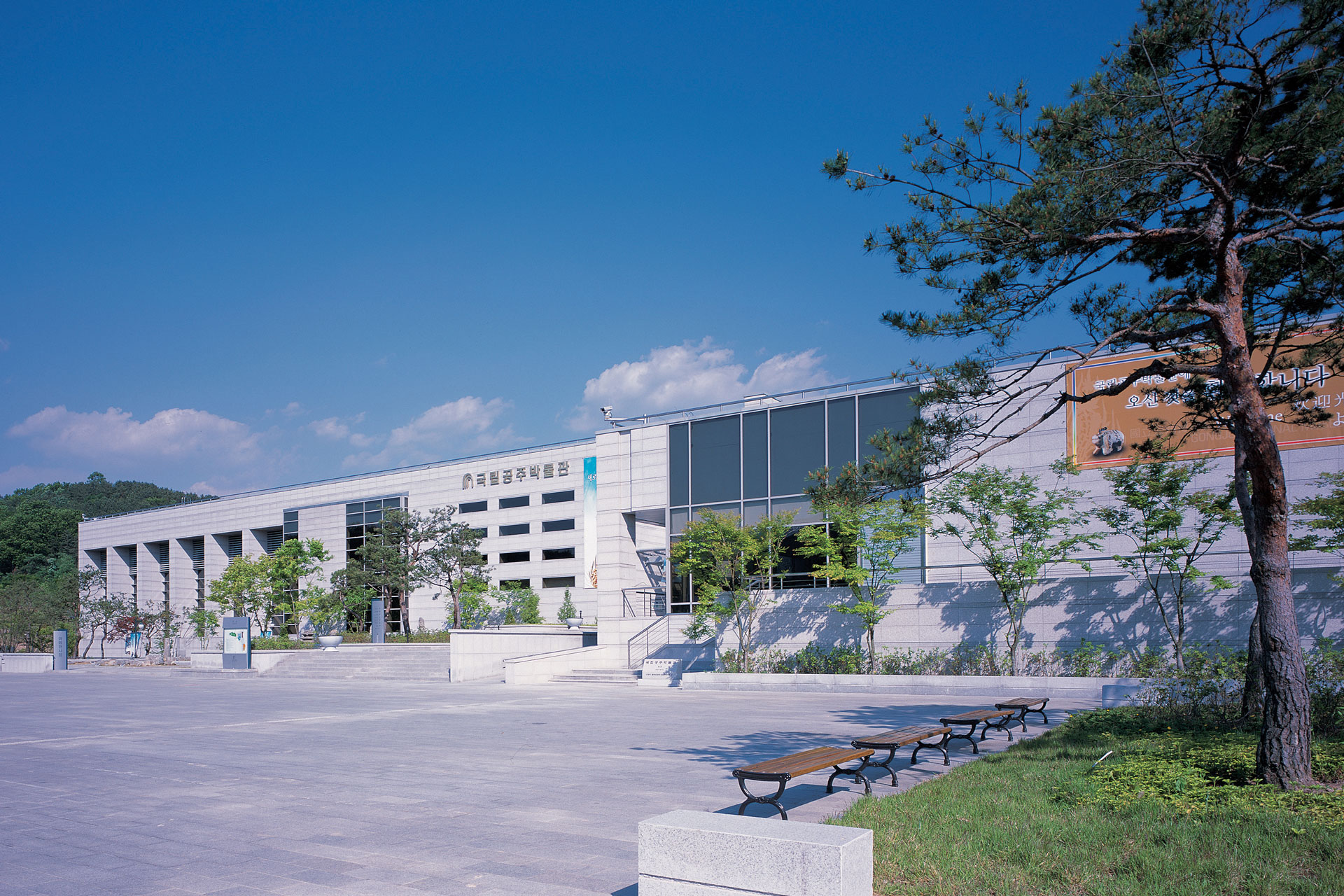
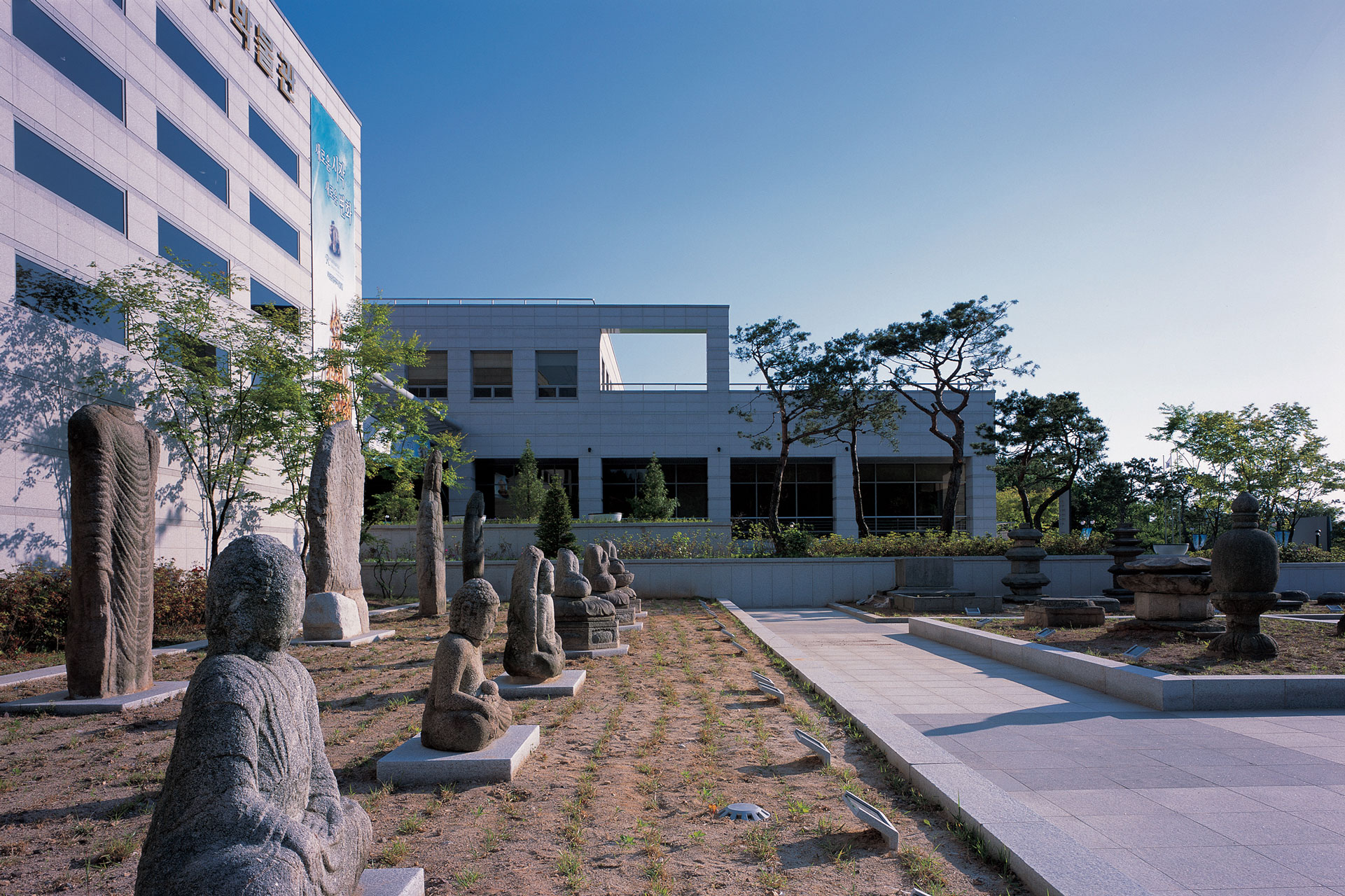
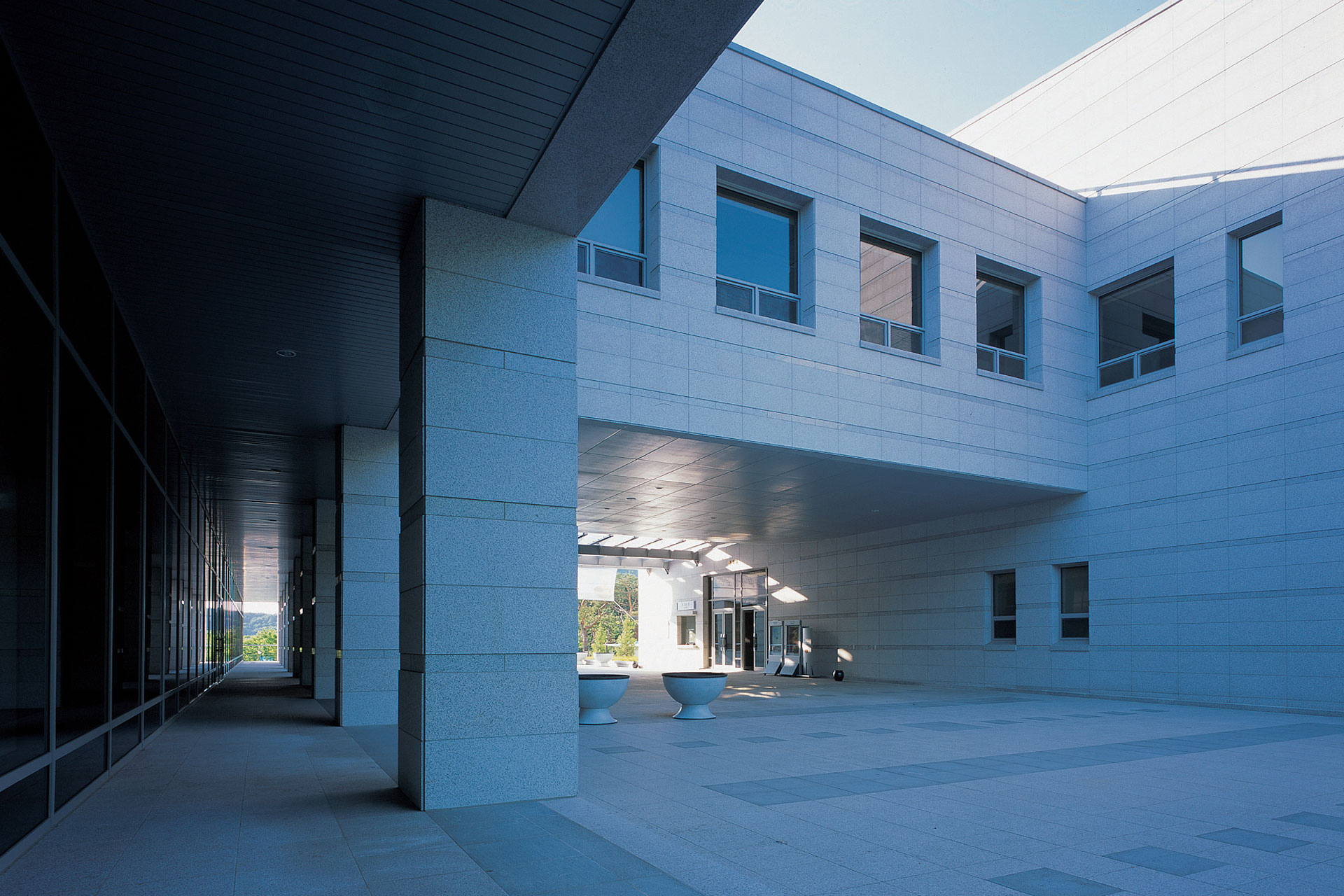
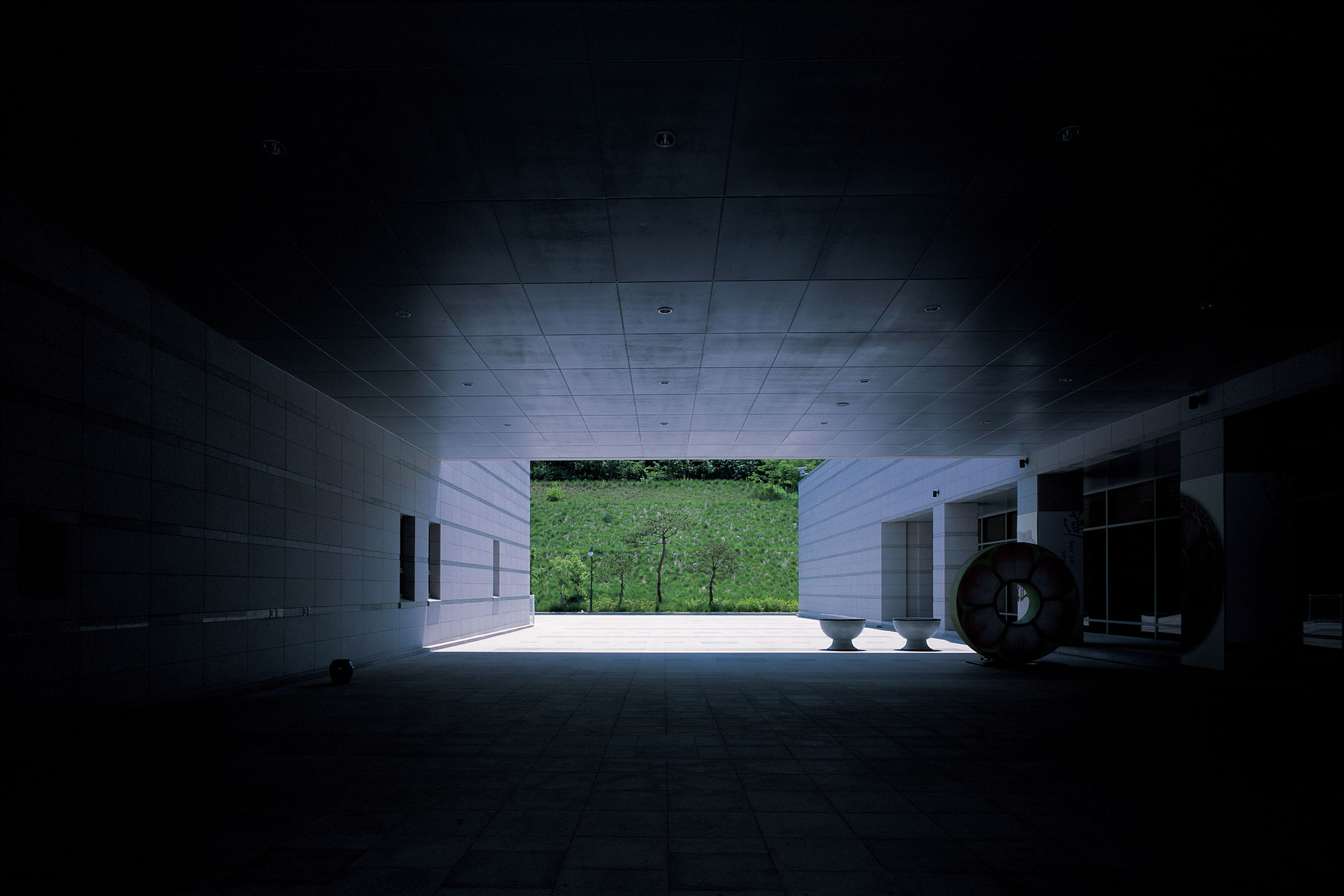
The layout conforms to the surrounding environment and natural conditions by preserving the existing topography as much as possible, while enabling linkage with the adjacent Muryeongwangneung Tomb and Jeongjisan ruins. The entry axis and the building axis are harmoniously placed along the site access route, providing visually diverse experiences, emphasizing frontality for directional guidance, and reserving space for future expansions. Gradual integration of landscaping and outdoor exhibitions from the entrance creates a unified image across the site, enhancing understanding of exhibitions and connecting indoor and outdoor displays spatially and temporally to maintain visitor rhythm without interruption. An outdoor performance venue links with the building and outdoor exhibition areas to strengthen social and educational functions, while an outdoor plaza between the entrance and building serves as a ticketing and gathering space.
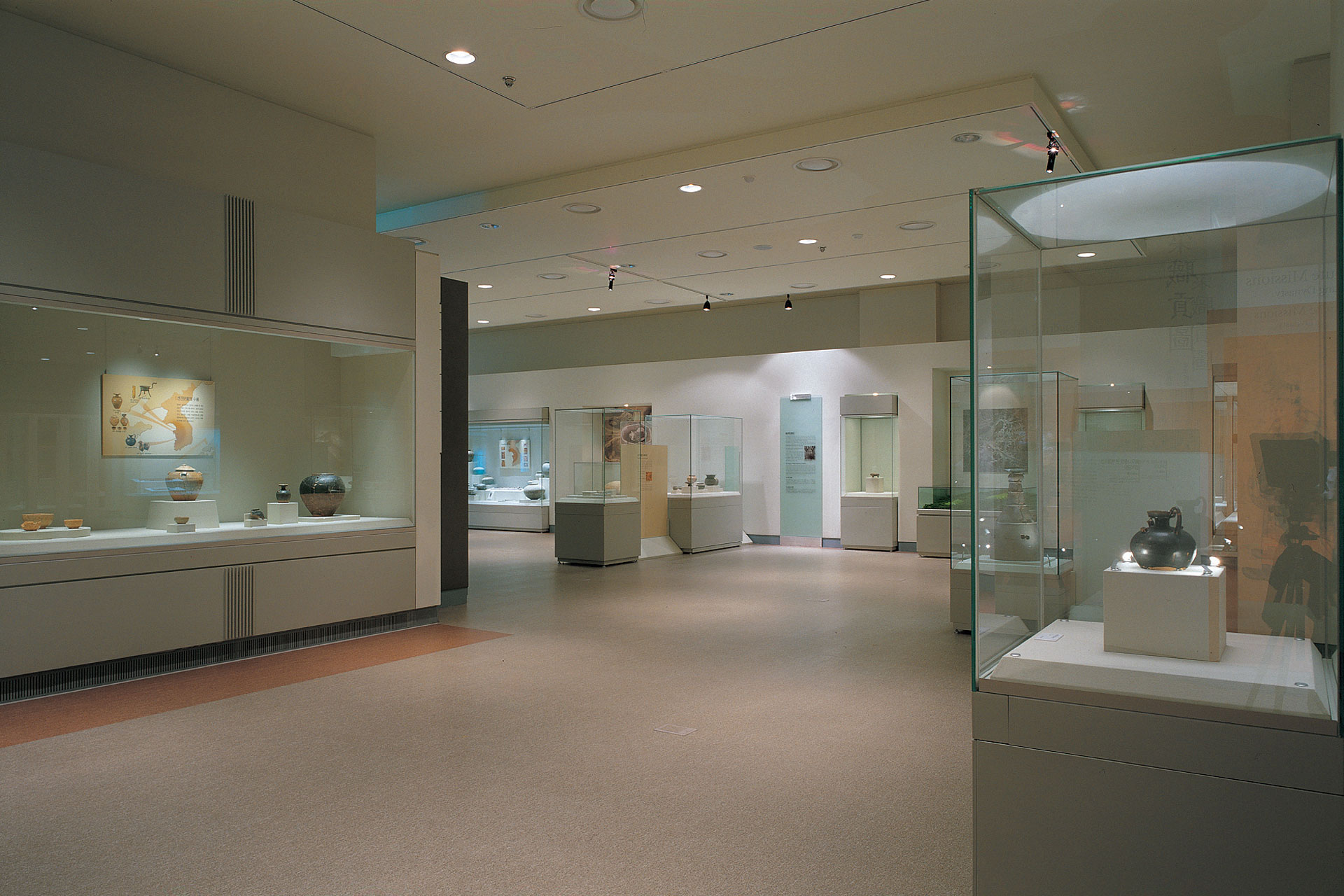
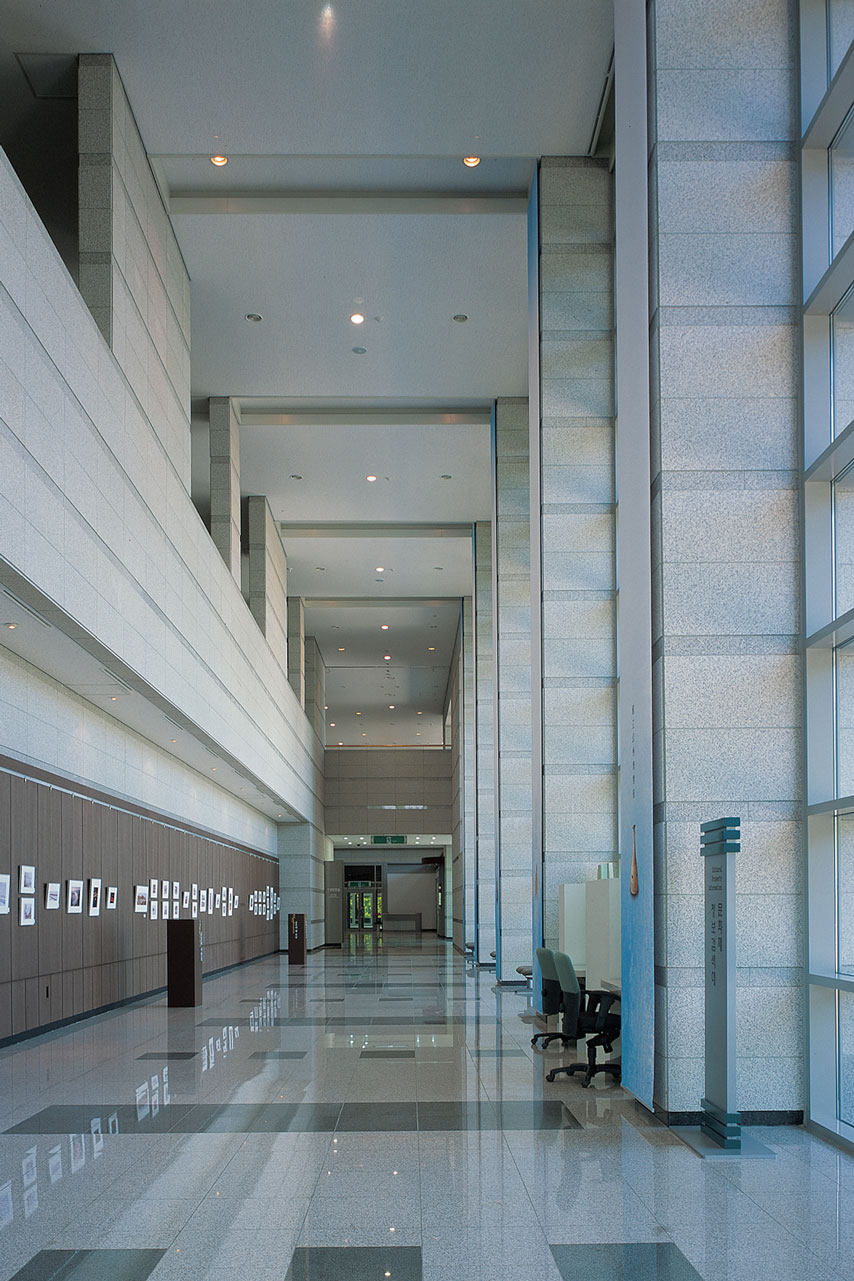
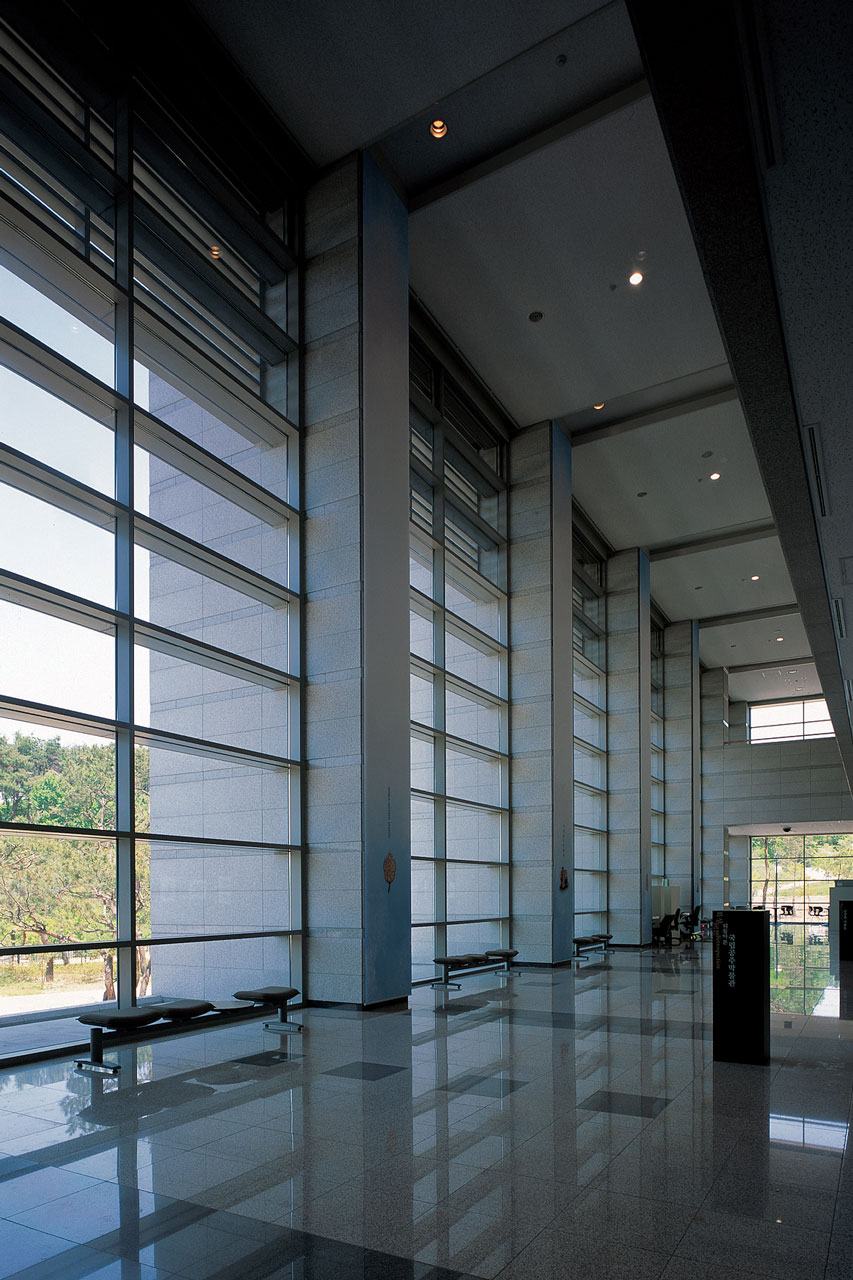
The floor plan functionally separates the exhibition wing from the social education and administration wing, with a second-floor bridge to avoid crossing visitor and staff paths for easier maintenance. Vertical stairs are positioned for smooth connections between permanent exhibition halls (first and second floors), and an accessible elevator is provided for the disabled. For visitor convenience and rest, a museum shop, a baggage storage, lounges, public phones, and restrooms are appropriately placed in connection with exhibition spaces. The special exhibition hall is designed as a flexible, efficient space accommodating various formats, while halls and lobbies in the permanent exhibition serve as shared public areas that enrich spatial abundance and extend exhibition concepts.
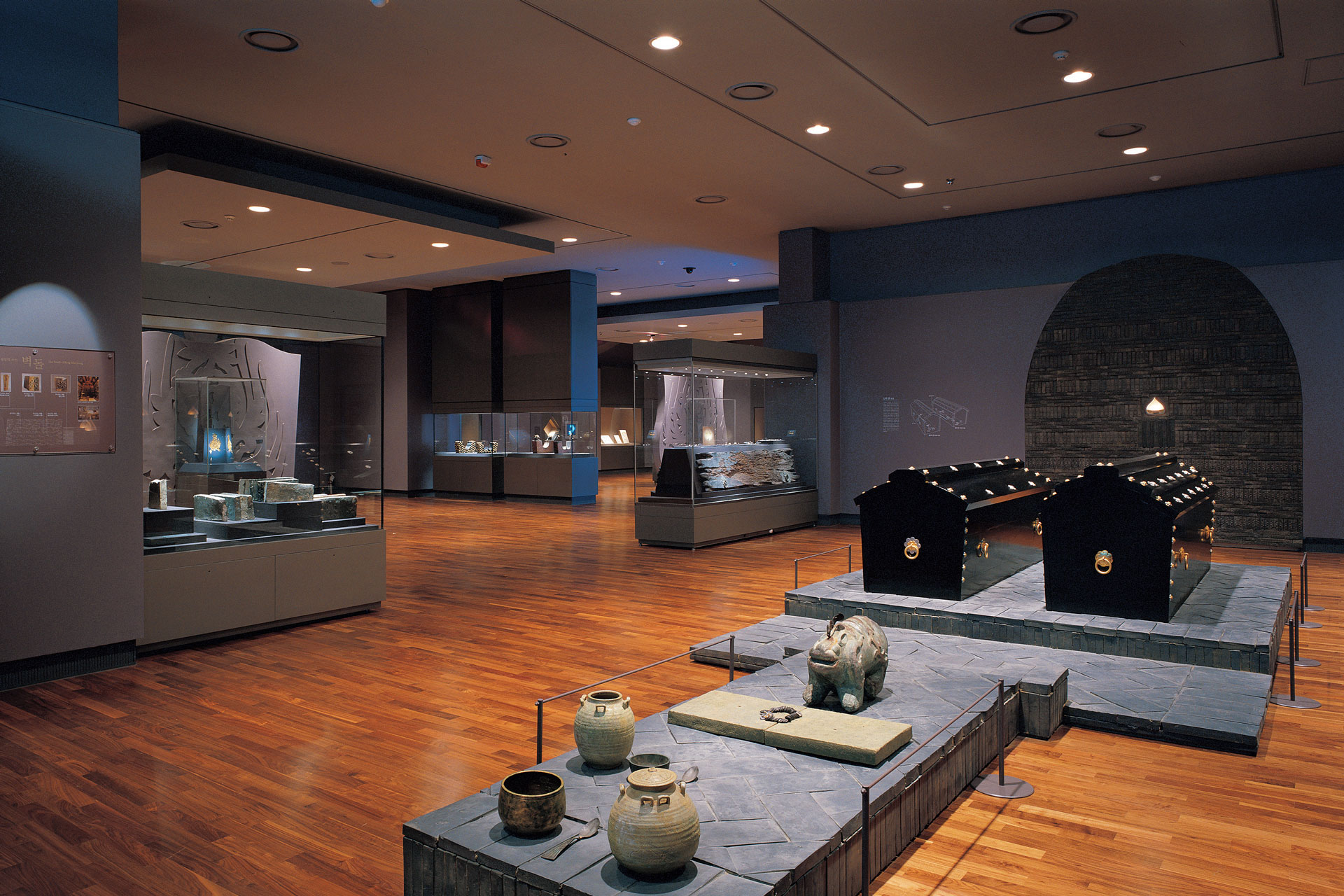
The exhibition halls are structured into major sections: “Introduction,” “Gongju before Baekje,” “Baekje Mountain Fortresses,” “Ungjin Region,” “Baekje Tombs,” “Songshan-ri Tombs and Muryeongwang Tomb,” and “Medieval Culture and Gongju.” The introduction area is openly configured for easy external linkage, while main exhibition spaces emphasize closure and openness to advance the narrative storyline.
In the press

-
Status
Completed
-
Order
Gongju National Museum
-
Purpose
Public, Cultural
-
Design Year
1997
-
Completion Year
2003
-
Location
Gongju-si, Chungcheongnam-do
-
Site area
69,514m2
-
Gross Floor Area
11,816m2
-
Building Area
5,093m2
-
Scale
B1, 2F
Gongju National Museum was planned to inherit the cultural and historical value characteristic of the Gongju region, the center of the Baekje cultural sphere, while facilitating the preservation, research, exhibition, and education management of regional cultural heritage. Considering the ongoing discovery of artifacts in Gongju and increasing visitor numbers, the design allows for future expansions and serves as a venue for social education and cultural spaces. The site offers excellent accessibility, adjacent to the Baekje Grand Avenue in urban planning, with convenient entry from the Cheonan-Nonsan Expressway and National Route 23. Once the Baekje Grand Avenue road and bridge constructions are completed, access will be even smoother. Designated as a museum zone in urban planning, the site is surrounded by clustered facilities like the sports complex, Baekje Sports Center, and public buildings, making it advantageous for attracting visitors. Its proximity to Muryeongwangneung Tomb, Gomnaru amusement area, Gosanseong Fortress, and Ungjin-dong cultural tourism sites also allows for linked development, such as a promenade toward the tomb, within the same zone.
The layout conforms to the surrounding environment and natural conditions by preserving the existing topography as much as possible, while enabling linkage with the adjacent Muryeongwangneung Tomb and Jeongjisan ruins. The entry axis and the building axis are harmoniously placed along the site access route, providing visually diverse experiences, emphasizing frontality for directional guidance, and reserving space for future expansions. Gradual integration of landscaping and outdoor exhibitions from the entrance creates a unified image across the site, enhancing understanding of exhibitions and connecting indoor and outdoor displays spatially and temporally to maintain visitor rhythm without interruption. An outdoor performance venue links with the building and outdoor exhibition areas to strengthen social and educational functions, while an outdoor plaza between the entrance and building serves as a ticketing and gathering space.
The floor plan functionally separates the exhibition wing from the social education and administration wing, with a second-floor bridge to avoid crossing visitor and staff paths for easier maintenance. Vertical stairs are positioned for smooth connections between permanent exhibition halls (first and second floors), and an accessible elevator is provided for the disabled. For visitor convenience and rest, a museum shop, a baggage storage, lounges, public phones, and restrooms are appropriately placed in connection with exhibition spaces. The special exhibition hall is designed as a flexible, efficient space accommodating various formats, while halls and lobbies in the permanent exhibition serve as shared public areas that enrich spatial abundance and extend exhibition concepts.
The exhibition halls are structured into major sections: “Introduction,” “Gongju before Baekje,” “Baekje Mountain Fortresses,” “Ungjin Region,” “Baekje Tombs,” “Songshan-ri Tombs and Muryeongwang Tomb,” and “Medieval Culture and Gongju.” The introduction area is openly configured for easy external linkage, while main exhibition spaces emphasize closure and openness to advance the narrative storyline.
In the press