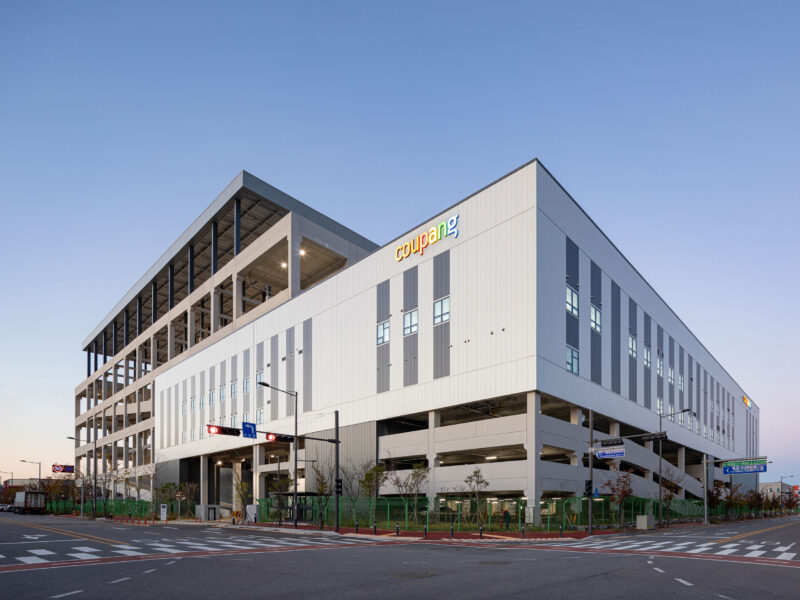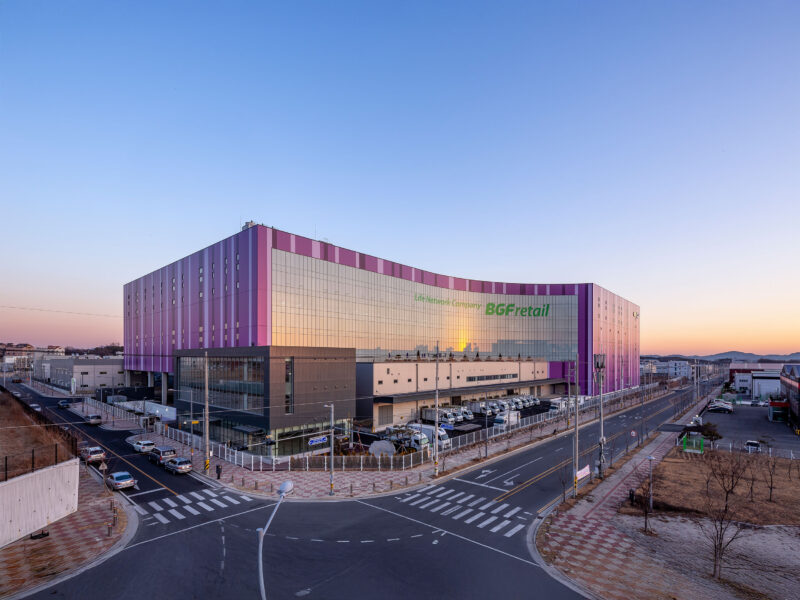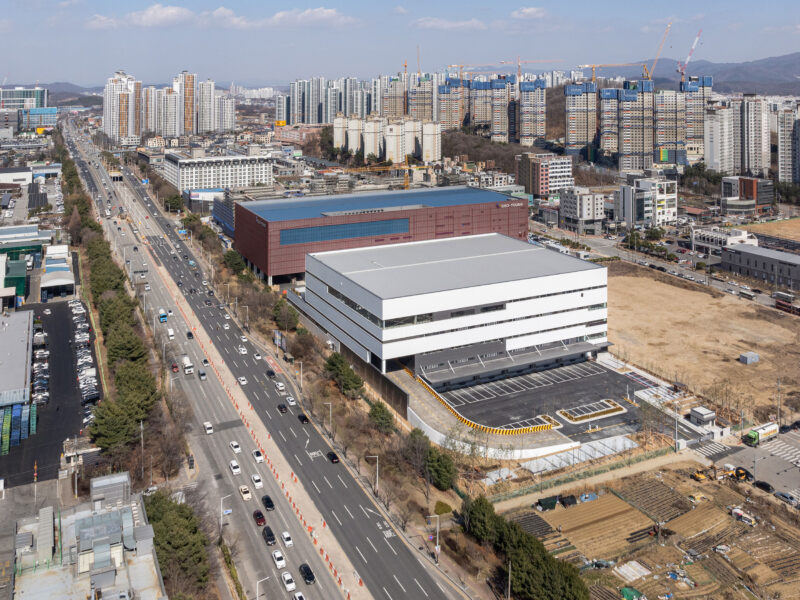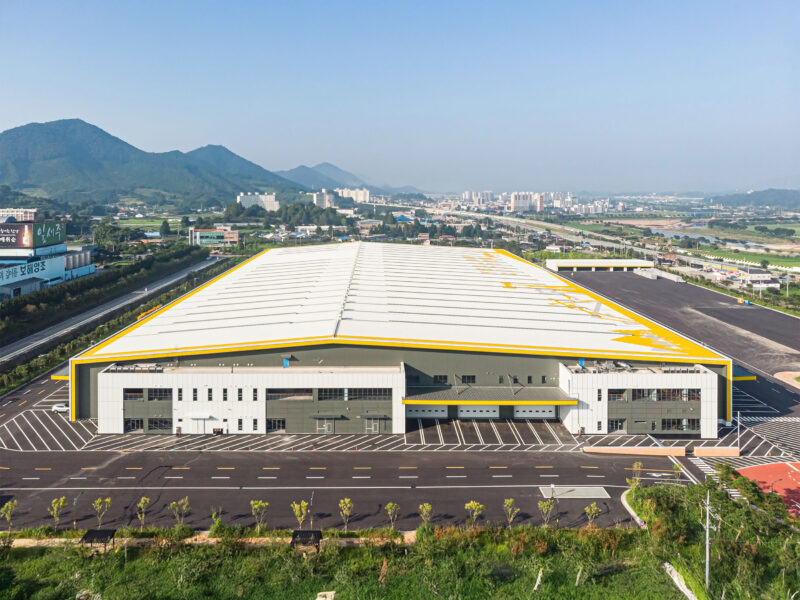
Intro
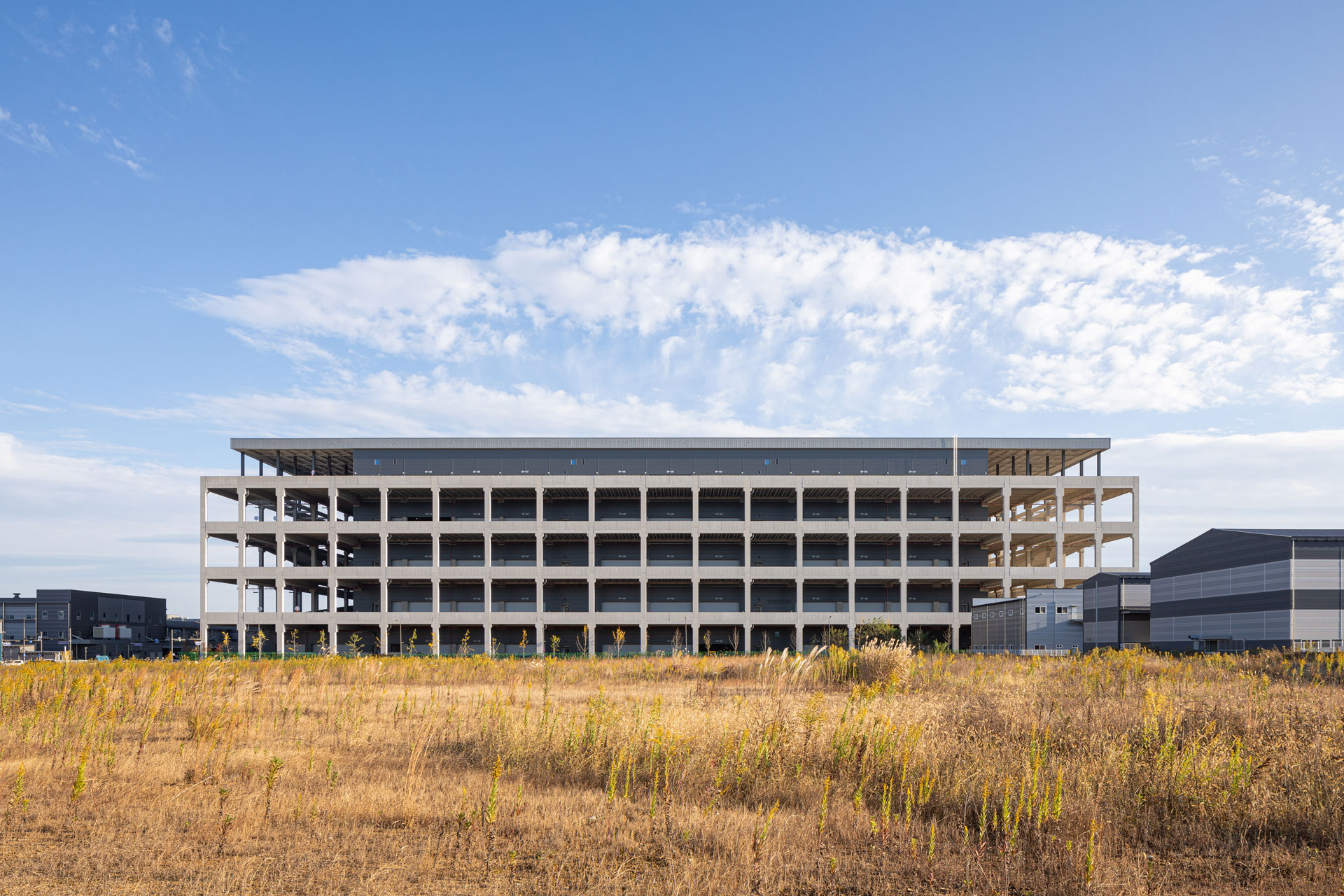
Warehouses are closer to “functional architecture” than to “architecture for dwelling.” They represent one of the oldest architectural forms, born when humanity began storing surplus. Therefore, they contain honest answers to the technological and environmental challenges of their respective eras. Here, we examine historical cases from the evolution of warehouse architecture, which has developed for the purpose of storage.
Written by & Courtesy of Architect Sunghyung Park (Leader of the Logi-Tech BU, Junglim Architecture)
Edited by the Brand Team of Junglim Architecture
Warehouse Architecture
Reflecting the Times
While architecture is often discussed as “spaces for dwelling,” one of the crucial building types that enabled humanity’s settled lifestyle was storage space—the warehouse. As societies transitioned to agriculture and surplus production emerged, safely storing these goods became a matter directly tied to survival. Unlike residential buildings, warehouses were spaces where people did not permanently reside, which actually allowed them to be more faithful to their function and thus became places for experimenting with new structures, materials, and construction methods. This lineage, which continues today in logistics centers and automated distribution facilities, represents an ancient architectural history that began with humanity’s agricultural settlement approximately 10,000 years ago.
- Inevitable Changes Driven by the Demands of the Times
Warehouse architecture has evolved into a wide variety of forms, reflecting the types of goods stored and the demands of each era. Depending on what was stored—whether grain, weapons, scriptures, or ice—the structure, materials, and form varied accordingly. - The Distinctive Nature of Non-Residential Architecture
The fact that these are spaces not permanently inhabited by people is also why warehouses have been able to remain relatively free from the conventions of existing residential architecture. As a result, warehouses became the spaces where architectural experimentation and technological advancement were most actively pursued in each era.
Case 1.
Goguryeo <Bugyeong>
Elevated Storage Buildings that Blocked Moisture
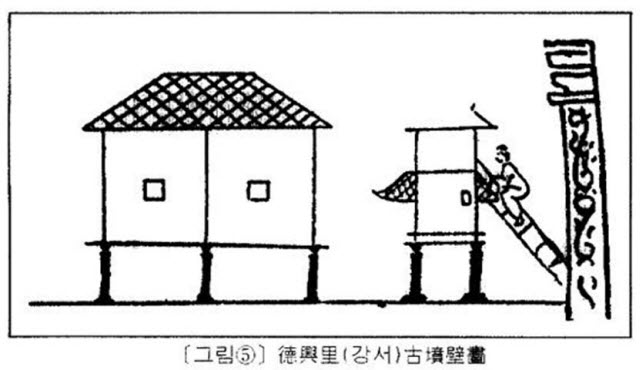
In Goguryeo, there were Raised-floor warehouse1 called “Bugyeong (桴京)” that featured a piloti structure with floors raised above the ground to prevent moisture rising from the earth. These storage buildings were so commonplace that they were installed in nearly every household. These small structures were used to store grains, food provisions, salt, and other goods. Their design can be inferred from Goguryeo tomb murals as well as from the storage buildings still in use today in residential houses throughout China’s Jilin Province. This represented an architectural solution that actively considered the natural environment to prevent the spoilage of stored goods.
The country has no large granaries, and each household has its own small storage building, which is called Bugyeong (桴京).
– Records of the Three Kingdoms(三國志), Book of Wei(魏書), Eastern Barbarians(東夷傳), Goguryeo Section
Case 2.
Before the Three Kingdoms Period <Jeongchangwon>
Storage Technology Perfected Through Wooden Architecture
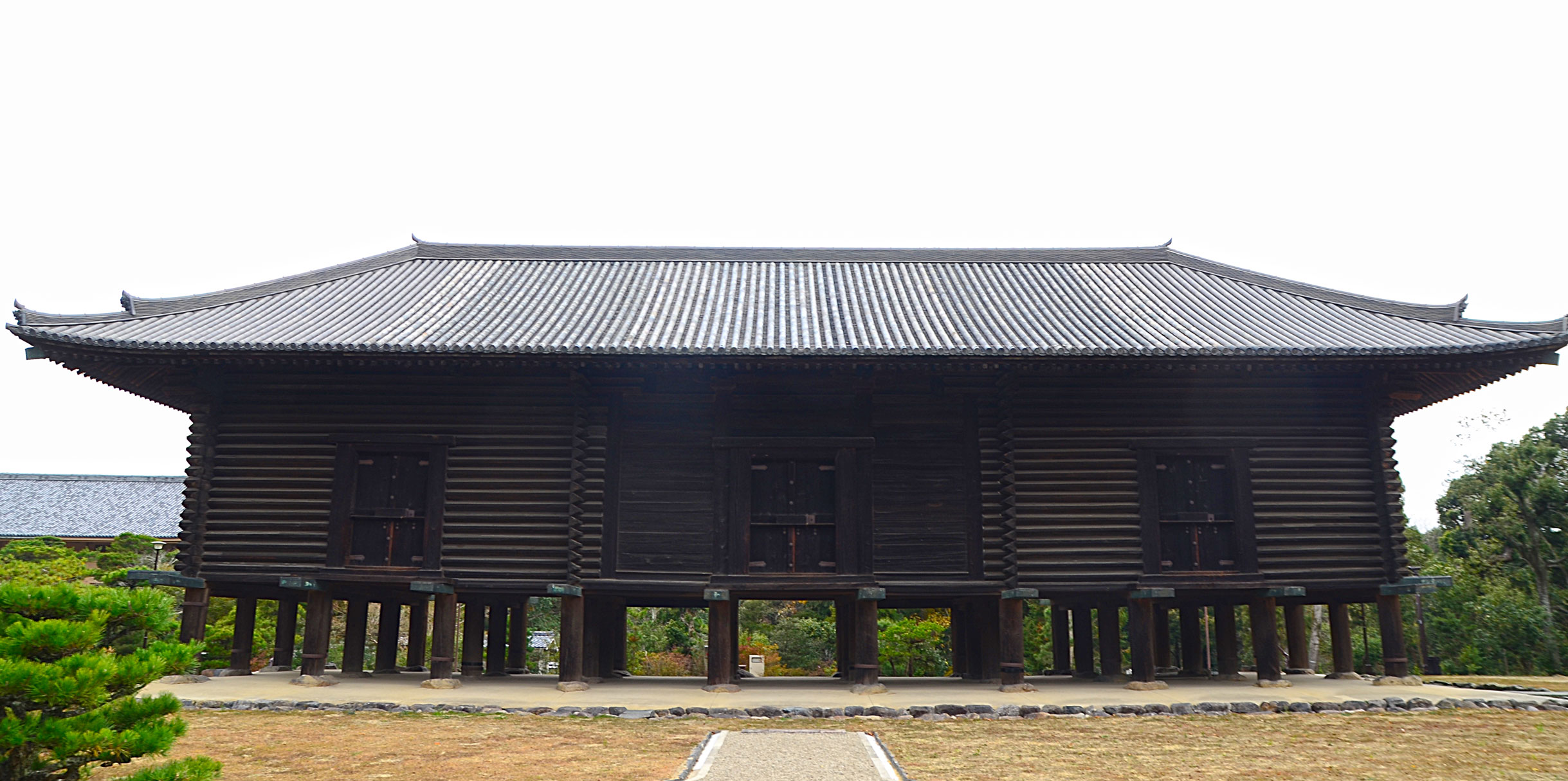
Among the elevated-style storehouses believed to have been constructed before the Three Kingdoms period, the Jeongchangwon (正倉院) preserved by the Japanese Imperial Household stands as the most representative example. Used as a repository for storing royal artifacts, it was built using the “log construction” method, where processed logs are interlocked and stacked together. This wooden structure achieved structural stability with minimal use of nails. Serving as both a storage facility and featuring sophisticated construction, the Jeongchangwon is an important cultural legacy that demonstrates the advanced level of wooden architectural technology of that era.
Case 3.
Joseon Dynasty <Janggyeongpanjeon Depositories of Haeinsa Temple>
Preserved for 600 Years Through Natural Ventilation
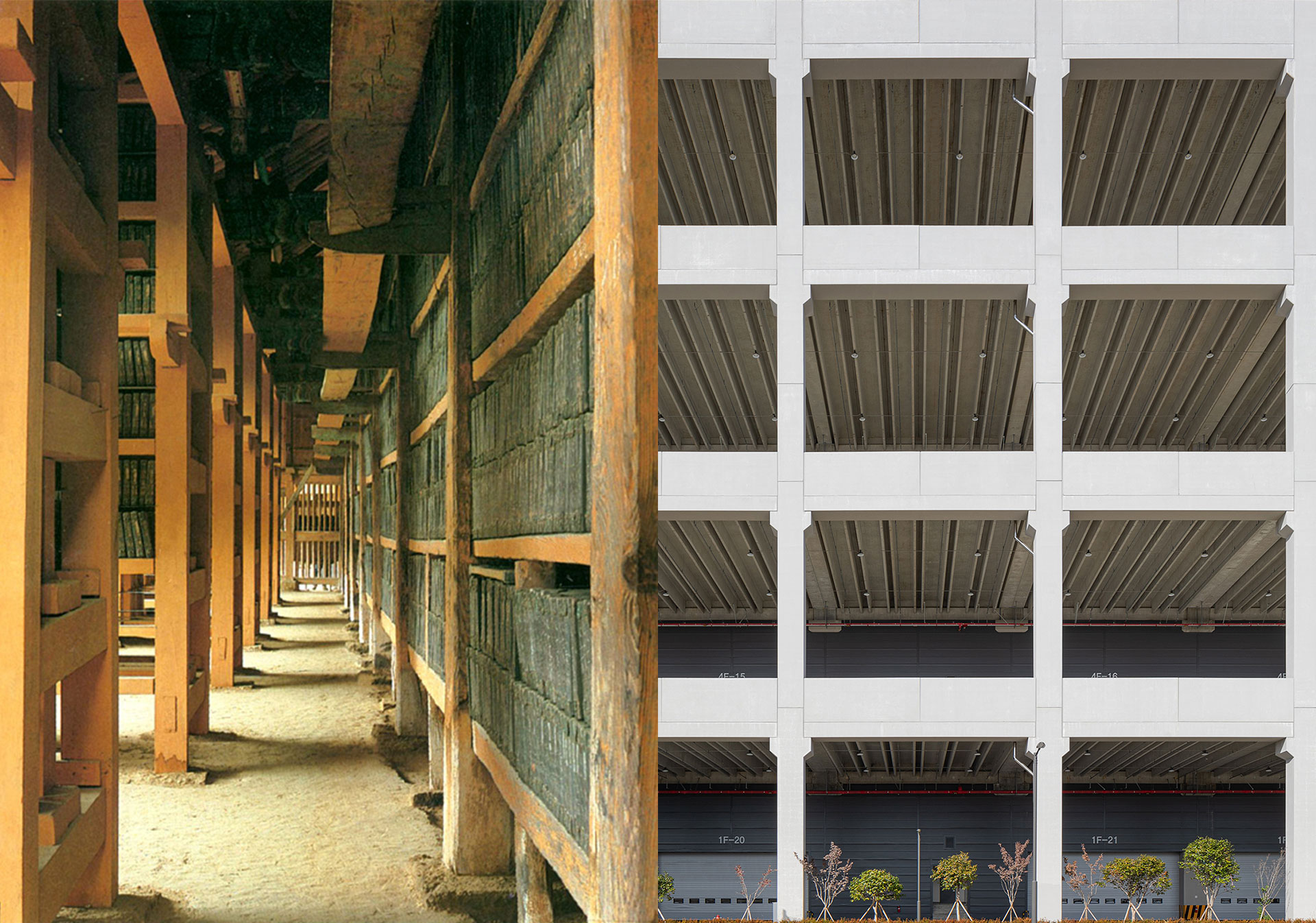
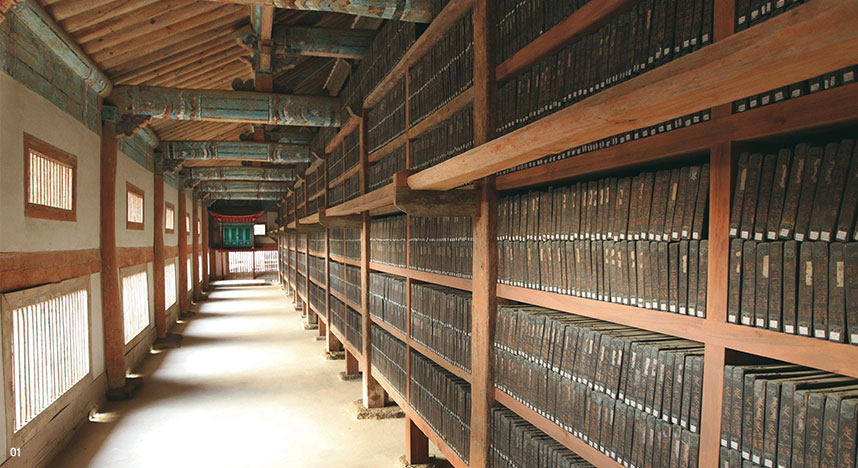
The Janggyeong Panjeon at Haeinsa Temple stands as a prime example of Korean storage architecture. This building features windows of different sizes and shapes in its upper and lower sections, with large and small windows strategically positioned to face each other. This distinctive ventilation system naturally regulates internal airflow, maintaining stable humidity and temperature levels. As a result, the Tripitaka Koreana has been preserved for over 600 years without any mechanical equipment. This represents the epitome of architecture that embodies functional beauty through precise understanding and masterful utilization of the natural environment.
Case 4.
<Ice Storage (Bingo)>
The Beginning of Cold Storage
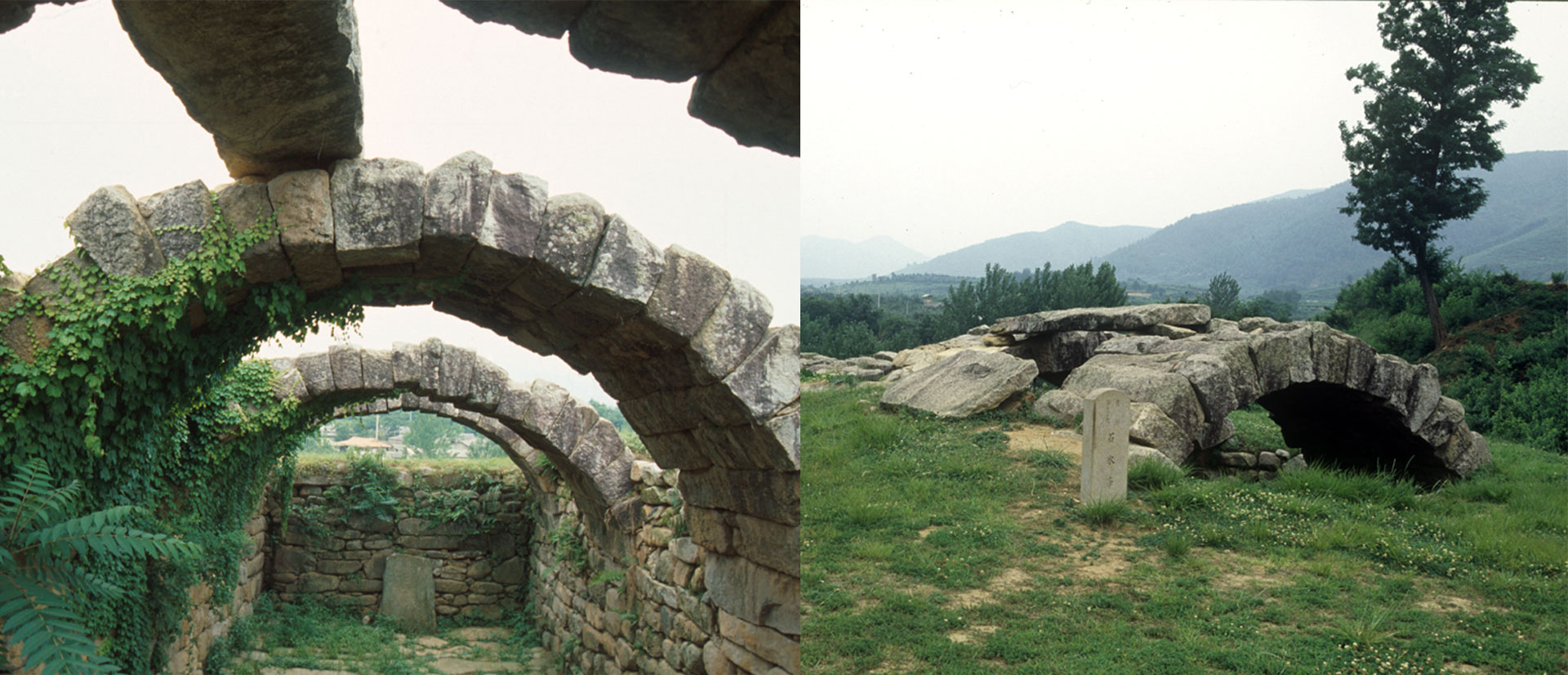
Modern refrigerated and frozen warehouses are revolutionizing food distribution through cold chain2 systems. Dawn delivery services and fresh food distribution would not have been possible without advances in cold storage technology. A similar historical example is the bingo (氷庫), ice storage facilities used during the Joseon Dynasty to store ice harvested from the Han River in winter. The place names Dongbinggo-dong and Seobinggo-dong in Seoul preserve traces of this history, and recently, the discovery of Silla Dynasty bingo ruins in Gyeongju has confirmed that this practice dates back even further.
Case 5.
2nd Century BC Rome
<Porticus Aemilia>
Rome’s Granary, a Testing Ground for Arch Architecture
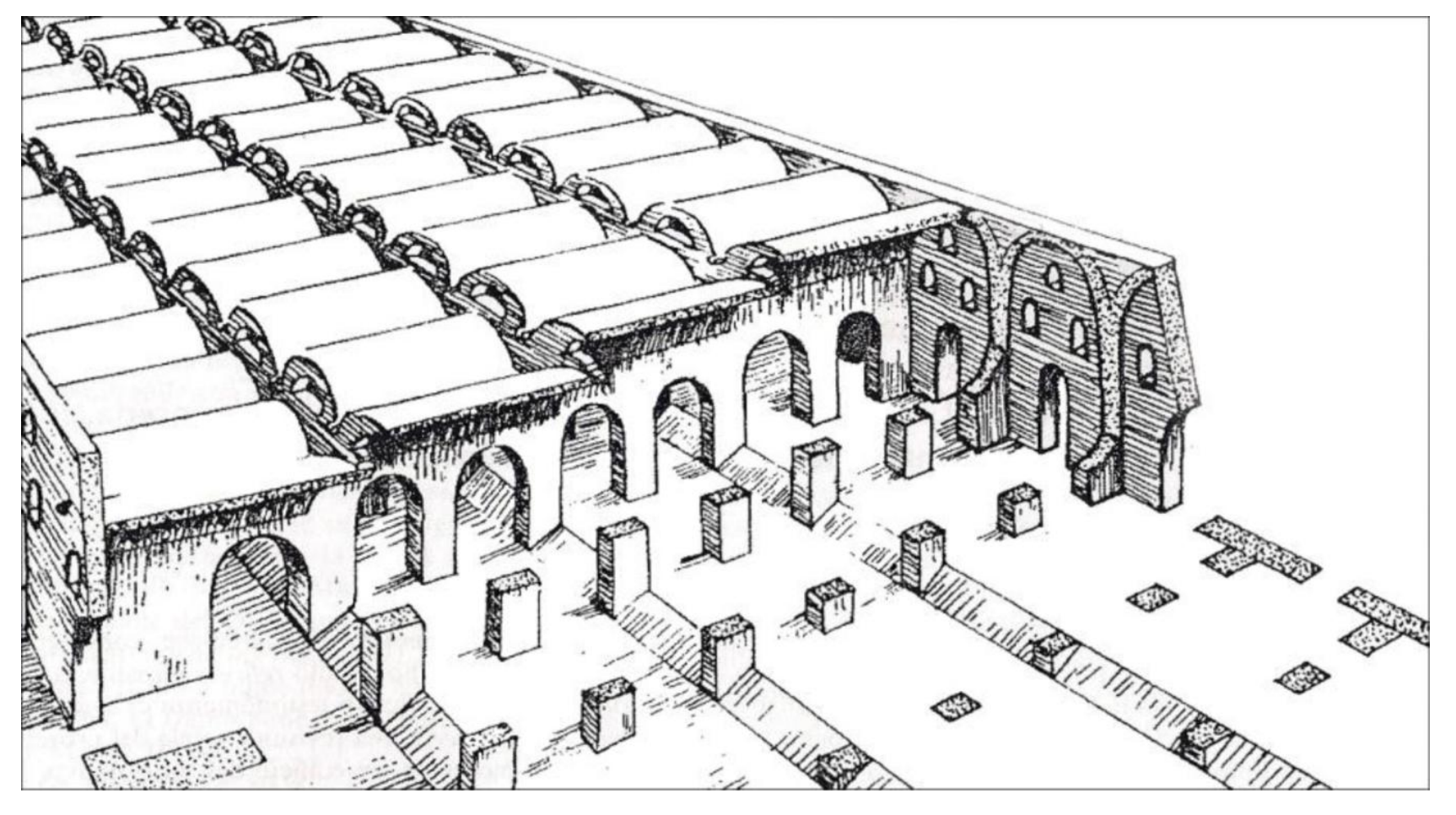
Although not a cold storage facility, the Porticus Aemilia serves as a noteworthy example in terms of both storage function and structural experimentation. This large granary was built in 193 BC near the Tiber River in Rome. The building utilized the sloping riverside terrain to arrange barrel vault3 structures in continuous succession, with overall dimensions of approximately 487×60 meters. Its ventilation system, which exploited the height differences between the upper arches, significantly influenced how arch structures would later be used to expand interior spaces in Western architecture. Though originally designed as a storage space, it ultimately became a crucial turning point in the development of spatial concepts in Western architecture.
Case 6.
1884 <Beonsachang>
Modern Korea’s Arsenal
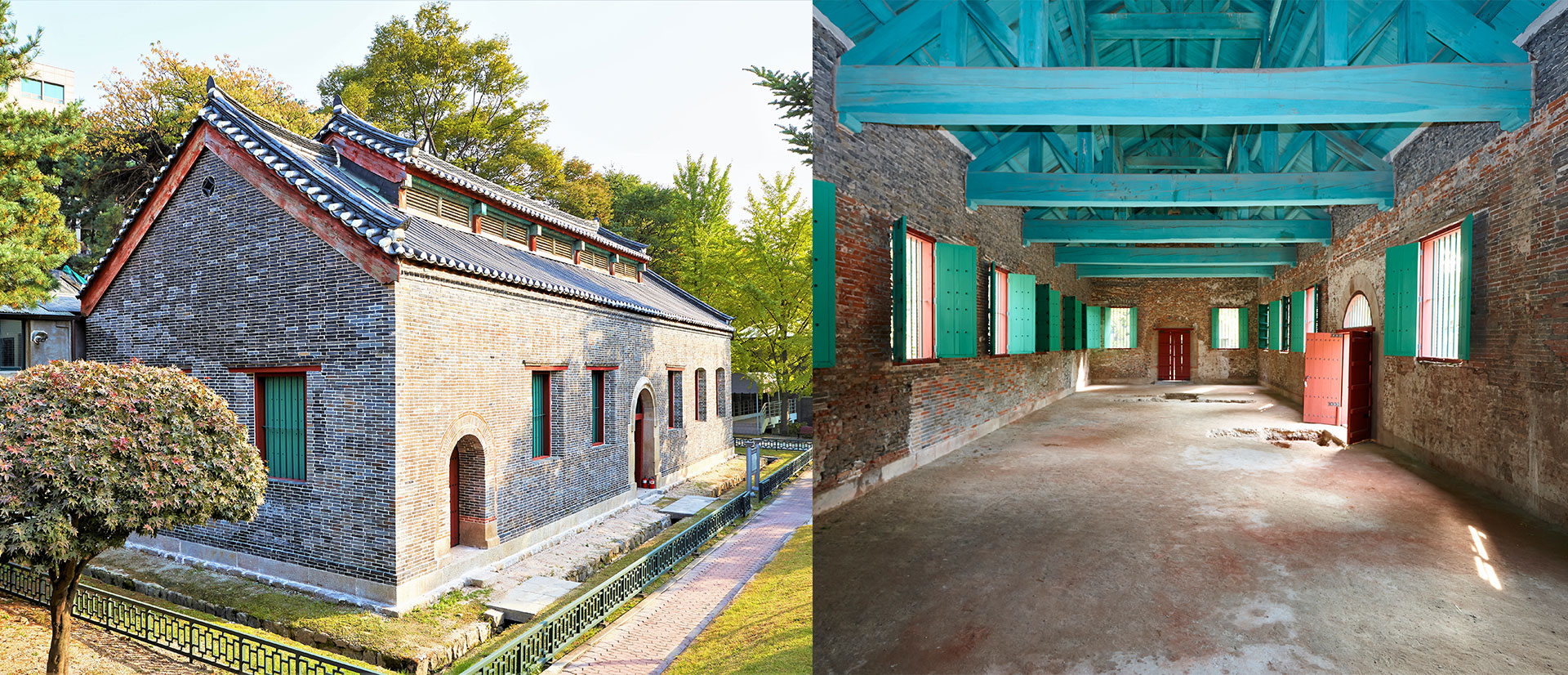
Located within the Korea Financial Training Institute in Samcheong-dong, Beonsachang is an arsenal of the Gigunguk (Bureau of Machinery) built in 1884. The building features exterior walls constructed with gray brick and a gabled roof that employs the king post truss4 structure of traditional wooden architecture. As an arsenal for storing gunpowder, explosion resistance and fire protection were critical requirements, leading to a combination of new materials and structural methods that were rarely seen in Korean traditional architecture at the time.
Case 7.
20th Century <Asan Yun Seung-gu House Warehouse>
A Warehouse Standing at the Boundary of Tradition and Modernity
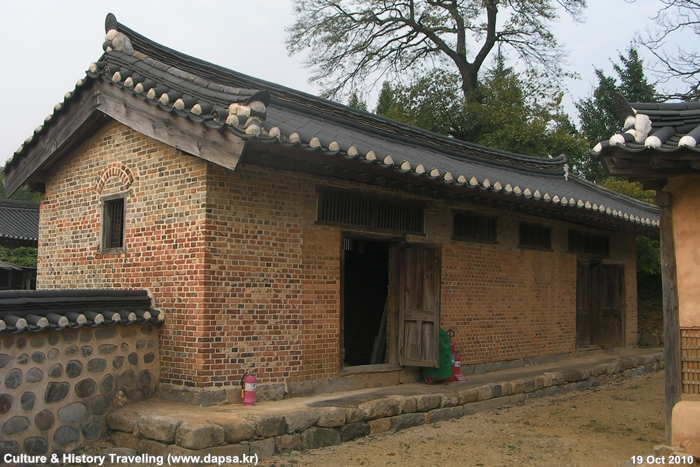
The warehouse of the Asan Yun Seung-gu House, estimated to have been built around 1900, features a structure combining traditional Korean architecture with brick. Thick walls of red brick were built on all four sides, and the roof was constructed by directly laying large beams across them. While maintaining the traditional Korean gabled roof structure, the walls adopted the modern brick construction, creating a new form distinct from the existing timber-frame structure. Notably, the brick walls ensure durability without requiring long eaves, presenting a form differentiated from traditional architecture.
Case 8.
Japanese Colonial Period <Salt Warehouse>
Toward a Precise and Optimized Structure
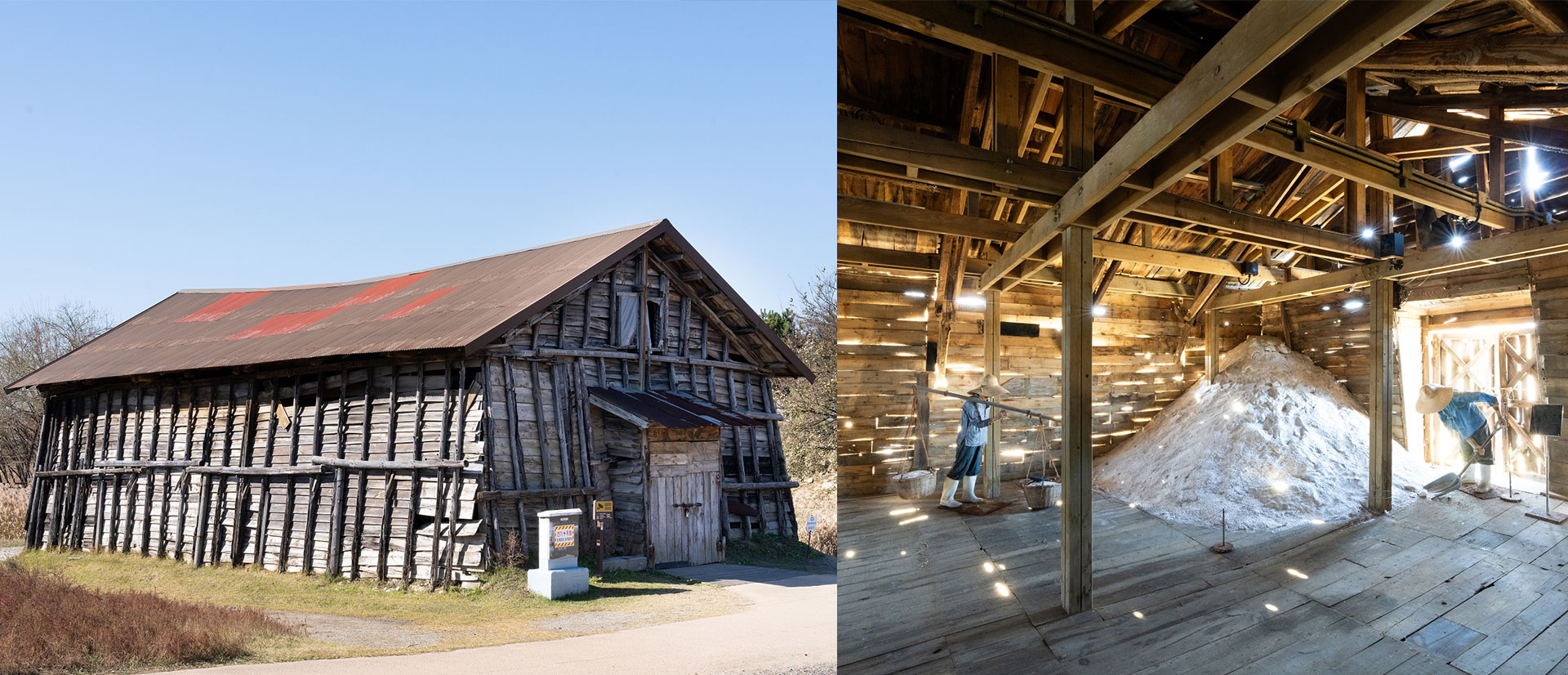
Built during the Japanese colonial period, this salt warehouse exemplifies how the characteristics of stored goods directly influenced its architectural form. The steeply pitched gable roof and overlapping board siding effectively prevent rainwater infiltration. Particularly, the structure built by tilting the walls at an angle of about 10 degrees to withstand the internal pressure exerted by the salt clearly demonstrates how architecture optimized for stored goods can be realized.
From Storage to Logistics
Looking at the history of warehouse architecture reveals that these spaces were more than just storage facilities; they were buildings where technology and architecture evolved most rapidly. Since they weren’t designed for human habitation, bolder attempts were possible in structural stability, environmental control, and material selection. This accumulated experience has led to today’s large-scale logistics centers and data-driven automated logistics architecture.
Reference Materials
[History of Korean Daily Life] The History of Warehouses, Yongman Kim (Director of the Institute of Korean History and Culture) ↩︎
- Raised-floor warehouse: A warehouse with an elevated floor level on the first floor, used in modern times to match the height of truck loading docks. ↩︎
- Cold chain: A distribution system that maintains products at a constant low temperature from production until delivery to the consumer. ↩︎
- Barrel vault: A hemispherical building structure derived from the arch, referring to a rounded curved ceiling or roof constructed over a polygonal base such as a circle, hexagon, or octagon. ↩︎
- King post truss: A truss system where a vertical king post is erected on tie beams, with struts connecting to distribute the roof load. ↩︎