
Close
![Popup Image]()
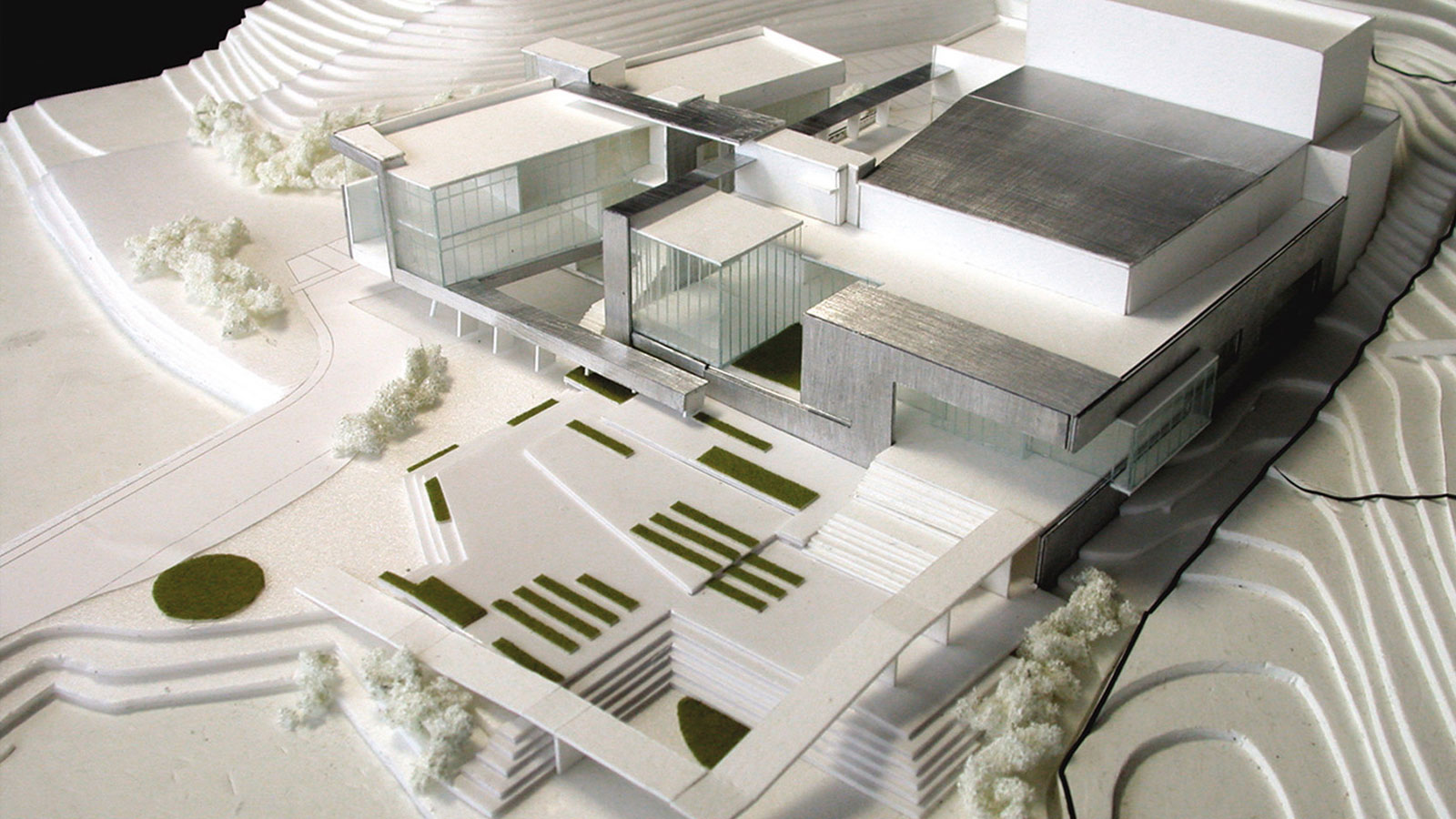
Uljin is a region blessed with a pristine natural environment and is known for having successfully hosted the Eco-Agriculture Expo. In response to Uljin County’s request to establish cultural infrastructure that complements these tourism resources, the plan for the Cultural Arts Center was conceived. While the number of performance venues operated by local governments has been steadily increasing recently, few have demonstrated successful operations due to budget constraints and a lack of quality programming. The goal was to design an open cultural facility that would prevent these issues as much as possible and encourage active use by local residents. Hupo Port is located 1 km from the planned site, Pyeonghae-eup is 4.5 km to the north along the adjacent National Route 7, and Uljin-eup is 40 km away. The design team, which had anticipated a site with a sweeping view of the sea, realized that this location was somewhat distant from the water and did not offer the ocean vista they had hoped for. However, upon careful reflection, it seemed that for local residents who can see the sea at any time, the cultural arts center did not necessarily need to be situated directly in front of the water. This realization was seen as a potentially urban-centric perspective and became the starting point for identifying what the users truly desired.

-
Status
Completed
-
Order
Uljin County Office
-
Purpose
Cultural
-
Design Year
2005
-
Location
Uljin-gun, Gyeongsangbuk-do
-
Site area
21,779.00m2
-
Gross Floor Area
2,959.77m2
-
Building Area
2,013.09m2
-
Scale
B1, 2F
Uljin is a region blessed with a pristine natural environment and is known for having successfully hosted the Eco-Agriculture Expo. In response to Uljin County’s request to establish cultural infrastructure that complements these tourism resources, the plan for the Cultural Arts Center was conceived. While the number of performance venues operated by local governments has been steadily increasing recently, few have demonstrated successful operations due to budget constraints and a lack of quality programming. The goal was to design an open cultural facility that would prevent these issues as much as possible and encourage active use by local residents. Hupo Port is located 1 km from the planned site, Pyeonghae-eup is 4.5 km to the north along the adjacent National Route 7, and Uljin-eup is 40 km away. The design team, which had anticipated a site with a sweeping view of the sea, realized that this location was somewhat distant from the water and did not offer the ocean vista they had hoped for. However, upon careful reflection, it seemed that for local residents who can see the sea at any time, the cultural arts center did not necessarily need to be situated directly in front of the water. This realization was seen as a potentially urban-centric perspective and became the starting point for identifying what the users truly desired.