Close
![Popup Image]()
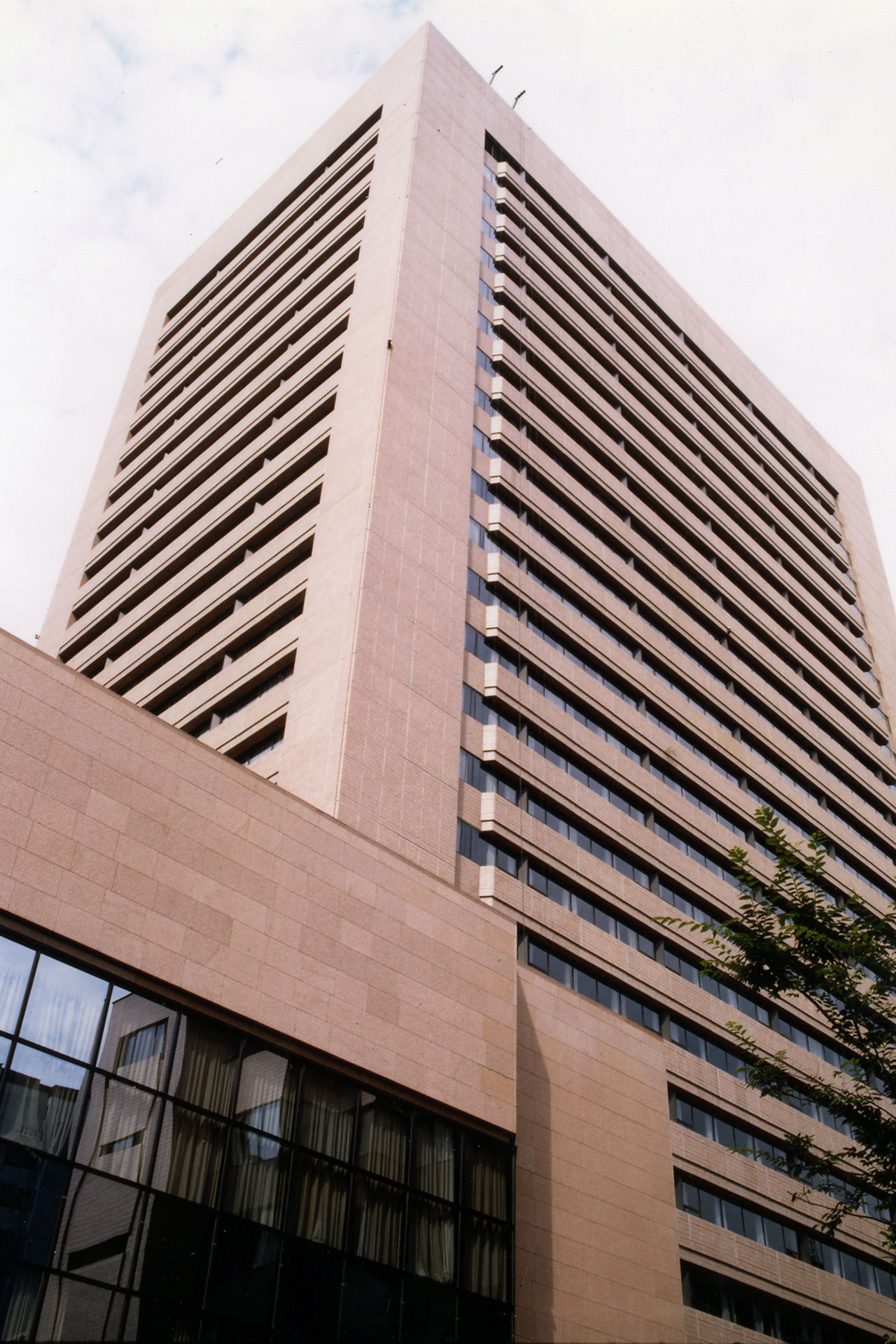
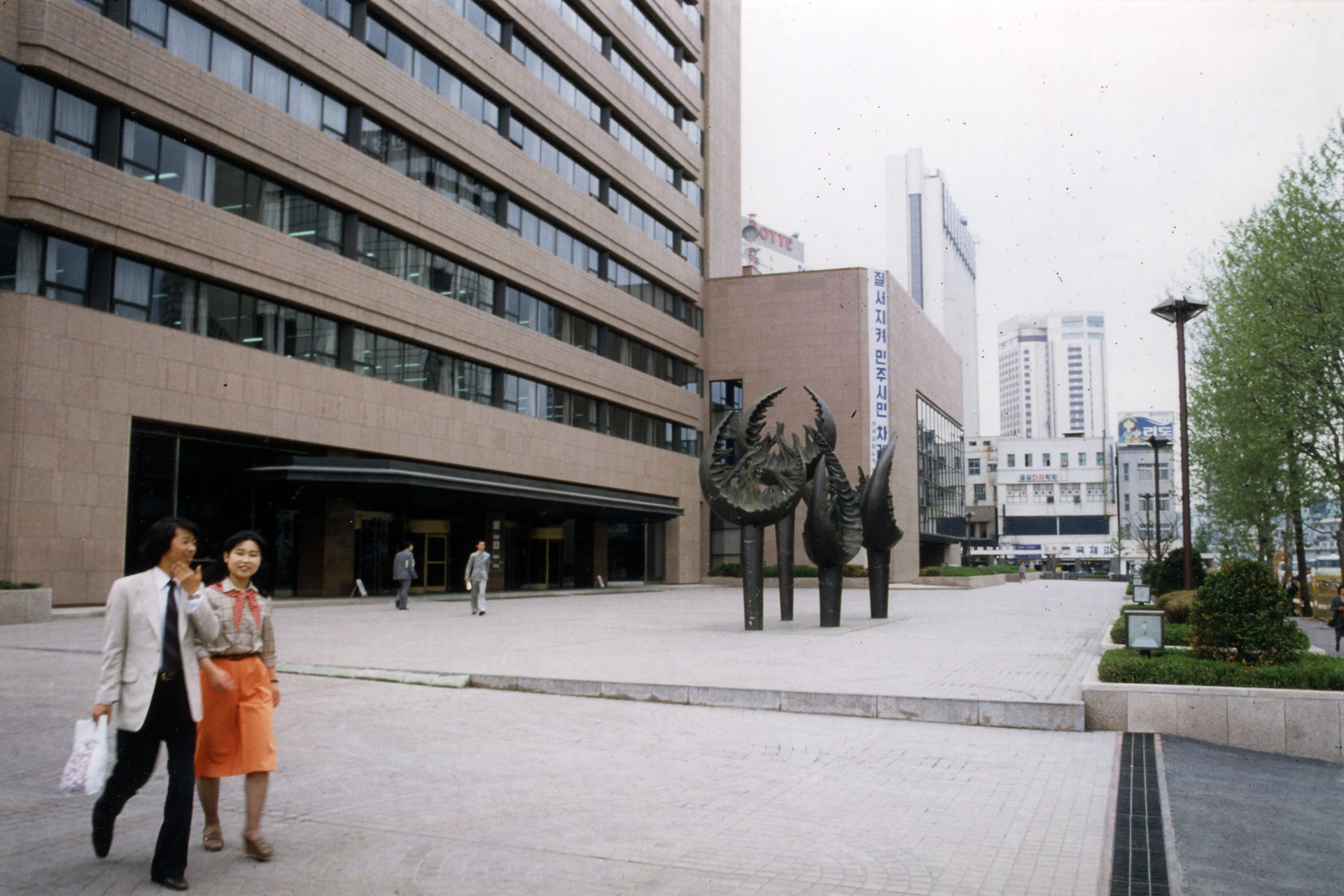
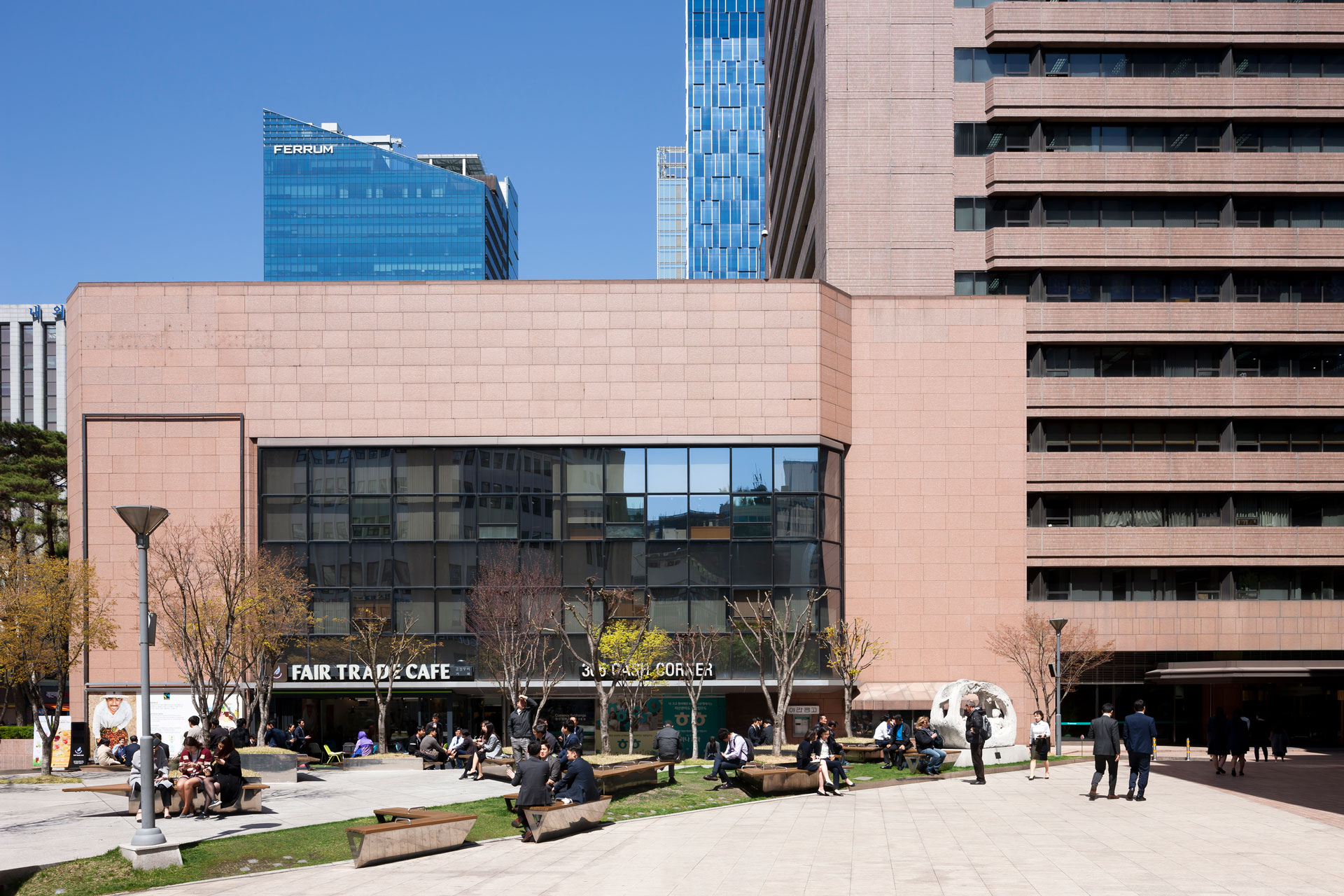
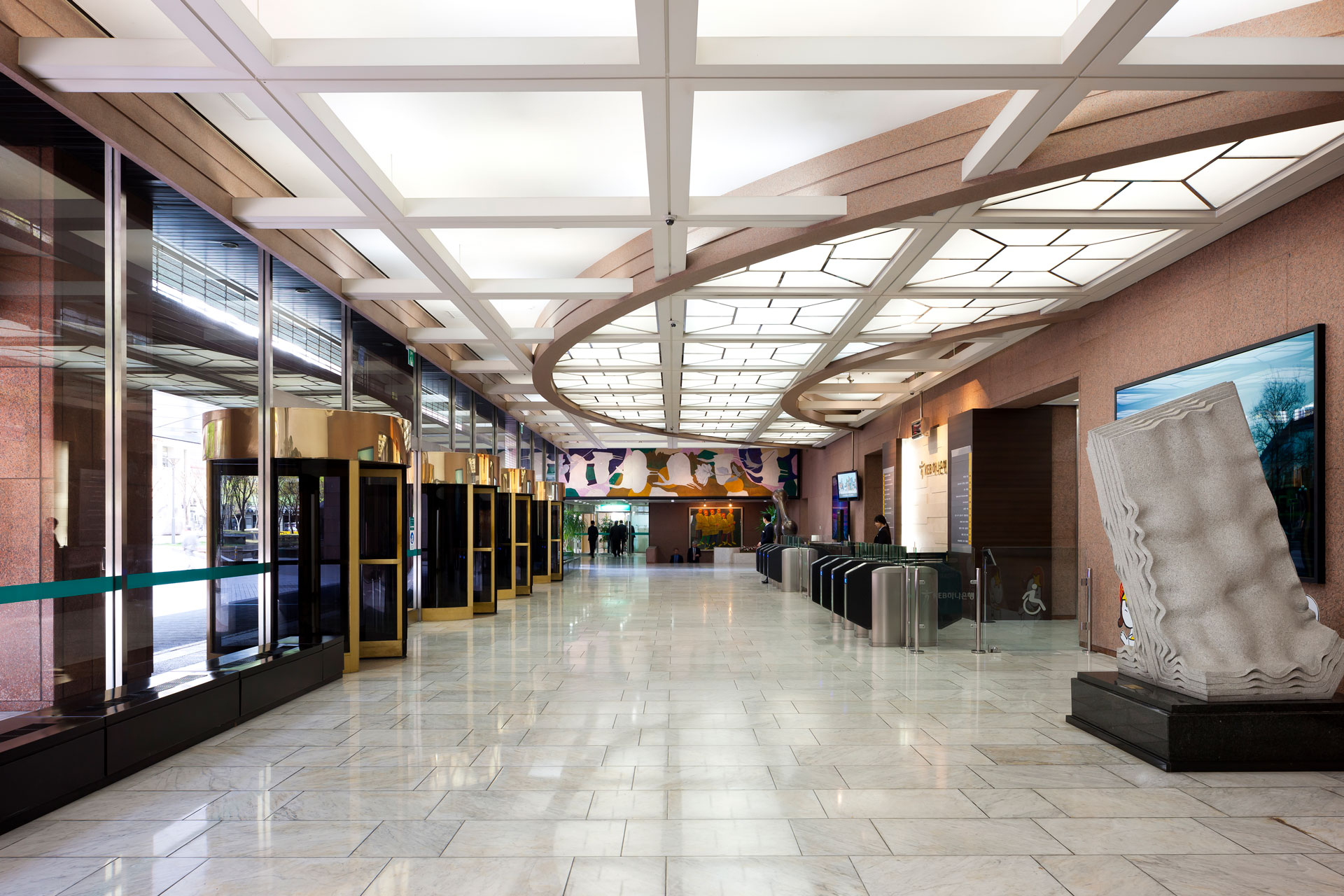
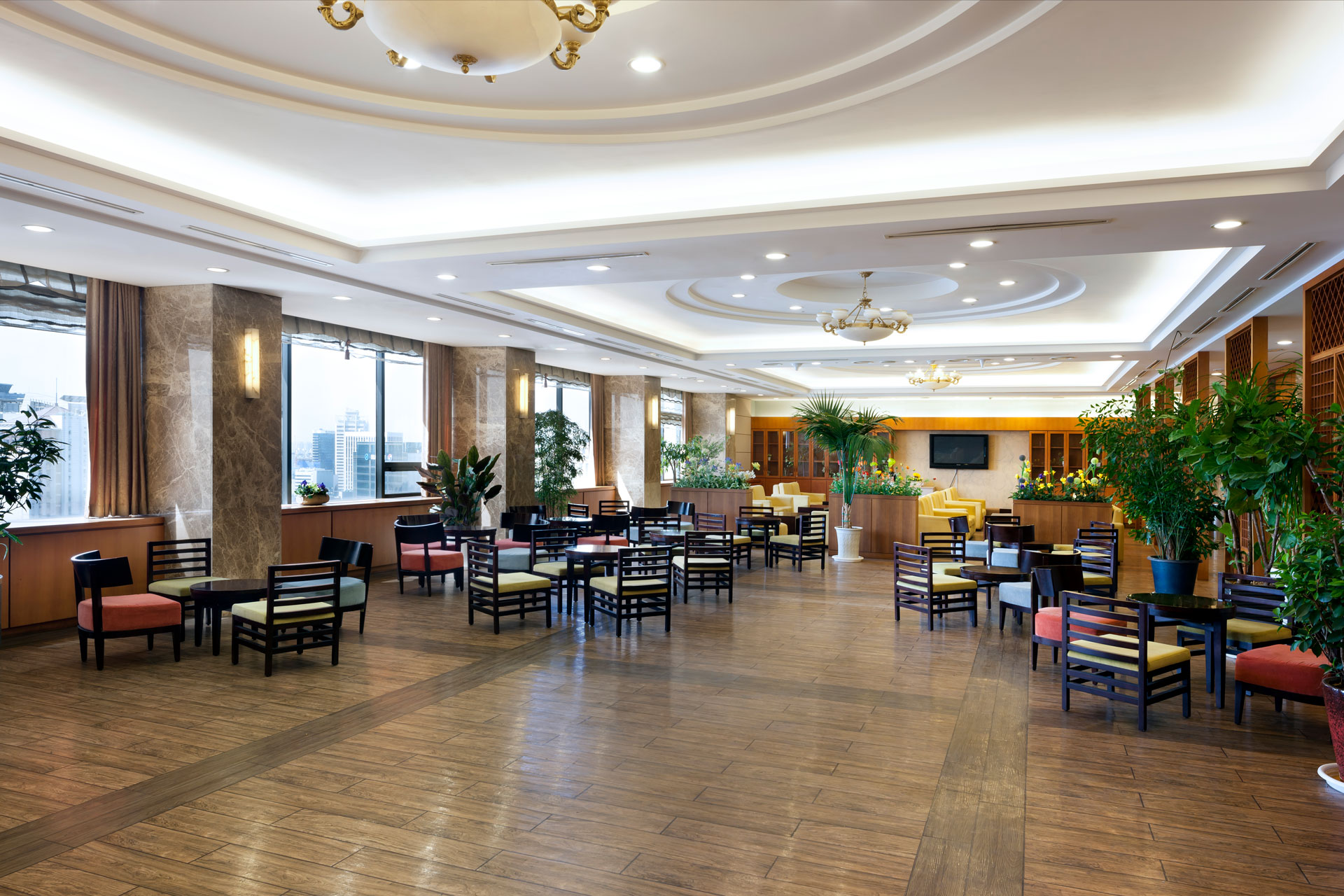
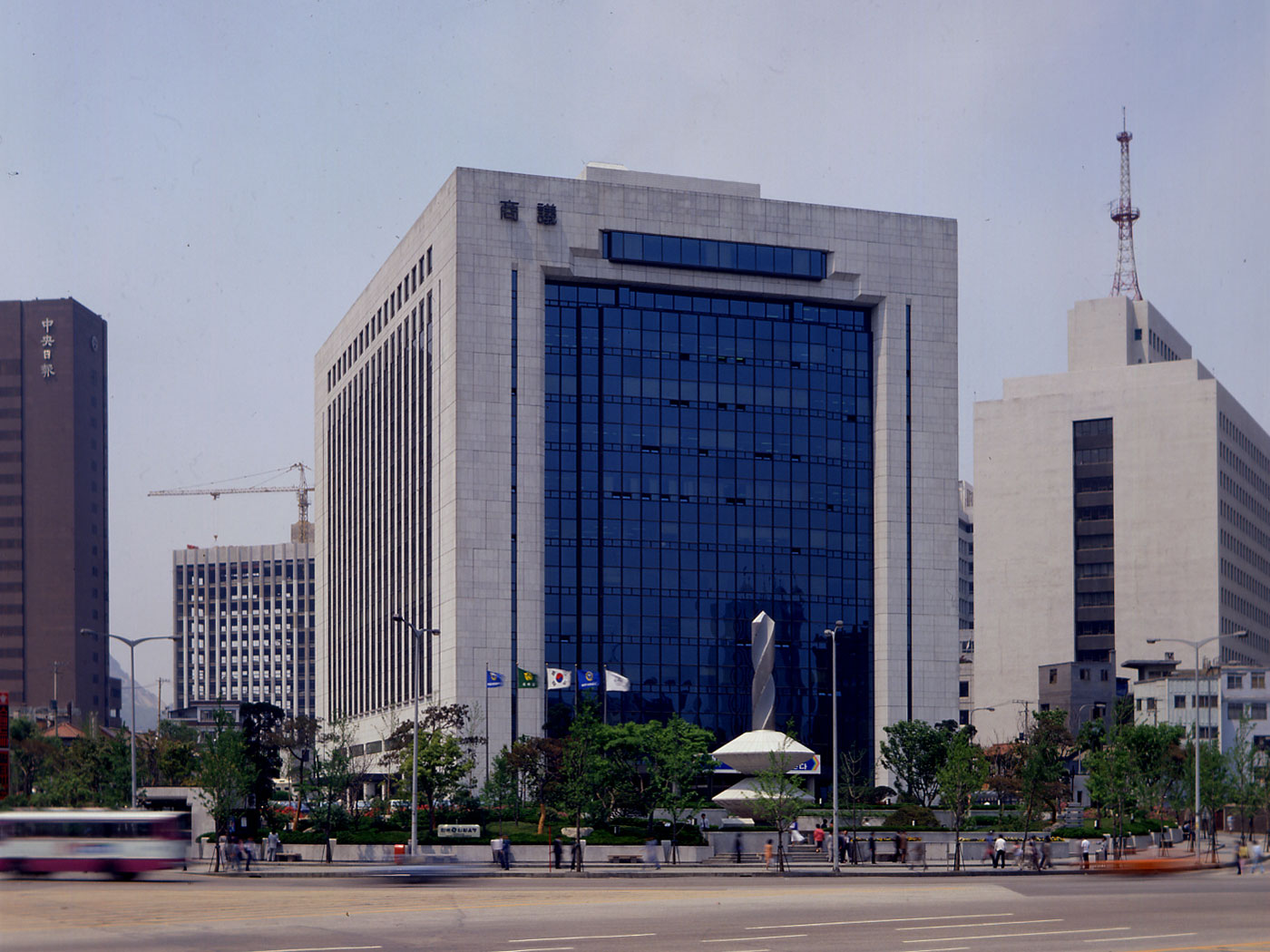
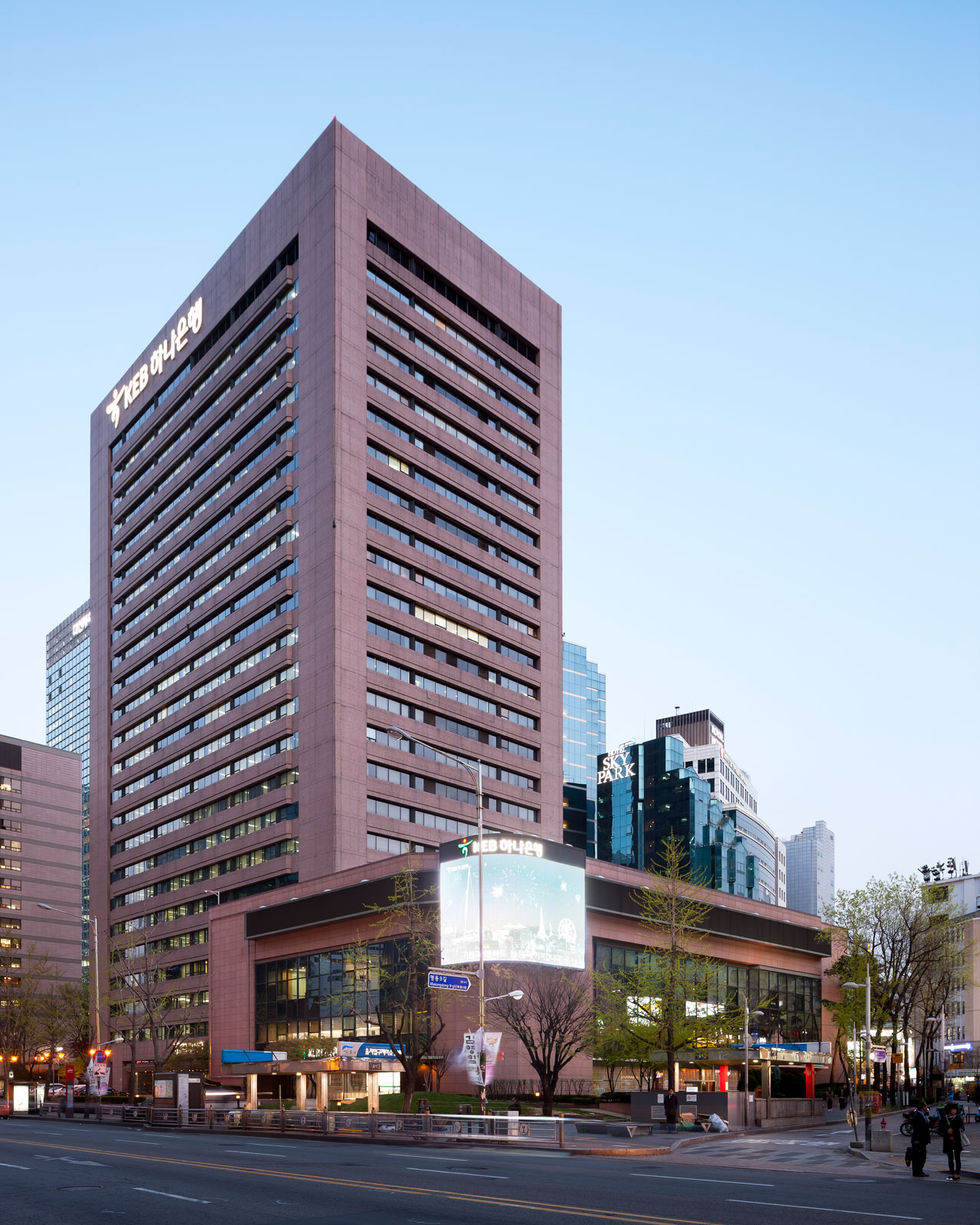
The Korea Exchange Bank Headquarters symbolically reflects the growth of the financial industry and the spread of bank and office building architecture during a period of rapid modernization in Korea. Initiated as part of the redevelopment of the Myeongdong area in Seoul, the project was completed after a series of design phases: Junglim Architecture winning the design competition in 1973, followed by design modifications in 1977 and expansion design in 1979. This project was crucial in Junglim Architecture’s growth into a mid-to-large sized firm and served as a model for early urban redevelopment projects.
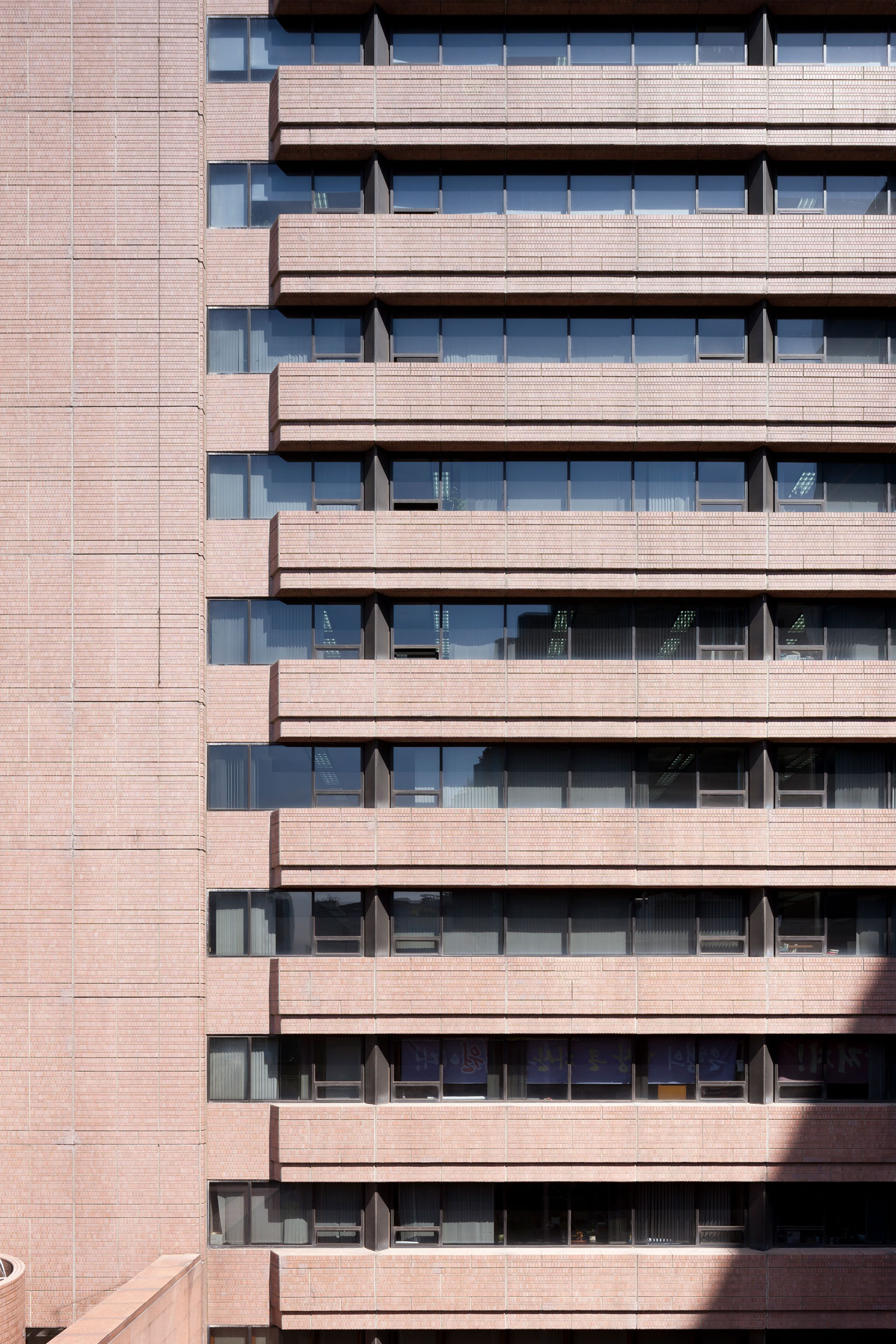
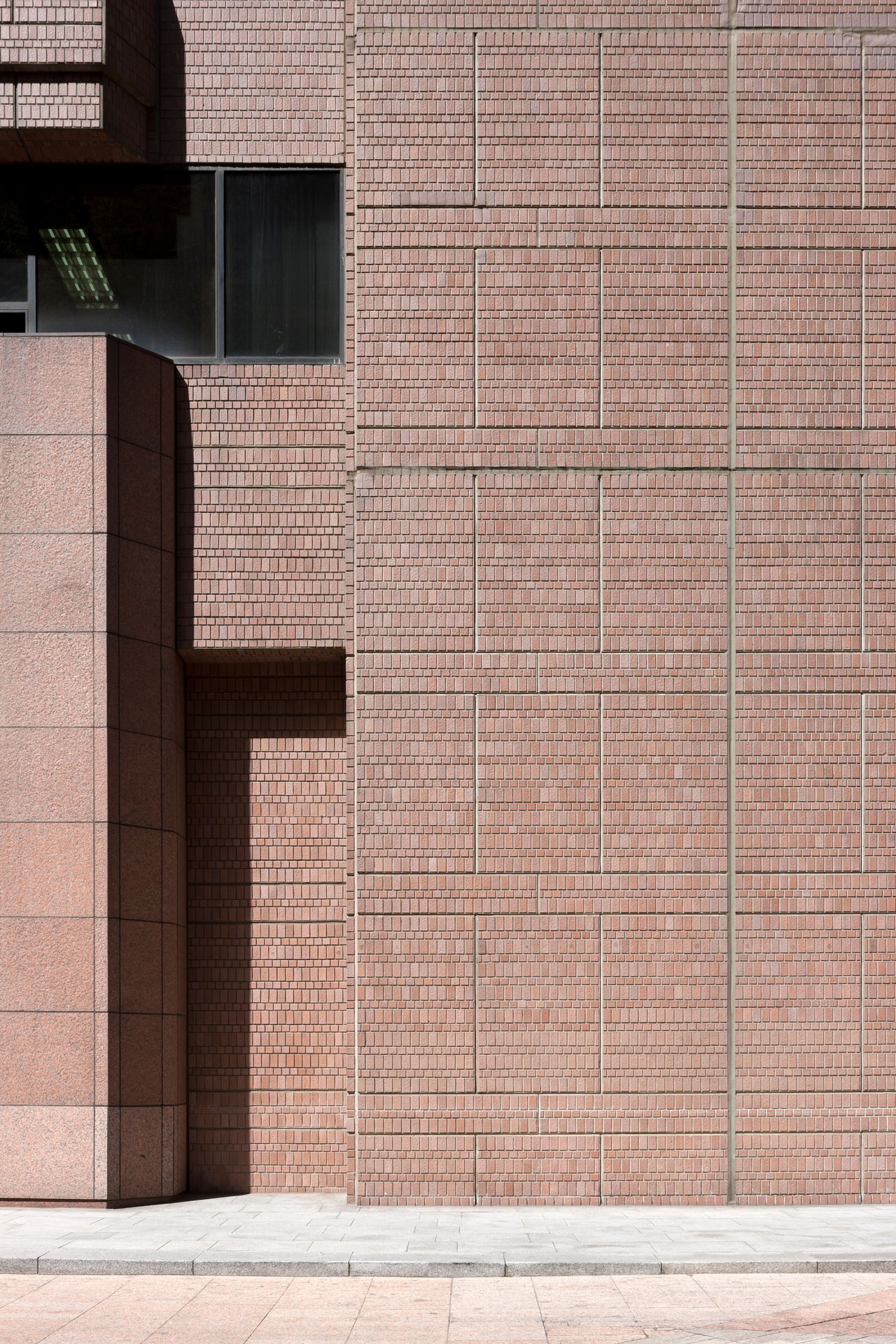
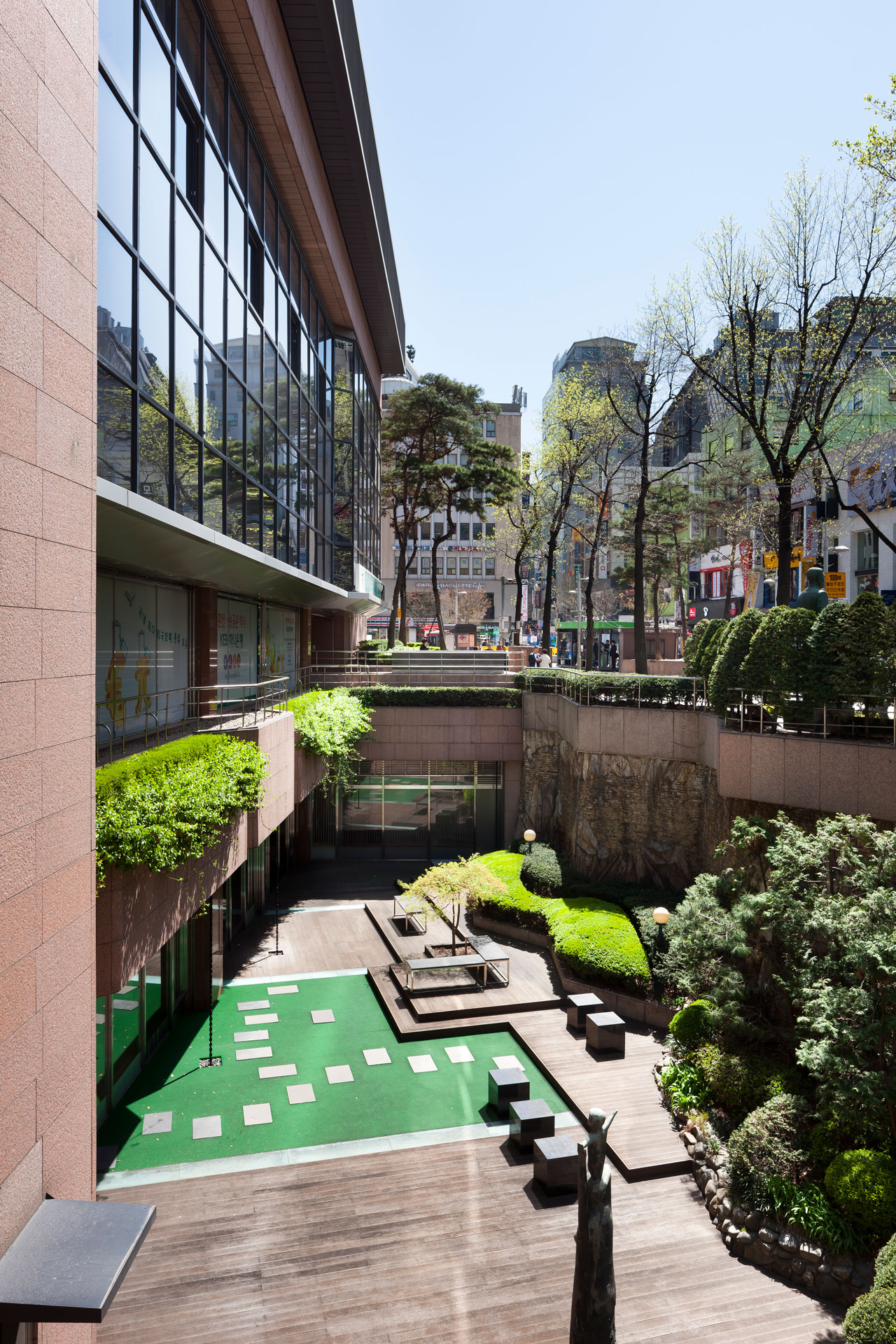
The 24-story building’s exterior is characterized by a massive brown tone, differing somewhat from the original lighter and sleeker design. The use of Brazilian granite and azalea-colored tile finishes give the building a gentle impression, while the podium’s banking halls and a sunken garden facilitate smooth public access, contributing to a dynamic urban atmosphere. The architectural configuration with a low-rise podium dedicated to banking facilities and a high-rise tower for offices pioneered the dominant typology of bank headquarters in Korea thereafter.
Archive

-
Status
Completed
-
Awards
- 1981 Korean Institute of Architects Award, Grand Prize
-
Order
Korea Exchange Bank
-
Purpose
Office
-
Design Year
1973
-
Completion Year
1980
-
Location
Jung-gu, Seoul
-
Site area
3,923.97m2
-
Gross Floor Area
74,949.61m2
-
Building Area
3,924.00m2
-
Scale
B3, 24F
The Korea Exchange Bank Headquarters symbolically reflects the growth of the financial industry and the spread of bank and office building architecture during a period of rapid modernization in Korea. Initiated as part of the redevelopment of the Myeongdong area in Seoul, the project was completed after a series of design phases: Junglim Architecture winning the design competition in 1973, followed by design modifications in 1977 and expansion design in 1979. This project was crucial in Junglim Architecture’s growth into a mid-to-large sized firm and served as a model for early urban redevelopment projects.
The 24-story building’s exterior is characterized by a massive brown tone, differing somewhat from the original lighter and sleeker design. The use of Brazilian granite and azalea-colored tile finishes give the building a gentle impression, while the podium’s banking halls and a sunken garden facilitate smooth public access, contributing to a dynamic urban atmosphere. The architectural configuration with a low-rise podium dedicated to banking facilities and a high-rise tower for offices pioneered the dominant typology of bank headquarters in Korea thereafter.
Archive