Close
![Popup Image]()
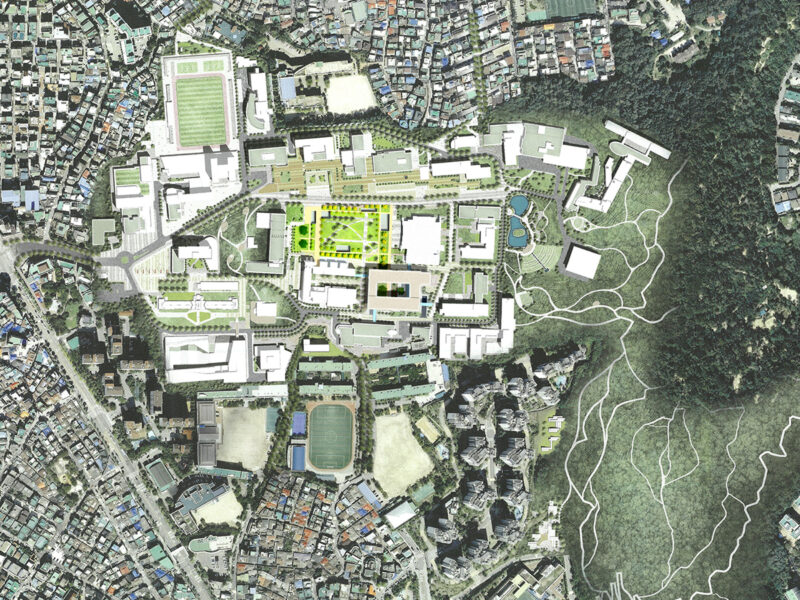
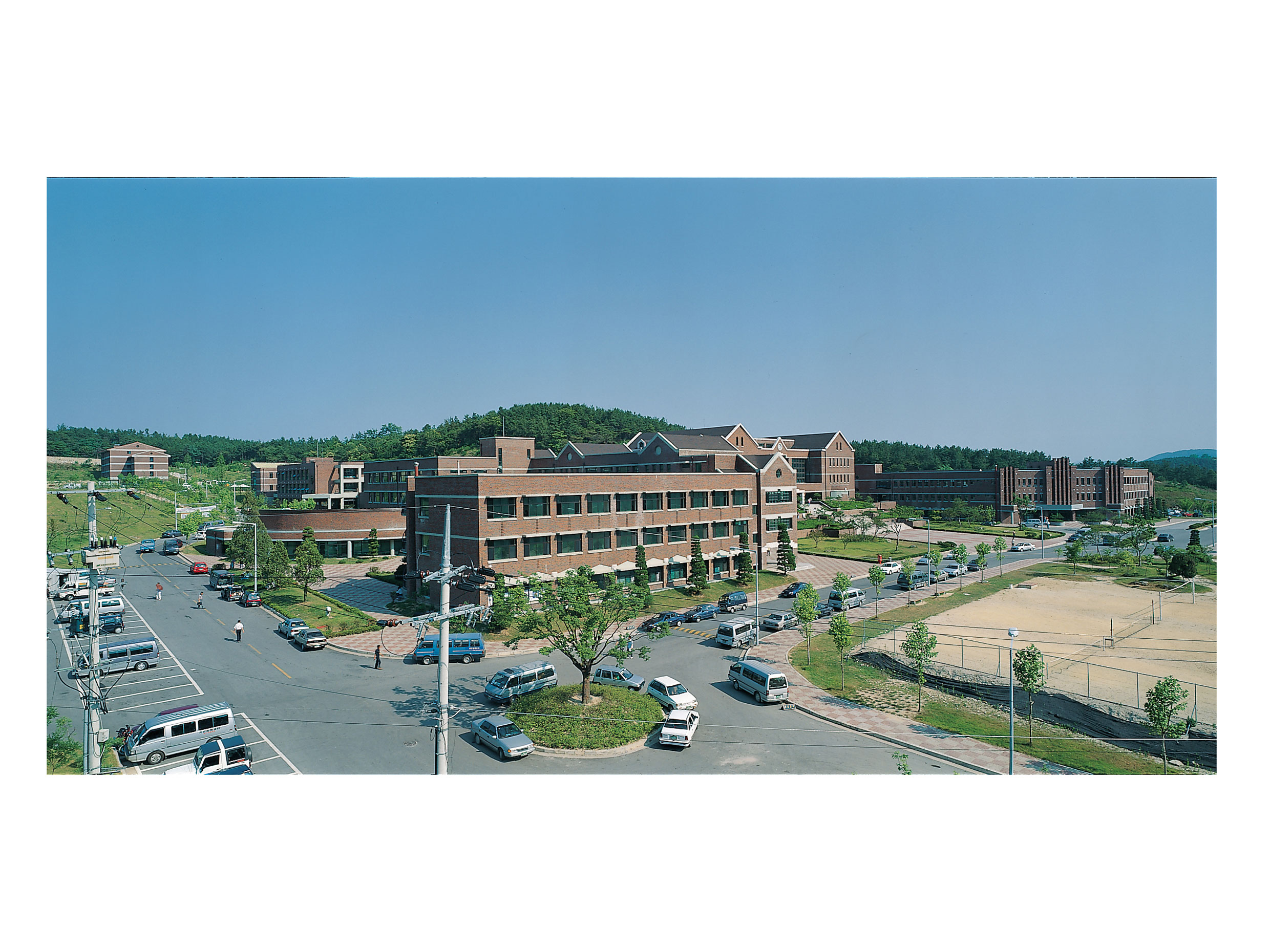
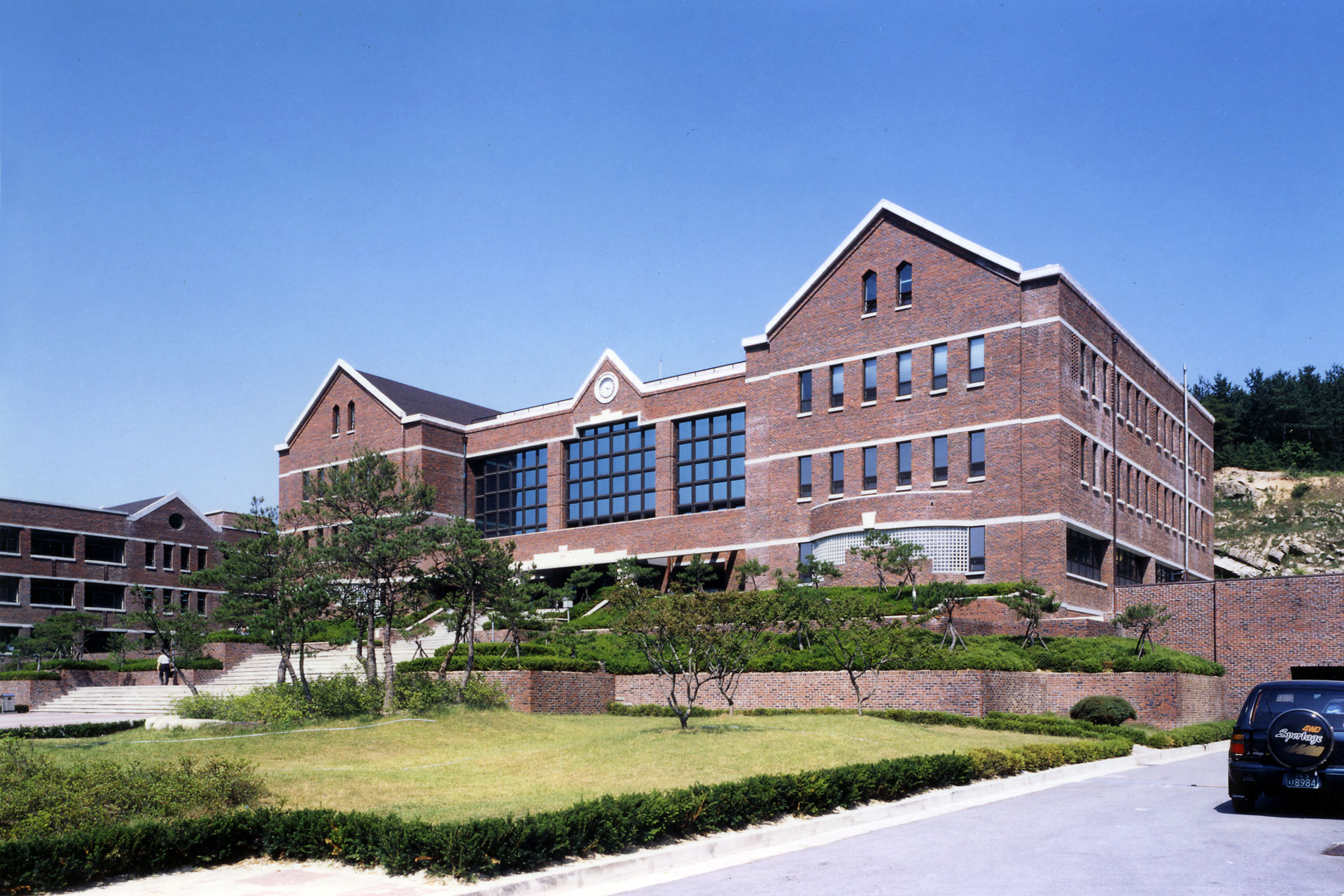
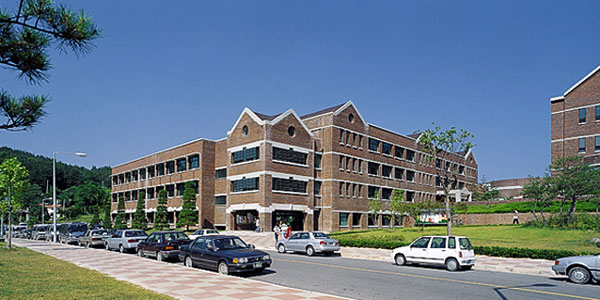
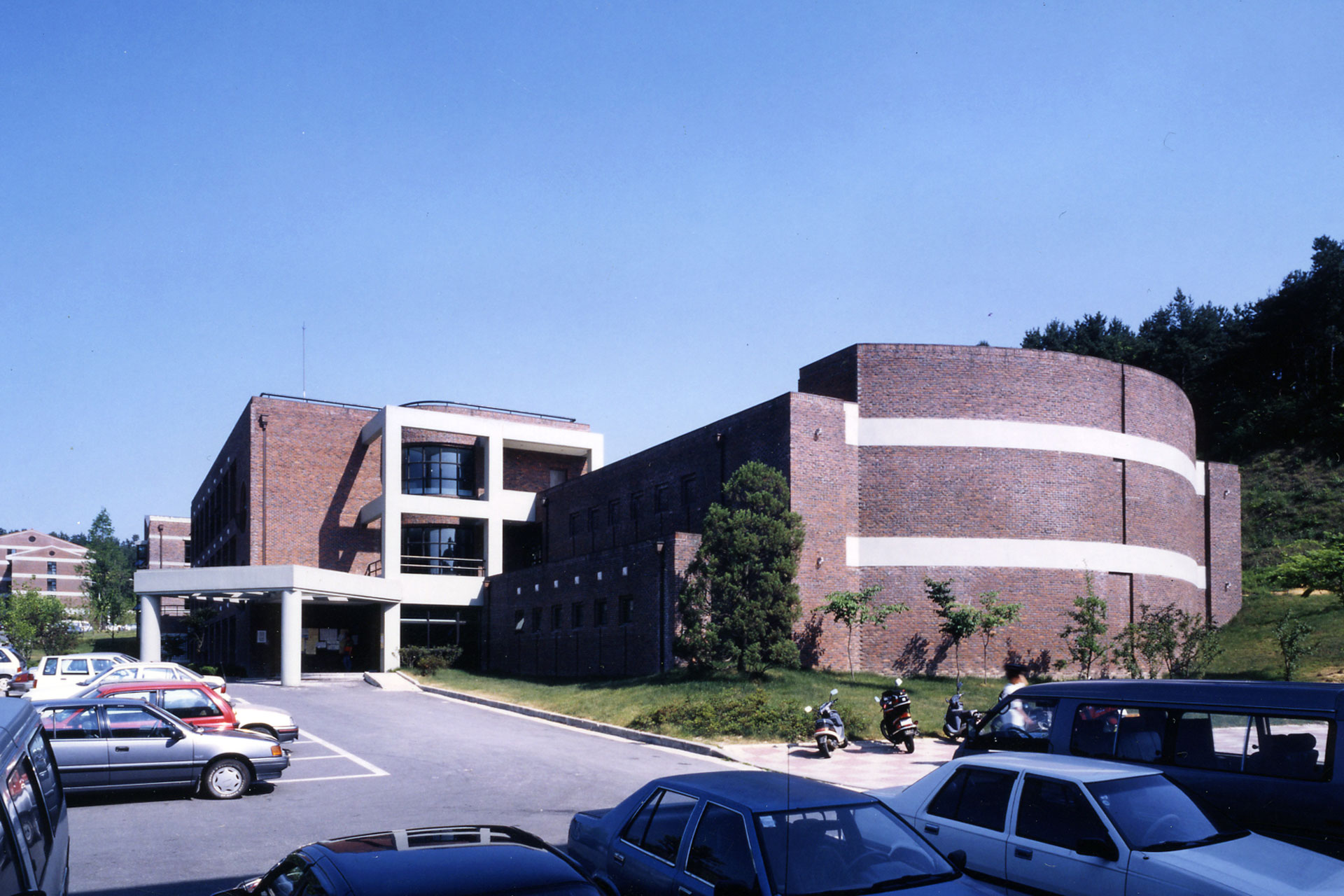
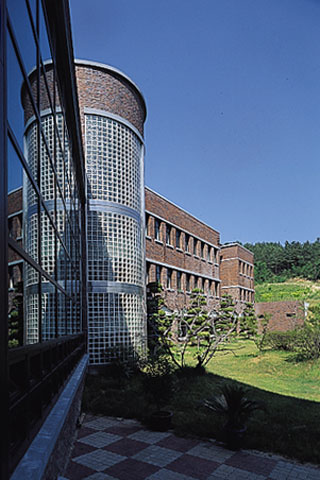
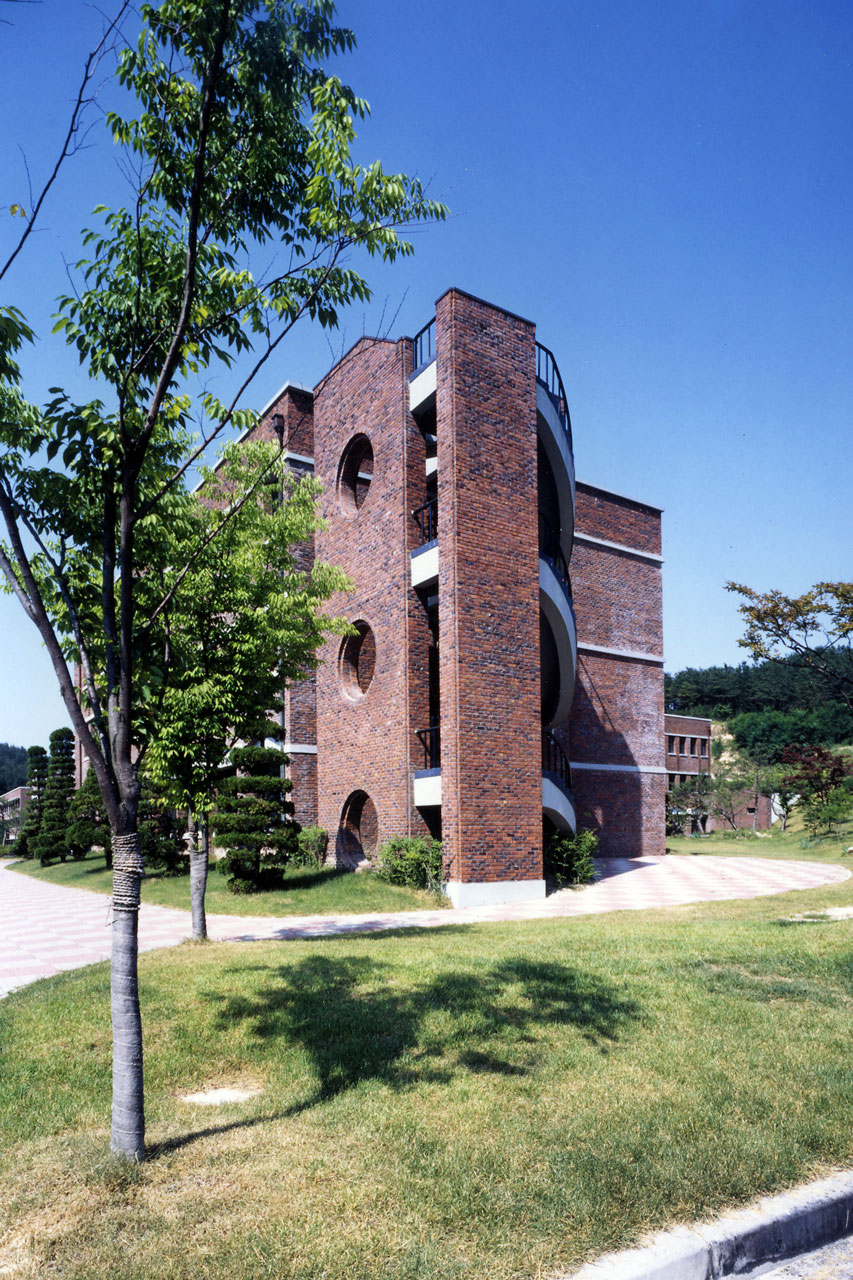
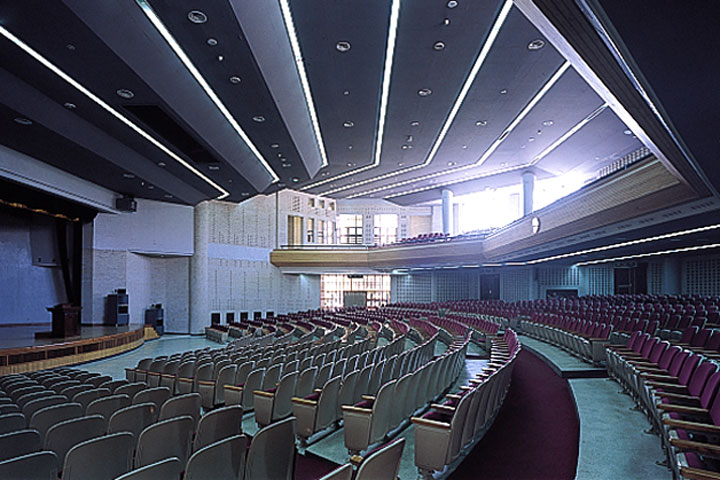
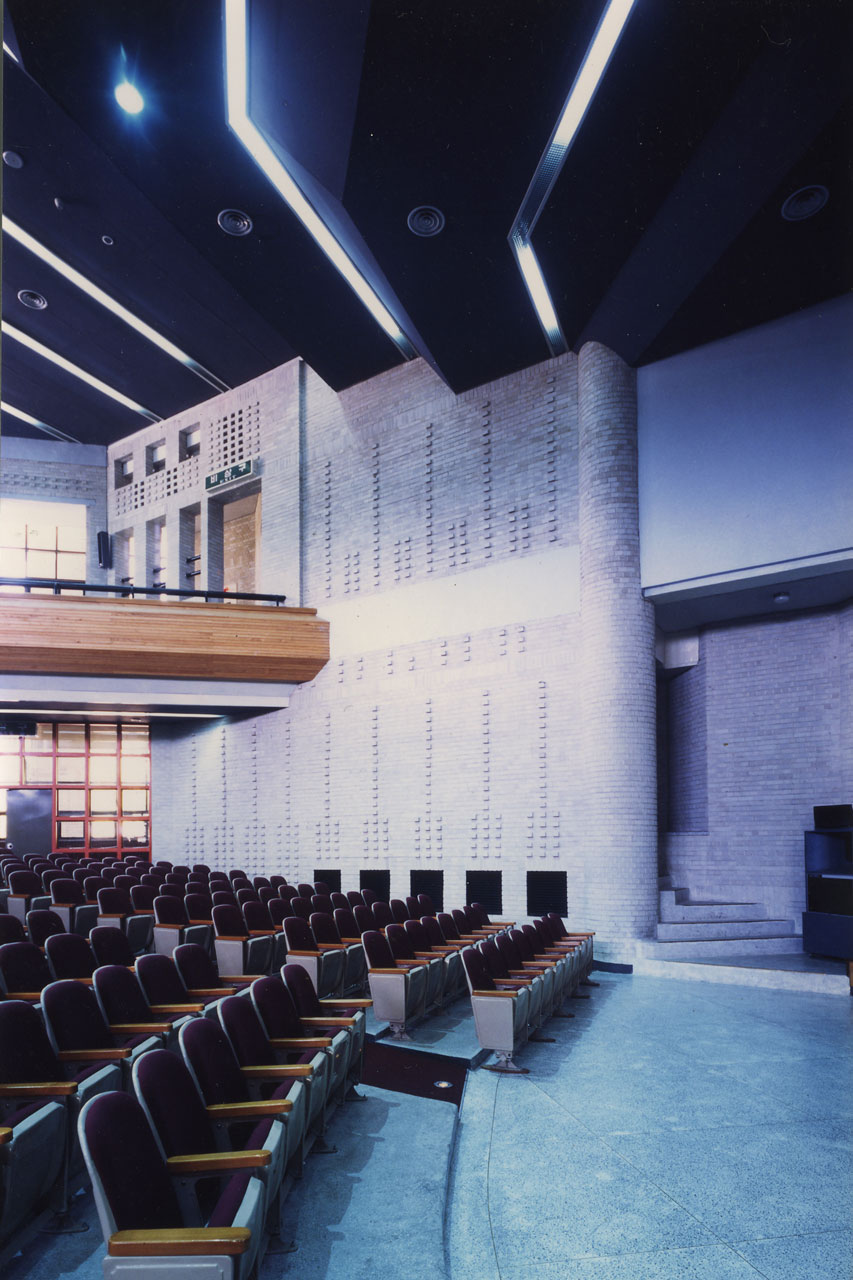
The master plan for Korea Baptist Theological University/Seminary aimed to reflect the character of a theological institution by establishing a spatial structure that follows the natural terrain while providing a religious sense of ascent, connecting the entry space, campus core, corridor, and terminus.
The entry space extends approximately 100 meters from the national highway through a bridge to the main gate, and another 100 meters to the campus core. Recognizing the importance of this space as perceived from outside, the design ensured that the main gate and church spire — reflecting the seminary’s existing image — would be recognized in sequence. Next, the campus core was conceived as a place for communication among students and between students and faculty, emphasized by a configuration in which the library, main building, student center, and auditorium surround the central plaza. Outdoor spaces to accommodate various activities were appropriately distributed according to building scale, and were designed to create a natural draw from outside and a smooth connection to the classroom building clusters.

-
Status
Completed
-
Client
Korea Baptist Theological University
-
Program
Education
-
Design Year
1987
-
Completion Year
1992
-
Location
Yuseong-gu, Daejeon
-
Site area
98,353.08m2
-
Gross Floor Area
12,499.45m2
-
Building Area
2,264.70m2
The master plan for Korea Baptist Theological University/Seminary aimed to reflect the character of a theological institution by establishing a spatial structure that follows the natural terrain while providing a religious sense of ascent, connecting the entry space, campus core, corridor, and terminus.
The entry space extends approximately 100 meters from the national highway through a bridge to the main gate, and another 100 meters to the campus core. Recognizing the importance of this space as perceived from outside, the design ensured that the main gate and church spire — reflecting the seminary’s existing image — would be recognized in sequence. Next, the campus core was conceived as a place for communication among students and between students and faculty, emphasized by a configuration in which the library, main building, student center, and auditorium surround the central plaza. Outdoor spaces to accommodate various activities were appropriately distributed according to building scale, and were designed to create a natural draw from outside and a smooth connection to the classroom building clusters.