
Close
![Popup Image]()
The KSRS operates the world’s second-largest and East Asia’s largest observation network for analyzing seismic data and detecting nuclear tests.
The collected data is transmitted to the Korea Institute of Geoscience and Mineral Resources, the U.S. Air Force Technical Support Center, and the International Data Centre under the Comprehensive Nuclear-Test-Ban Treaty Organization (CTBTO), playing a pivotal role not only in Korea’s disaster management and national security but also in international security.
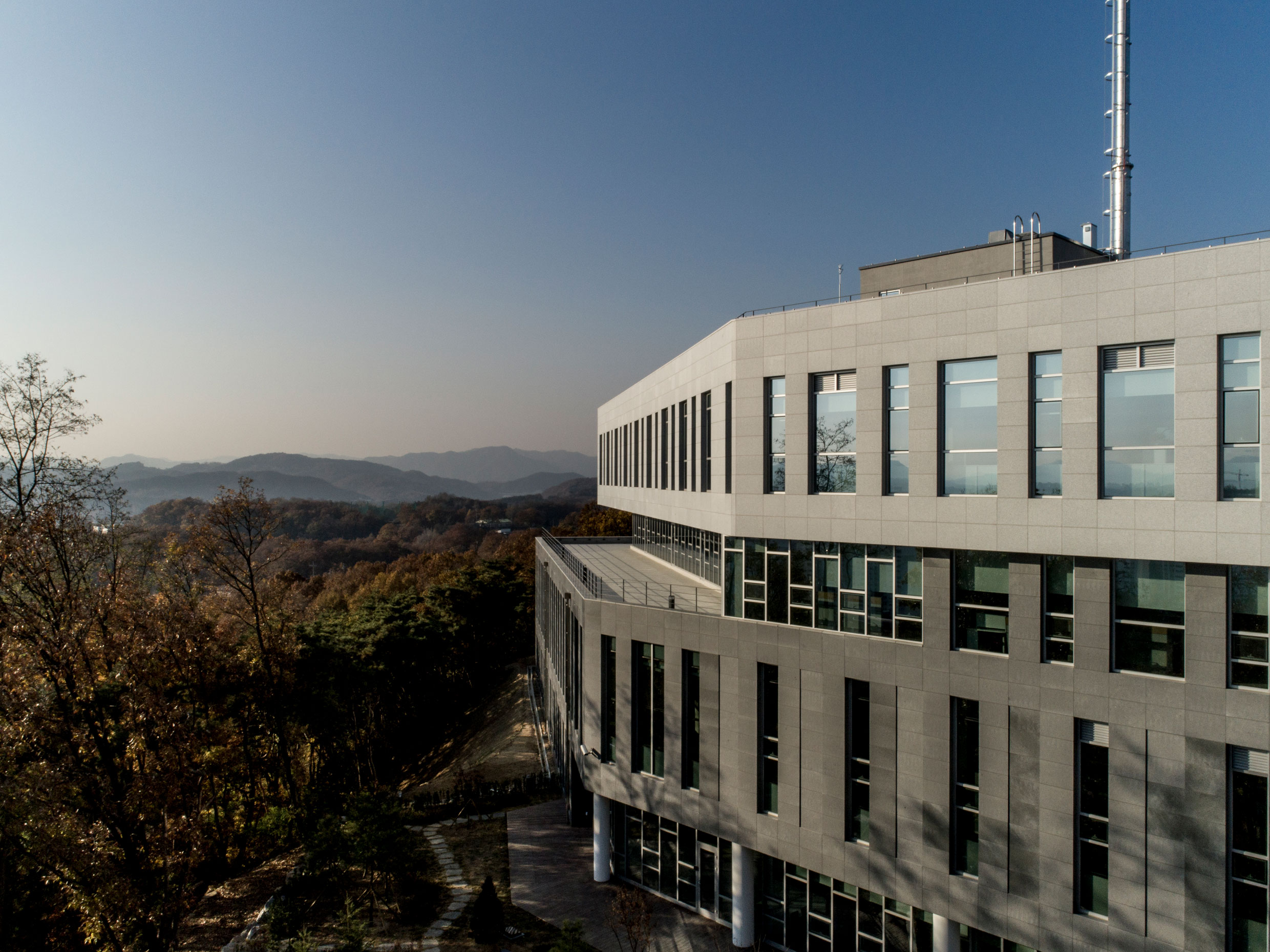
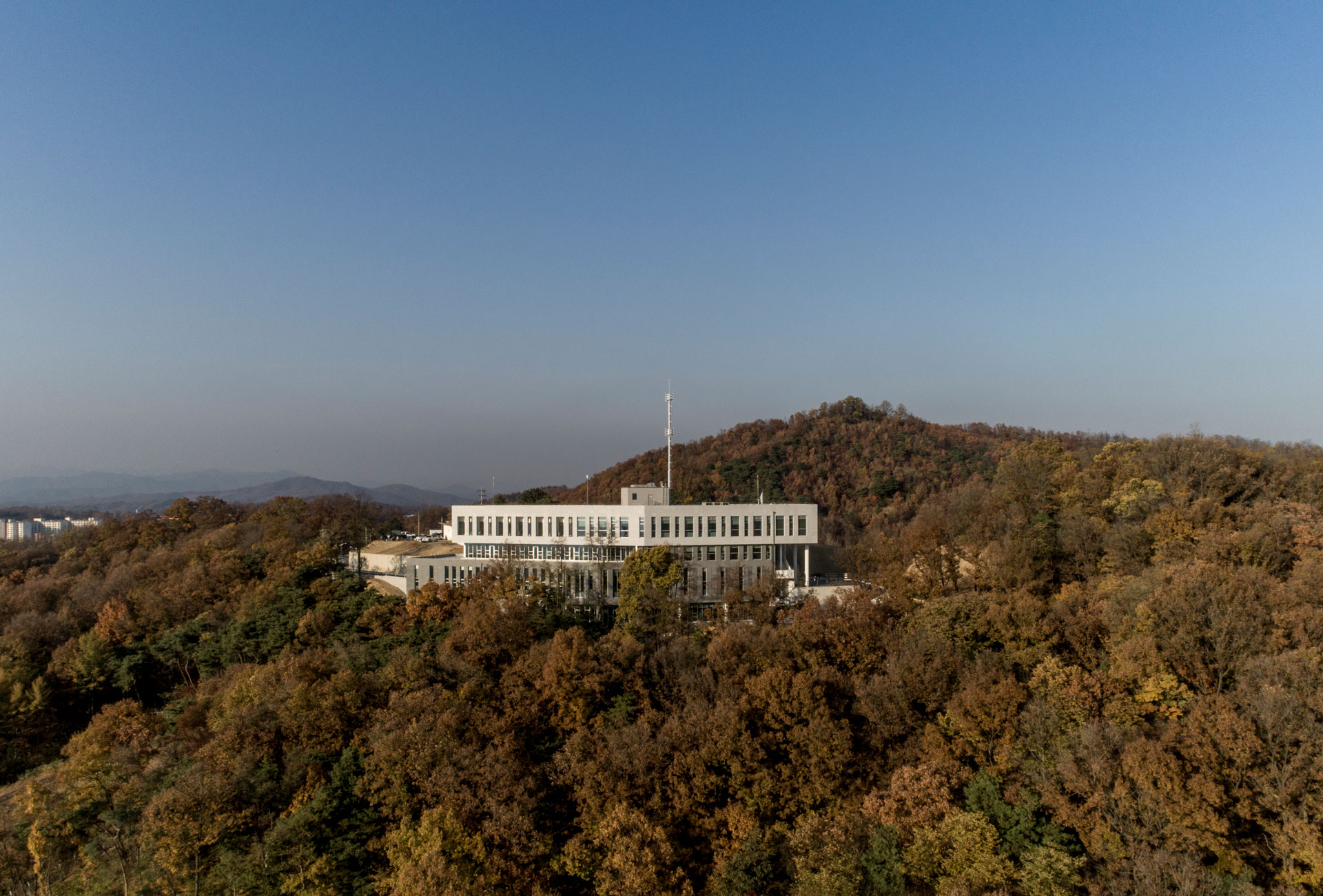
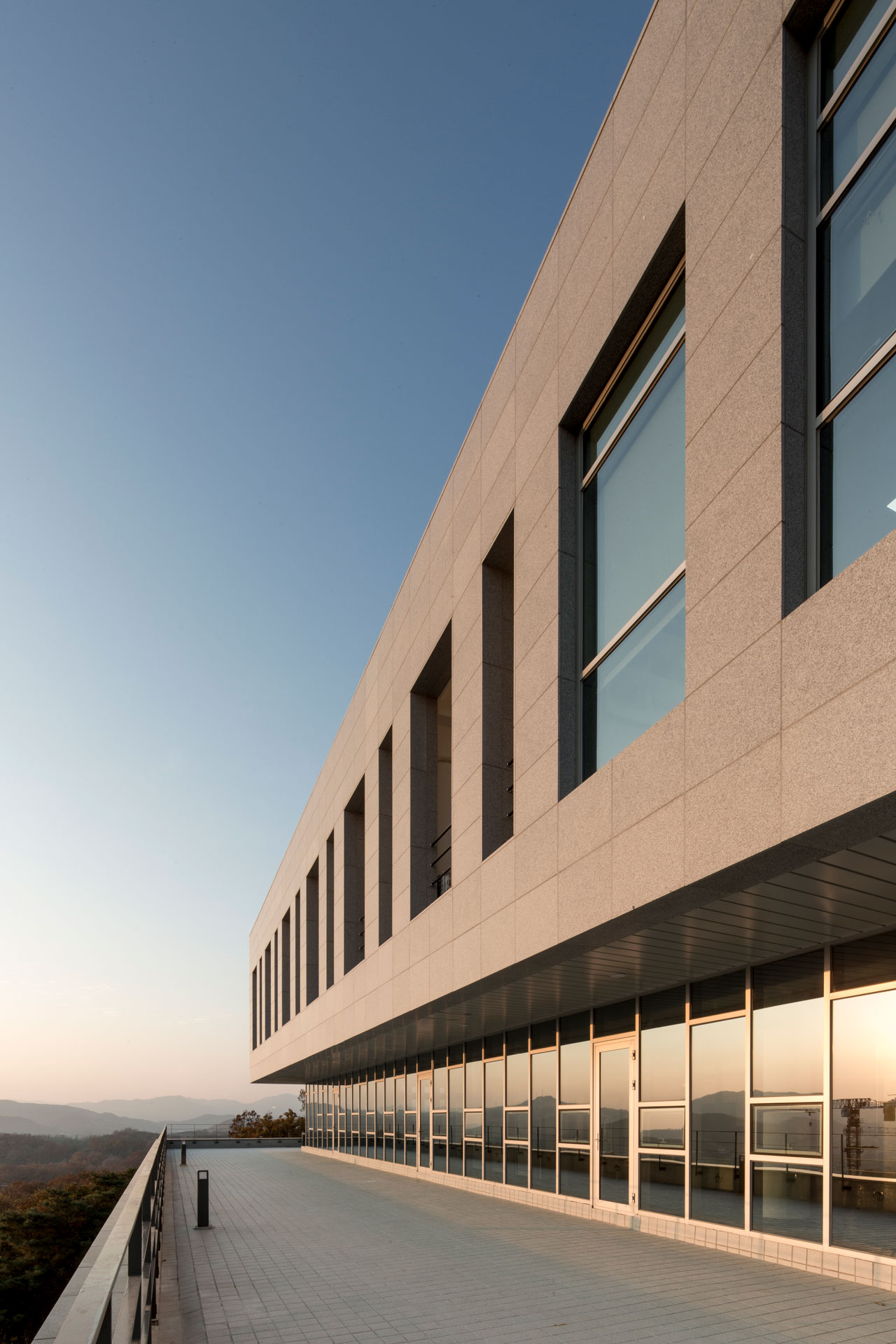
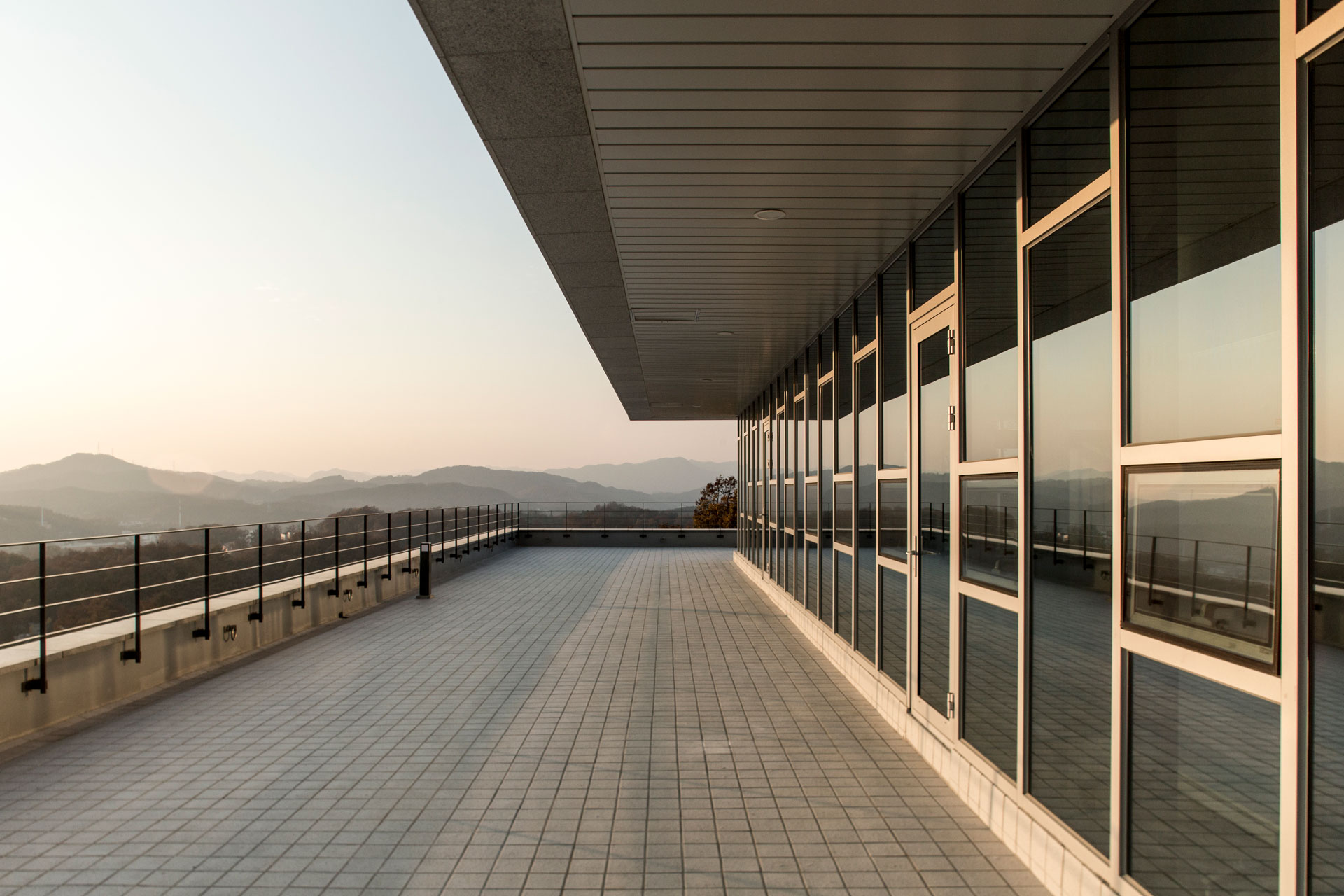
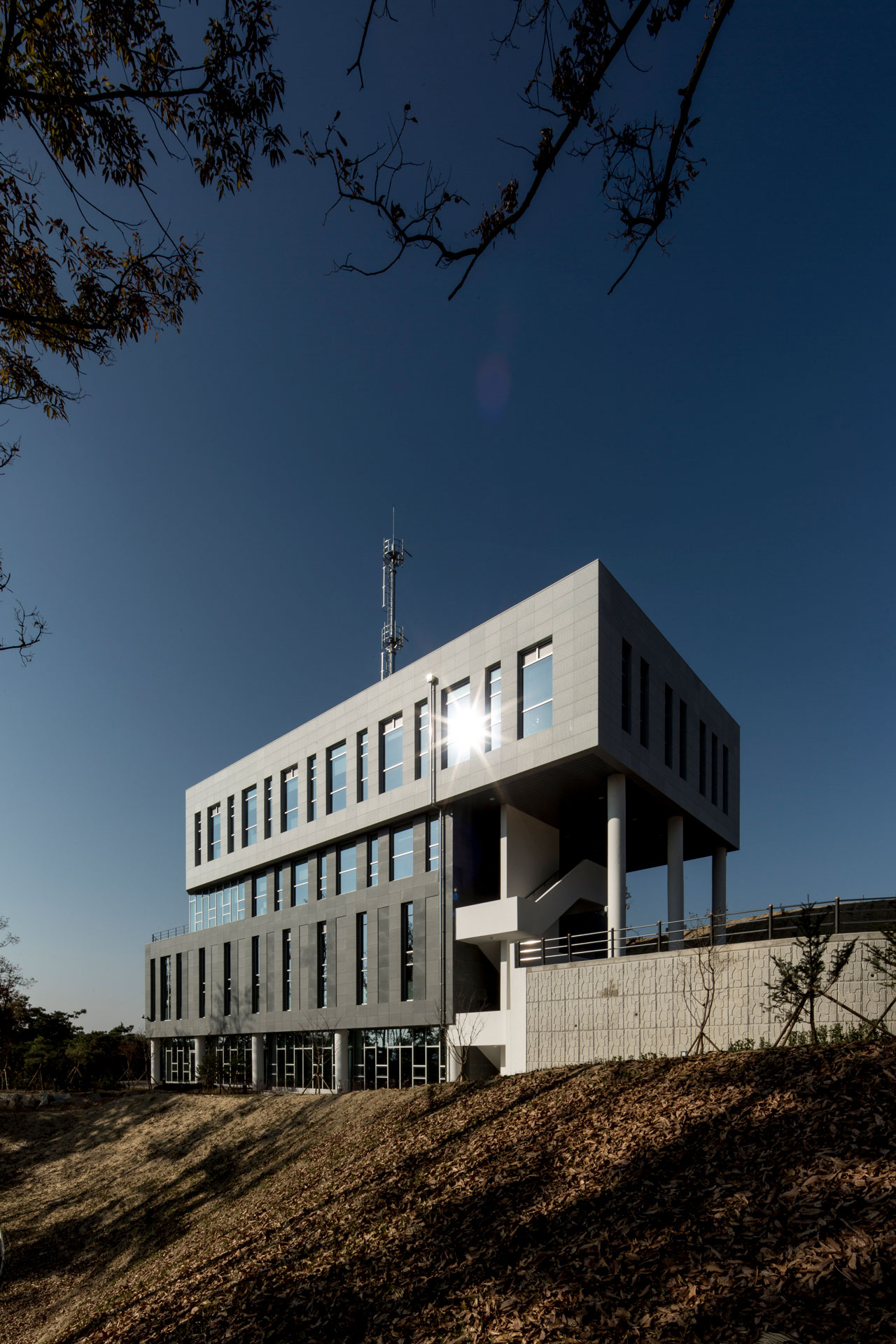
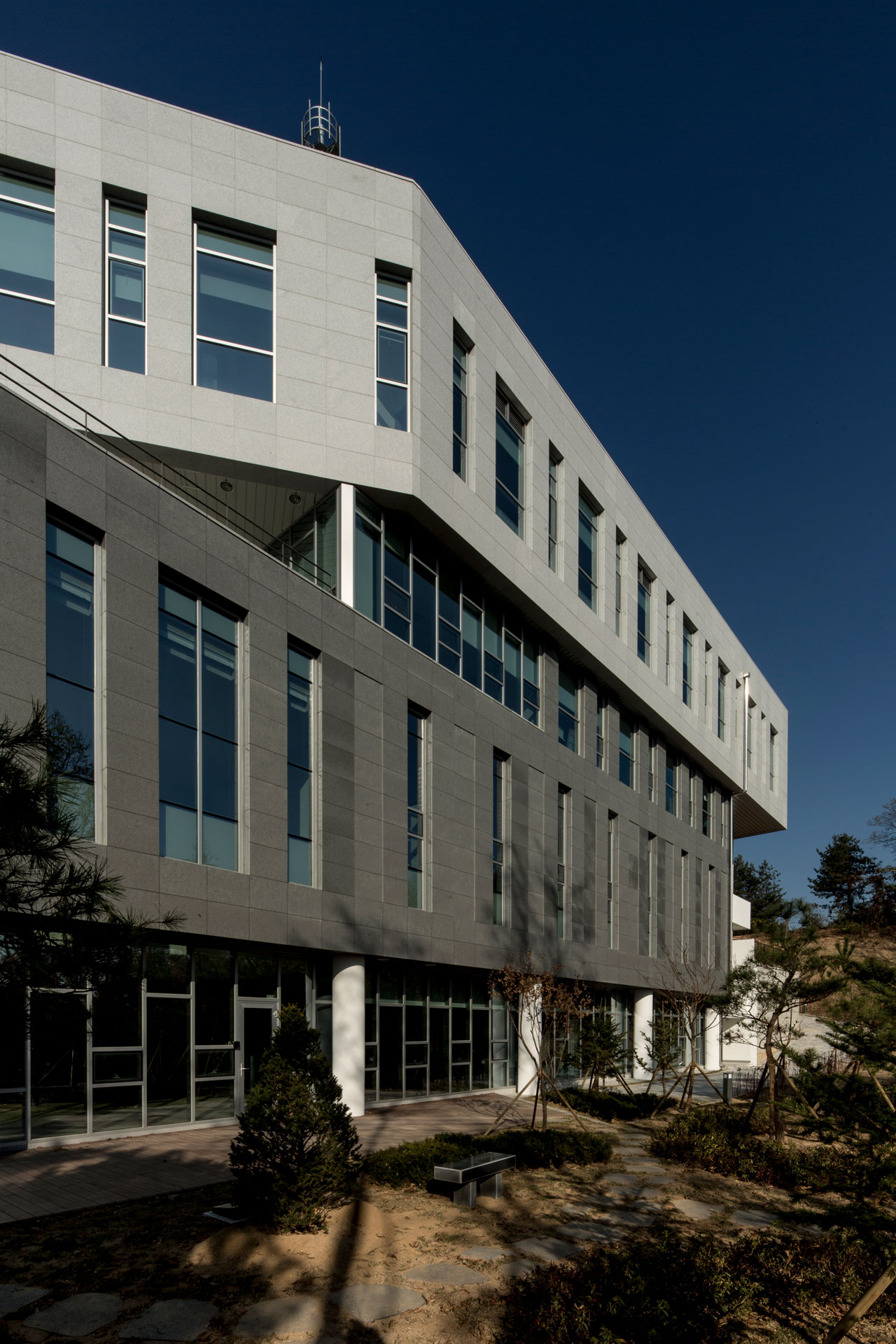
Furthermore, the site features an open view of the city to the south and an average slope exceeding 40%. The design was planned with consideration for harmony with the surrounding landscape, a terraced earthwork plan to minimize environmental impact, and integration with the existing observatory site and the surrounding natural environment. It was designed to embody the identity of the institute as a leading center for seismic research.

-
Status
Completed
-
Client
KIGAM
-
Program
R&D
-
Design Year
2014
-
Completion Year
2017
-
Location
Wonju-si, Gangwon-do
-
Site area
15,812.00m2
-
Gross Floor Area
3,990.36m2
-
Building Area
1,548.16m2
-
Number of Levels
4F
The KSRS operates the world’s second-largest and East Asia’s largest observation network for analyzing seismic data and detecting nuclear tests.
The collected data is transmitted to the Korea Institute of Geoscience and Mineral Resources, the U.S. Air Force Technical Support Center, and the International Data Centre under the Comprehensive Nuclear-Test-Ban Treaty Organization (CTBTO), playing a pivotal role not only in Korea’s disaster management and national security but also in international security.
Furthermore, the site features an open view of the city to the south and an average slope exceeding 40%. The design was planned with consideration for harmony with the surrounding landscape, a terraced earthwork plan to minimize environmental impact, and integration with the existing observatory site and the surrounding natural environment. It was designed to embody the identity of the institute as a leading center for seismic research.