

Close
![Popup Image]()
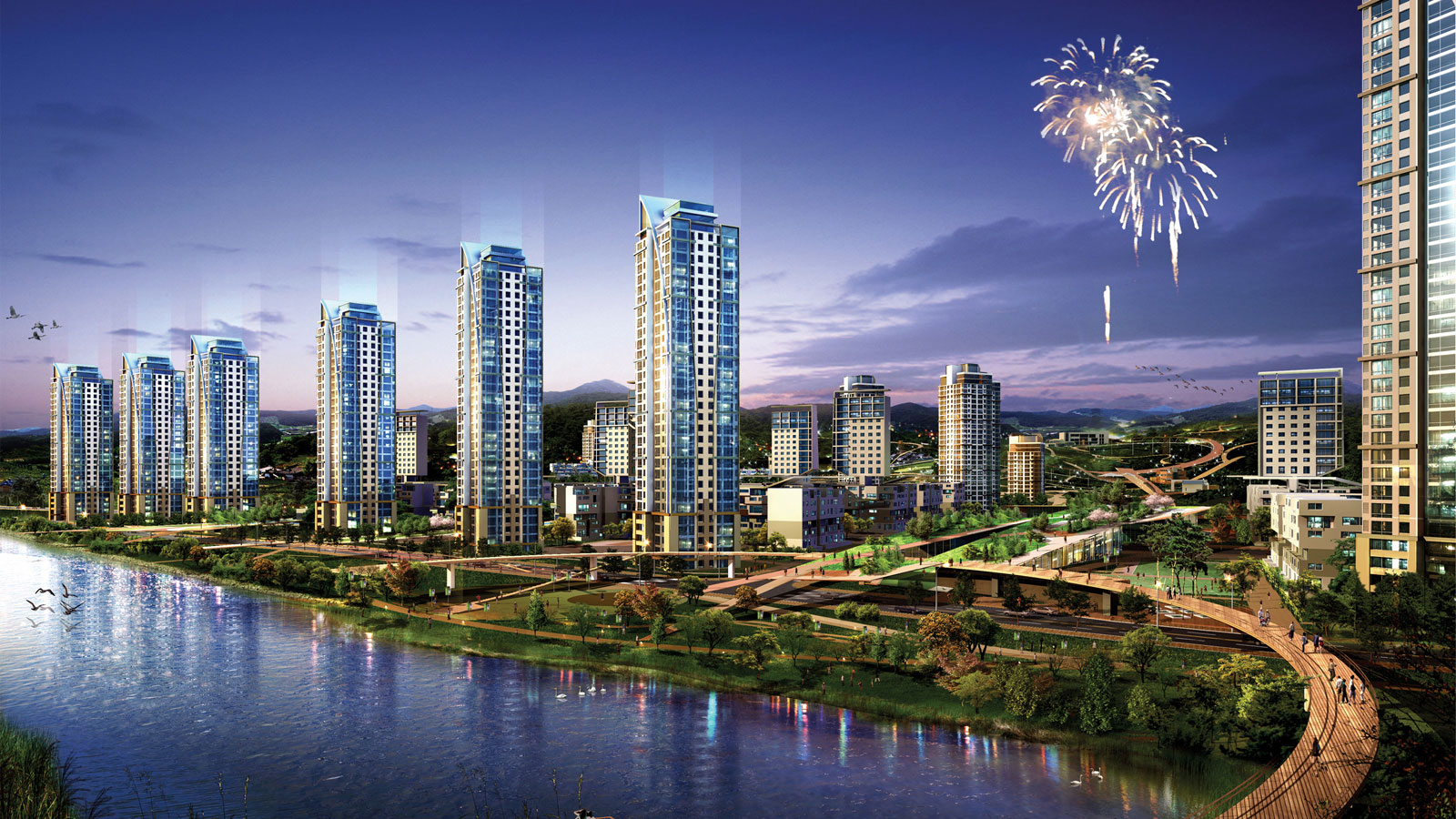
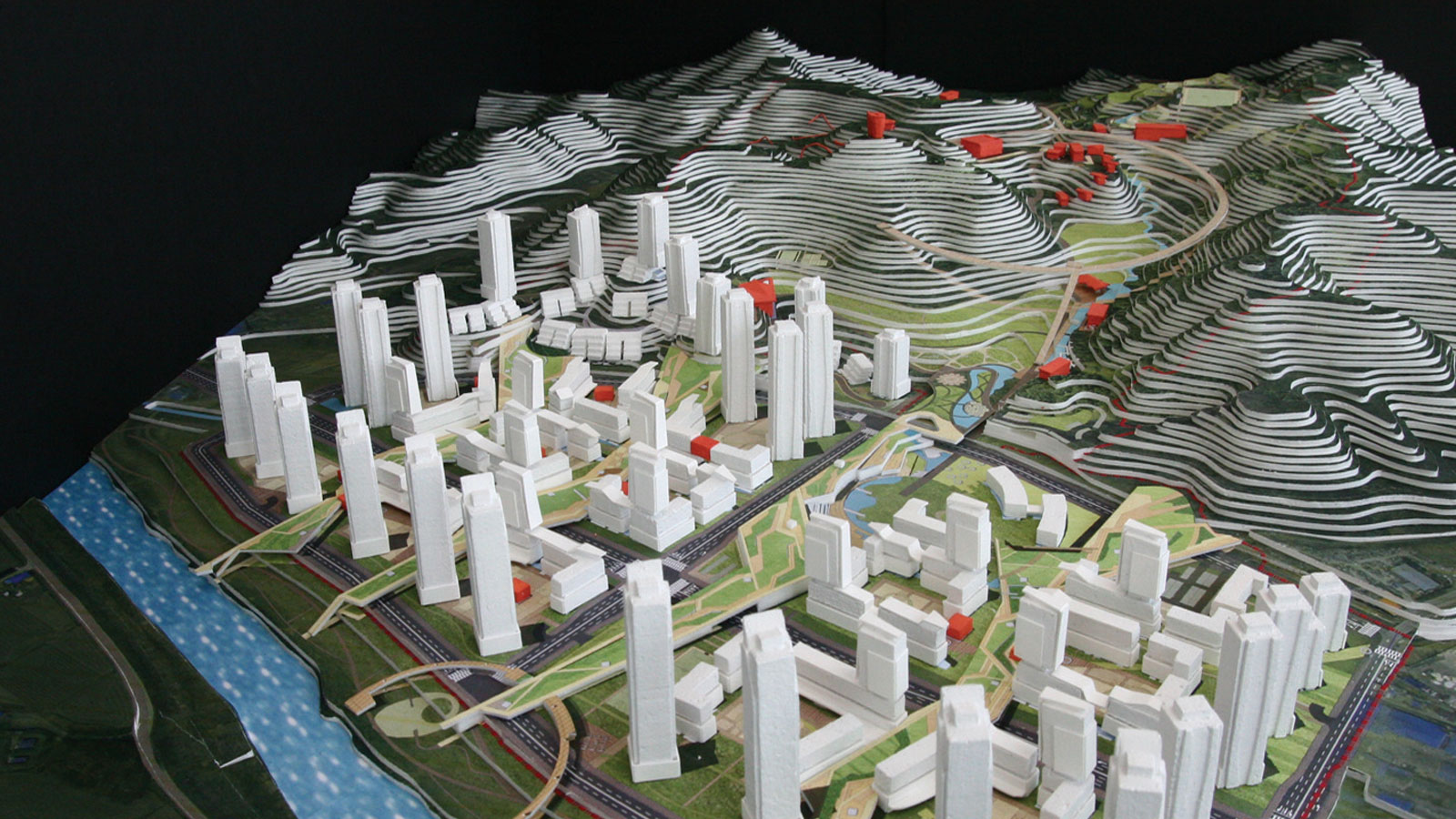
Until now, the term “park” has referred to a public garden—a space that everyone can share. However, the majority of our parks are structured in an isolated and fragmented manner, failing to actively integrate into our lives within the city. The reality is that they are perceived not as spaces for everyone, but as meaningless vacant lots that belong to no one. To ensure that the Camp Haus site establishes itself as a meaningful park that truly contributes to the local community, we propose the following three elements. A Growing Park_A park is not merely an open space; it is an urban element capable of infusing our lives with vitality, leisure, and abundance. The park’s boundaries must be able to flexibly change and expand in response to the surrounding context. It must permeate the surrounding Samneung, Haniland, residential facilities, villages, schools, and even farmland, continuously expanding its boundaries. A Communicating Park_We plan a park that forms an organic relationship with the surrounding historical and natural infrastructure. Furthermore, by allowing visitors to encounter the park’s diverse programs through various pathways and by connecting these programs with one another, the park becomes a space that evokes interest and enjoyment, rather than a simple, meaningless succession of spaces. Ultimately, this fosters communication among park users. A Living Park_We seek ways to heal the environment contaminated by the U.S. military while minimizing damage caused by development. We devise plans to preserve and utilize existing buildings as much as possible and propose programs suited to them. Through this, the site will regain its inherent ecological and environmental vitality. When human activity is added to this, the site will finally possess the true vitality of a park in its own right. Reflecting the diverse facets of life 24 hours a day, 365 days a year, it will not remain an empty space but will live and breathe as an integral part of our lives.

-
Status
Completed
-
Order
T&T Machinery Co., Ltd.
-
Purpose
Residential
-
Design Year
2009
-
Location
Paju-si, Gyeonggi-do
-
Site area
999,622.00m2
-
Gross Floor Area
727,963.18m2
-
Building Area
67,056.00m2
-
Scale
B2, 36F
Until now, the term “park” has referred to a public garden—a space that everyone can share. However, the majority of our parks are structured in an isolated and fragmented manner, failing to actively integrate into our lives within the city. The reality is that they are perceived not as spaces for everyone, but as meaningless vacant lots that belong to no one. To ensure that the Camp Haus site establishes itself as a meaningful park that truly contributes to the local community, we propose the following three elements. A Growing Park_A park is not merely an open space; it is an urban element capable of infusing our lives with vitality, leisure, and abundance. The park’s boundaries must be able to flexibly change and expand in response to the surrounding context. It must permeate the surrounding Samneung, Haniland, residential facilities, villages, schools, and even farmland, continuously expanding its boundaries. A Communicating Park_We plan a park that forms an organic relationship with the surrounding historical and natural infrastructure. Furthermore, by allowing visitors to encounter the park’s diverse programs through various pathways and by connecting these programs with one another, the park becomes a space that evokes interest and enjoyment, rather than a simple, meaningless succession of spaces. Ultimately, this fosters communication among park users. A Living Park_We seek ways to heal the environment contaminated by the U.S. military while minimizing damage caused by development. We devise plans to preserve and utilize existing buildings as much as possible and propose programs suited to them. Through this, the site will regain its inherent ecological and environmental vitality. When human activity is added to this, the site will finally possess the true vitality of a park in its own right. Reflecting the diverse facets of life 24 hours a day, 365 days a year, it will not remain an empty space but will live and breathe as an integral part of our lives.