

Close
![Popup Image]()
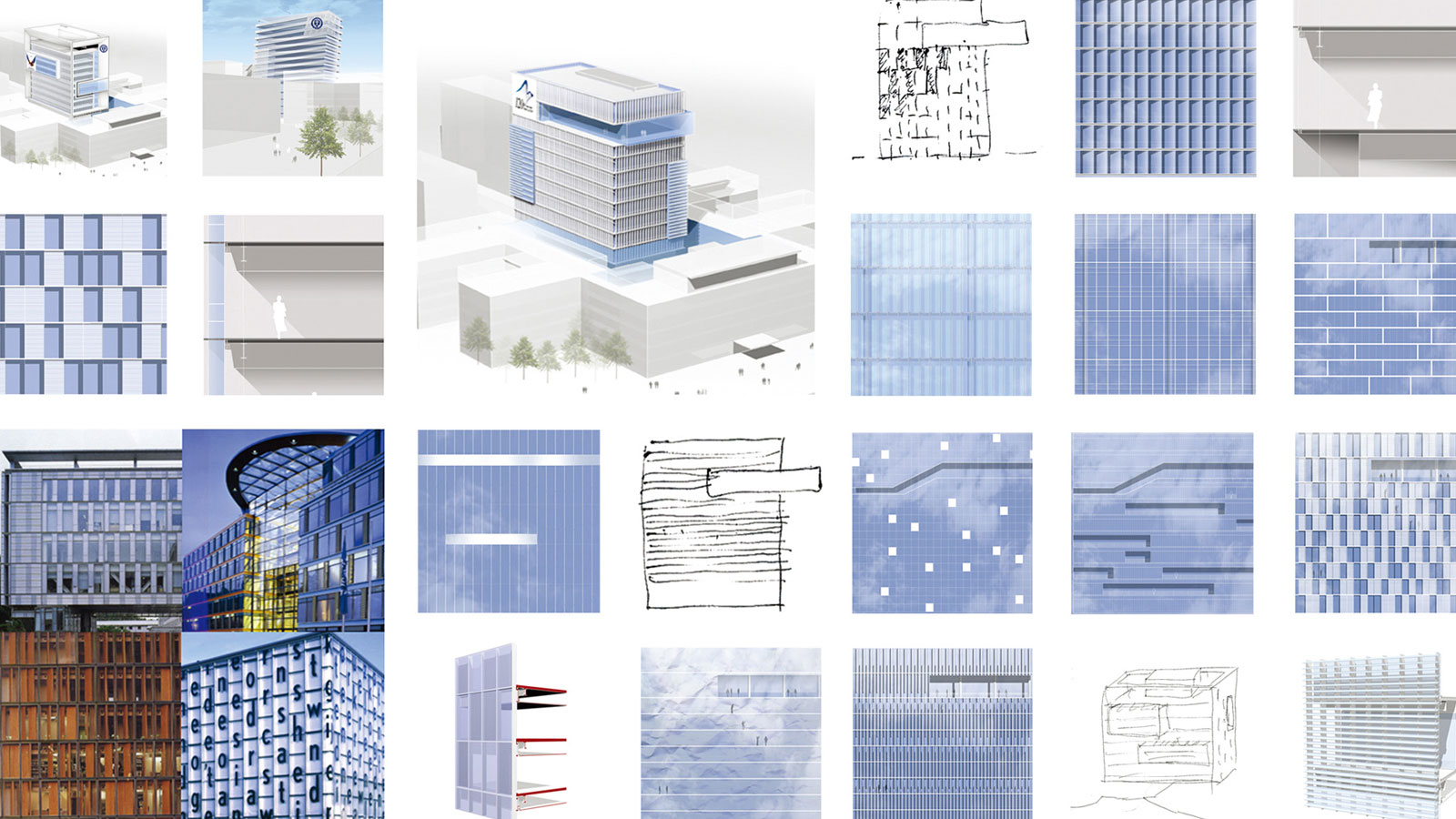
We are creating an engineering infrastructure that actively responds to the evolving landscape of education and research, thereby fostering the development of top-tier talent, advancing academic research, and establishing a building that serves as the backbone of a college of engineering system that bridges the university and industry. Situated between existing engineering buildings on a site with challenging conditions, this project holds the potential to create a new sense of place precisely because of these constraints. By restoring the landscape that connects the main campus entrance to the First Engineering Building, the site, the decks of the Second and Third Engineering Buildings, and the athletic field, we have completed the College of Engineering’s overall network and created spaces that offer opportunities for students to organize events. Furthermore, the atrium overcomes the sense of enclosure created by the existing cluster of engineering buildings and establishes the space as the central hub of the complex.

-
Status
Completed
-
Client
Yonsei University
-
Program
Education
-
Design Year
2006
-
Location
Seodaemun-gu, Seoul
-
Gross Floor Area
2,999.00(Expansion of Engineering Building 1) / 16,105.00(Advanced Engineering Education Building)m2
-
Number of Levels
B2, 12F
We are creating an engineering infrastructure that actively responds to the evolving landscape of education and research, thereby fostering the development of top-tier talent, advancing academic research, and establishing a building that serves as the backbone of a college of engineering system that bridges the university and industry. Situated between existing engineering buildings on a site with challenging conditions, this project holds the potential to create a new sense of place precisely because of these constraints. By restoring the landscape that connects the main campus entrance to the First Engineering Building, the site, the decks of the Second and Third Engineering Buildings, and the athletic field, we have completed the College of Engineering’s overall network and created spaces that offer opportunities for students to organize events. Furthermore, the atrium overcomes the sense of enclosure created by the existing cluster of engineering buildings and establishes the space as the central hub of the complex.