
Close
![Popup Image]()
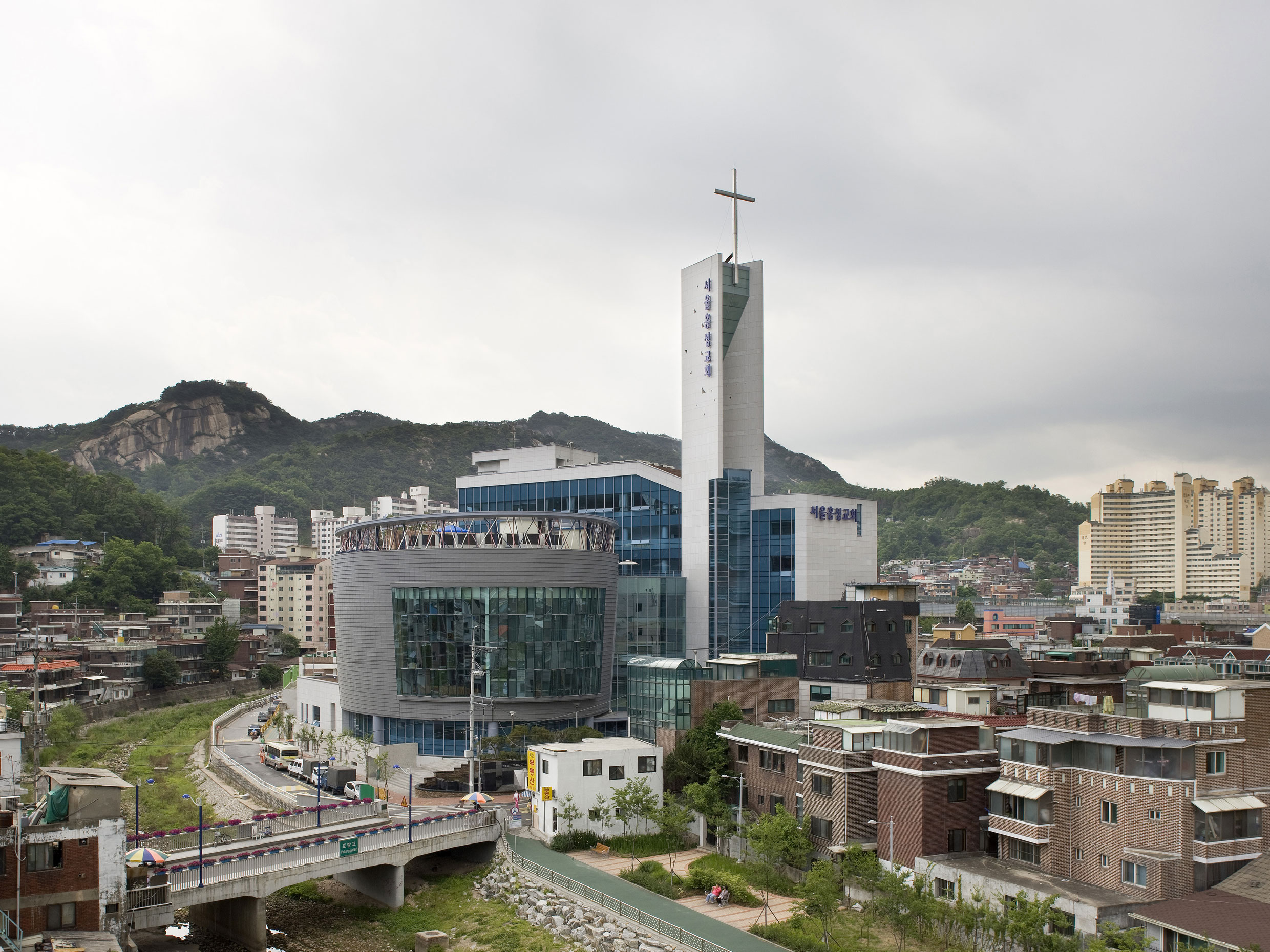
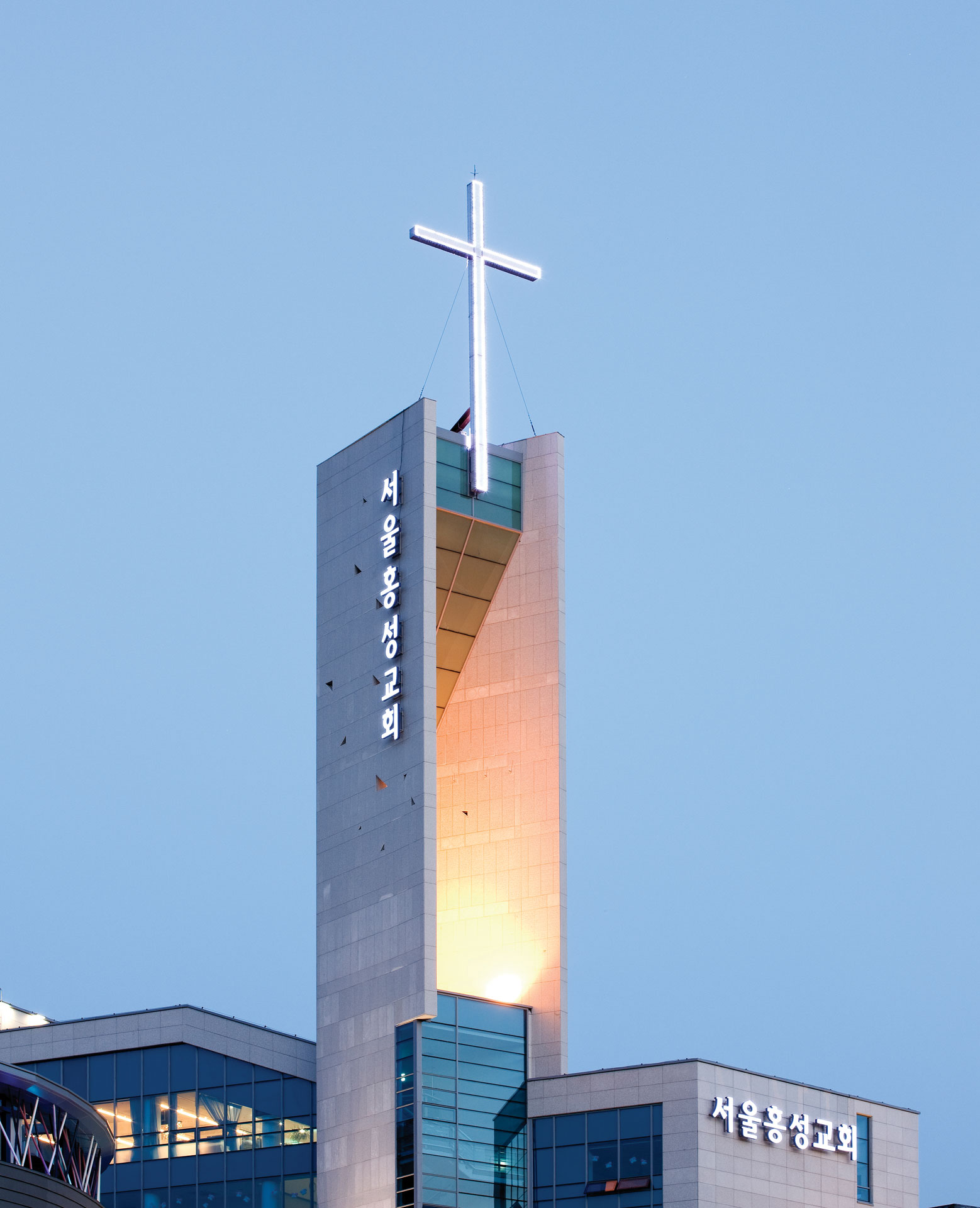
Traditionally, church architecture seeks to embody both a highly public character and religious symbolism. In other words, it aims to be both the heart of the local community and a landmark that serves as a sacred entity.
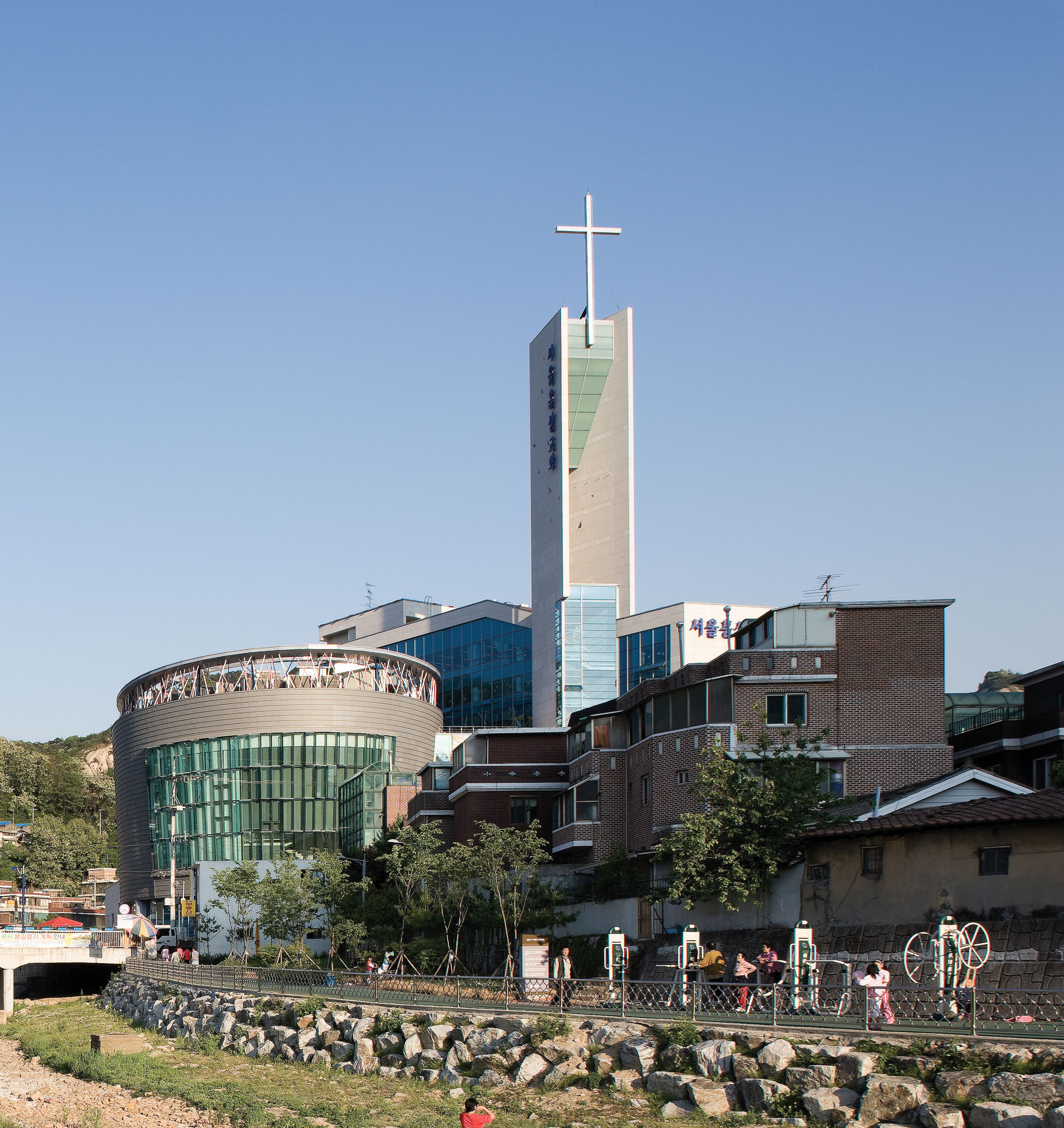
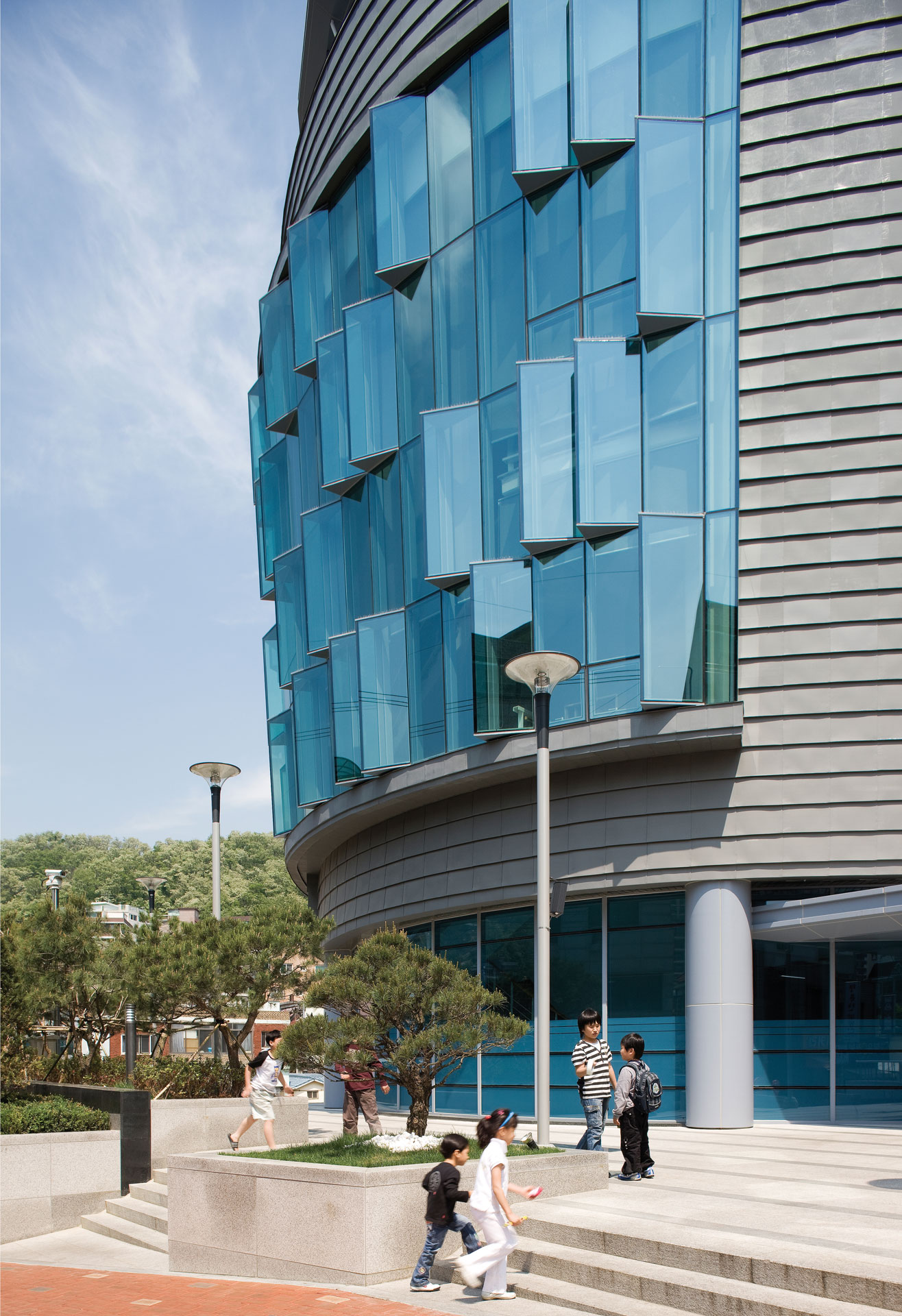
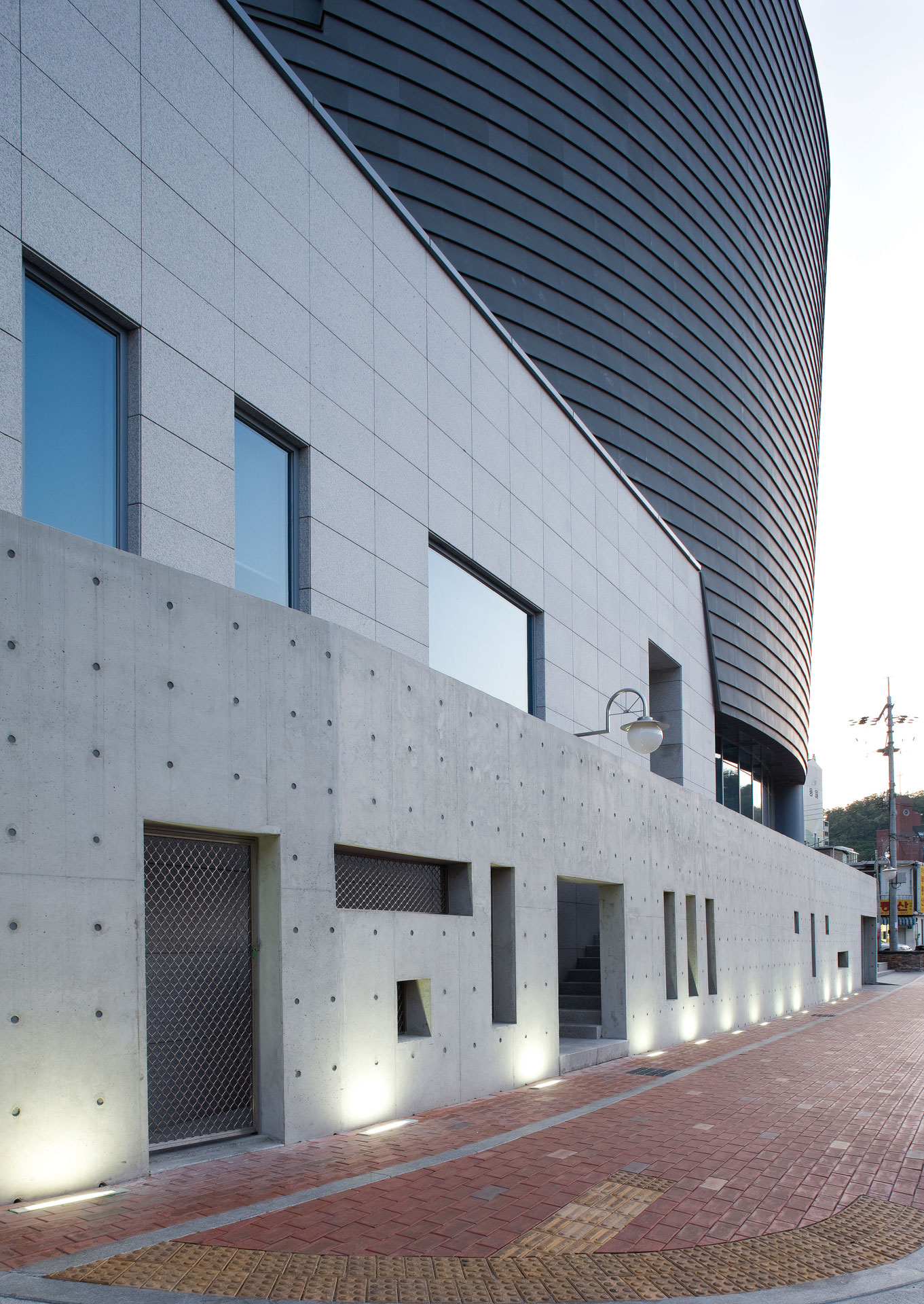
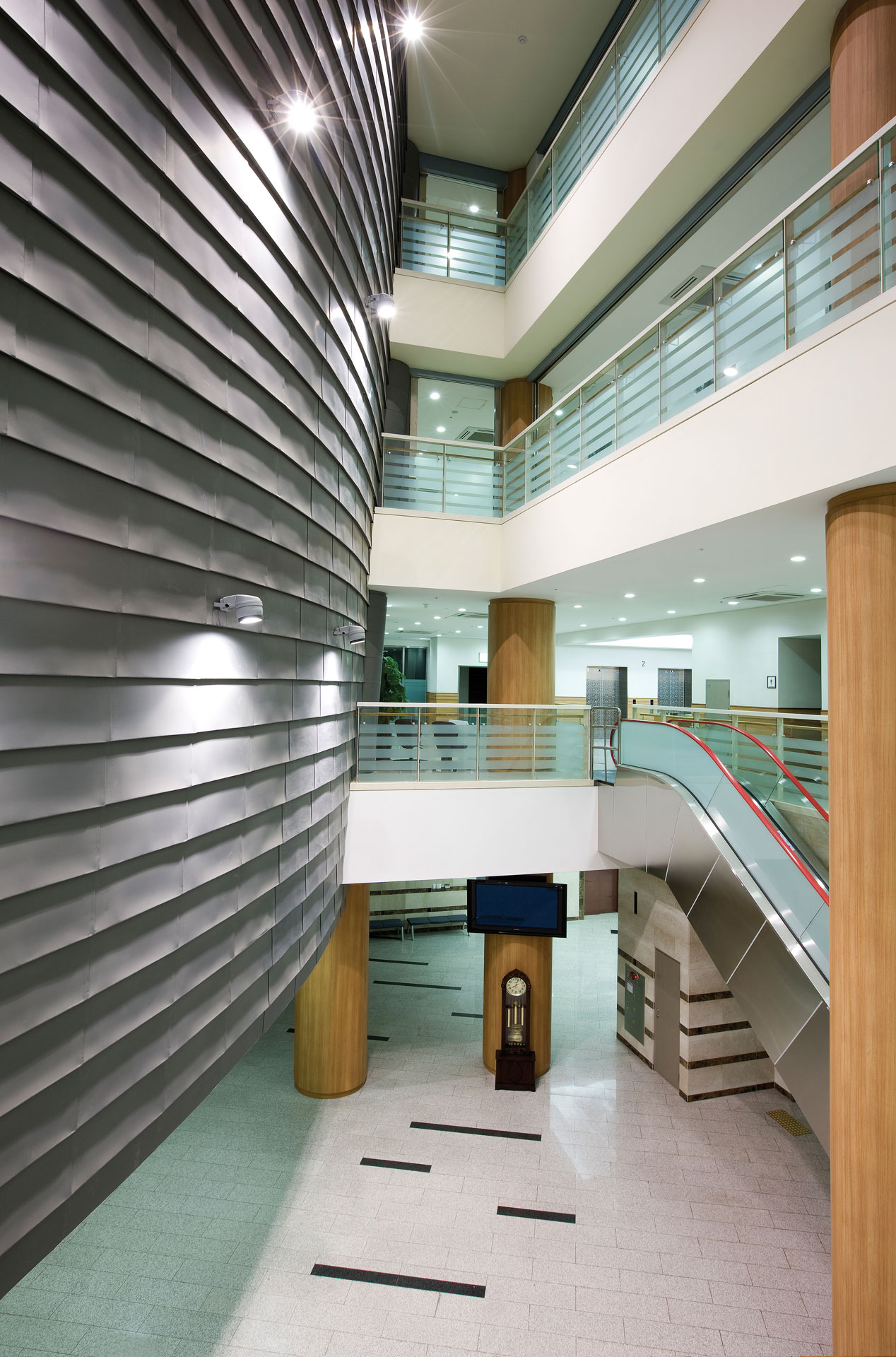
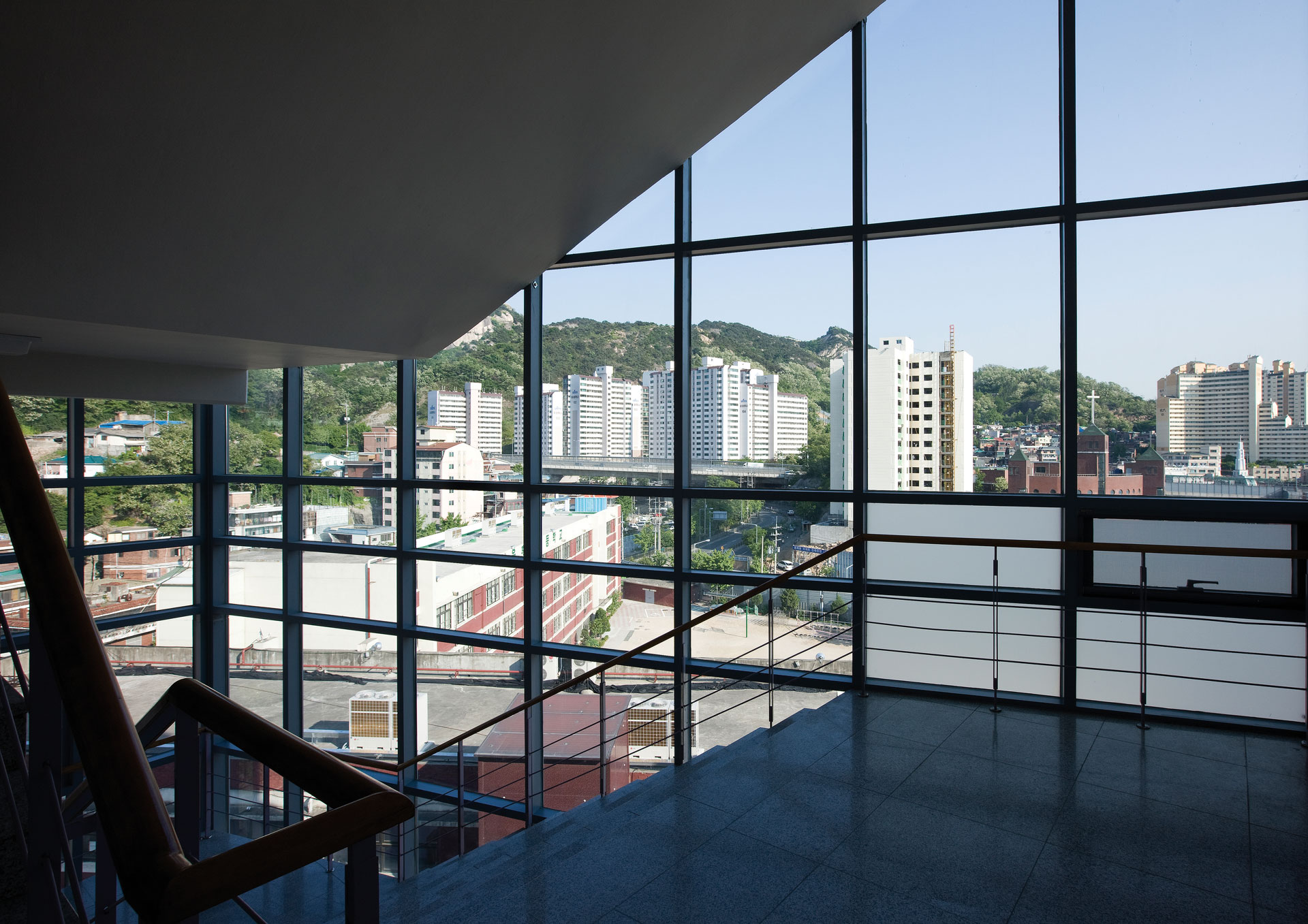
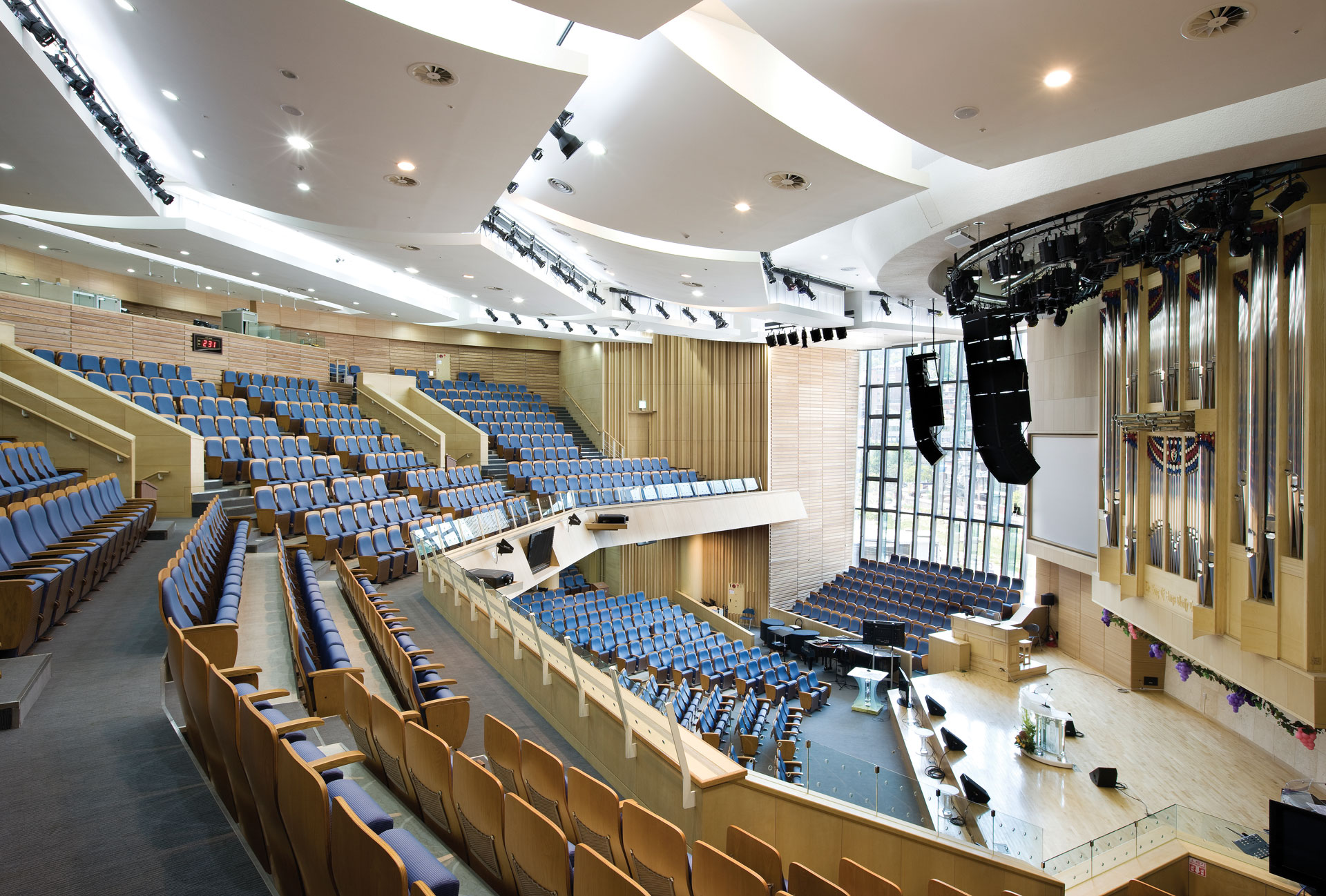
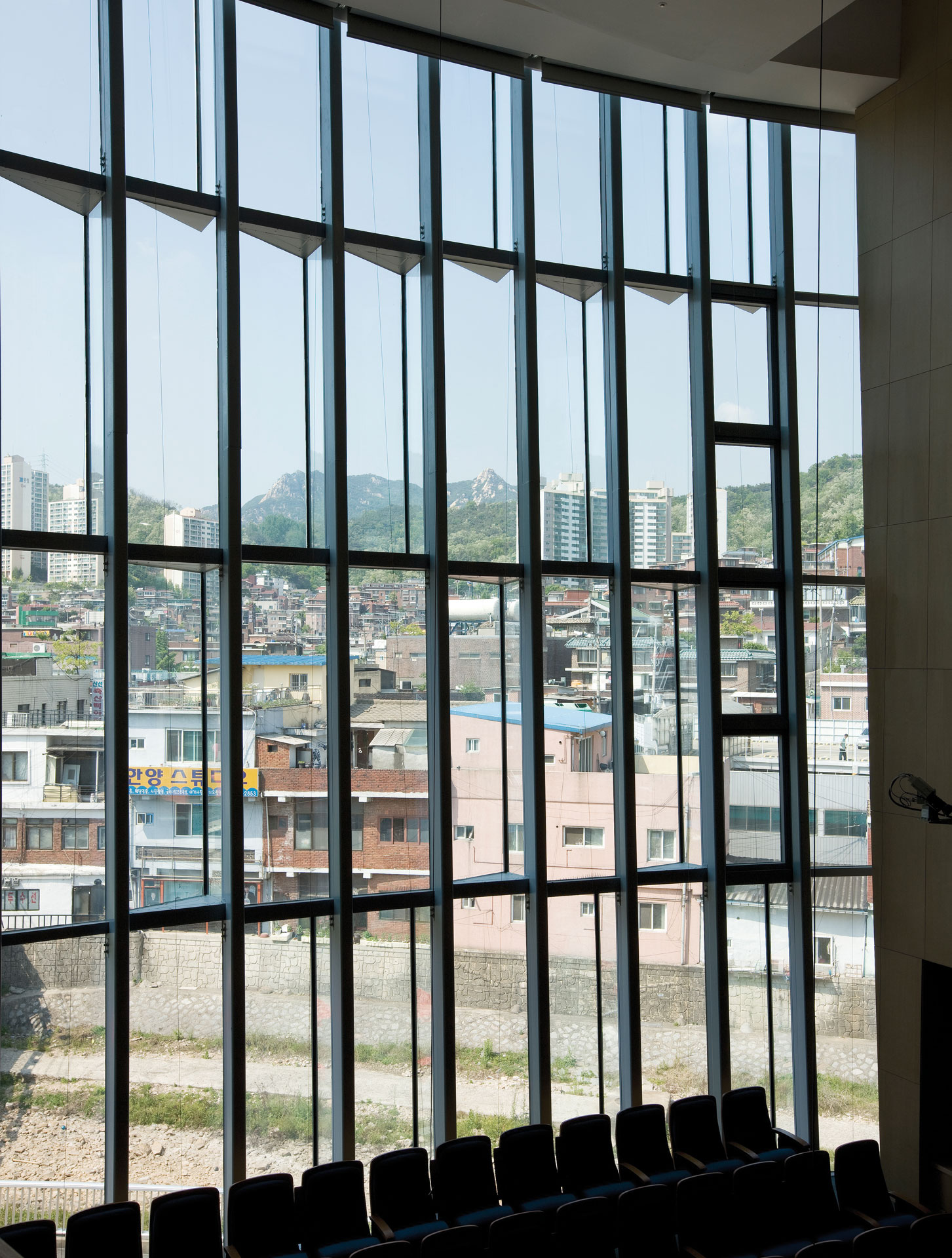
This project begins as an attempt to materialize religious meaning while remaining faithful to these two aspects. The site’s natural environment (Hongje Stream), its locational conditions (village entrance), and its topography (levels) are utilized as fundamental factors in creating a “place” that serves as a community space. The structure built on this newly formed site takes on a concrete form by simultaneously embodying a rational organization of functions and the symbolism of the Bible. This is part of an effort to organize both function and inner meaning.

-
Status
Completed
-
Order
Hongsung Church, Seoul
-
Purpose
Religious
-
Design Year
2003
-
Completion Year
2007
-
Location
Seodaemun-gu, Seoul
-
Site area
2,836.00m2
-
Gross Floor Area
15,000.00m2
-
Scale
B4, 7F
Traditionally, church architecture seeks to embody both a highly public character and religious symbolism. In other words, it aims to be both the heart of the local community and a landmark that serves as a sacred entity.
This project begins as an attempt to materialize religious meaning while remaining faithful to these two aspects. The site’s natural environment (Hongje Stream), its locational conditions (village entrance), and its topography (levels) are utilized as fundamental factors in creating a “place” that serves as a community space. The structure built on this newly formed site takes on a concrete form by simultaneously embodying a rational organization of functions and the symbolism of the Bible. This is part of an effort to organize both function and inner meaning.