
Close
![Popup Image]()
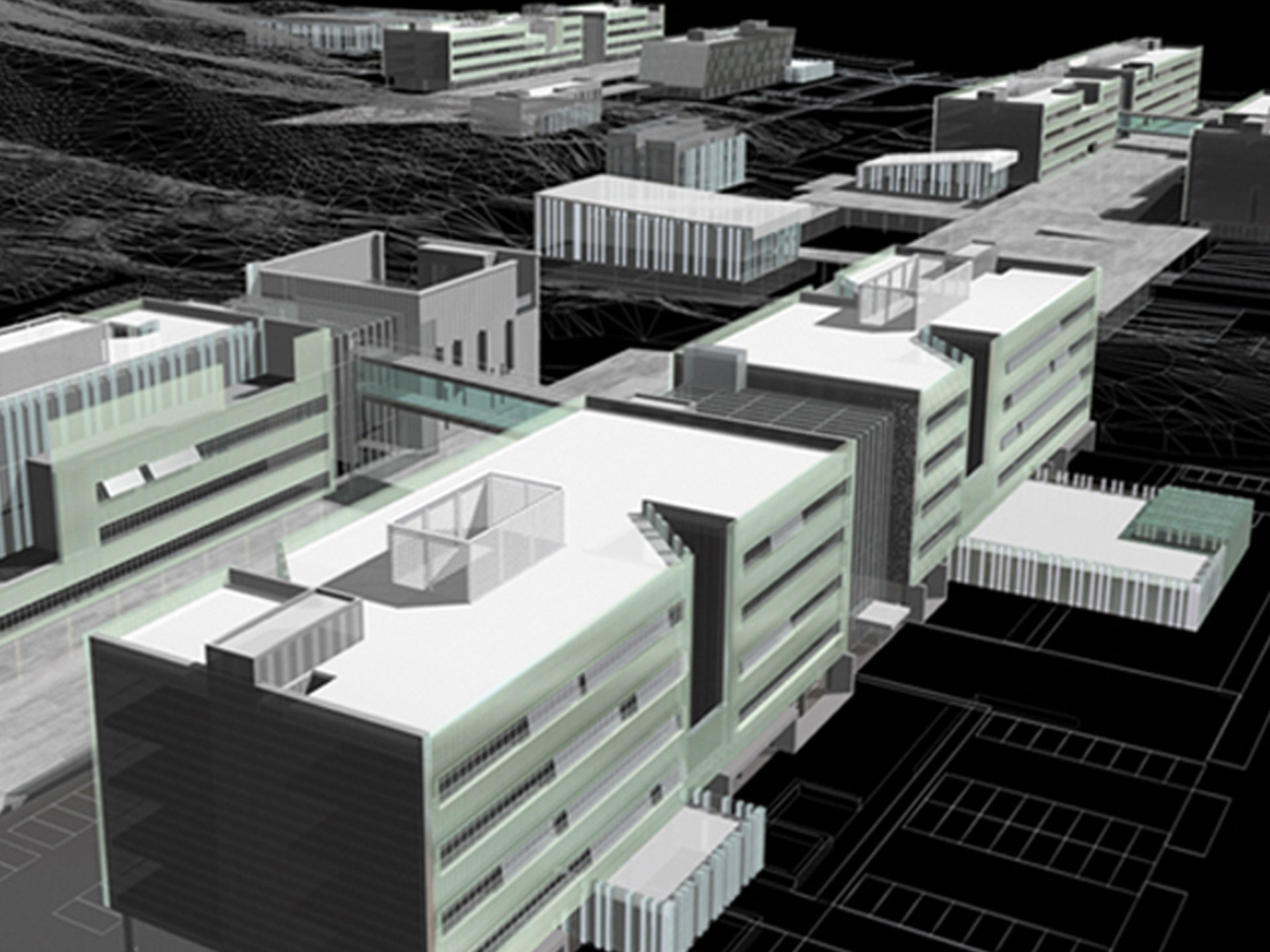
The Osong Life Science Complex is scheduled to be developed on a 1.4 million-pyeong site in the Osong-ri area of Cheongwon-gun, North Chungcheong Province. By connecting with high-tech companies in the Seoul-Gyeonggi region and the eastern and western regions, the complex will form a high-tech industrial belt and play a pivotal role in supporting the capital region’s decentralization policy and balanced regional development. With the Osong New Town—which will provide stable living infrastructure—as well as linked facilities such as the Daedeok Research Complex and the Ochang Science Park located nearby, the complex is poised to become a hub for the advancement of cutting-edge life sciences. The four national research institutions planned for construction between the two natural features (a lake and a mountain) within the Osong New Town are designed not to occupy the natural landscape and block its flow, but rather to serve as connectors that bridge the relationship between nature by providing open spaces within the natural environment.


-
Status
Completed
-
Design Year
2004
-
Location
Cheongwon-gu, Cheongju
-
Site area
402,600.00m2
-
Gross Floor Area
116,414.95m2
The Osong Life Science Complex is scheduled to be developed on a 1.4 million-pyeong site in the Osong-ri area of Cheongwon-gun, North Chungcheong Province. By connecting with high-tech companies in the Seoul-Gyeonggi region and the eastern and western regions, the complex will form a high-tech industrial belt and play a pivotal role in supporting the capital region’s decentralization policy and balanced regional development. With the Osong New Town—which will provide stable living infrastructure—as well as linked facilities such as the Daedeok Research Complex and the Ochang Science Park located nearby, the complex is poised to become a hub for the advancement of cutting-edge life sciences. The four national research institutions planned for construction between the two natural features (a lake and a mountain) within the Osong New Town are designed not to occupy the natural landscape and block its flow, but rather to serve as connectors that bridge the relationship between nature by providing open spaces within the natural environment.