
Close
![Popup Image]()
The remodeling of the seven regional offices will proceed in three phases and involves a comprehensive renovation project covering everything from architecture to facilities.
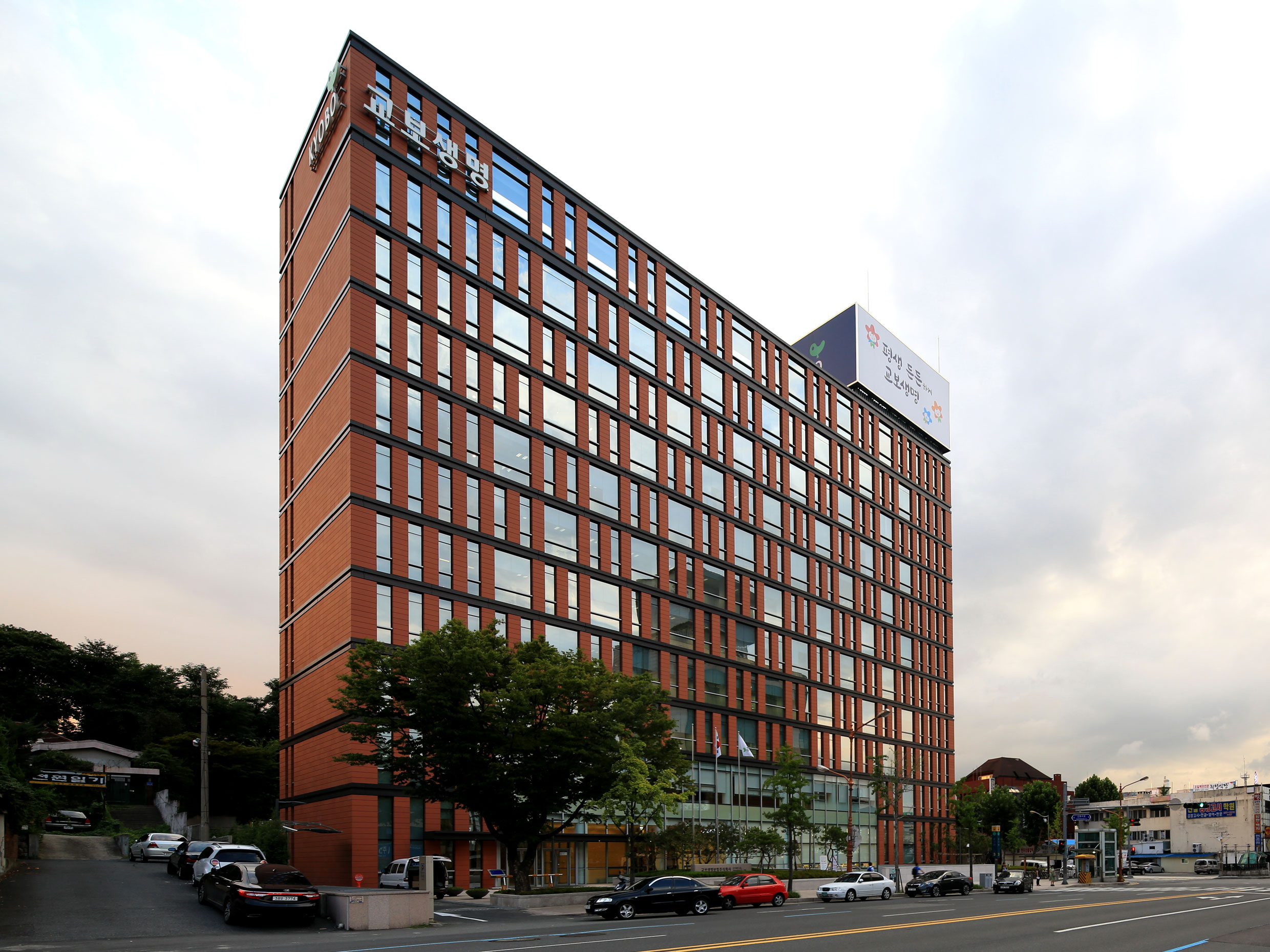
The primary focus of Phase 1 is, naturally, the architectural identity of Kyobo. As is widely recognized, Kyobo Life’s regional offices share a similar design to the headquarters building and have served as local landmarks, helping to establish the brand’s image. Furthermore, the company possesses an architectural culture that has consistently produced outstanding buildings, ranging from the headquarters to the Sanggye-dong office and the Gangnam Kyobo building. In Phase 1, three design alternatives were reviewed: an economical option, a reinterpreted Kyobo architectural style, and a new facade design; however, the project ultimately proceeded with the reinterpreted Kyobo architectural style.
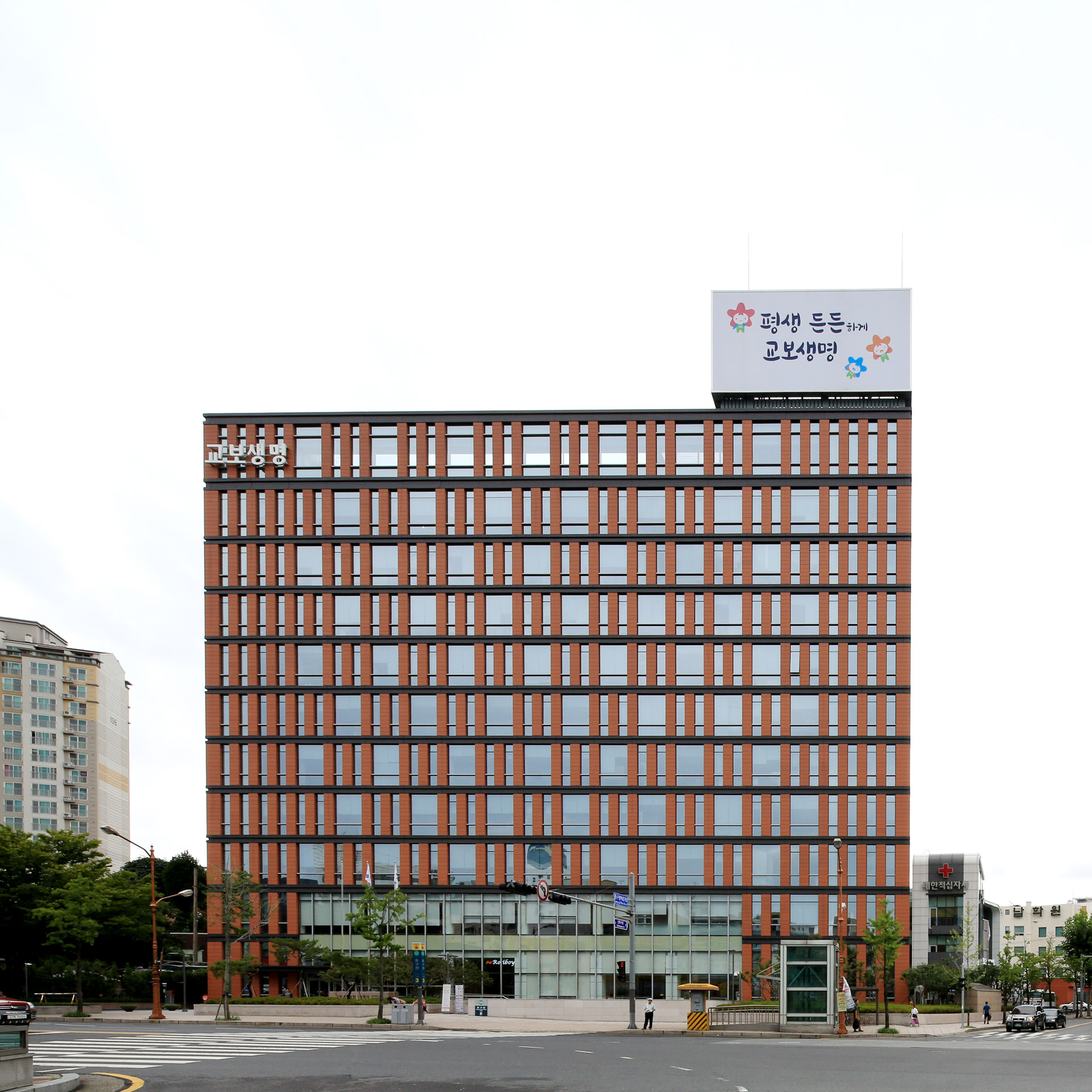
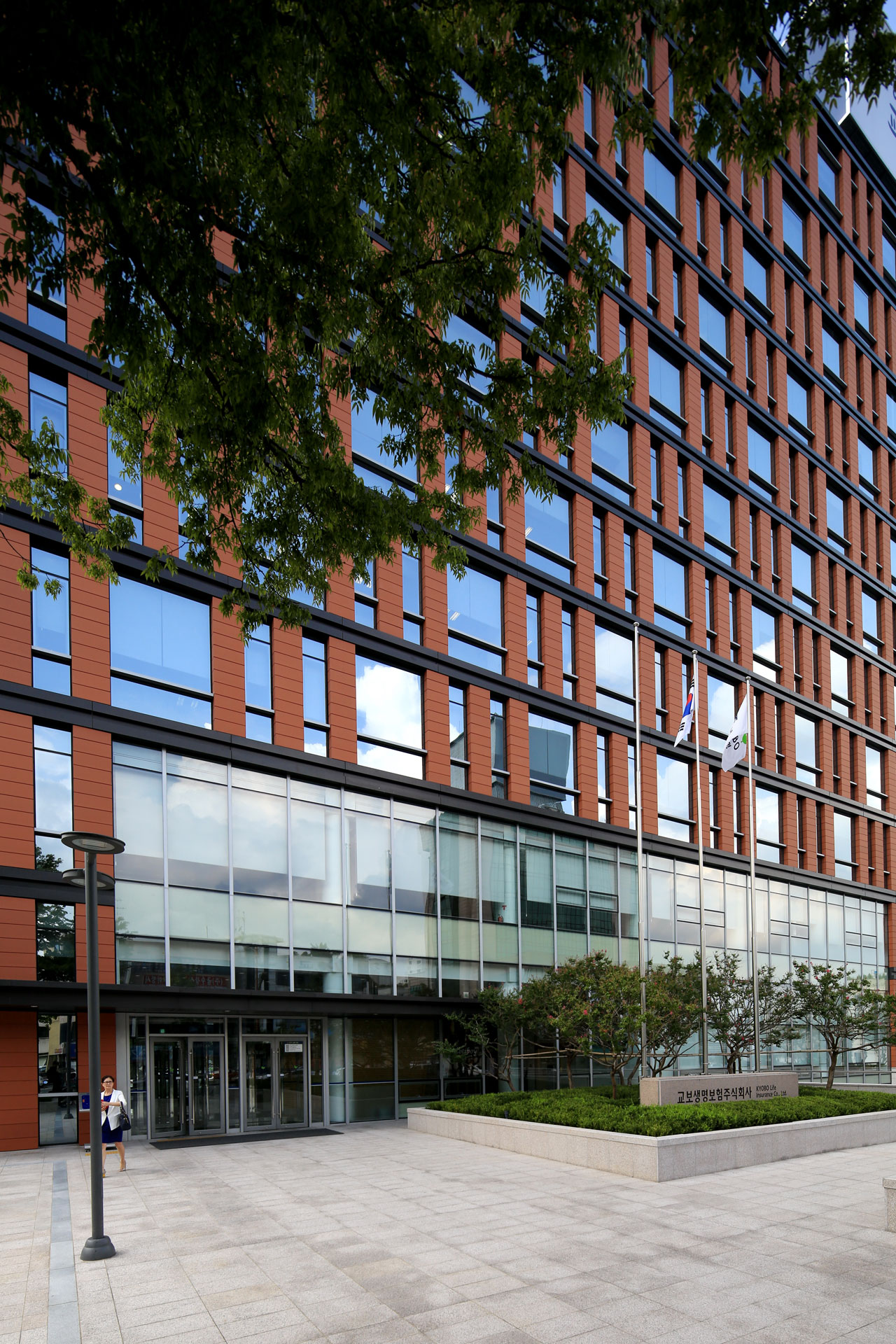
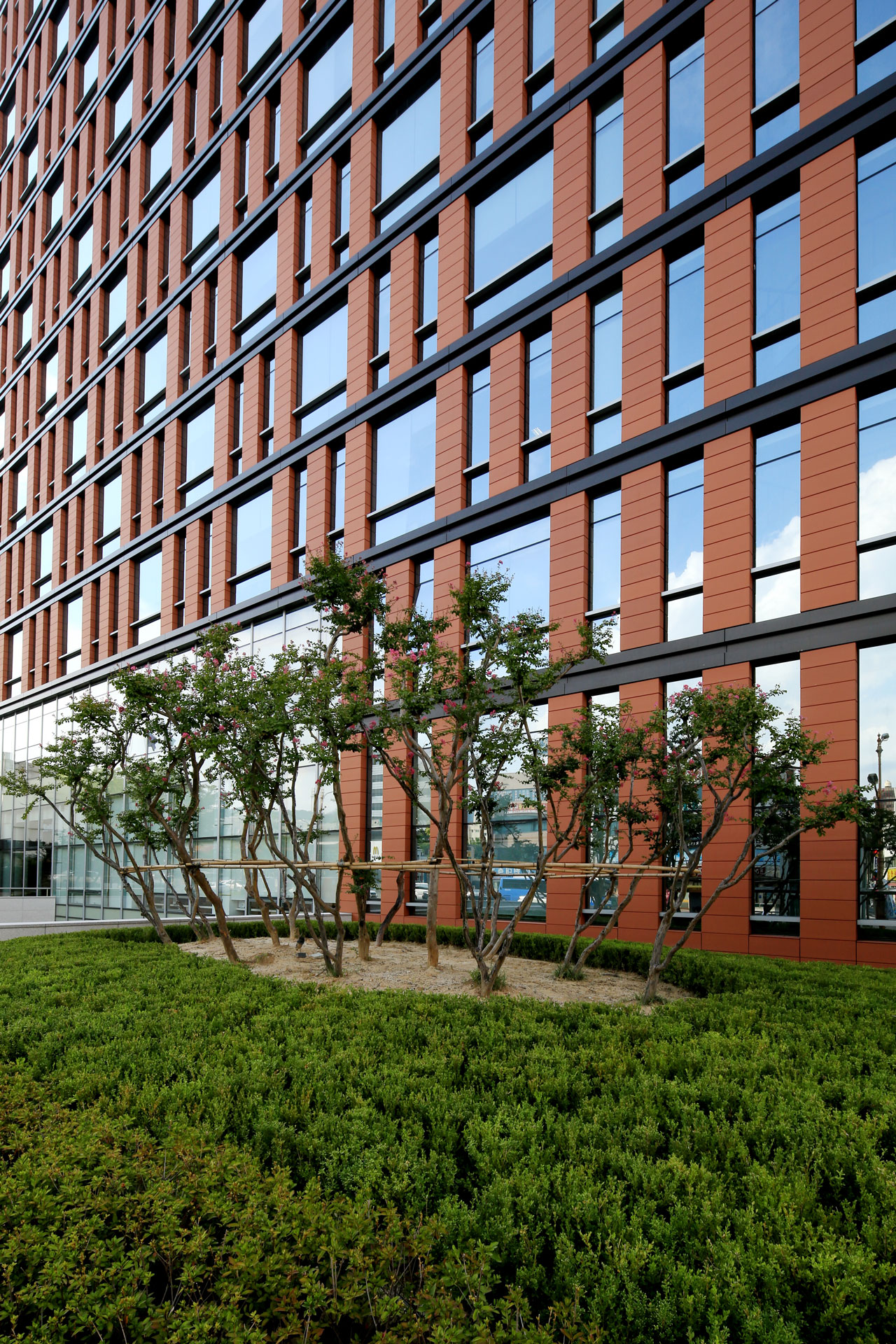
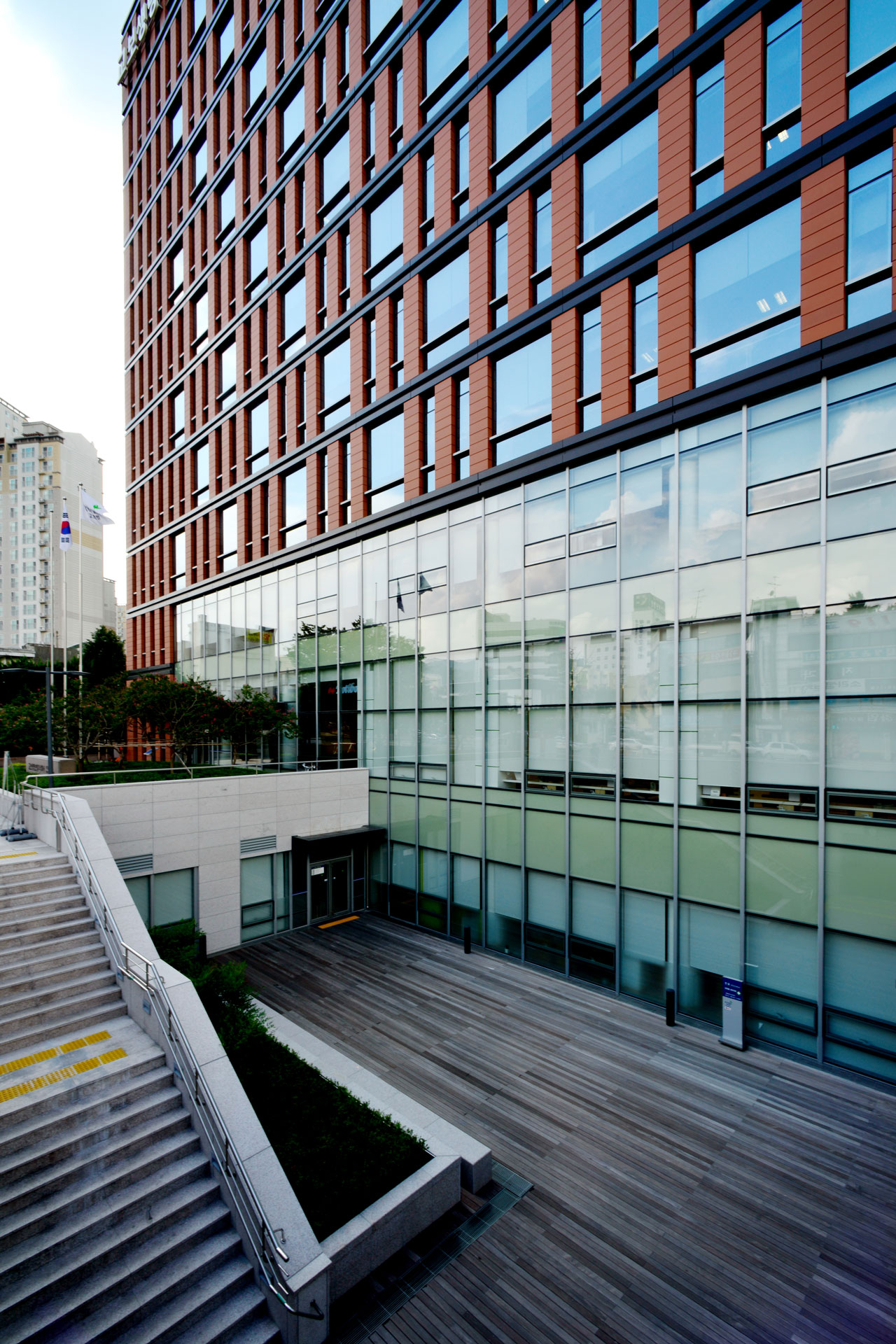
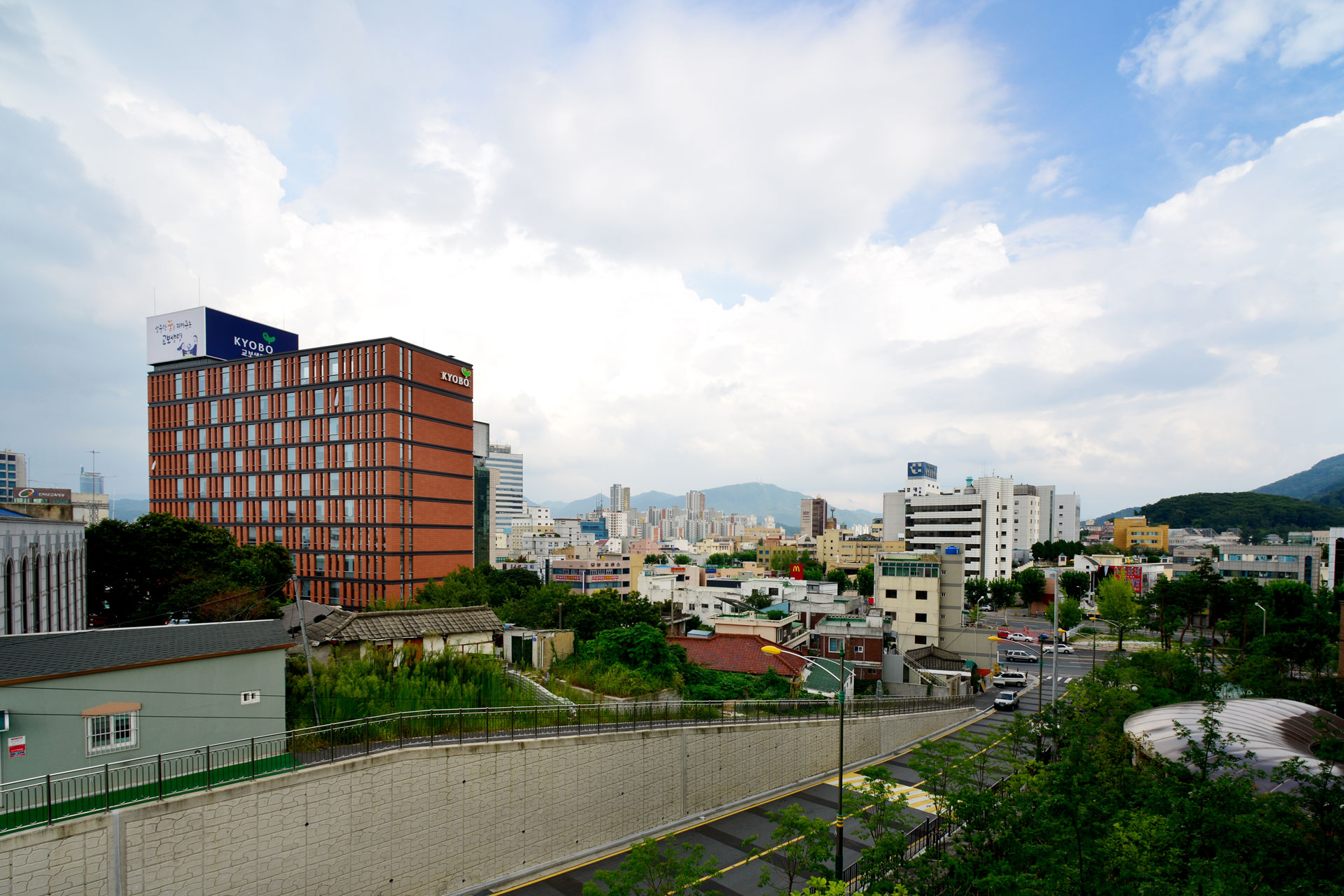
Two projects that reinterpret the vocabulary of Kyobo architecture—including a stable image achieved through horizontality, a straightforward facade with clear front-to-back and left-to-right alignment, functional window and sectional compositions, and, above all, the use of warm ceramic materials and spaces that embrace nature—were initiated in Phase 1.
Phases 2 and 3 will build upon Phase 1 as another connecting link. Phase 2 of the Kyobo Regional Office remodeling project involves the Incheon and Jeonju offices. Compared to Phase 1—the Gwangju Numo-dong and Daejeon offices—these projects are smaller in scale and situated on narrower sites, making it difficult to actively utilize exterior spaces. However, the concepts introduced in Phase 1—comprehensive upgrades to aging facilities, sunken areas to improve the underground environment, lobby expansions, and improvements to the work environment extending to rooftop gardens—were effectively integrated. The exterior designs were tailored to each office’s development potential and economic feasibility: Incheon underwent a full-scale renovation, while Jeonju received minimal upgrades.

-
Status
Completed
-
Awards
- 2013 Korean Remodeling Architecture Award_Finalist
-
Client
Kyobo Life Insurance Co., Ltd.
-
Program
Renovation, Office
-
Design Year
2012
-
Completion Year
2013
-
Location
Daejeon
-
Site area
3361.30m2
-
Gross Floor Area
13139.90m2
-
Building Area
889.02m2
-
Number of Levels
B3, 11F
The remodeling of the seven regional offices will proceed in three phases and involves a comprehensive renovation project covering everything from architecture to facilities.
The primary focus of Phase 1 is, naturally, the architectural identity of Kyobo. As is widely recognized, Kyobo Life’s regional offices share a similar design to the headquarters building and have served as local landmarks, helping to establish the brand’s image. Furthermore, the company possesses an architectural culture that has consistently produced outstanding buildings, ranging from the headquarters to the Sanggye-dong office and the Gangnam Kyobo building. In Phase 1, three design alternatives were reviewed: an economical option, a reinterpreted Kyobo architectural style, and a new facade design; however, the project ultimately proceeded with the reinterpreted Kyobo architectural style.
Two projects that reinterpret the vocabulary of Kyobo architecture—including a stable image achieved through horizontality, a straightforward facade with clear front-to-back and left-to-right alignment, functional window and sectional compositions, and, above all, the use of warm ceramic materials and spaces that embrace nature—were initiated in Phase 1.
Phases 2 and 3 will build upon Phase 1 as another connecting link. Phase 2 of the Kyobo Regional Office remodeling project involves the Incheon and Jeonju offices. Compared to Phase 1—the Gwangju Numo-dong and Daejeon offices—these projects are smaller in scale and situated on narrower sites, making it difficult to actively utilize exterior spaces. However, the concepts introduced in Phase 1—comprehensive upgrades to aging facilities, sunken areas to improve the underground environment, lobby expansions, and improvements to the work environment extending to rooftop gardens—were effectively integrated. The exterior designs were tailored to each office’s development potential and economic feasibility: Incheon underwent a full-scale renovation, while Jeonju received minimal upgrades.