
Close
![Popup Image]()
Planning Phase
Design Phase
Purchase & Procurement Phase
- Bidding process support
- Contract management support
- Supplied material procurement support
Construction Phase
- Review of construction commencement reports
- Review and management of temporary works plans
- Management of design changes and contracts
- Review of construction plans and construction details
- Material management (selection and inspection)
- Quality control
- Safety management
- Environmental management
- Technical review and training
- Progress inspection and pre-completion/as-built inspection
Post-Construction Phase
- Facility maintenance
- Preparation and submission of the final report
- Evaluation of the construction management service
- Support for defect repair and rectification
Episode Sinchon: Setting a New Standard for Urban Lifestyle Housing
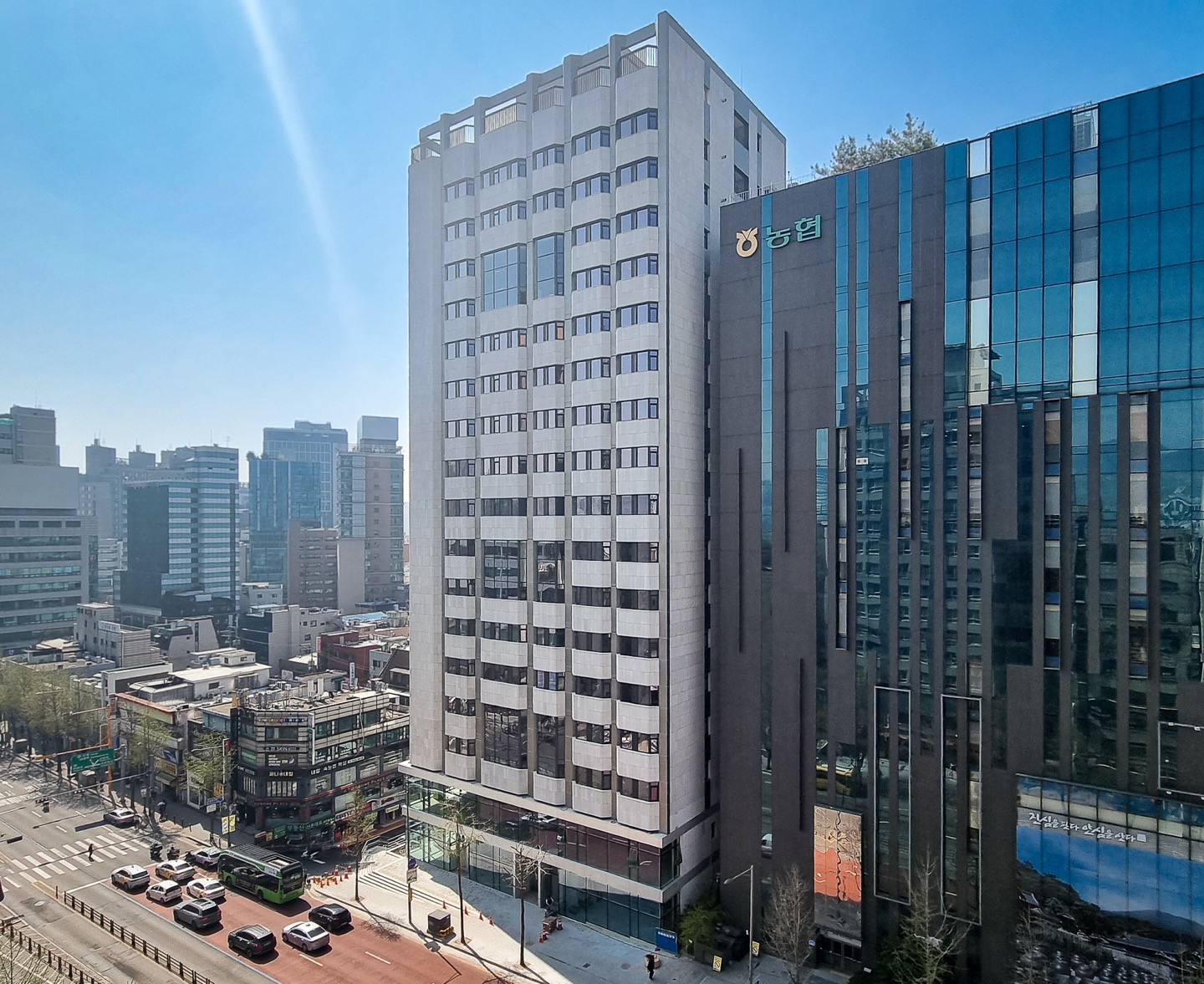
“Episode Sinchon,” a new urban housing model, has been completed in Sinchon, Seodaemun-gu, Seoul. Designed to respond to the lifestyle of younger generations within a dense and complex urban environment, this project goes beyond conventional rental housing, offering a differentiated residential experience through an architectural interpretation that is closely integrated with the urban context.
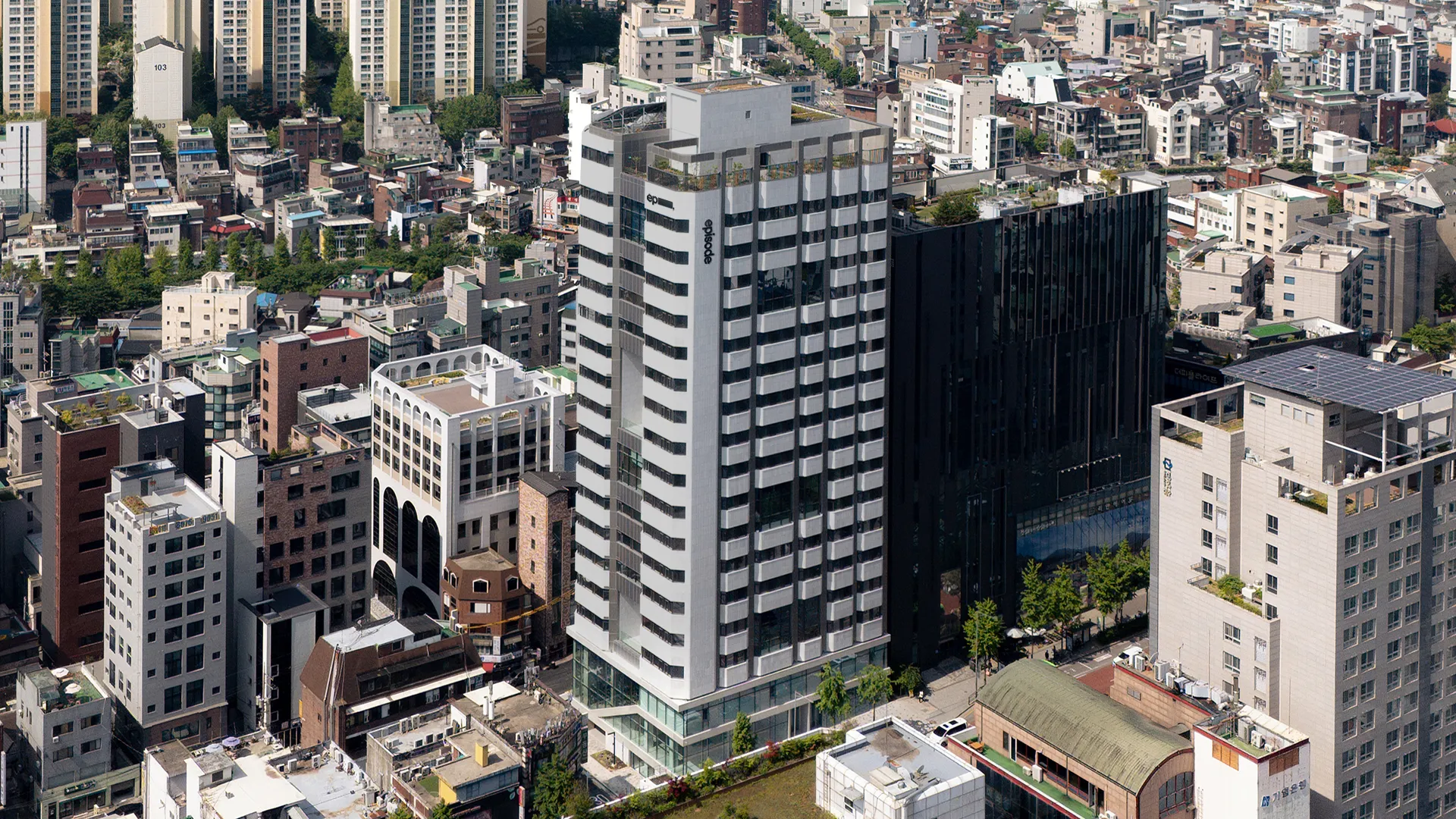
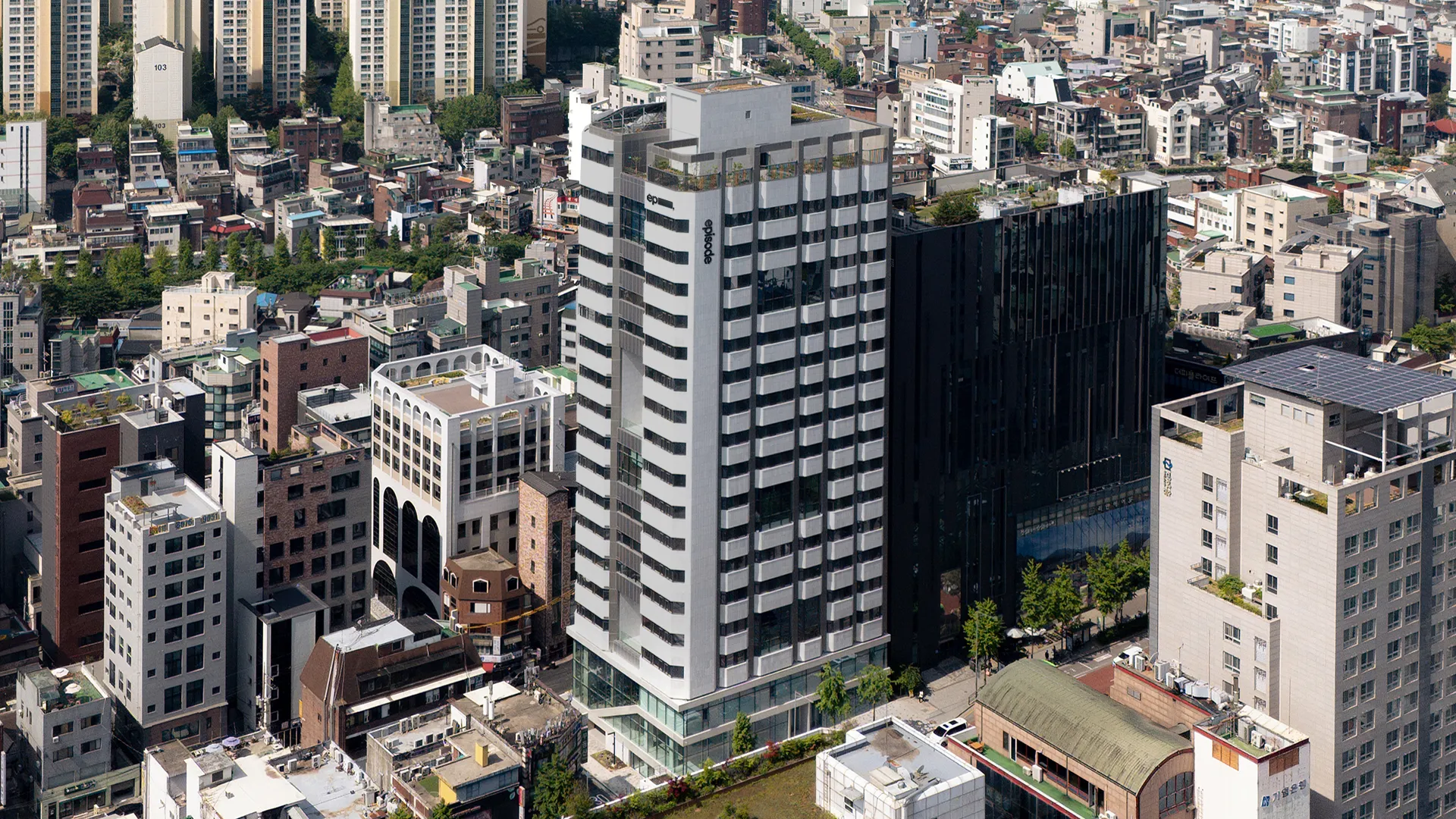
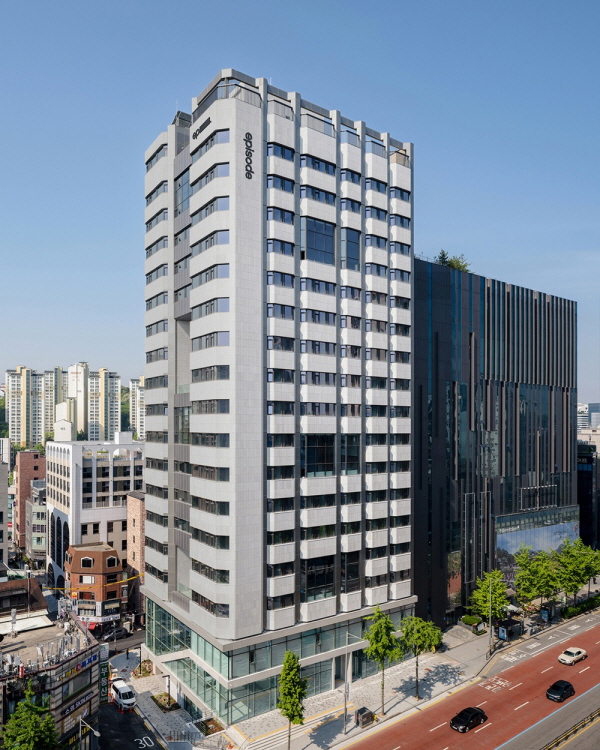
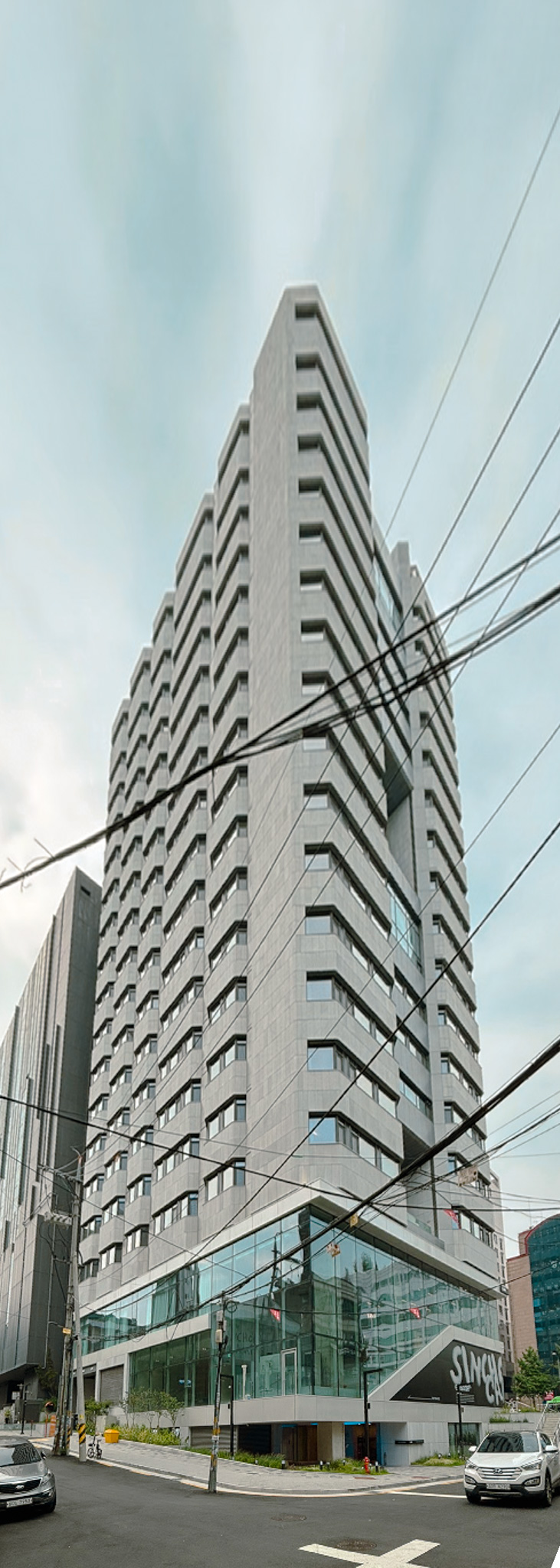
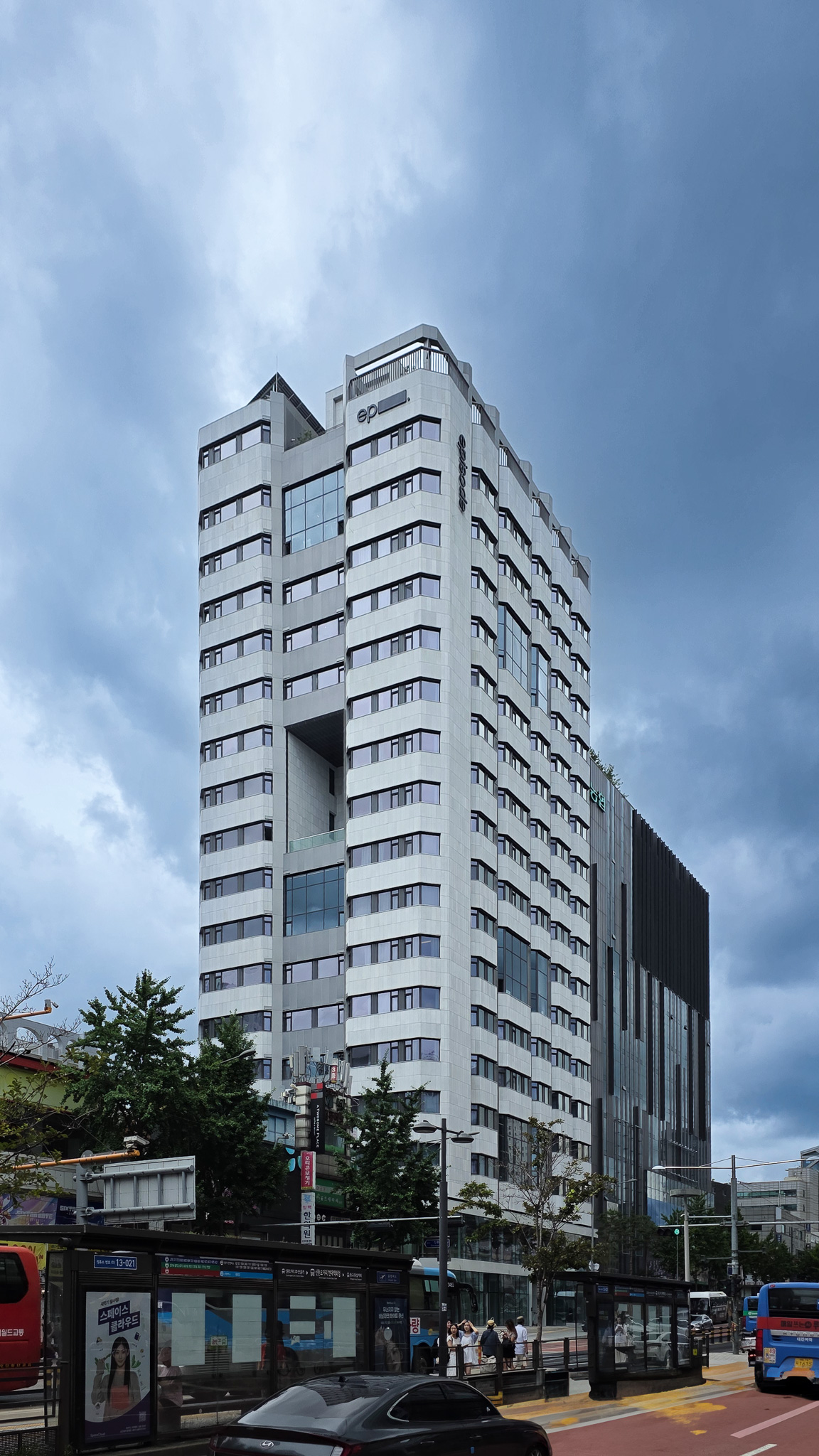
Episode Sinchon rises 18 stories above ground with five basement levels. Its refined vertical façade composition and restrained color palette harmonize with the Sinchon skyline while emphasizing a contemporary and youthful identity. In particular, the lower levels are planned as community-oriented facilities that encourage openness and interaction with the surrounding neighborhood, presenting a new approach to how architecture can engage with the city.
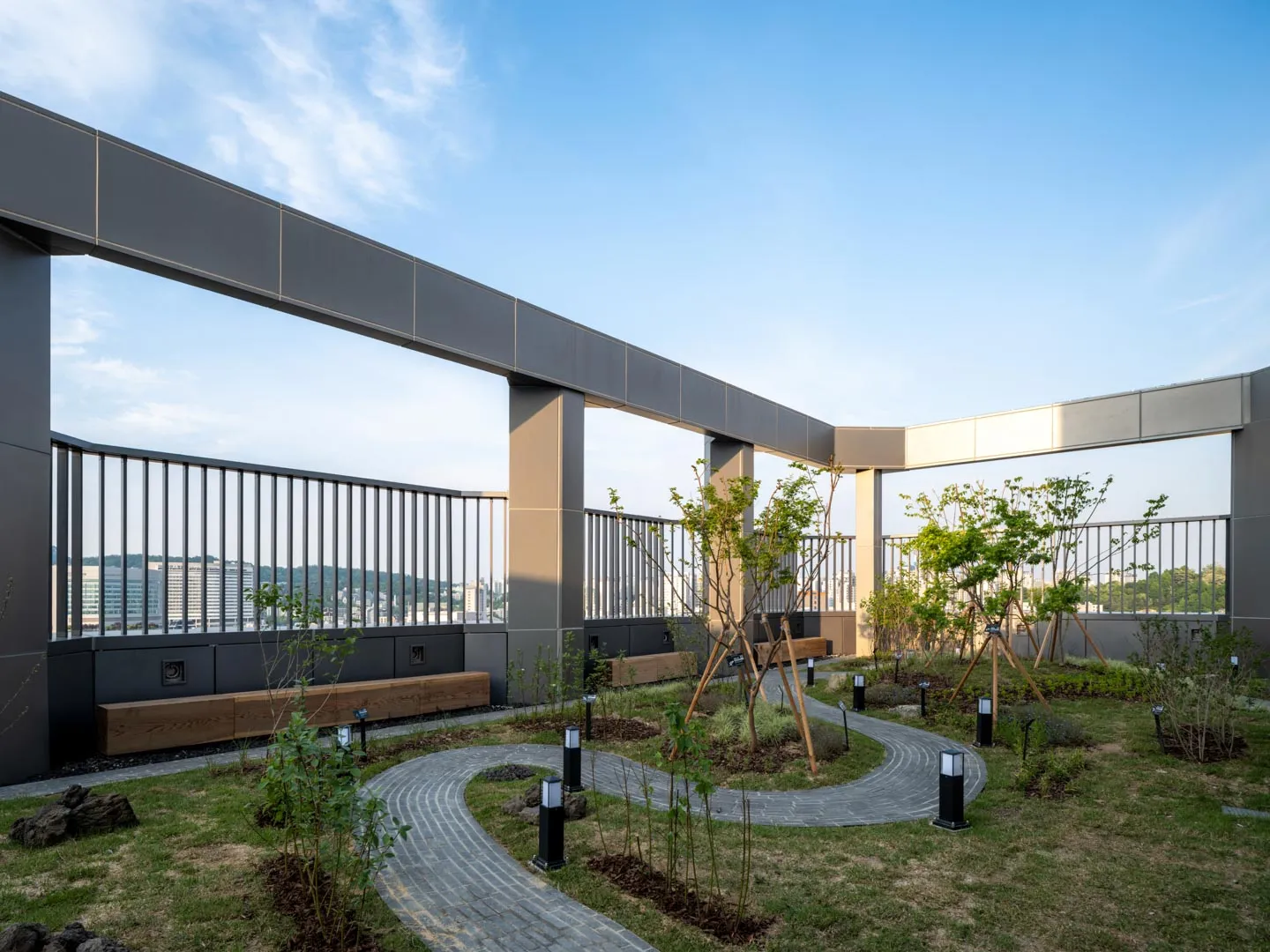
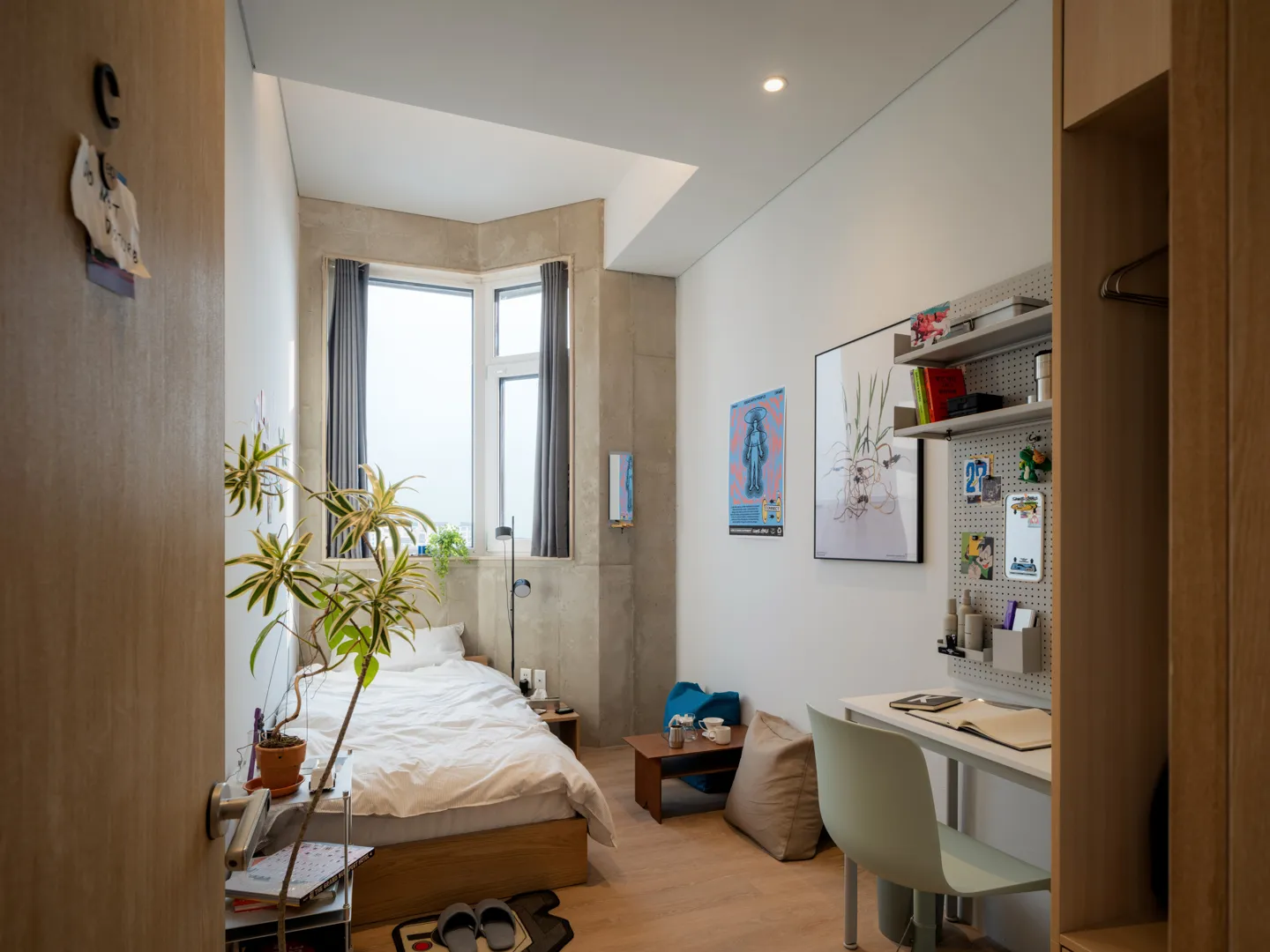
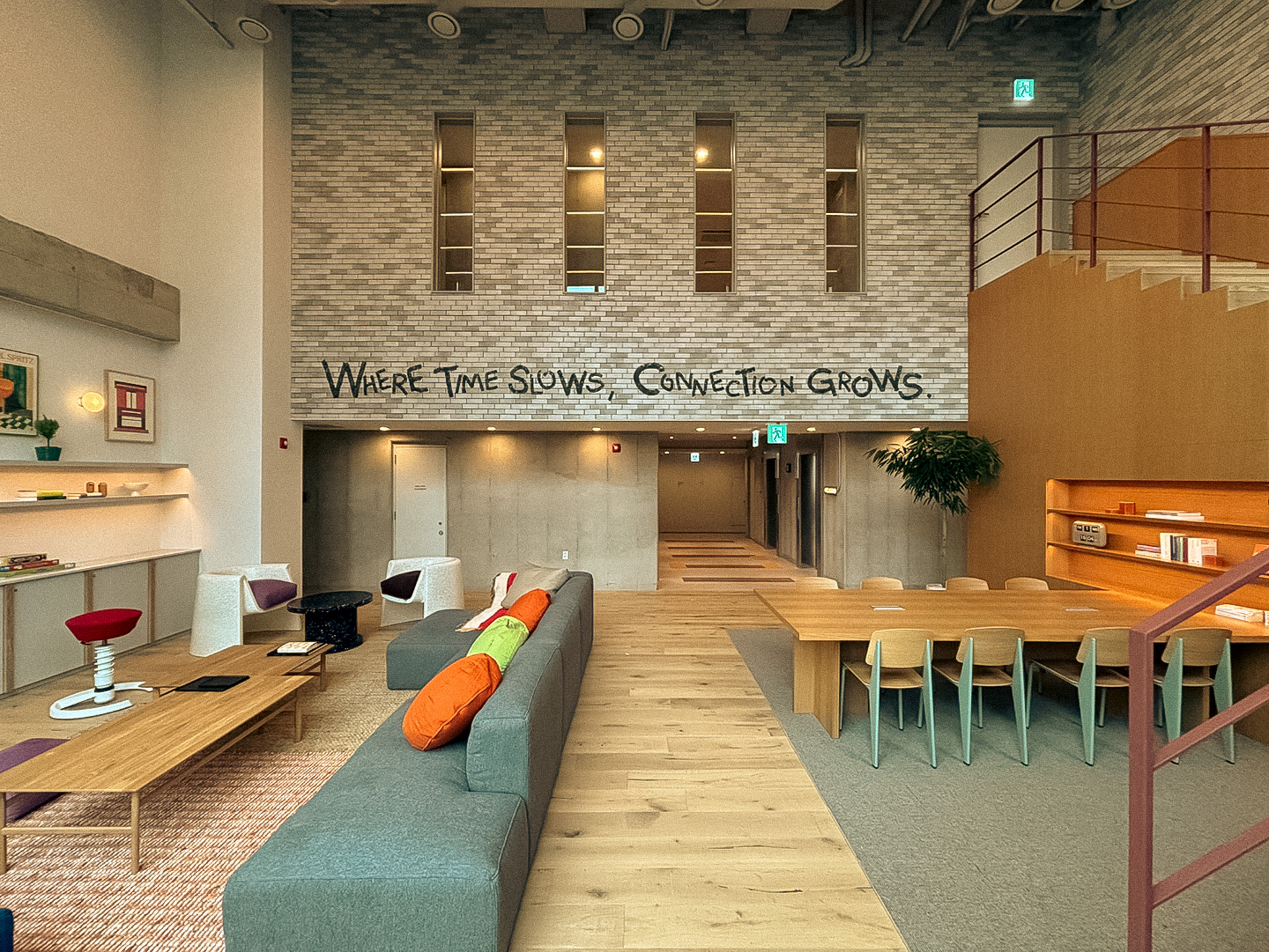
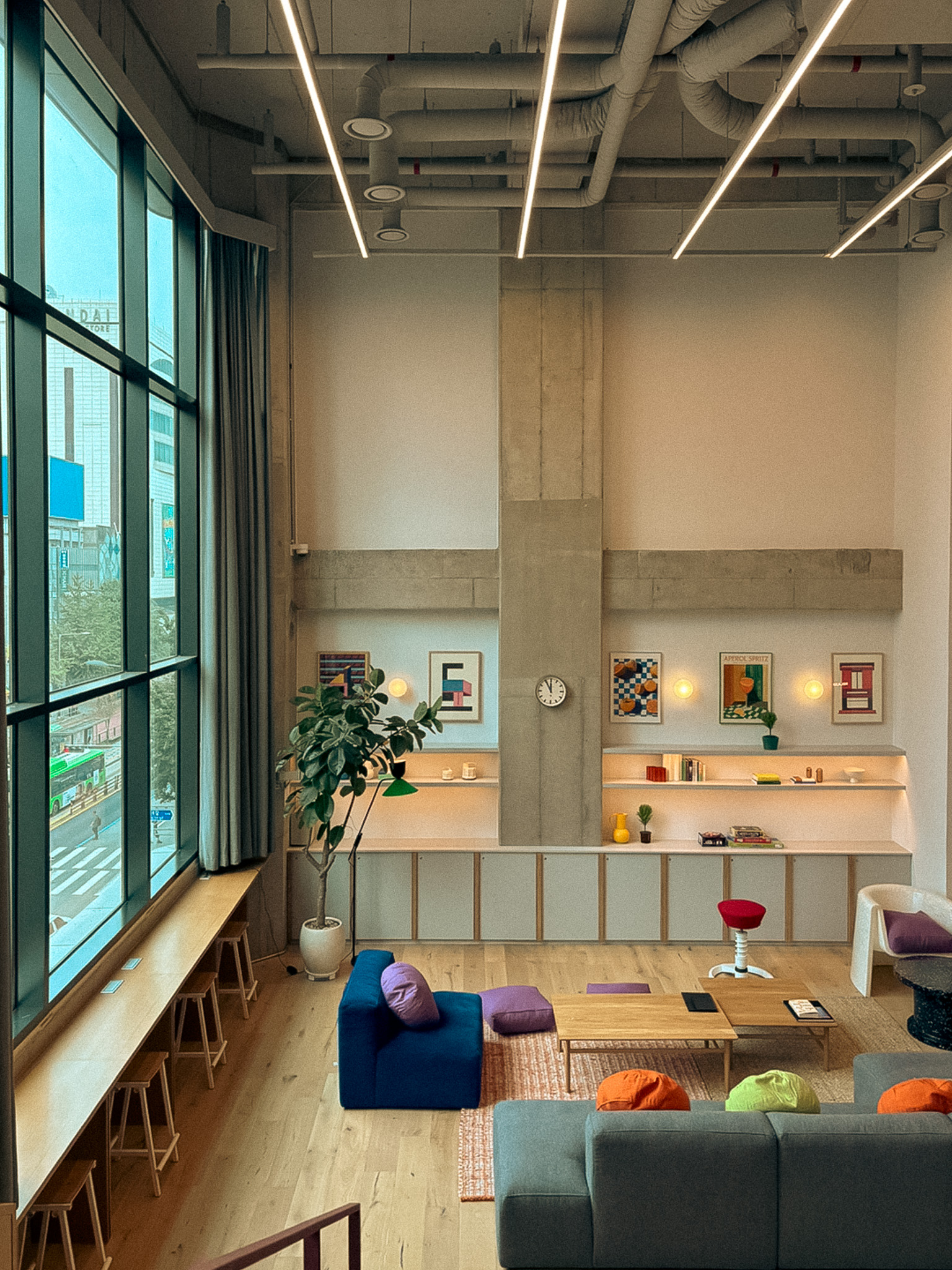
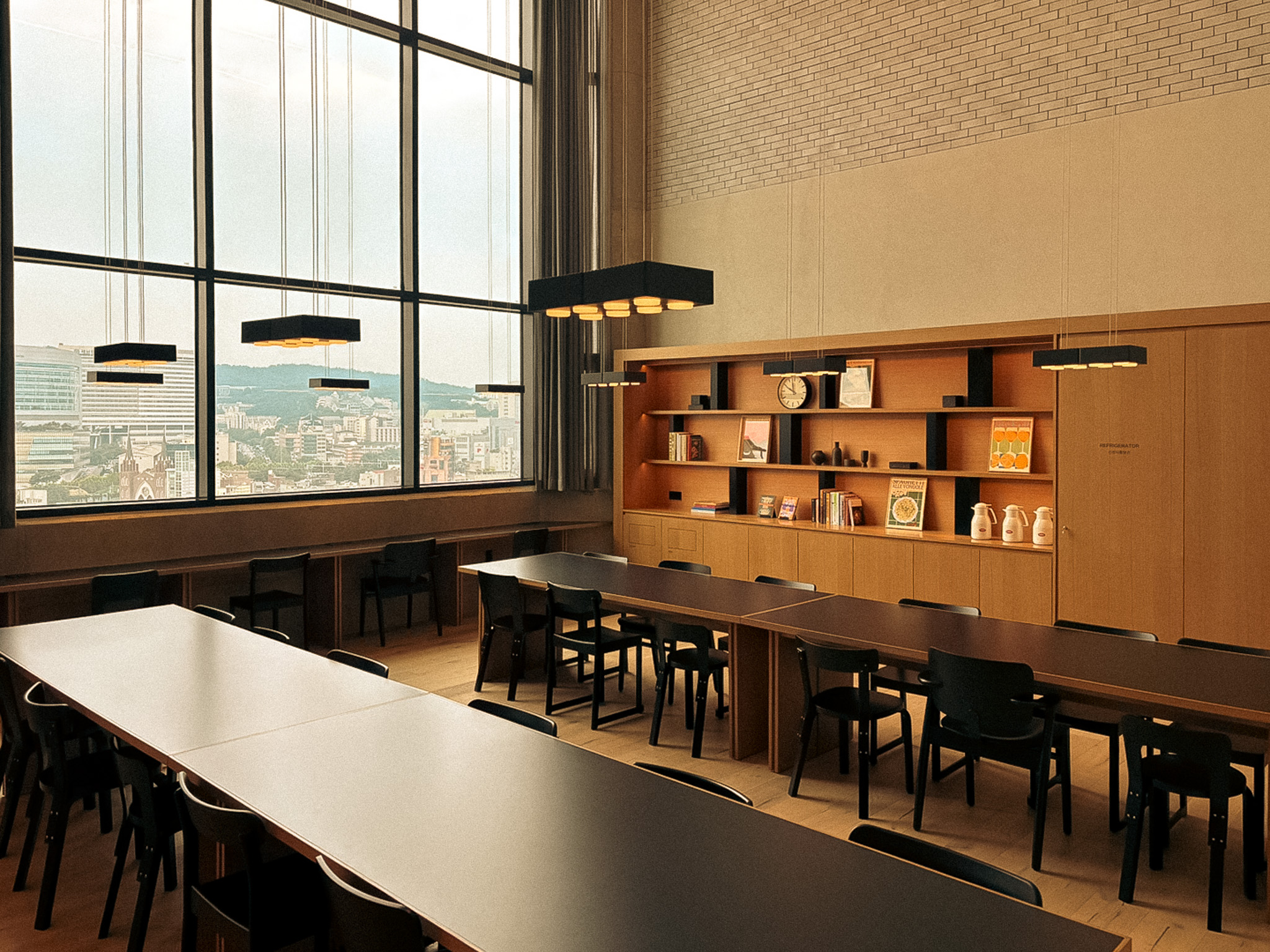
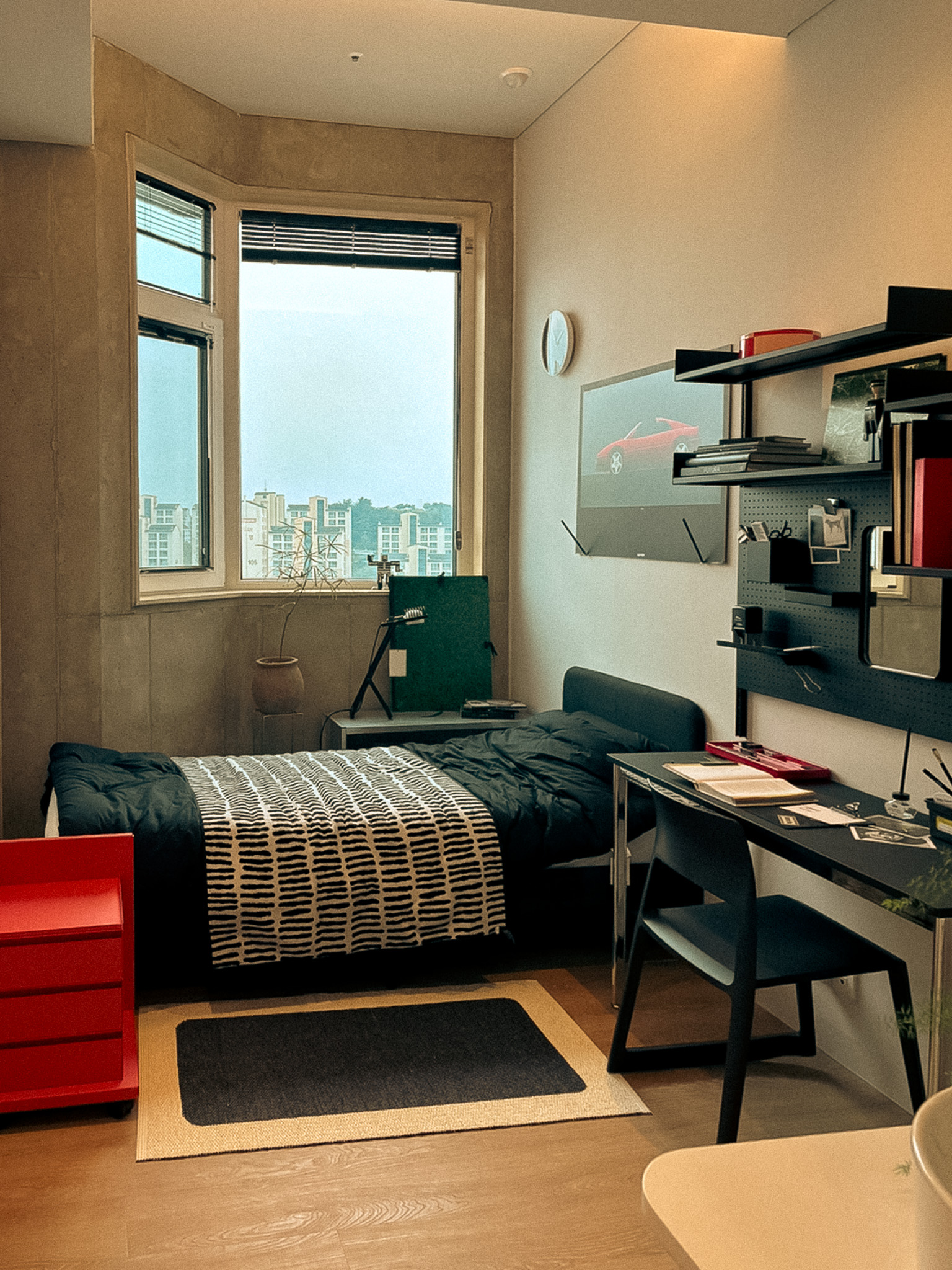
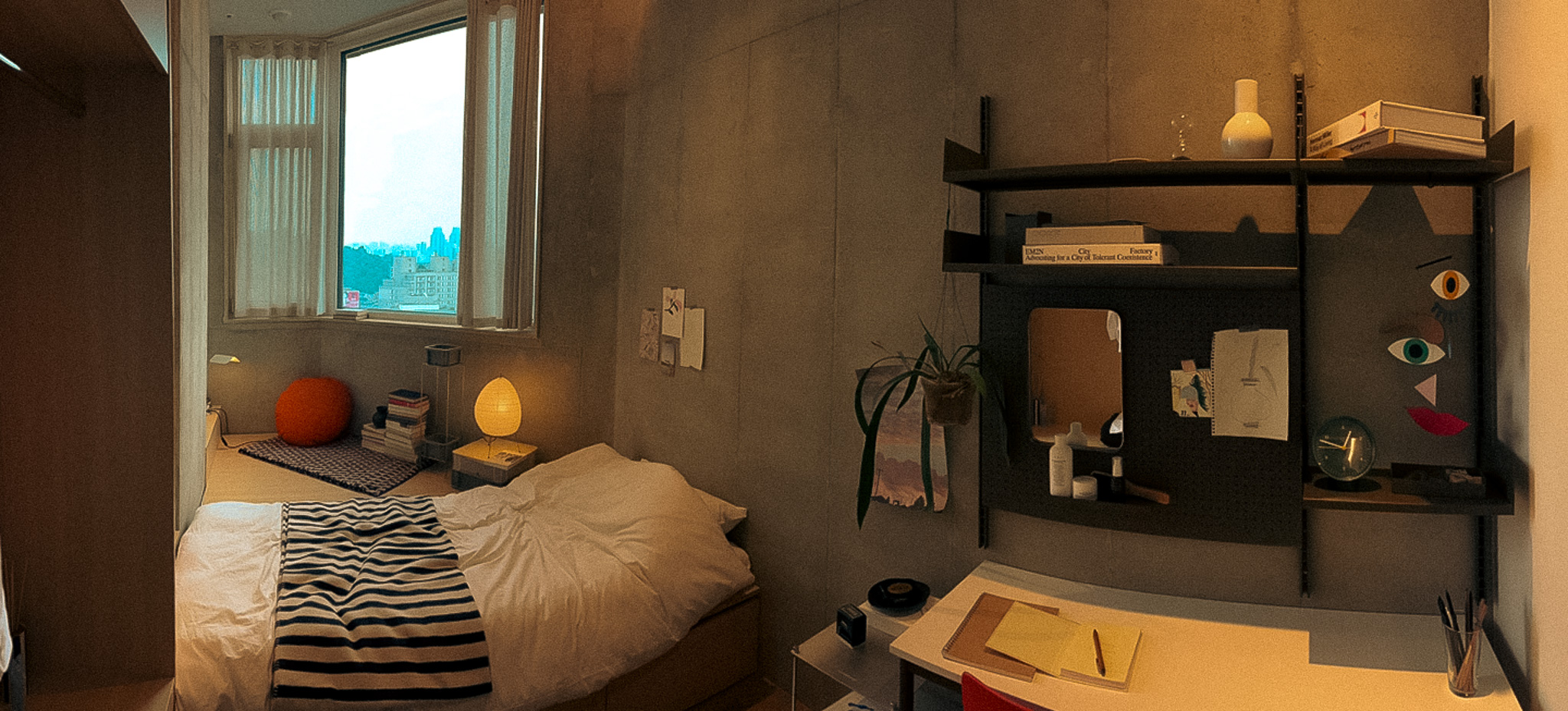
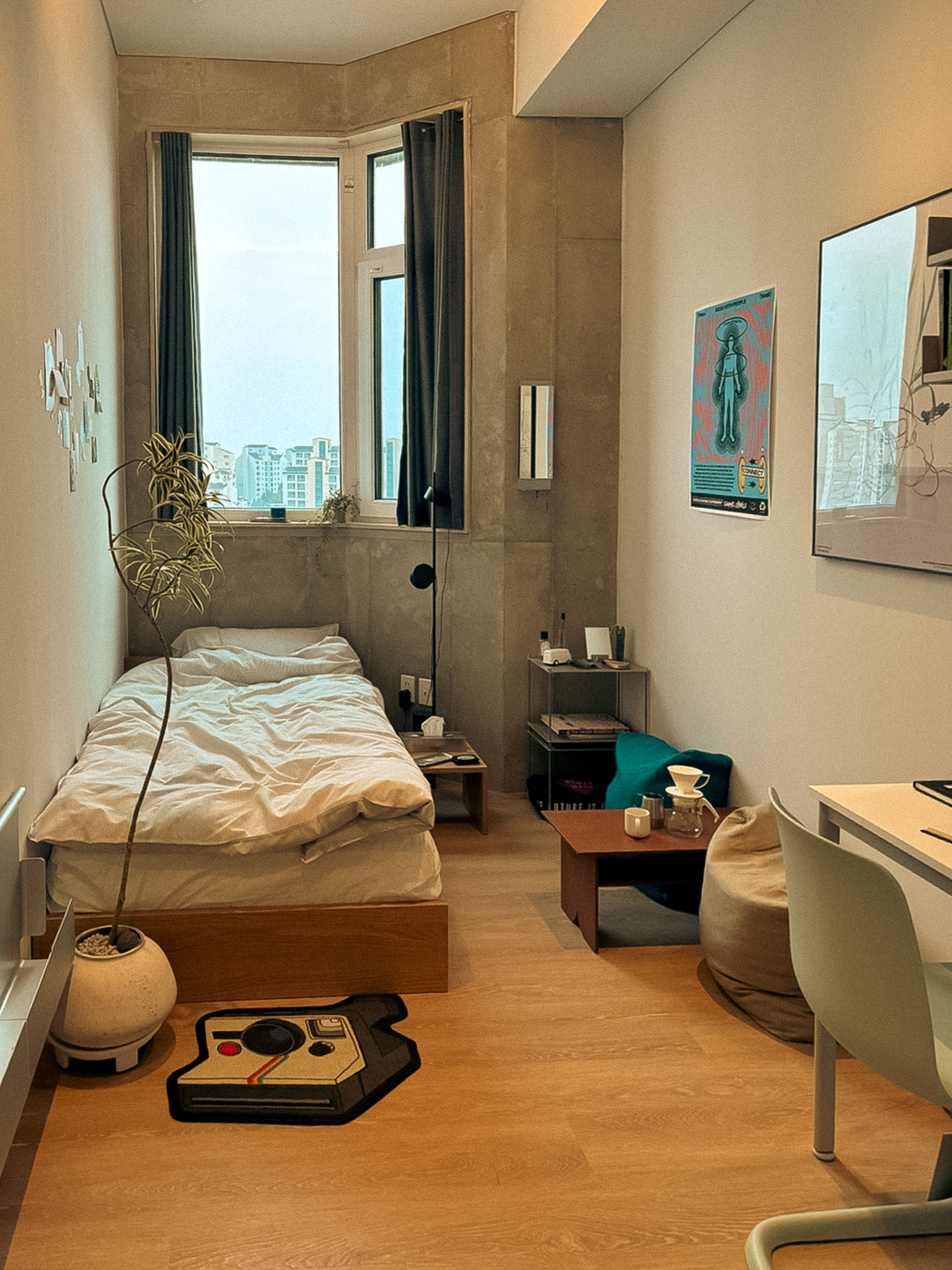
The interior spaces are organized with modular floor plans optimized for one- to two-person households, maximizing efficiency through function-oriented layouts. A range of shared amenities—including a communal kitchen, lounge, rooftop garden, fitness room, and other community spaces—supports resident interaction and the expansion of everyday lifestyles. In addition, smart residential features such as smart door locks, IoT-based remote control systems, and energy-efficient building services have been introduced, seamlessly connecting technology with daily living.
The project is carefully integrated into the surrounding heterogeneous urban fabric through thoughtfully designed pedestrian circulation, visual openness, transparent façades at the lower levels, and rhythmically articulated massing above. These strategies allow the building to establish a distinct identity while remaining responsive to its urban context.
Episode Sinchon represents a residential experiment that transcends the notion of housing as mere rental space, bridging architecture, the city, and its users. It demonstrates new possibilities for urban housing and is expected to set a new benchmark for city living as the model expands to other locations in the future.

-
Client
SK D&D
-
Program
Residential
-
key facility
Residential, Library
-
Location
Mapo-gu, Seoul
-
Period
2022.02.07. ~ 2025.06.25.
-
Completion Year
2025
-
Design
N.E.E.D Architecture
-
Construction
BANDO ENGINEERING CONSTRUCTION Co., Ltd
-
CM
Junglim CM Architectural
-
Site area
1,270.30m2
-
Building Area
754.63m2
-
Gross Floor Area
15,550.64m2
-
Number of Level
B5, 18F
Planning Phase
Design Phase
Purchase & Procurement Phase
- Bidding process support
- Contract management support
- Supplied material procurement support
Construction Phase
- Review of construction commencement reports
- Review and management of temporary works plans
- Management of design changes and contracts
- Review of construction plans and construction details
- Material management (selection and inspection)
- Quality control
- Safety management
- Environmental management
- Technical review and training
- Progress inspection and pre-completion/as-built inspection
Post-Construction Phase
- Facility maintenance
- Preparation and submission of the final report
- Evaluation of the construction management service
- Support for defect repair and rectification
Episode Sinchon: Setting a New Standard for Urban Lifestyle Housing
“Episode Sinchon,” a new urban housing model, has been completed in Sinchon, Seodaemun-gu, Seoul. Designed to respond to the lifestyle of younger generations within a dense and complex urban environment, this project goes beyond conventional rental housing, offering a differentiated residential experience through an architectural interpretation that is closely integrated with the urban context.
Episode Sinchon rises 18 stories above ground with five basement levels. Its refined vertical façade composition and restrained color palette harmonize with the Sinchon skyline while emphasizing a contemporary and youthful identity. In particular, the lower levels are planned as community-oriented facilities that encourage openness and interaction with the surrounding neighborhood, presenting a new approach to how architecture can engage with the city.
The interior spaces are organized with modular floor plans optimized for one- to two-person households, maximizing efficiency through function-oriented layouts. A range of shared amenities—including a communal kitchen, lounge, rooftop garden, fitness room, and other community spaces—supports resident interaction and the expansion of everyday lifestyles. In addition, smart residential features such as smart door locks, IoT-based remote control systems, and energy-efficient building services have been introduced, seamlessly connecting technology with daily living.
The project is carefully integrated into the surrounding heterogeneous urban fabric through thoughtfully designed pedestrian circulation, visual openness, transparent façades at the lower levels, and rhythmically articulated massing above. These strategies allow the building to establish a distinct identity while remaining responsive to its urban context.
Episode Sinchon represents a residential experiment that transcends the notion of housing as mere rental space, bridging architecture, the city, and its users. It demonstrates new possibilities for urban housing and is expected to set a new benchmark for city living as the model expands to other locations in the future.